
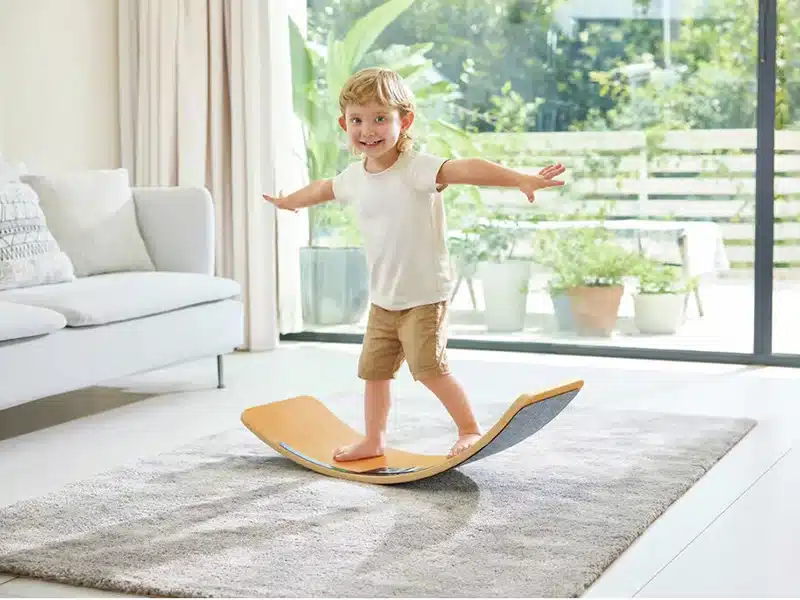
Support Child’s Growth with a Balance Board
Promote your child’s balance, coordination, and gross motor skills with our high-quality kids’ balance board. It supports physical development through active movement in homes, preschools, or therapy settings for safe indoor play. Crafted from durable, child-safe materials, each balance board encourages open-ended play and body awareness. It is ideal for Montessori environments and early learning spaces.
Balance Board Options That Promote Coordination and Core Strength in Kids
Balance boards are more than just fun—they're powerful tools for developing children’s balance, coordination, and core strength. Each type supports a different aspect of physical development, from wobble boards to roller boards and multi-use curved designs. Wobble boards encourage dynamic movement and stability, while roller boards offer more advanced challenges for older kids. Whether used in homes, classrooms, or therapy sessions, these boards promote active play, improve posture, and build confidence. Choosing the right balance board can help your child strengthen key motor skills while engaging in safe, screen-free physical activity.
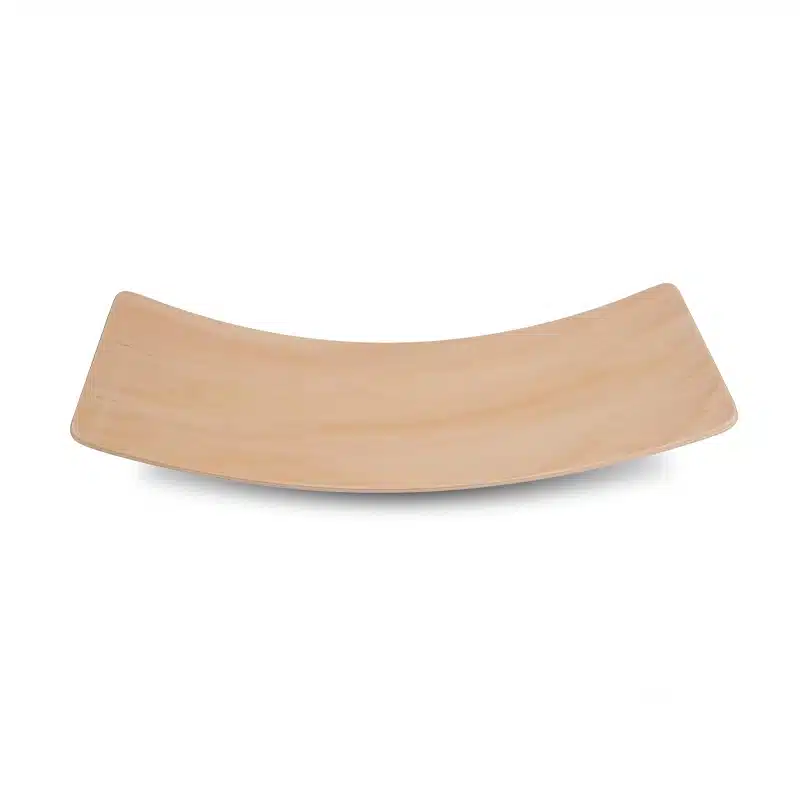
Wooden Classical Balance Board
A smooth wooden balance board that helps children improve balance and coordination through simple rocking and imaginative play. View More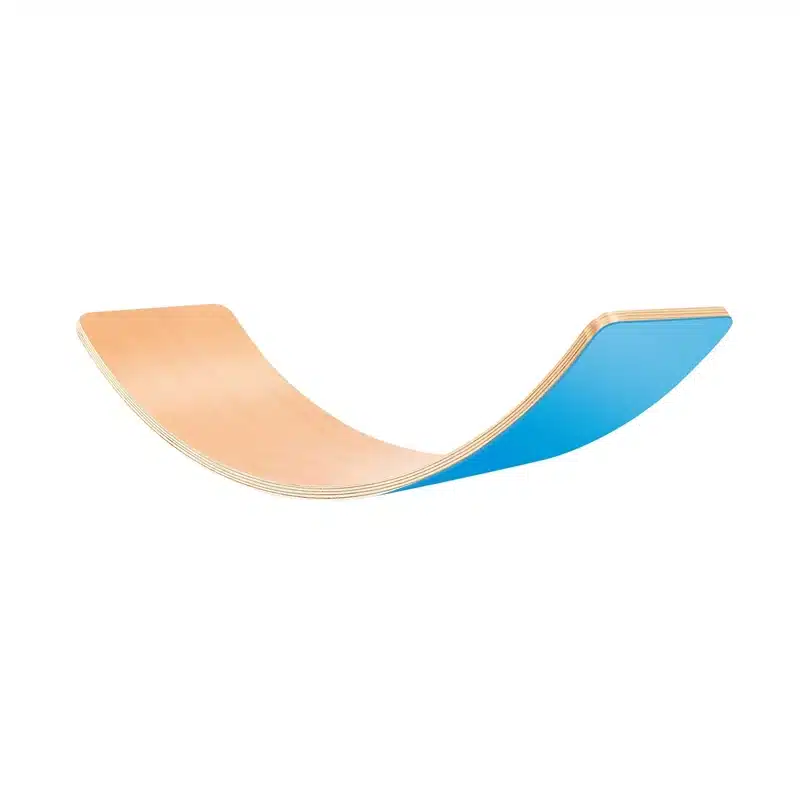
Balance Board with Mat
This board includes a soft mat underneath for added grip and safety, great for active indoor movement and basic balance practice. View More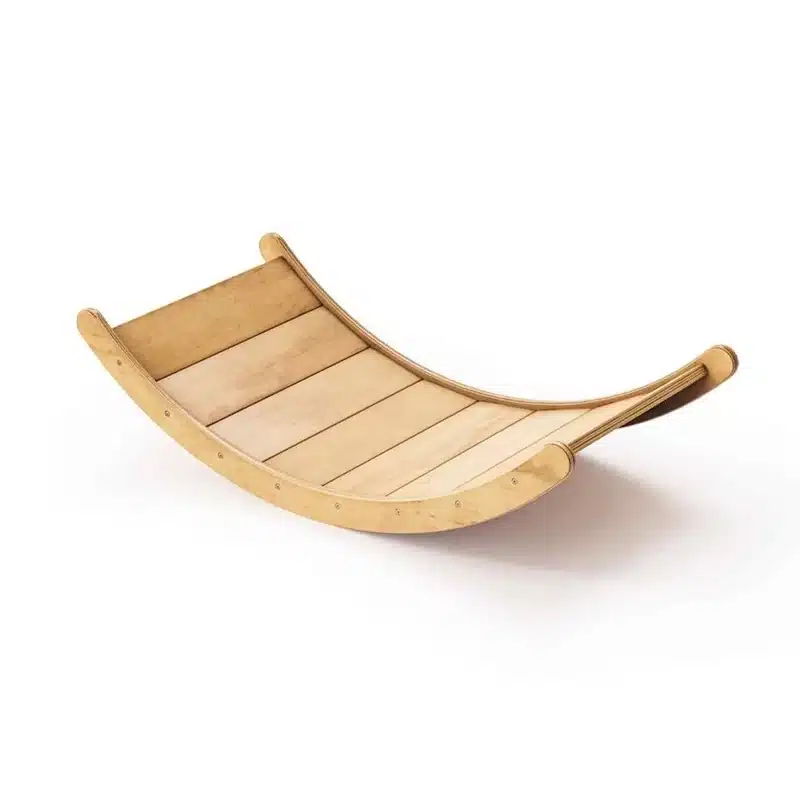
Splicing Wobble Board
Made with slatted panels, this wobble board is strong and flexible—perfect for open-ended play and gentle movement training. View More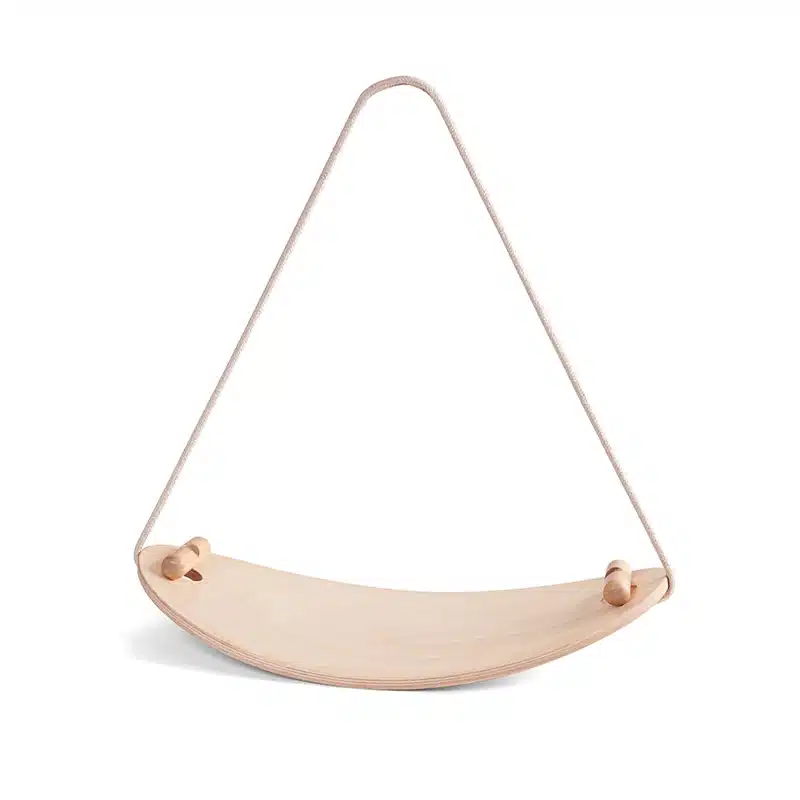
Balance Board with Rope
Equipped with side ropes, this board encourages upper body engagement and balance control as children swing and shift their weight. View More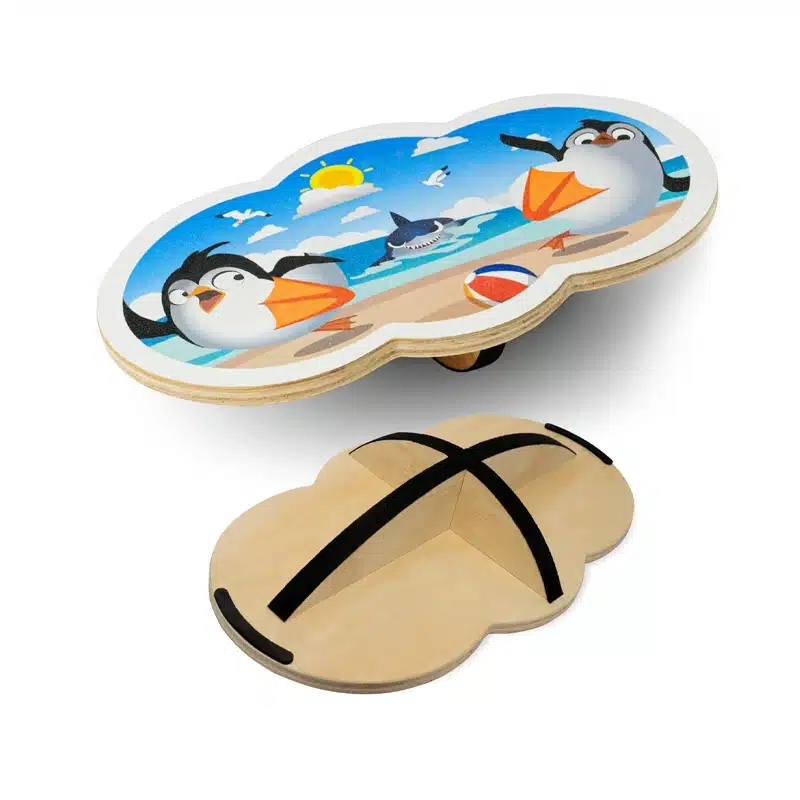
Wobble Board For Balance
A playful design featuring colorful animal prints, this wobble board helps boost motor skills while keeping kids entertained. View More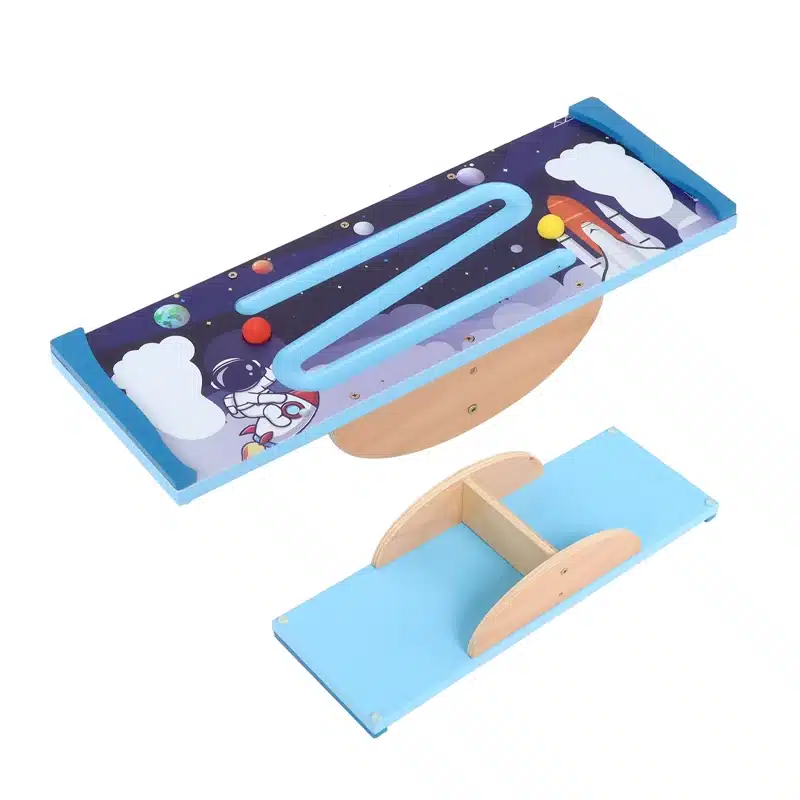
Roller Board
Combines balance and focus with a built-in rolling maze that encourages kids to move and control small objects using body motion. View More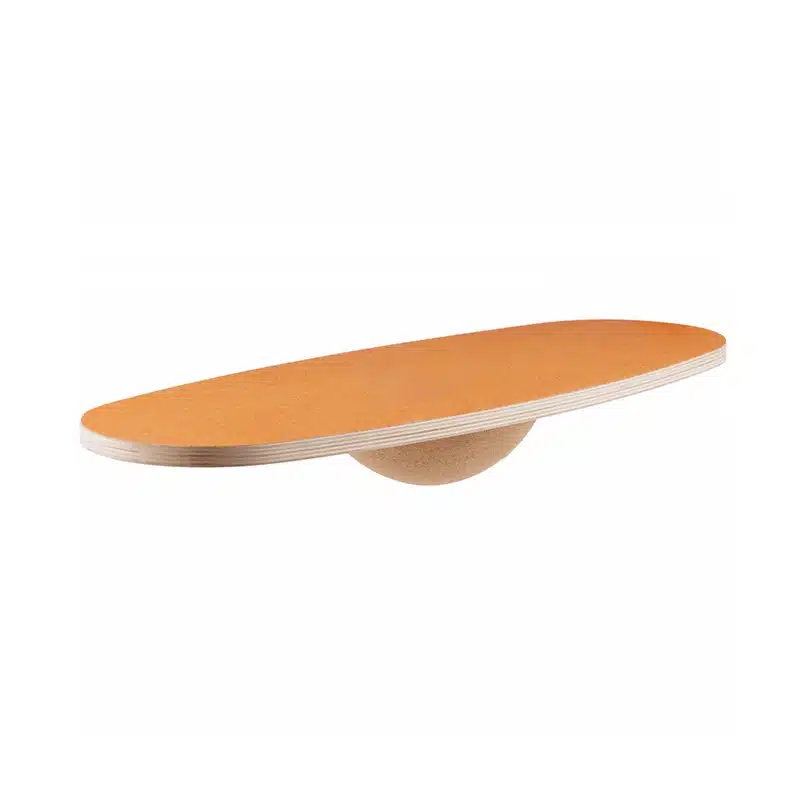
Natural Cork Rocker Board
Designed with a cork base for soft and stable motion, this rocker board offers quiet balance training on any indoor surface. View More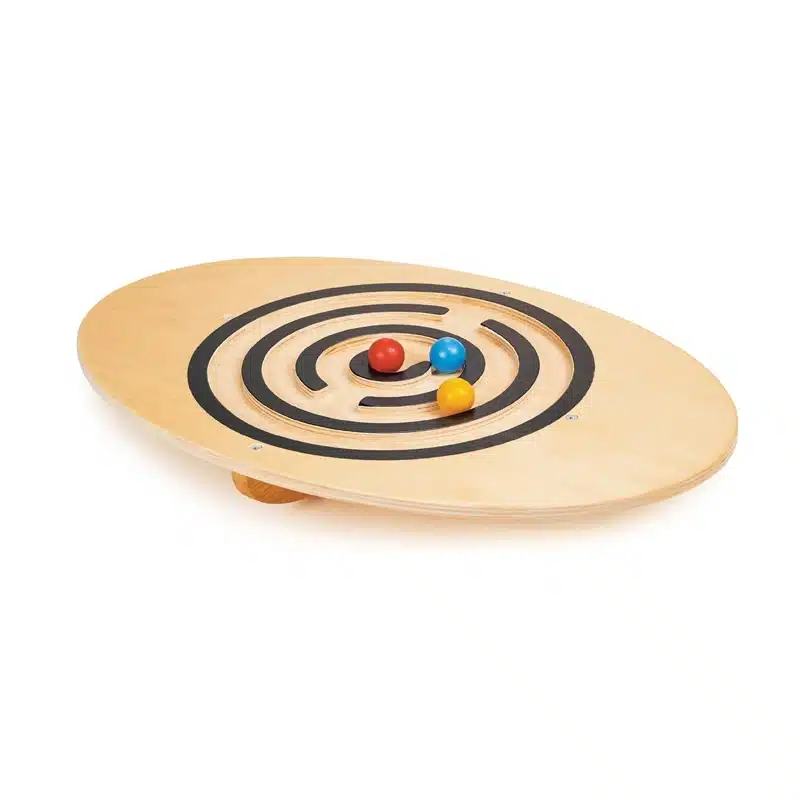
Wobble Board with Maze
Children tilt the board to move balls through a maze, improving hand-eye coordination and control while having fun. View More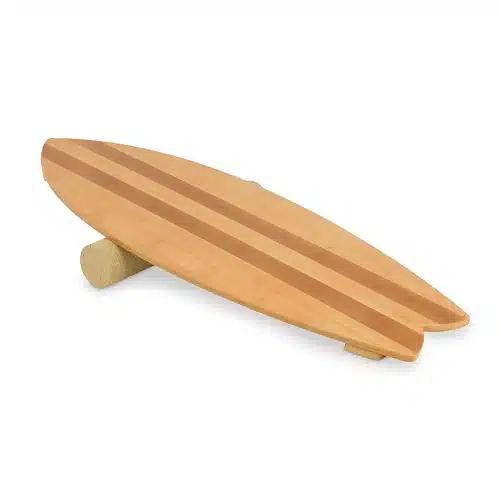
Balance Surfer
This flexible rocker board promotes core strength and physical activity, suitable for young children learning balance through play. View More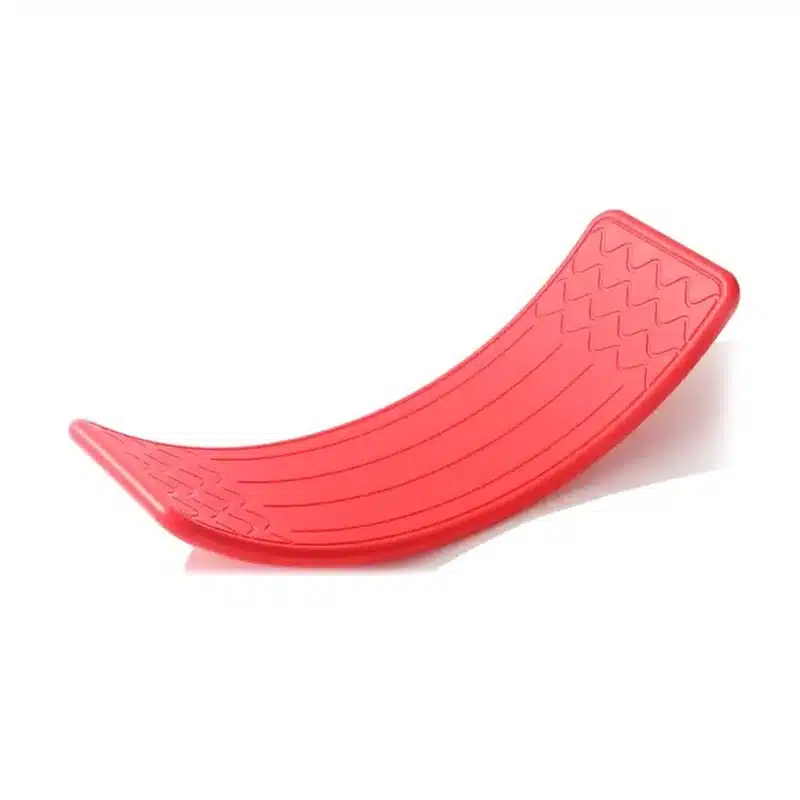
Plastic Wobble Board
A lightweight and durable board made of plastic, ideal for daily balance training, both indoors and outdoors. View More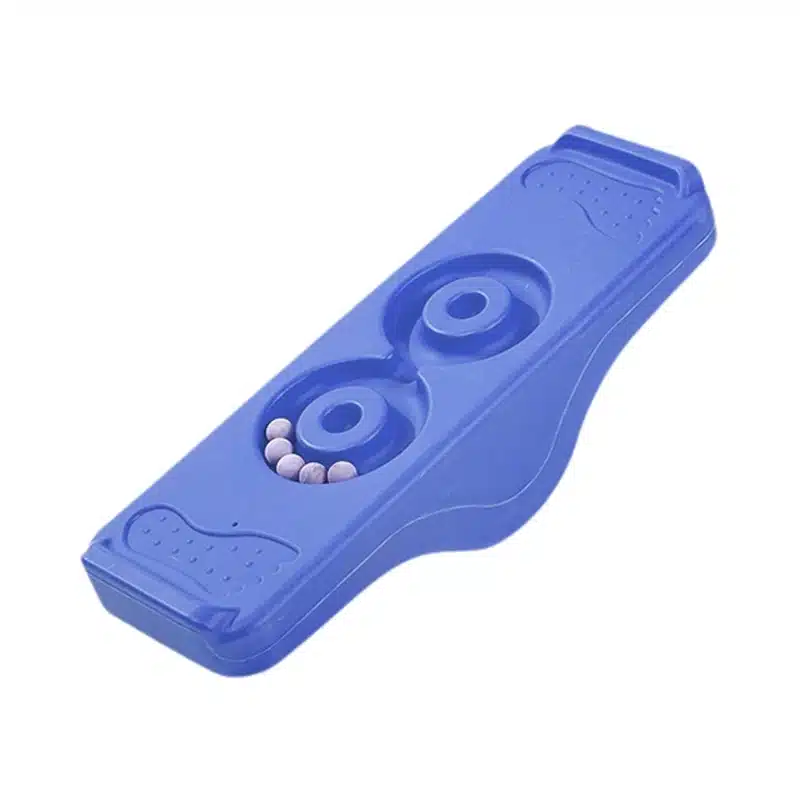
Kids Rocker Board
A fun board with built-in tracks and beads, it encourages movement and sensory play while keeping children engaged. View More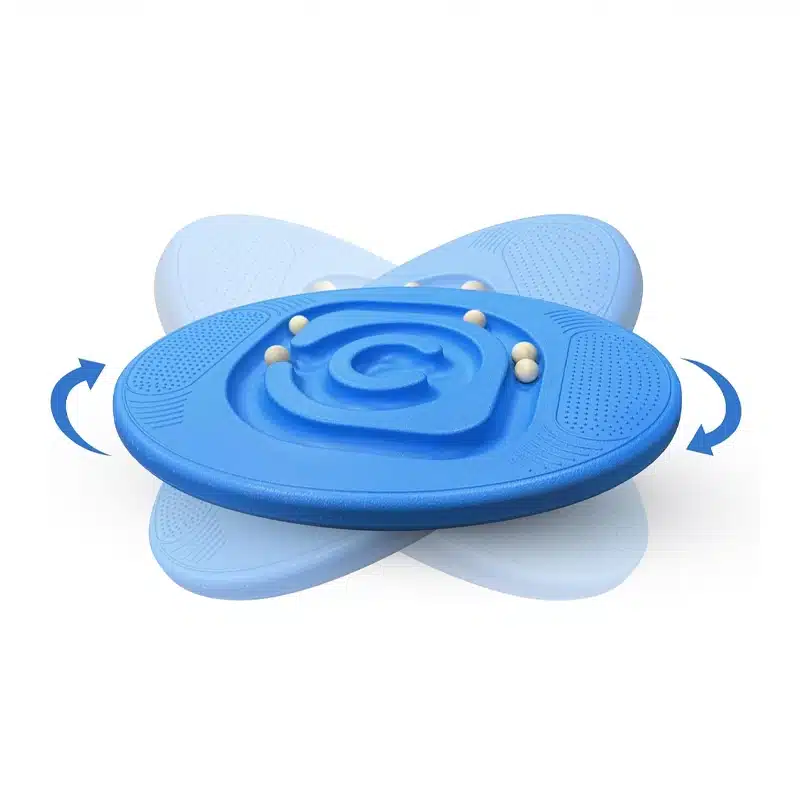
Kids Plastic Balance Board
Colorful and interactive, this spinning balance board helps children develop balance and coordination in a playful way. View MoreXIha Montessori: Quality-Crafted Balance Boards from a Manufacturer You Can Trust
With years of experience in early childhood product manufacturing, we specialize in producing high-quality, child-safe balance boards that support physical development and active play. From classic wobble boards to multifunctional curved styles, our products are trusted by educators, parents, and childcare centers worldwide. As a reliable manufacturer, we offer flexible customization, bulk production, and global delivery, ensuring every child can access safe, developmentally beneficial movement tools.
Understanding the Best Materials for Children’s Balance Boards
When choosing a balance board for your child, the material matters as much as the design. Wooden boards, often made from birch or beech, offer durability and a natural aesthetic, ideal for Montessori environments. Understanding these material differences helps ensure you select a safe, age-appropriate, and developmentally supportive board.
Birch
A smooth, durable hardwood often used in premium balance boards. Its strength and flexibility make it ideal for curved designs that support dynamic movement and weight.
Beech
Known for its density and resistance to impact, beech wood provides excellent structural integrity, making it perfect for long-lasting and stable balance boards for children.
Plywood
Lightweight but strong, plywood offers multi-layer reinforcement, ensuring flexibility without compromising durability. It is commonly used in curved balance boards for preschoolers.
Plastic
Easy to clean, lightweight, and highly durable, plastic balance boards are ideal for toddlers. They’re often molded for safety and feature soft edges to prevent injury.
Foam
Soft and safe, foam balance boards are perfect for therapy or beginners. They provide gentle resistance and cushioning, reducing the risk of slips or falls.
Top Balance Board Types Perfect for Classrooms and Families
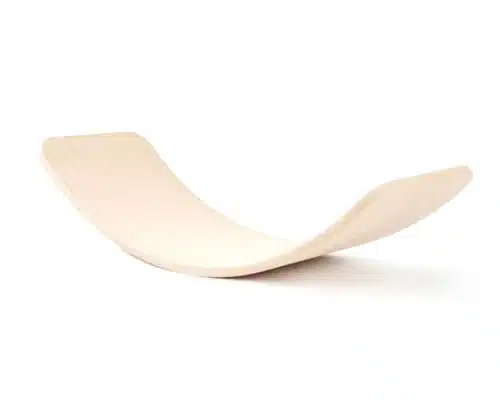
Wobble Board
A curved wooden board that rocks back and forth to improve children’s balance, posture, and core strength. Its gentle motion encourages body control and physical coordination in a safe, playful way.
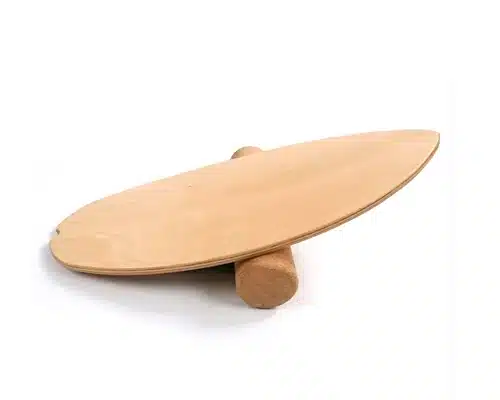
Roller Balance Board
A flat board placed over a cylindrical roller offers a fun challenge that improves body control, dynamic balance, and core engagement. It is perfect for kids who enjoy active, skill-building movement.
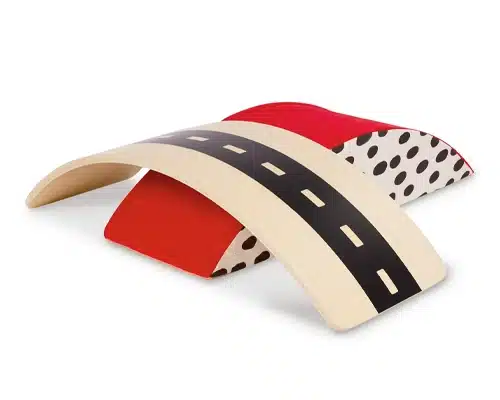
Foam Balance Board
Made from soft, lightweight foam or EVA, this board offers excellent shock absorption and a safe surface for beginners or children with special needs. It is ideal for low-impact balance training.
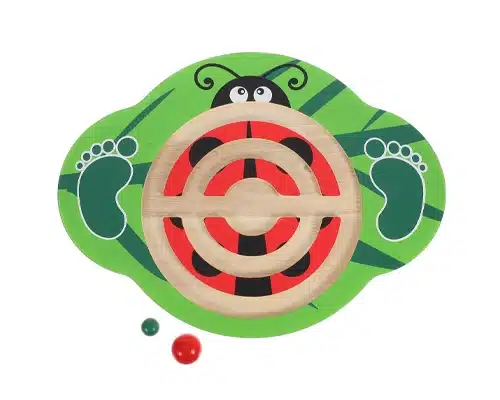
Tilt Board
Tilts in one or two directions—forward-backward or side-to-side—offering a controlled balance challenge. Useful for targeted motor skill development and sensory therapy.
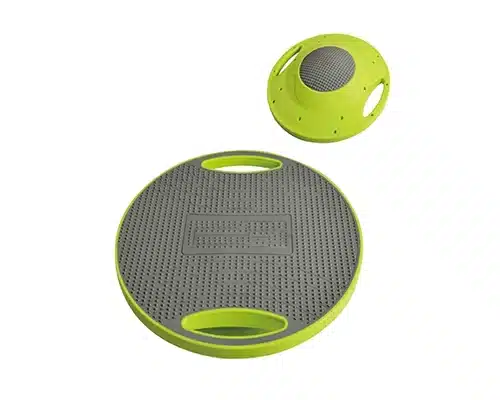
Sensory Balance Board
Designed with textured surfaces like bumps or ridges to provide tactile feedback. Combining balance training with sensory input is ideal for sensory integration activities.
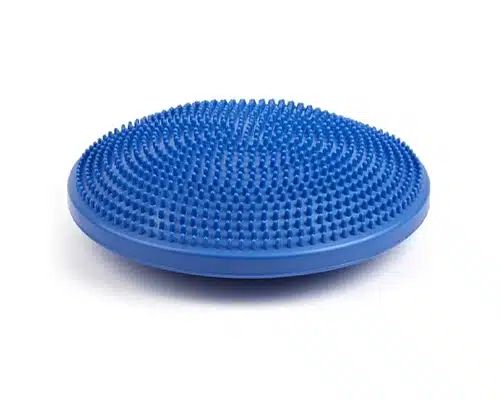
Inflatable Balance Board
Air-filled and slightly unstable, this portable option allows for adjustable difficulty. It’s soft, floor-safe, and great for home and outdoor use, encouraging balance through gentle movement.
Balance Boards Beyond Balancing: Versatile Play Ideas for Kids
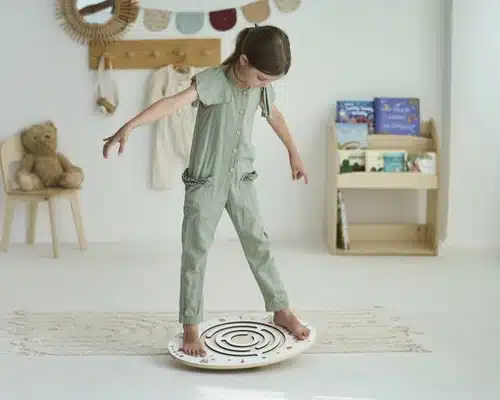
Rocking Back and Forth
Strengthens core muscles and improves posture and body control. This is the most fundamental balance activity for children.
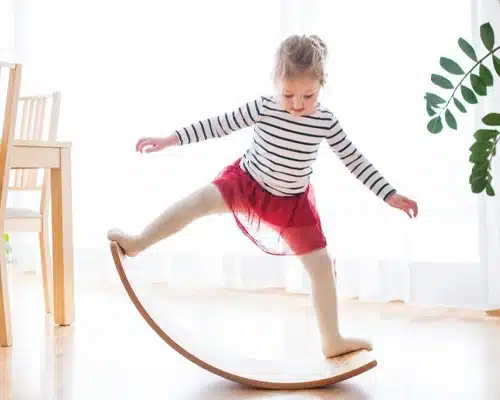
Side-to-Side Tilting
Enhances lateral coordination and stimulates the vestibular system, helping children develop spatial awareness and body balance.
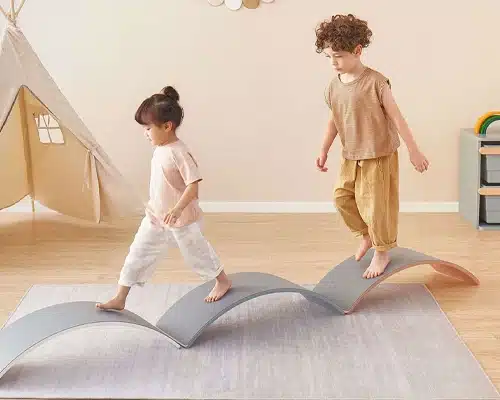
Bridge in Obstacle Courses
Encourages creative movement and problem-solving while developing gross motor skills and active play.
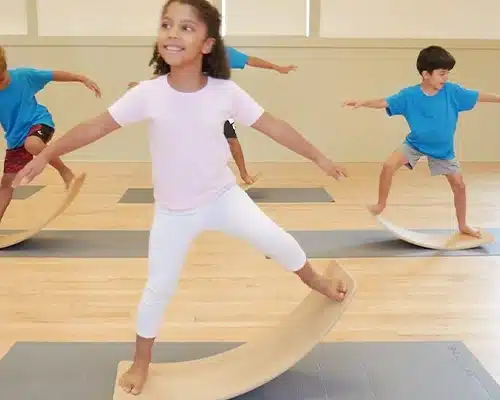
Yoga or Stretching
Promotes flexibility, body awareness, and self-regulation. Great for combining physical activity with mindfulness.
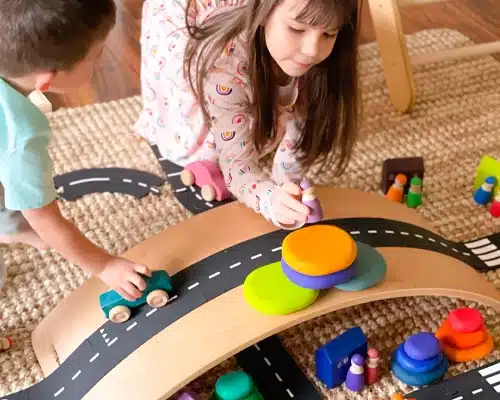
Balance Games with Toys
Builds hand-eye coordination, focus, and cooperation. Ideal for group play or solo concentration tasks.
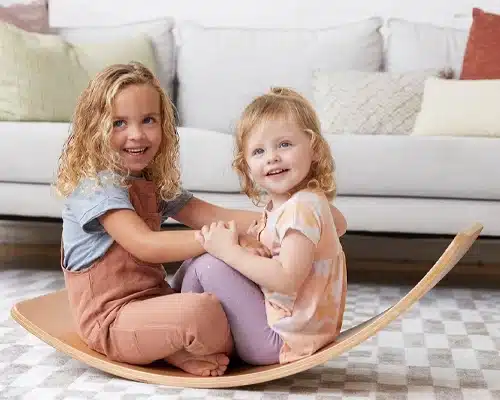
Sitting and Rocking for Sensory Input
Provides calming motion for children with sensory needs or autism. Supports emotional regulation and sensory integration.
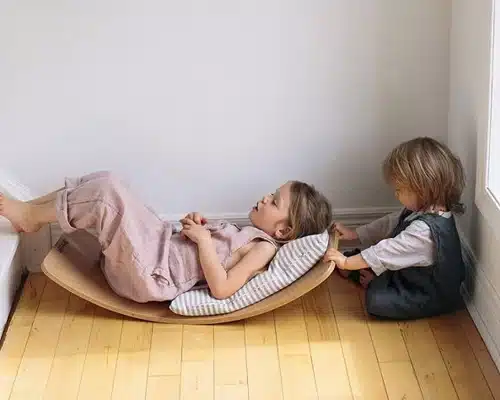
Lying Down and Rocking Like a Boat
Offers full-body vestibular input and helps younger children or those in therapy gain better sense of body positioning.
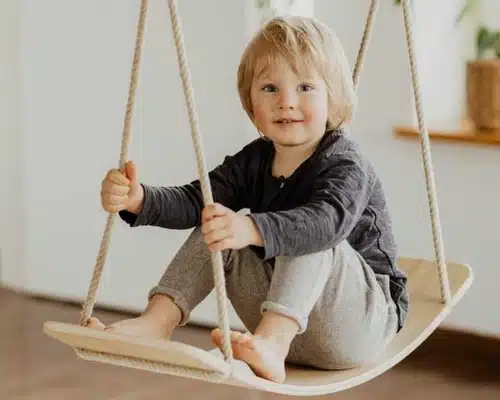
Hang as a Swing
It turns the balance board into a suspended swing, providing dynamic vestibular input. It is great for indoor sensory play, balance, and core stability.
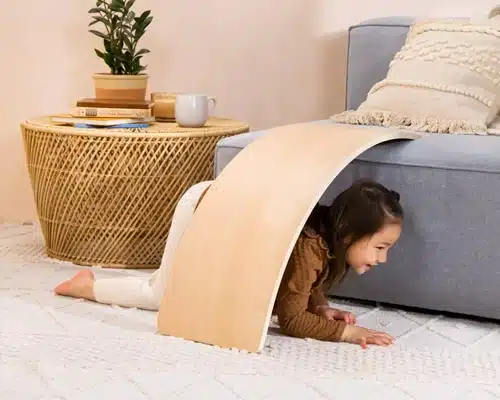
Use as Slide on Soft Surface
Creates a gentle slope for sliding when propped on a cushion or step. Encourages climbing, balance, and gross motor activity while keeping play engaging and safe.
Choose the Right Balance Board by Age Group
Discover how to choose the right balance board for your child by age group, focusing on safety, developmental benefits, and skill level to support active, age-appropriate growth.
| Age Group | Recommended High Chair Type | Key Features |
|---|---|---|
| 1–2 years old | Rocking Board with Handles, Foam Balance Board | Soft, low to the ground, added safety support |
| 2–3 years old | Wobble Board, Curved Balance Board | Gentle rocking motion, stable design |
| 3–4 years old | Tilt Board, Sensory Balance Board | Controlled movement, textured surfaces |
| 4–5 years old | Spinning Disc Board, Multi-functional Balance Board | Rotational or flexible use, creative structures |
| 5–6 years and up | Roller Balance Board, Spring-based Board, Inflatable Board | Higher difficulty, dynamic motion, adjustable challenge |
Safety Tips When Kids Using a Balance Board
Use on a Flat, Non-Slip Surface
To prevent slipping, ensure the board is placed on a stable, non-slippery floor (e.g., carpet or rubber mat).
Always Supervise Young Children
Young kids should never use a balance board without adult supervision, especially under age 4.
Remove Socks for Better Grip
Have children use the board barefoot or with non-slip grip socks to reduce the risk of slipping.
Start with Simple Movements
Begin with slow, controlled rocking or tilting to help kids build confidence and muscle control.
Sleep Sacks
A sleep sack is a wearable blanket designed for toddlers. It keeps them warm during nap time without the risk of loose blankets, which can be dangerous for younger children. Sleep sacks often come in various thicknesses, making them suitable for different temperatures and nap environments.
Keep Surroundings Clear
Ensure no sharp objects, furniture, or toys are nearby to avoid injury if a child falls.
Check Weight and Age Limits
Only use boards designed for your child’s weight and age to ensure proper balance and durability.
Inspect the balance Board Regularly
To maintain safety, check for cracks, loose screws, or wear, especially in wooden or multi-piece boards.
FAQs
1. What age is appropriate for using a balance board?
Most balance boards are suitable for children 18 months and older. Always check the specific age and weight recommendations of each product.
2. Are balance boards safe for toddlers?
Yes, when used under adult supervision and on a safe surface. Boards with handles or foam padding are best for younger children.
3. Can balance boards be used indoors and outdoors?
Yes. Many balance boards are versatile, but it's important to use them on a non-slip surface and avoid wet or uneven outdoor terrain.
4. Do balance boards help with sensory development?
Absolutely. They provide vestibular and proprioceptive input, making them great tools for sensory integration, especially in therapy or special education settings.
5. How do I clean and maintain a balance board?
Clean the balance board using a dry or slightly damp cloth—avoid harsh chemicals or soaking, especially for wooden boards. Always check for cracks, splinters, or loose parts before each use to ensure safety.
6. Can balance boards be used by children with special needs?
Many balance boards are excellent tools for children with special needs, including those with sensory processing disorders or developmental delays. They support sensory integration, improve motor planning, and offer calming vestibular input when used in a supervised, structured environment.
Xiha Montessoris supplies superior preschool furniture and toys to over 500 kindergartens across the globe.
Contact us for a free consultation to customize the perfect solution for your needs.