
Daycare Cots for Children’s Nap Time Needs
Our Daycare Cots, Baby Cribs, and Montessori Beds provide a safe, comfortable, and durable solution for nap time in daycare centers. Designed with the needs of young children in mind, these cots are made from high-quality materials, ensuring both safety and comfort. Our cots fit seamlessly into your daycare’s layout and are available in customizable sizes and colors. Easy to store and clean, they help maintain a hygienic environment while offering children the perfect rest space. Shop our selection of Daycare Cots today to enhance your daycare’s rest time experience.

Wide Range of High-Quality Cribs for Classroom
Our collection of Cribs offers a wide range of styles and features to meet the diverse needs of your classroom. Choose from convertible cribs that transition with your child, traditional wooden cribs for a timeless look, or space-saving mini cribs for smaller rooms. We provide options with adjustable mattress heights, secure safety rails, and various finishes to complement your nursery’s decor. Each crib is crafted from durable, child-safe materials, ensuring a safe and comfortable environment for your baby. Please browse through our selection to find the perfect crib for your nursery.

Baby Convertible Crib
Designed with a modern, minimalist aesthetic, this crib offers a safe and comfortable space for infants to rest. The sturdy wooden frame and breathable slats ensure durability while complementing any daycare or home decor. View More
Daycare Crib with Window
Featuring a compact design with a built-in side window, this crib provides visibility for caregivers while keeping infants secure. Its rolling casters make it easy to move, making it a practical choice for flexible daycare setups. View More
Clear View Daycare Crib
Crafted for durability and easy supervision, this crib has clear acrylic panels that allow caregivers to keep an eye on the child at all times. The lightweight design and lockable wheels ensure safe and hassle-free mobility. View More
Convertible Crib in Light
This sleek crib combines functionality with timeless design, making it an excellent addition to any childcare environment. The durable wooden construction and soft, cozy mattress provide both comfort and safety for little ones. View More
Convertible Crib with Drawer
Built for practicality, this convertible crib includes a spacious under-bed drawer for extra storage. The neutral design pairs well with any setting, offering both convenience and style for busy caregivers. View More
Stackable Bunk-Bed Crib
Perfect for maximizing space, this innovative crib design stacks securely, allowing multiple cribs to be stored vertically. Ideal for daycares with limited space, it balances durability and safety with convenience. View More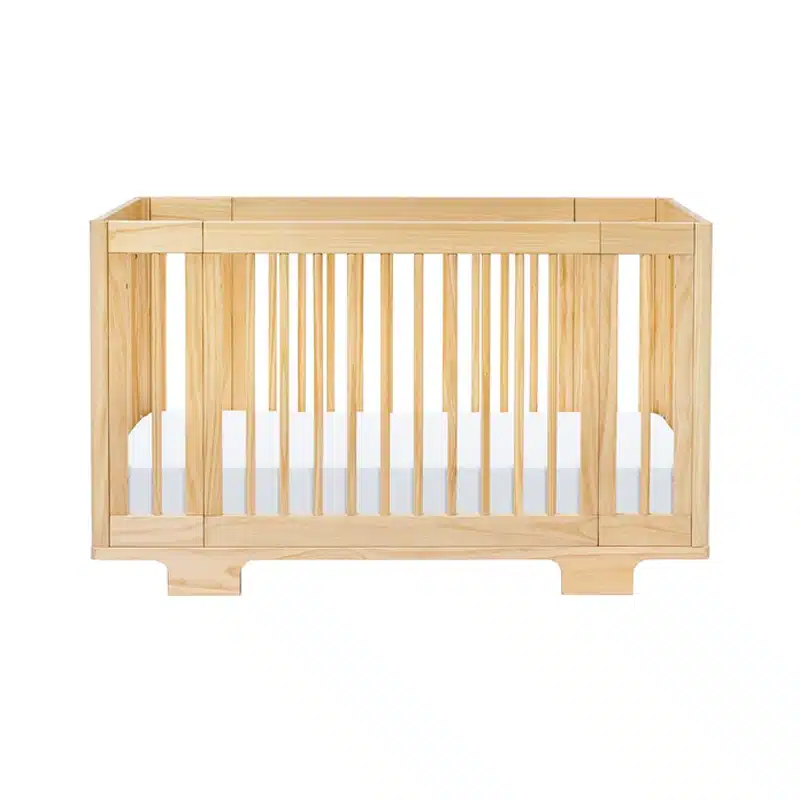
Artist Supply Storage Box
Crafted from solid wood, this crib offers a minimalist design with a sturdy frame for daily use. Its smooth edges and open design provide easy cleaning and a safe resting space for infants. View More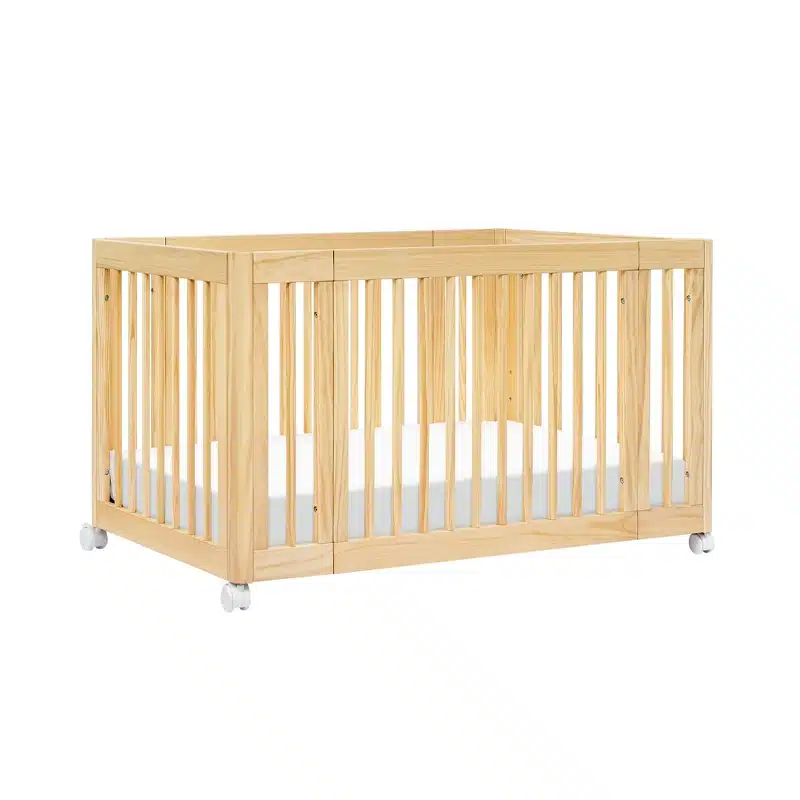
Movable Crib
Combining mobility and convenience, this crib is equipped with smooth-rolling casters, making it easy to transport between rooms. The robust construction ensures it remains a reliable solution for childcare needs. View MoreBenefits of Cribs
Cribs are a safe and secure resting place for infants and toddlers, ensuring they can sleep soundly during naptime. The benefits of using cribs in classrooms are multifaceted, offering both practical and psychological advantages:
Safety
Cribs are designed to minimize risks, providing children with a controlled environment where they can nap without the hazards of rolling off a bed or being exposed to unsanitary surfaces.
Comfort
High-quality cribs feature supportive mattresses that help children sleep peacefully, which is essential for their development and well-being.
Convenience
Cribs can help keep the classroom organized by creating a designated space for nap time, allowing children to rest without disrupting activities in the rest of the room.
Hygiene
Cribs often come with materials that are easy to wipe down, reducing the spread of germs, which is crucial in a classroom setting.
Tips for Choosing a Crib
Safety
When selecting a crib for your classroom, the number one priority should always be safety. Ensure the crib meets the latest safety standards set by regulatory bodies like the Consumer Product Safety Commission (CPSC). This includes sturdy construction, non-toxic materials, and secure locking mechanisms.
Fixed Sides
Cribs with fixed sides offer more excellent stability than those with drop-down sides. Drop-down sides can pose safety risks, particularly when the mechanisms wear out or malfunction. Fixed sides provide a secure, unmovable barrier, minimizing any chance of the crib collapsing.
Durability
Classroom cribs need to withstand a lot of use. Look for cribs made from sturdy materials, such as solid wood or steel, and avoid models that may wear out quickly due to constant movement or cleaning.
Materials
Look for cribs made from non-toxic, child-safe materials. Solid wood is a common and reliable material, but ensure it's free of harmful chemicals like lead-based paint. Some cribs also feature eco-friendly materials, which can be an excellent choice for sustainable classrooms.
Versatility
Opt for cribs that offer versatility, such as convertible models. Convertible cribs can be used for infants, toddler beds, daybeds, or full-sized beds. This adaptability can help maximize the longevity of the crib, making it an excellent long-term investment for your classroom.
Balance of Form and Function
The crib should fit seamlessly into the classroom's aesthetic while providing functionality. Consider the overall decor and choose a crib that complements your space without sacrificing practicality.
Room Size
Make sure the crib you select is the right size for your classroom. Space-efficient cribs that can fold or stack may be ideal for smaller rooms, while larger spaces may accommodate full-sized cribs with extra features like storage or adjustable heights.
Size and Spacing
Ensure that the crib is appropriately sized for the children in your classroom. The crib should provide enough space for the child to move comfortably without being too spacious, as this can make them feel insecure. Also, check the spacing between the crib slats to avoid safety hazards.
Get a Free Quote NowTypes of Cribs

Traditional Cribs
Traditional cribs are the classic choice. They are generally made of wood or metal, providing children with a sturdy and secure environment. They often feature adjustable mattress heights, allowing you to change the crib’s setup as the child grows. The downside is that they can be heavy and bulky, making them harder to move around.
Pros:
- Sturdy and secure
- Adjustable mattress height
- Available in various styles
Cons:
- Can be bulky
- Often fixed, making mobility difficult
Folding Cribs
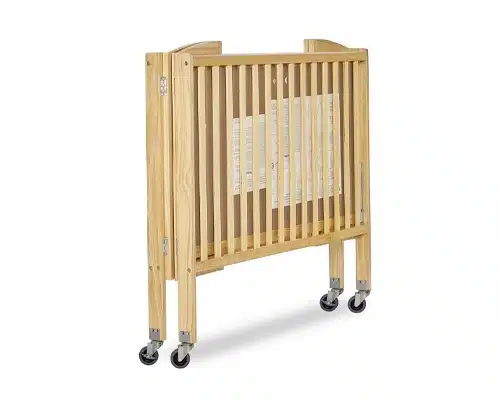
Folding cribs are ideal for classrooms with limited space or where cribs need to be moved or stored regularly. These cribs fold quickly and can be stored away when not used. However, they may not be as durable as traditional models, and the folding mechanism can sometimes wear down over time.
Pros:
- Easy to fold and store
- Great for small classrooms
- Portable and versatile
Cons:
- Less durable
- It may not have adjustable features

Mini Cribs
Mini cribs are compact and space-saving. They are designed for smaller spaces and can be an excellent option for classrooms with limited room. However, they tend to have smaller sleeping areas, so they may not be suitable for older toddlers.
Pros:
- Compact and space-saving
- Ideal for small classrooms
- Easier to move around
Cons:
- Limited sleeping area
- It may not be as comfortable for older children

Travel Cribs
Travel cribs are designed for easy portability, making them an excellent option for temporary setups or field trips. These cribs are lightweight, foldable, and easy to carry, but they may not offer the same long-term comfort or durability as traditional cribs.
Pros:
- Extremely portable
- Ideal for short-term use
- Easy to set up and fold down
Cons:
- Less durable for long-term use
- Not as comfortable as permanent cribs

Convertible Cribs
Convertible cribs are highly versatile and designed to grow with the child. They can often be transformed from a crib to a toddler bed, daybed, or even a full-size bed. They tend to be more expensive upfront but offer long-term value.
Pros:
- Grows with the child
- Long-lasting investment
- Versatile design options
Cons:
- Higher initial cost
- It can be bulky in smaller rooms

Evacuation Cribs
Evacuation cribs are specially designed for emergencies, allowing caregivers to move children from one location to another quickly. These cribs typically have wheels, making them easy to roll in case of evacuation, and may have reinforced structures for added safety.
Pros:
- Designed for emergencies
- Quick mobility in critical moments
- Often made with reinforced materials
Cons:
- More expensive
- Less suitable for everyday use
Crib Safety Guidelines
Pull-Down Sides
Avoid cribs with pull-down sides as they can pose a suffocation or entrapment hazard. These types of cribs are generally no longer recommended due to safety concerns.
Make Sure the Mattress Fits
Ensure the mattress fits snugly in the crib with no gaps around the edges. A gap between the mattress and crib can pose a suffocation risk.
Materials
Always choose cribs made with non-toxic, lead-free materials. Children spend much time in close contact with their cribs, so the materials must be safe.
Check for Firmness
The mattress in the crib should be firm to prevent suffocation hazards. A soft mattress can lead to re-breathing carbon dioxide or suffocation.
Safe Decor
Avoid hanging objects like mobiles or decor near the crib that could fall into the crib or cause entrapment. Safe decor should always be kept away from the crib.
Slat Spacing
Check that the spacing between the crib slats does not exceed 2 3/8 inches. This ensures the child cannot fit their head or body through the slats, reducing the risk of entrapment.
Crib Accessories
Crib accessories play a vital role in enhancing a crib's safety, comfort, and convenience. While cribs are designed to ensure safety, the right accessories can add extra comfort and practicality to your classroom. Here are some of the must-have crib accessories to consider:
- Mattress Protectors: A mattress protector ensures the mattress stays clean and adds a layer of safety. It prevents moisture from seeping into the mattress, which could lead to mold or discomfort.
- Crib Bumpers: While many cribs still feature bumpers, modern safety standards often advise against their use due to suffocation risks. Instead, opt for breathable mesh bumpers if needed for added protection.
- Crib Skirts: These are purely decorative, but they can hide any storage or make the crib appear more cohesive with the classroom décor.
- Crib Sheets: Unlike fitted sheets, crib sheets are often larger and can be used for additional comfort and warmth. They are made from soft materials that help create a cozy environment for babies.
- Crib Mobile: Mobiles hanging above the crib can be decorative and soothing for infants. They often feature soft music or gentle movements to help children fall asleep.
- Crib Mattress Pads: Adding a soft mattress pad can increase the comfort level of the crib. Opt for hypoallergenic and easy-to-clean options for better hygiene.
Crib Materials
The materials used to make cribs are essential in ensuring safety, comfort, and durability. Below is a table that compares common crib materials, highlighting the pros and cons of each.
| Material | Pros | Cons |
|---|---|---|
| Wood | - Strong and durable - Offers a classic aesthetic - Environmentally friendly options | - Can be heavy - May need occasional maintenance to prevent splinters |
| Metal | - Easy to clean - Lightweight - Often comes with lockable wheels | - Less aesthetically pleasing - Can rust if not cared for properly |
| Plastic | - Affordable - Lightweight and portable - Easy to clean | - May not be as durable - Can feel flimsy compared to wood or metal options |
| Composite Wood | - More affordable than solid wood - Can have a similar look to wood - Light and durable | - May not be as strong as solid wood - Can emit fumes due to the chemicals used in production |
| Bamboo | - Eco-friendly - Strong and durable - Naturally resistant to moisture | - More expensive - Can be heavy |

Different styles and designs of Montessori beds
Our Montessori Beds are available in various styles and configurations to meet the needs of different kindergarten and children’s stages of development. Choose from low-profile wooden Montessori Beds designed for easy access, perfect for toddlers learning independence. We also offer convertible Montessori Beds, which transition from toddler to twin, providing long-term usability. Crafted from durable, child-safe materials, our beds are built to provide both comfort and safety. Our Montessori beds come in various sizes and custom designs to meet your classroom’s needs.

Montessori House Bed
A charming design with a house-shaped frame, this bed encourages imaginative play and independence for little ones. Its low-profile structure ensures safety while creating a cozy, inviting space for rest or play. View More
Twin Tent Bed
With a playful tent-like design, this bed combines function and creativity, making it perfect for adventurous sleepers. The open slats provide ventilation and visibility, while the sturdy wooden frame ensures long-lasting use. View More
Toddler Floor Bed Frame
Featuring a minimalist yet functional design, this floor bed offers an easy transition for toddlers to sleep independently. The low height and secure railings make it safe and practical for everyday use. View More
Floor Bed With Guardrail
This floor bed offers both style and safety with its high guardrails and elegant frame. The spacious design provides a comfortable sleeping area, while its sturdy construction ensures stability for growing children. View More
Toddler Floor Beds
Designed for safety and simplicity, this toddler bed is ideal for creating a calm sleeping space. The smooth edges and low-to-the-ground design provide peace of mind for parents and comfort for little sleepers. View More
Single Floor Bed
A spacious and practical option, this single floor bed offers a cozy sleeping surface while blending seamlessly with modern interiors. Its sturdy construction and protective railings make it a reliable choice for young children. View More
Montessori Floor Bed
Combining practicality and sleek design, this Montessori-inspired bed promotes independence and a sense of adventure. The natural wood finish enhances its aesthetic appeal, making it a great fit for any child’s room. View More
House Bunk Bed
Perfect for maximizing shared spaces, this bunk bed combines functionality with a playful house-shaped frame. It’s equipped with safety rails and a built-in ladder, providing both fun and secure sleeping arrangements for siblings. View MoreWhat is a Montessori Bed?
A Montessori bed is a type of child’s bed designed to adhere to the principles of the Montessori method. This educational philosophy values independence, respect, and freedom of choice for children. Unlike traditional cribs or beds with high sides, Montessori beds are typically low to the ground, making it easier for children to get in and out of bed by themselves.
The goal of a Montessori bed is not just to provide a comfortable sleeping space but also to promote autonomy and self-regulation. Children using Montessori beds are encouraged to explore their environment, make decisions, and develop independence from a young age.
Key Features of Montessori Beds
Montessori beds come in various designs, but they all share a few key characteristics that make them unique. Understanding these features will help you choose the best bed for your child.
Low-Profile Design
One of the most distinctive features of a Montessori bed is its low-profile design. These beds are typically placed close to the ground, allowing your child to climb in and out without assistance. This promotes independence as children can decide to sleep, get up, or rest without relying on an adult. The low height minimizes the risk of injury, as children are less likely to fall from a high distance.
Natural Materials
Montessori beds often use natural, sustainable materials like solid wood. This aligns with the Montessori philosophy of using simple, tactile materials that foster a sensory-rich environment. Natural wood also creates a warm, calm atmosphere in the room, which can aid in creating a peaceful, safe space for your child. Be sure to choose beds made from non-toxic materials with a natural finish that is safe for young children.
Simple and Practical
The simplicity of Montessori beds makes them highly functional. Unlike traditional beds with complex designs and elaborate features, Montessori beds are straightforward and practical. Most Montessori beds have minimal decoration, which creates a more serene environment and ensures fewer distractions for the child. The minimalist design allows for flexibility, allowing you to add various elements such as curtains, rugs, or storage without overwhelming the room.
Freedom of Movement
Montessori beds allow children to move freely within their space, which is key for developing motor skills and coordination. With a low bed, children can roll, sit up, and even play on the bed without restriction. The freedom to move in and out of bed without barriers gives children a sense of control over their environment, which can help build self-confidence.
Benefits of Montessori Beds
Choosing a Montessori bed offers several benefits for your child’s development. These beds are designed not only for comfort but to support key developmental milestones. Here’s why a Montessori bed is an excellent choice:
Promotes Independence
The low height and open design of a Montessori bed allow children to get in and out on their own. This level of independence is invaluable in building confidence and self-sufficiency.
Encourages Responsibility
With access to their bed and surroundings, children are given the opportunity to take responsibility for their own sleep environment.
Improves Physical Development
Since children are encouraged to move freely in and out of bed, their motor skills are enhanced. The bed’s accessibility also allows for better coordination and balance.
Creates a Calm, Orderly Environment
The minimalist design fosters a sense of peace and calm in the child’s room. The simplicity of the bed reduces overstimulation, which is beneficial for their overall development and sleep quality.
Promotes Safe Exploration
Montessori beds provide children with the freedom to explore their environment without the constraints of high rails or barriers. This sense of freedom encourages curiosity, leading to healthy cognitive development.
Get a Free Quote NowTypes of Montessori Beds
Montessori beds come in several styles, each catering to different preferences and needs. Let’s explore some of the most popular types.

Traditional Montessori Bed
The traditional Montessori bed features a simple, low platform design with no rails or barriers. The bed is often placed directly on the floor or raised slightly off the ground. This design promotes freedom of movement, allowing the child to explore their environment while maintaining a safe, secure sleep space.

Floor Bed with Rails
The floor bed with rails is an excellent option for families who prefer extra security. This type of bed combines the low height of the traditional Montessori bed with a small rail around the edges to prevent falls. This can be especially helpful if your child is transitioning from a crib and you want to provide them with a sense of security without restricting their movement.

Tent Bed
Tent beds are popular for younger children who enjoy imaginative play. These beds come with a tent or canopy-style structure on top, which creates a cozy, private space for your child. Tent beds can make bedtime feel like an adventure and double as a play area during the day.

House Frame Bed
House frame beds have become increasingly popular due to their whimsical design. These beds feature a house-like frame that adds a touch of imagination to the room. The house frame creates a playful environment, giving the child the feeling of being in their own personal space. This style is especially appealing for children who love pretend play.
How to Choose a Montessori Bed
Selecting the right Montessori bed involves considering several factors. Here’s a breakdown of what you should think about when making your decision:
Safety
Safety is the most crucial factor when choosing a Montessori bed. Ensure the bed has smooth edges, no sharp corners, and a sturdy construction. Check for any small parts or accessories that could be a choking hazard. A low profile is essential for minimizing the risk of falls, and any fabric or material should be free from toxic chemicals.
Size
Consider your child’s age and the space available when choosing the bed size. A toddler-sized or twin bed is often the best option, but you can go for a larger bed if your child is older or the room allows it. Remember, a Montessori bed should allow for growth while maintaining accessibility for the child.
Floor Bed or Bed Frame
You’ll need to decide whether you want a floor bed (no frame) or a bed with a frame. A floor bed offers the most freedom and accessibility, while a bed frame might provide extra storage space and a more defined sleeping area. Both options have advantages, depending on your needs and the room's layout.
Materials and Finishes
Choose materials that align with your values, such as sustainably sourced wood or eco-friendly finishes. Look for natural, non-toxic materials to ensure a safe sleeping environment for your child. Solid wood beds are often the best choice if you're concerned about durability, as they can withstand years of use.
Functionality
Consider how the bed will function in your child’s room. Do you need extra storage space? Montessori beds with storage can be an excellent choice for organizing toys or clothing. Montessori trundle beds are another functional option, providing additional space for sleepovers or guests.
Room Layout
Montessori beds are often simple, but they can be placed in various ways depending on the room's layout. A queen Montessori floor bed might be too large, and a Montessori infant floor bed may be a more practical choice. Plan carefully to ensure the bed fits harmoniously with the room’s overall design.
What Are the Pros and Cons of a Montessori Bed?
Montessori beds have many benefits but are not perfect for every family. Understanding the advantages and disadvantages of a Montessori floor bed can help you make an informed decision.
Pros of a Montessori Bed
- Encourages Independence: One of the most significant advantages of a Montessori bed is that it allows children to get in and out independently. This independence promotes confidence and self-reliance, a cornerstone of the Montessori philosophy.
- Safety:Montessori floor beds are low to the ground, which minimizes the risk of falls, especially when children are just learning to crawl and walk. Many parents opt for a Montessori bed with rails for added security during sleep.
- Promotes Exploration: A Montessori bed frame encourages children to move freely around their room. With beds like the Montessori house bed or Montessori twin bed, children can engage in imaginative play or explore their surroundings without being confined to a crib.
- Better Sleep Habits: Since Montessori beds encourage autonomy, children can get in and out of bed when they feel tired or need to play. This creates a more natural sleep routine and reduces the likelihood of night awakenings.
- Environmentally Friendly: Many Montessori-style beds are made from sustainable and natural materials like wood, which makes them eco-friendly and safe for children.


Cons of a Montessori Bed
- Requires More Space: Montessori floor beds take up more room than cribs because they are designed to be placed on the floor. This can be problematic in smaller rooms where space is limited.
- Not Ideal for Younger Infants: While a Montessori infant bed is excellent for promoting independence, it may not provide the security and restraint needed for infants still learning to sleep through the night without assistance.
- Risk of Night-time Accidents: If you have a toddler who is still adjusting to sleep habits, the open structure of a Montessori bed can increase the risk of wandering or accidents during the night.
- Higher Initial Investment: Montessori beds, especially models like the Montessori house bed or Montessori twin bed, can be more expensive than traditional cribs, which may be a barrier for some families.
Differences Between a Montessori Bed and a Regular Crib
| Feature | Montessori Bed | Regular Crib |
|---|---|---|
| Design | Low to the ground, simple, encourages independence | High sides to prevent the child from climbing out |
| Accessibility | Child can get in and out of bed independently | Child needs assistance to enter or exit the crib |
| Freedom of Movement | Promotes exploration and autonomy | Limits movement due to high walls and fixed structure |
| Safety | Typically lower risk of falls (especially with rails) | Can be safer for younger infants who cannot escape |
| Size Options | Available in various sizes, | Typically available in one size |
| Materials | Natural wood, non-toxic finishes | Often made of synthetic materials with plastic parts |
| Cost | Can be more expensive, especially with customized designs | Generally more affordable, especially for standard models |
How to Choose the Right Size Montessori Bed
Choosing the right size Montessori bed depends on your child’s age and physical development. Here's a breakdown by age group:

Infants (0 to 6 months)
For infants, a Montessori infant bed may be an ideal choice. This bed type often resembles a bassinet but is low to the ground and made from natural materials. It encourages safety while allowing the child to adjust to a larger, open space. Babies should always be supervised at this stage as they explore their environment.

Crawling Babies (6 to 12 months)
Once babies begin to crawl, they need more space to move around. A Montessori floor bed is a great option. These beds are typically made with soft mattresses that allow crawling babies to move freely without the risk of falling from a traditional crib.

Toddlers (1 to 3 years)
Toddlers benefit from a Montessori toddler bed that allows them to climb in and out as they continue to develop motor skills. These beds are low-profile and are designed to accommodate their growing size while enabling them to maintain independence.

Preschoolers (3 to 6 years)
A Montessori bed frame may be more suitable when your child reaches preschool age. Children are physically more capable at this stage and need a bed to grow with them. A full-size Montessori bed offers a bigger mattress for a more comfortable sleep, allowing them to continue developing independence.

Elementary School Students (6 to 12 years)
For older children, you can opt for a Montessori twin bed or a queen Montessori floor bed for more space. These beds cater to their increasing physical size and can be outfitted with storage for added functionality.

Different types and functions of daycare cots
Our daycare cots provide a comfortable and safe resting space for children in daycare environments. Available in various styles, including classic cot designs, folding cots for easy storage, and space-saving stackable cots, our cots can meet multiple needs in daycare centers. You can choose from various materials, such as durable steel frames, soft fabric coverings, and easy-to-clean surfaces to ensure comfort and hygiene. Our daycare cots come in multiple sizes and colors, providing a reliable solution for every daycare center.
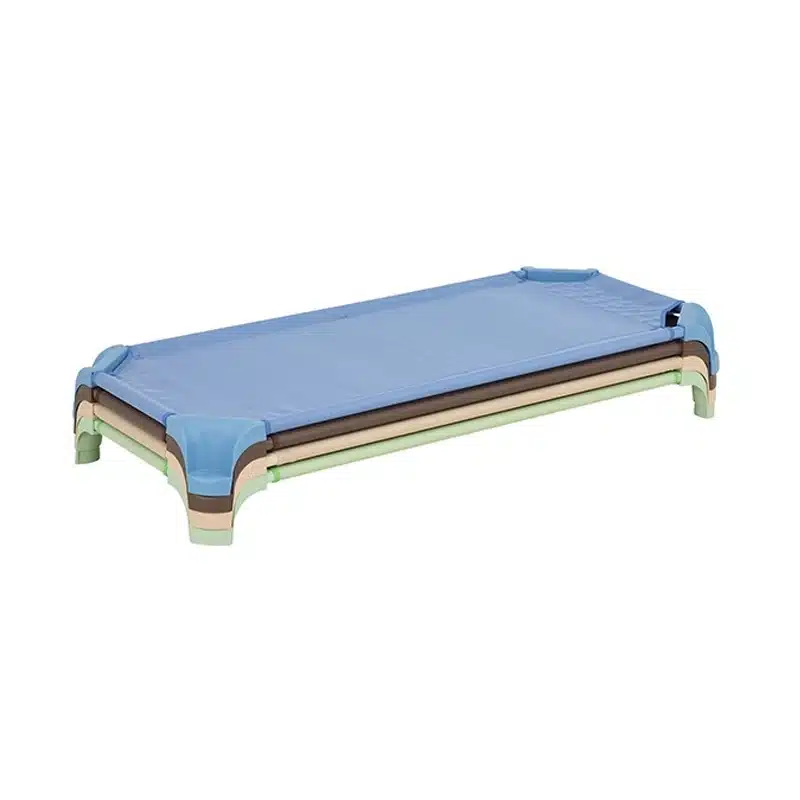
Natural Colors Stackable Daycare Cot
Perfect for young artists, this set includes an assortment of vibrant paintbrushes and spill-proof cups, making it easy for children to explore painting without the mess. Designed to encourage creativity, it’s an excellent choice for home or classroom activities. View More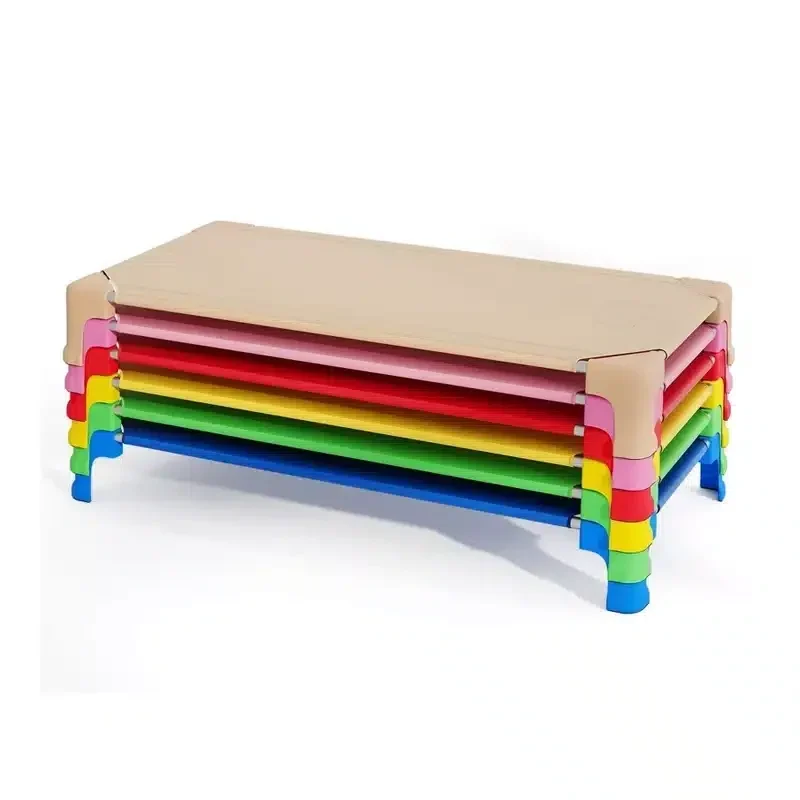
Color Daycare Cots
Large, easy-to-grip crayons provide bold colors and smooth application, ideal for little hands learning to color. Made from non-toxic materials, they ensure safety while offering durability for endless artistic fun. View More
Toddler Cot Bed
Featuring ergonomic shapes and a variety of bold colors, these crayons are washable and safe for toddlers. Their design makes coloring simple and fun, helping young children develop hand-eye coordination and creativity. View More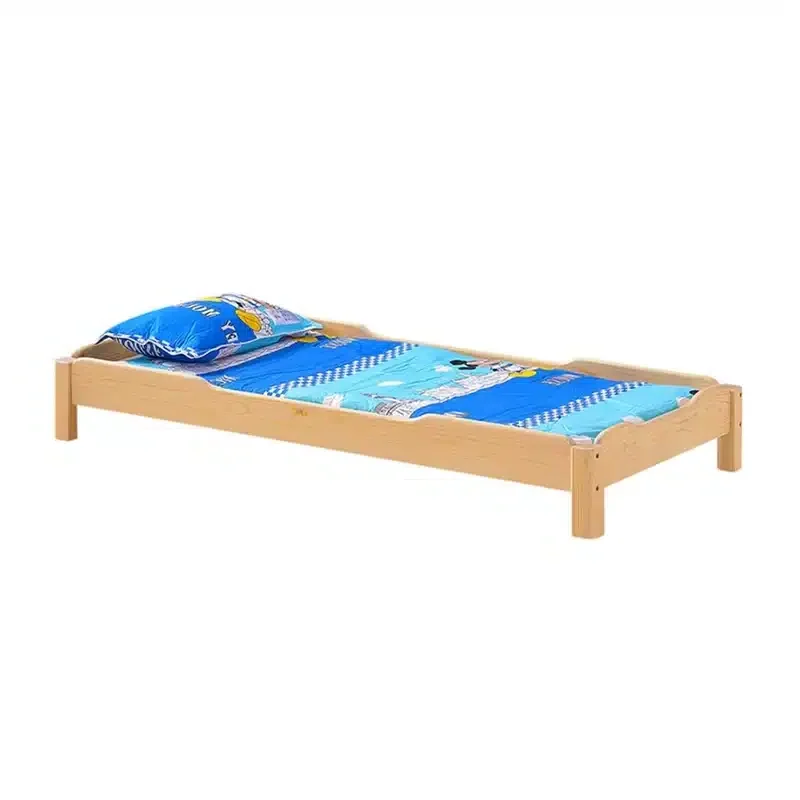
Kids Wood Stackable Bed
Pre-sharpened colored pencils deliver rich, vibrant hues that inspire creativity in children. Durable and easy to use, they’re ideal for school projects or personal artwork, encouraging precision and skill development. View MoreImportant Features to Look for in Daycare Cots
When shopping for daycare cots, you should prioritize several essential features. Here's a look at the key considerations:
Consider Safety Features
The safety of children is always the number one concern for daycare providers. Daycare costs should come with rounded edges to minimize the risk of injury and non-slip feet to prevent the cot from shifting during use. Additionally, cots with built-in rails can help ensure children don't fall off during nap time.
Size and Weight Limits
The right cot size is critical for ensuring a child's comfort and safety. Cots come in various sizes depending on the child’s age, and choosing a cot with an appropriate weight limit is essential. Most daycare cots can handle children up to 50 pounds but always check the specifications.
Easy-to-Clean Materials
Daycare costs are exposed to dirt, spills, and potential accidents. Therefore, choosing cots made from materials that are easy to clean and maintain is crucial. Look for vinyl or wipeable fabric covers that resist stains and are durable enough to withstand frequent cleaning.
Comfort Level
Comfort is equally important, as children spend much of their day resting on daycare cots. Look for cots that are padded or come with an optional mat to provide extra comfort. Additionally, mesh or breathable fabrics can enhance airflow and calm children during naps.
Stackable or Foldable Design
Daycares often deal with limited space. Opting for stackable or foldable cots allows for easy storage when not in use, ensuring you can maximize available space in your facility.
Lifespan
Daycare costs are a long-term investment, so it's essential to consider their durability. High-quality cots from sturdy materials such as metal frames or heavy-duty plastic are more likely to withstand years of use.
Standard Sizes for Daycare Cots
When selecting daycare cots, size is one of the most critical factors, as children of different ages require different cot sizes.
- Infants (Under 2 years) typically need smaller cots around 39 inches in length. Their cots may have additional features like higher sides to prevent rolling out.
- Toddler (2–3 years): Toddler cots are usually around 40 to 45 inches long, offering enough space to stretch out. These are ideal for children who have outgrown their infant cots but still need a compact sleeping space.
- Preschoolers (3–5 years): Preschool-aged children will need larger cots, typically ranging from 50 to 52 inches long. These cots allow for more movement during sleep while still fitting within daycare room spaces.
- School Age (6+ years): For older children, consider extra-large daycare cots or even cot and mat combinations, which offer more room to stretch out.
 Request a Free Quote
Types of Daycare Cots
Different types of daycare cots cater to specific needs. Here are the most common types:

Traditional Daycare Cots
These are the classic models found in most daycare centers. Made with a sturdy frame and fabric sleeping surface, traditional cots are durable, easy to store, and comfortable for children.

Folding Cots
Folding cots are perfect for daycares with limited storage space. These cots can be folded up after use, making storing them easy when not in use. They are also lightweight, which makes them easy to move around.

Raised Cots
Raised cots are slightly elevated off the ground, which offers several benefits. The added height makes them easier for staff to access, especially when helping children in or out of bed. Additionally, raised cots improve air circulation, particularly in warmer climates.

Mesh Cots
Mesh cots offer excellent breathability and comfort. The fabric is typically soft and stretchable, which makes it ideal for napping children. Mesh cots can also help regulate the child’s body temperature, preventing them from becoming too hot during rest.

Portable Cots
Portable cots are lightweight and designed for easy transport. They often come with a carrying case, making them ideal for daycare providers who need to move the cots around or take them to different locations.

Cot and Mat Combinations
This design combines a cot with a sleeping mat, offering a more comfortable sleeping arrangement. Mat combinations are particularly good for younger children who need extra padding or comfort during nap time.
Benefits of Daycare Cots
Daycare cots offer a wide range of benefits that contribute to the well-being of children and the smooth operation of daycare centers:
Promote Better Sleep
With a dedicated place to nap, children can rest and recharge, improving their mood and energy levels.
Hygiene
Many daycare cots are easy to clean, reducing the spread of germs and bacteria.
Space Efficiency
Stackable or foldable cots make it easy to save space, ensuring that every inch of your daycare facility is used effectively.
Durability
High-quality daycare cots are built to last, saving you money in the long run by avoiding frequent replacements.
Safety
With sturdy frames and secure features like side rails, daycare cots provide a safe sleeping environment for children.
Materials Used in Daycare Cots
The materials used in daycare cots significantly affect their comfort, durability, and ease of cleaning. Here are some common materials:
- Metal Frames: These are very durable and offer long-lasting support. Steel is commonly used for its strength and stability.
- Plastic: Lightweight, easy to clean, and resistant to wear and tear.
- Wood: Although less standard, wooden cots are available and are known for their aesthetic appeal and sturdiness.
- Fabric: Many cots use fabric for the sleeping surface, including options like mesh, canvas, or nylon, which are breathable and comfortable.
How to Care for a Daycare Cot
To ensure the longevity and hygiene of your daycare cots, follow these care tips:
- Regular Cleaning: Wipe down the cots regularly with disinfectant wipes to maintain a clean environment.
- Check for Damage: Inspect cots frequently for signs of wear, like loose screws, broken parts, or torn fabric.
- Wash Covers: For cots with removable covers, wash them regularly to keep them free from dirt and allergens.
- Store Properly: If your cots are foldable or stackable, store them in a dry place to avoid damage.
FAQ
1. What is the best type of cot for a daycare?
The best type of cot depends on your daycare’s needs. Stackable cots are popular for their space-saving design while folding cots are easy to store.
2. Can I use the same cots for infants and toddlers?
- Infants may need cots with safety features like side rails or a lower profile, while toddlers can use standard cots. Choose based on the age group you are catering to.
3. Can daycare cots be used for overnight sleeping?
No, daycare cots are designed for naps during the day. For overnight sleeping, cribs or standard beds should be used instead.
4. How do I make my child’s Montessori bed cozy?
Add minimal, safe bedding such as a fitted sheet, light blanket, and pillow. Soft lighting and a cozy rug can also be added for comfort.
5. Can Montessori beds be used for infants?
Montessori beds are generally designed for toddlers and young children. However, a floor bed with a mattress can be a safe option for an infant once they can roll over.
6. Do Montessori beds help with potty training?
Yes! The freedom of movement in a Montessori bed allows children to quickly get in and out of bed when they need to use the bathroom, which can aid in potty training.
7. What is a crib for?
A crib is a safe, enclosed sleeping space for infants designed to keep them secure.
8. Is a crib safer than a bassinet?
Cribs are generally considered safer than bassinets for long-term use because they provide more space and sturdier sides, and they can be used until the child transitions to a toddler bed.
9. When should a baby transition to a crib?
Babies typically transition to a crib around 3 to 6 months, once they’ve outgrown their bassinet or start showing signs of rolling over or becoming too active.
10. What is the difference between Montessori and toddler beds?
A Montessori bed is low to the ground, allowing children to get in and out independently. A toddler bed is usually slightly elevated with guardrails to prevent falls.