
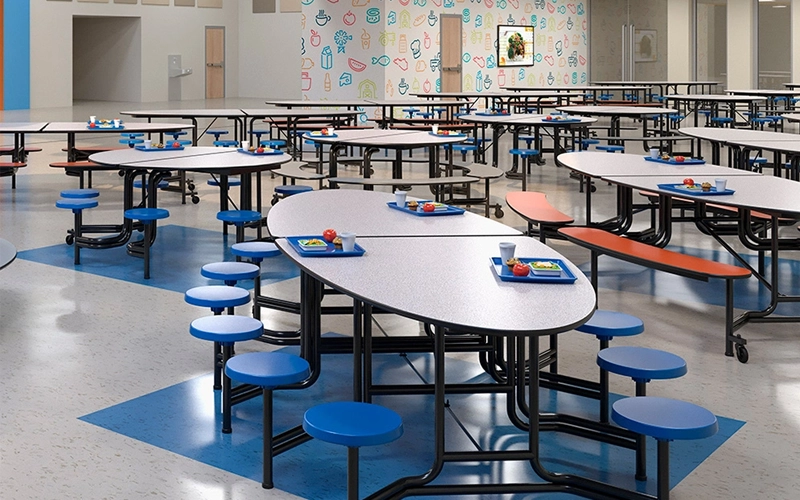
School Cafeteria and Lunch Tables
We provide cafeteria and lunch tables for schools of all sizes, creating comfortable, sanitary, and efficient dining spaces. From folding lunch tables to mobile benches, whether you require space-saving designs, ADA-compliant options, or custom finishes, we offer reliable dining furniture solutions.
Versatile School Cafeteria and Lunch Tables
Our school cafeteria and lunch tables are designed for high-traffic school environments, combining functionality, safety, and durability. From classic rectangular bench tables to mobile folding tables and round chairs, we offer a variety of sizes, seating capacities, and materials to meet diverse needs. Our school cafeteria and lunch tables are designed for high-traffic school environments, combining functionality, safety, and durability. From classic rectangular bench tables to mobile folding tables and round chairs, we offer a variety of sizes, seating capacities, and materials to meet diverse needs.
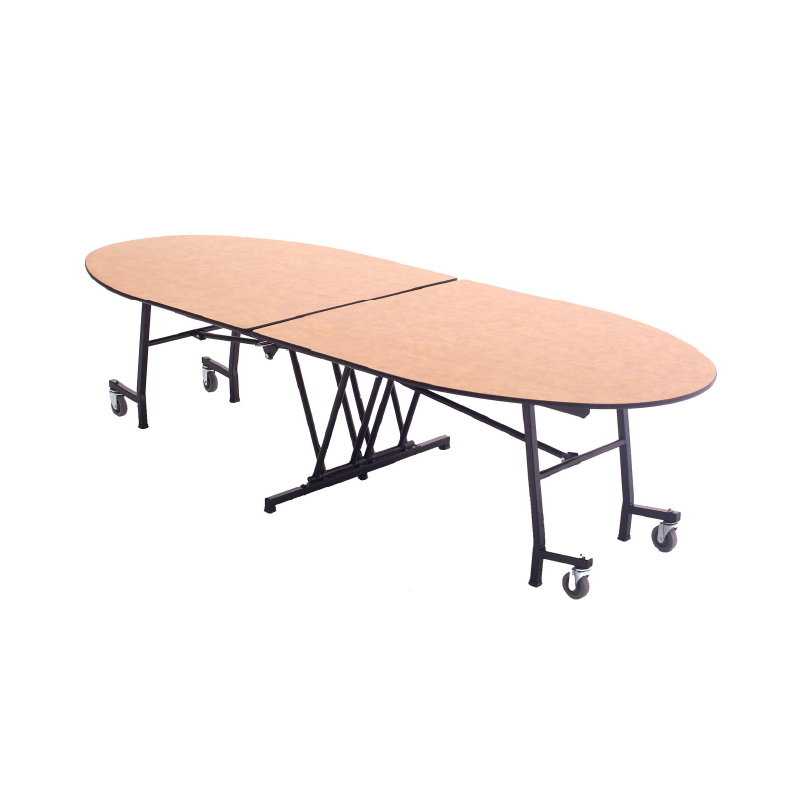
Folding Cafeteria Tables
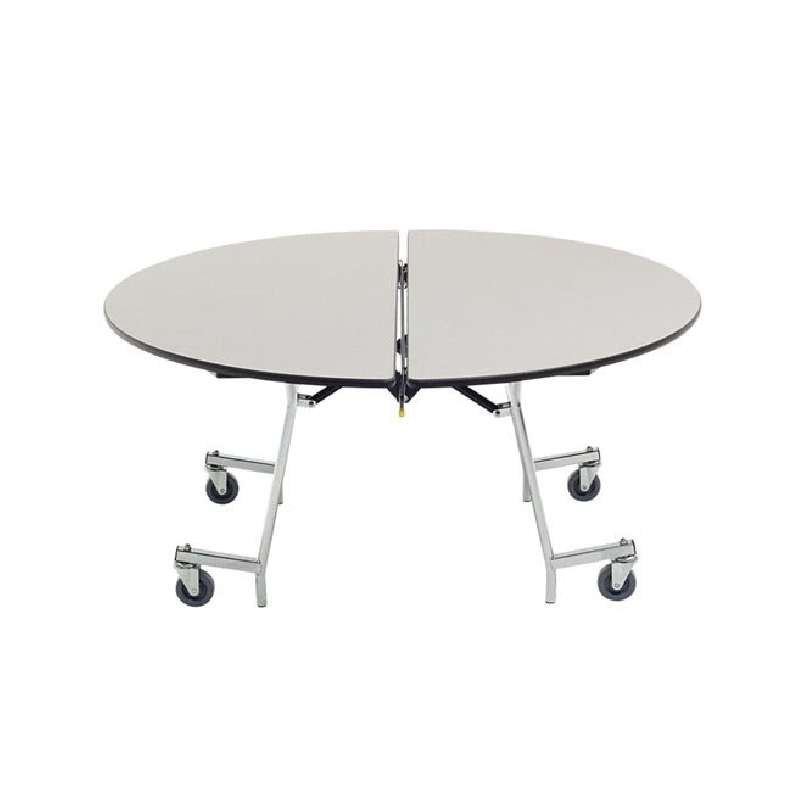
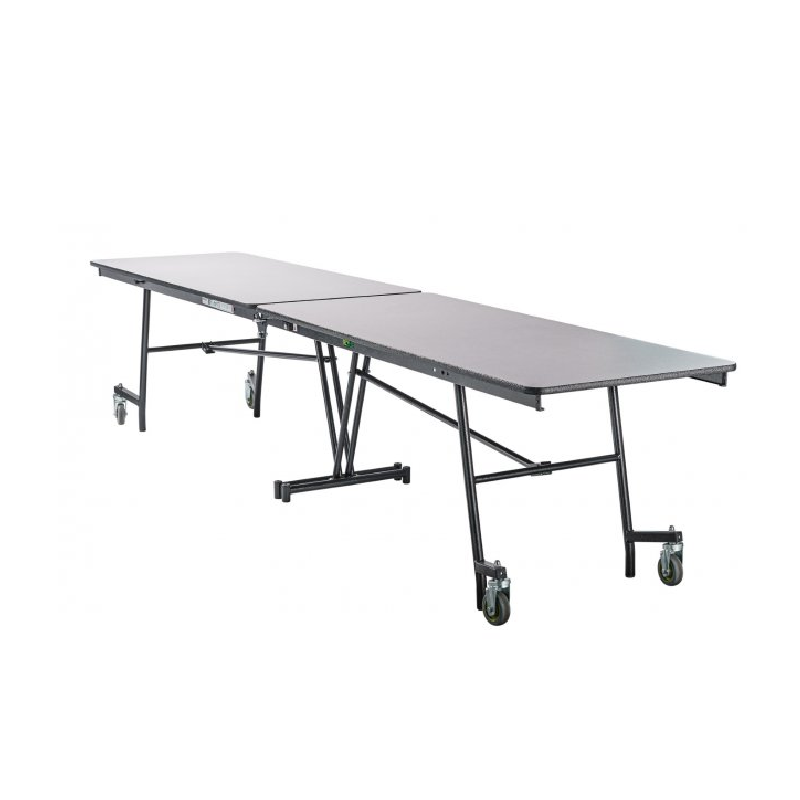
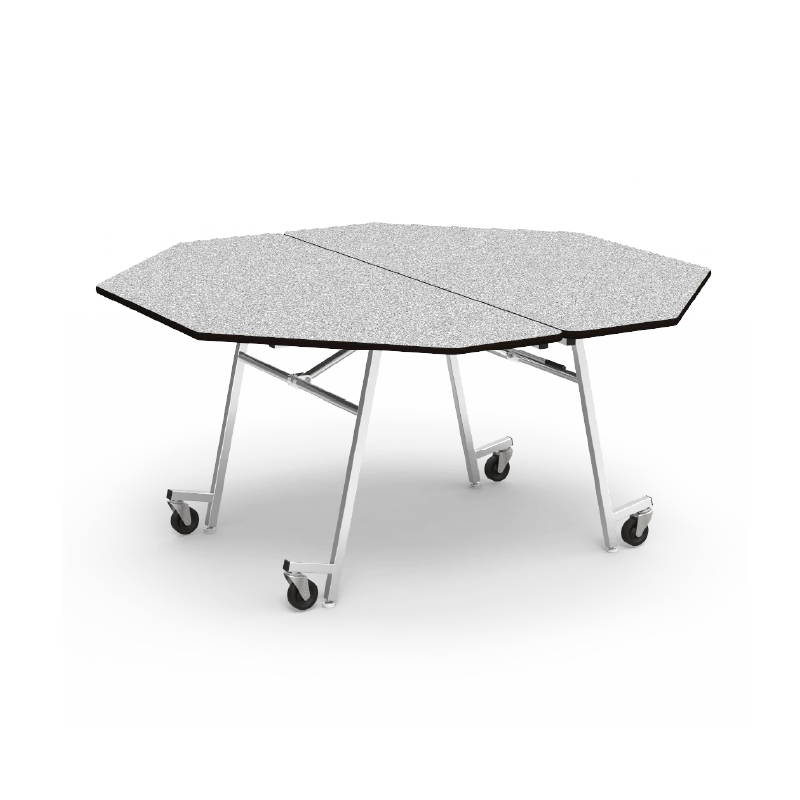
Space-saving and easy to store, these tables are perfect for schools that need quick setup and takedown. Available in multiple sizes and configurations with or without attached seats.
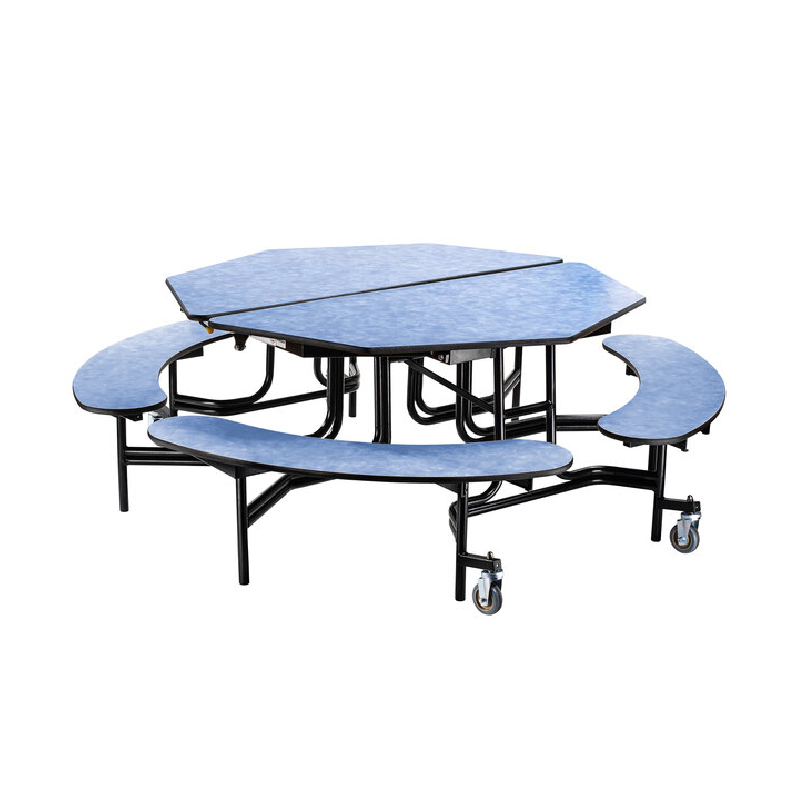
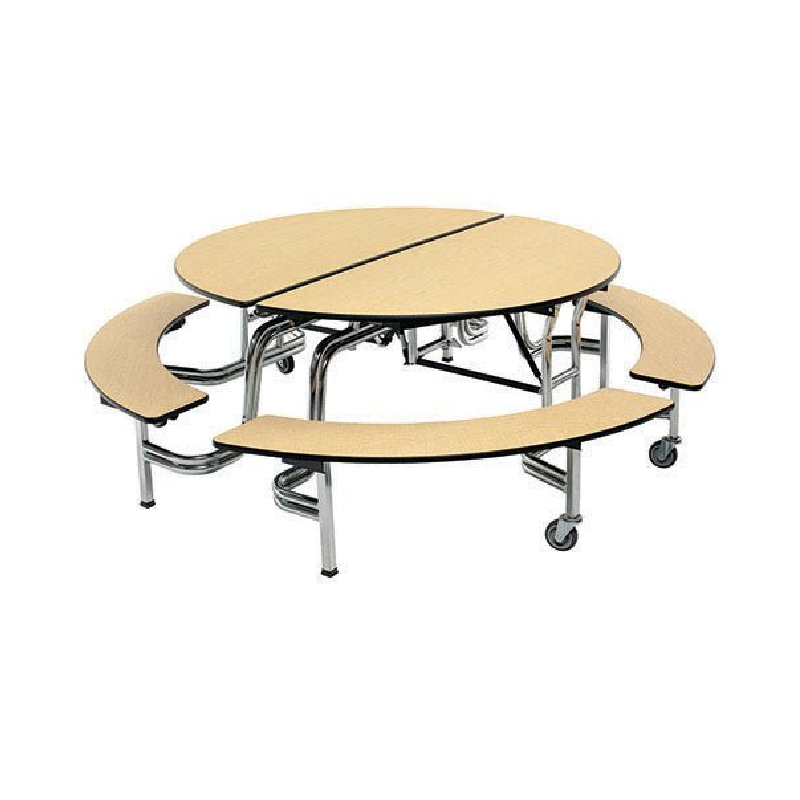
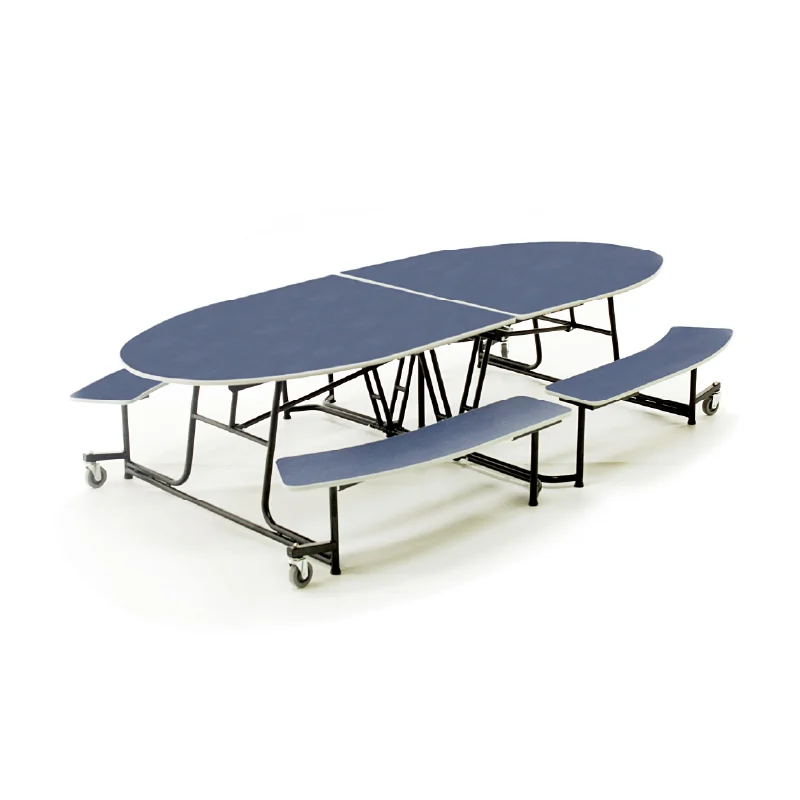
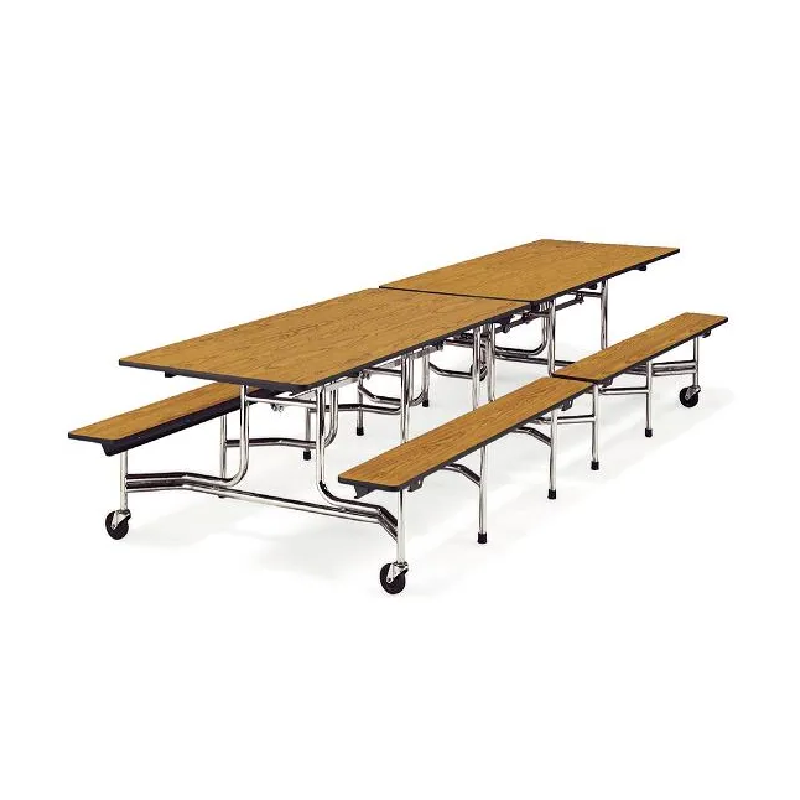
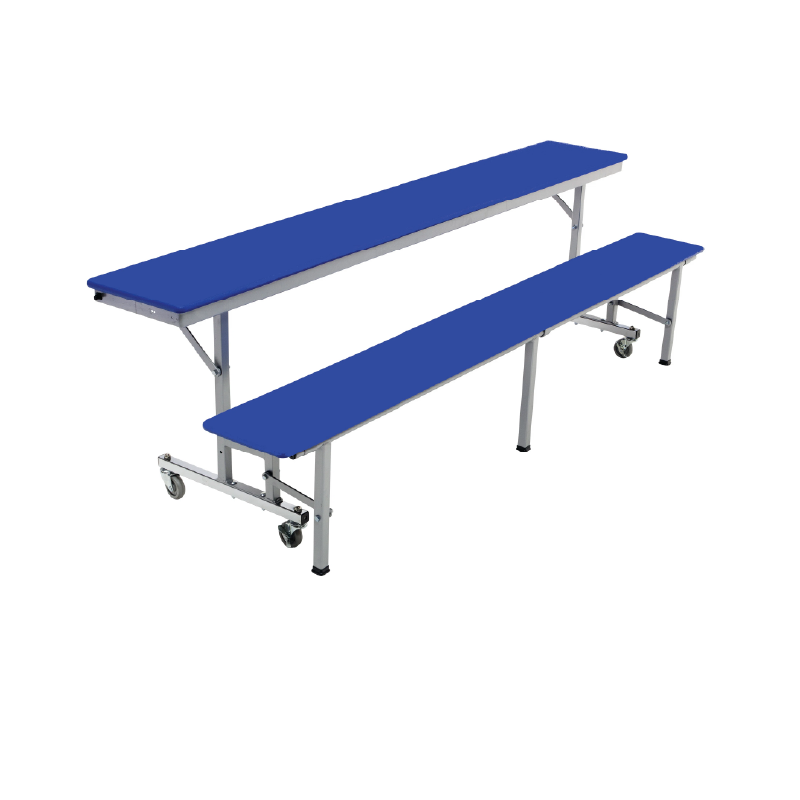
Mobile Bench Tables
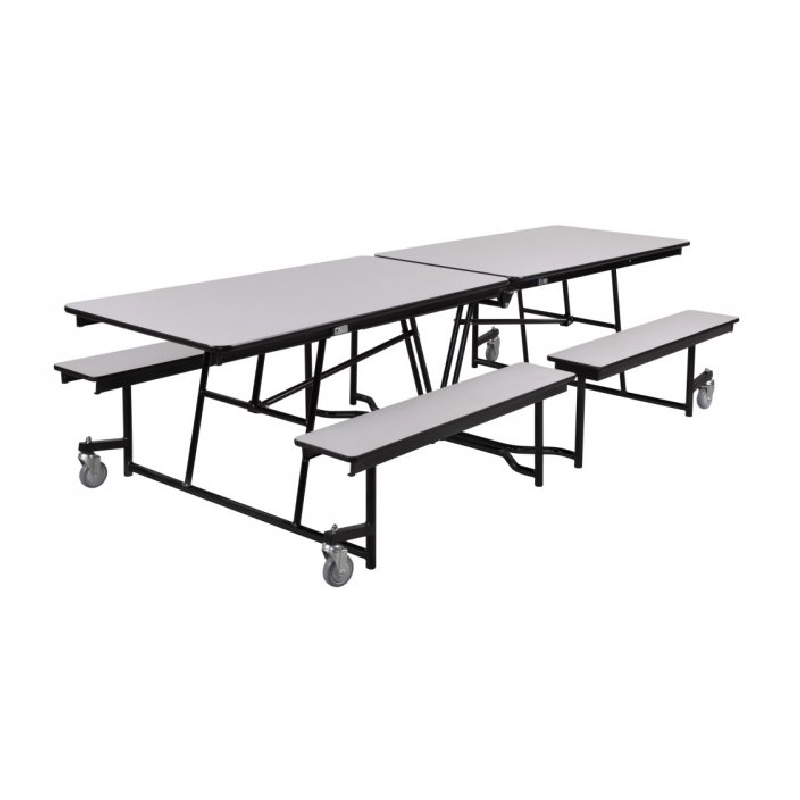
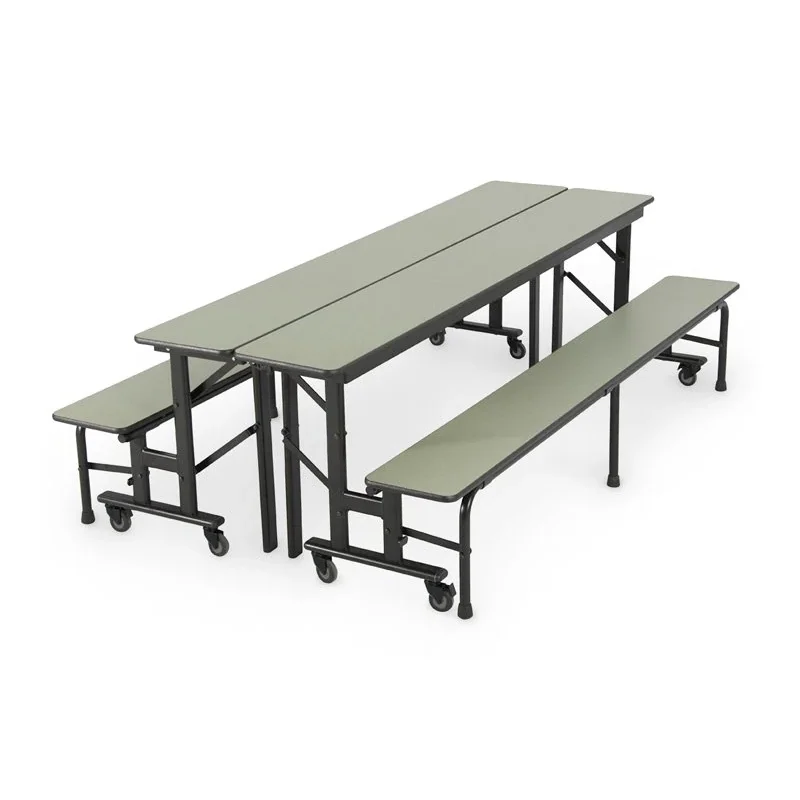
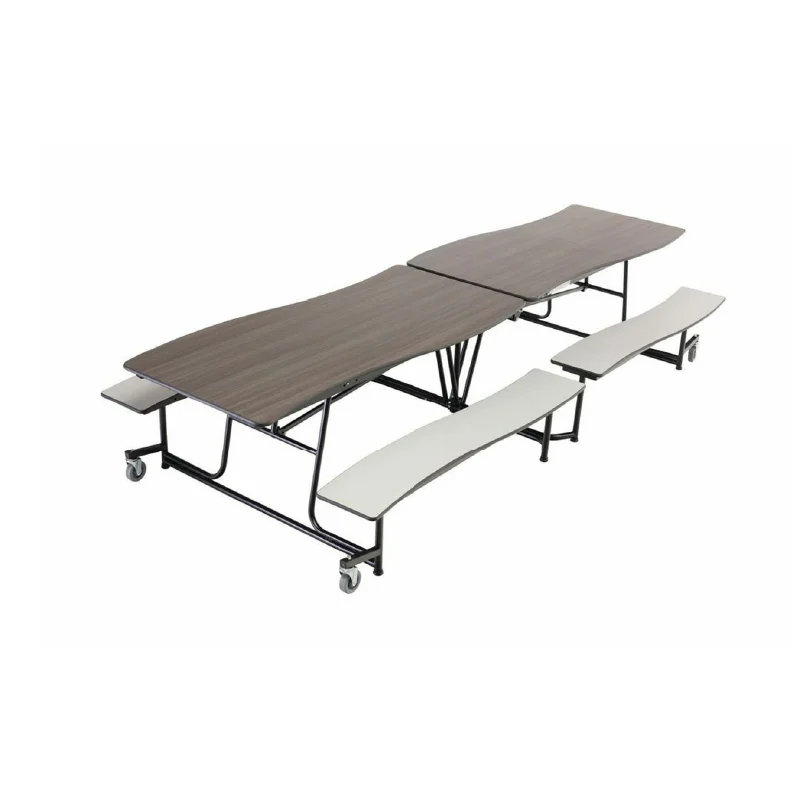
Designed for high-traffic lunchrooms, mobile bench tables feature fixed bench seating and easy-roll casters. They streamline setup, cleanup, and storage while promoting group seating.
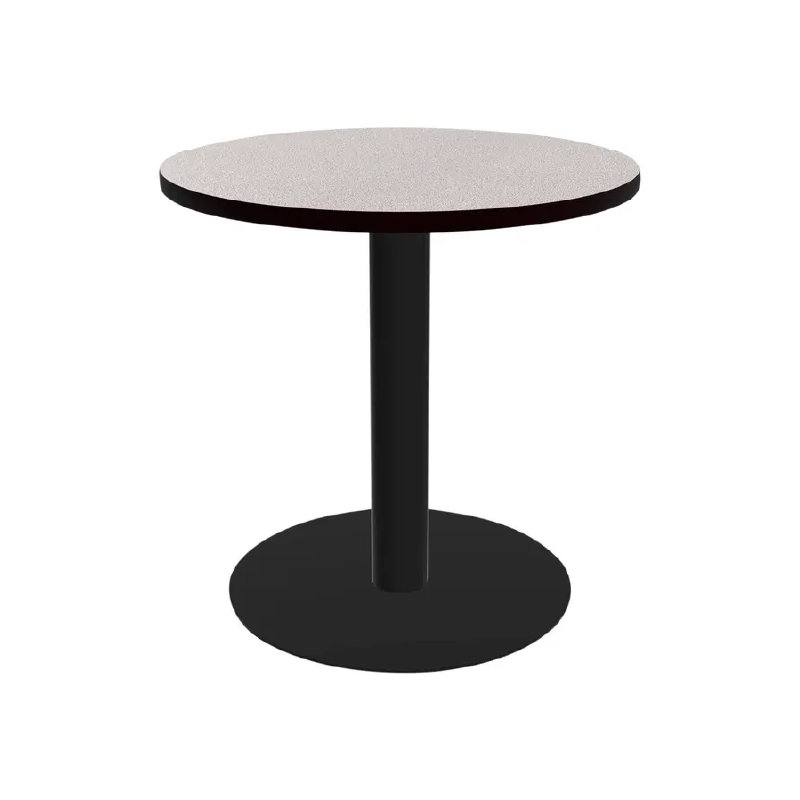
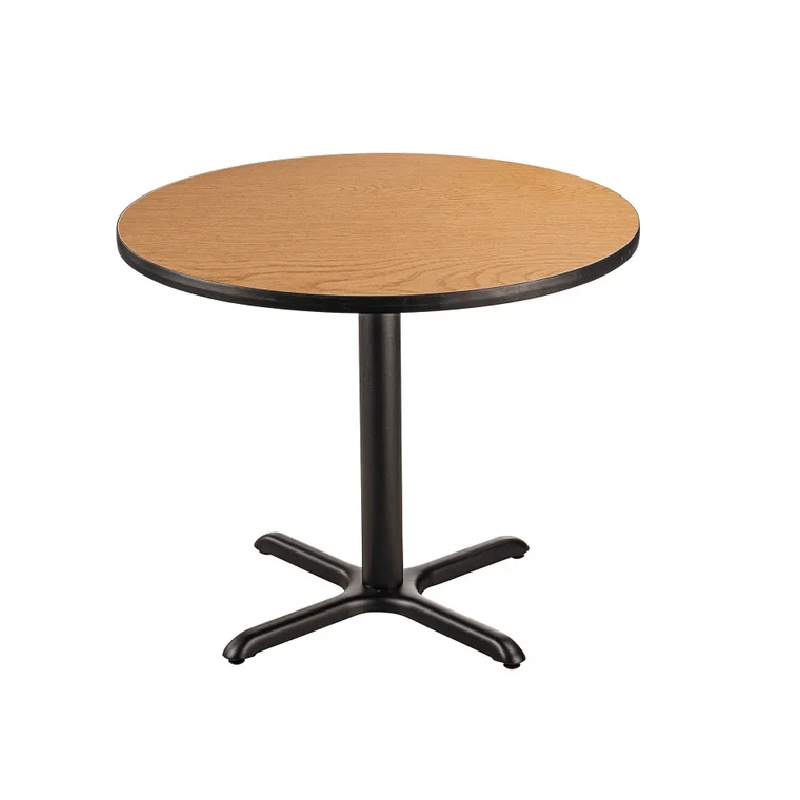
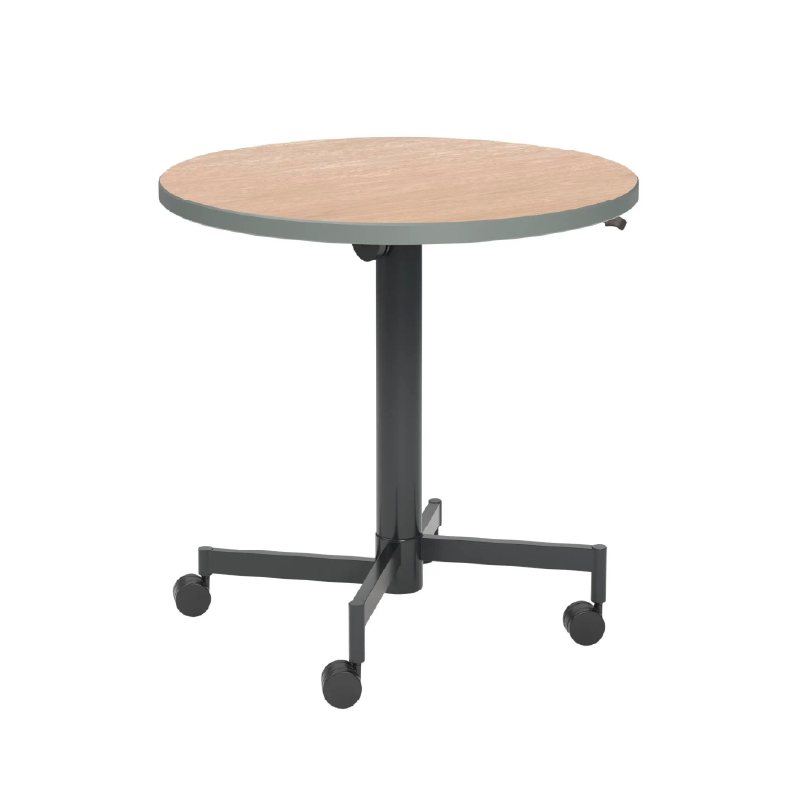
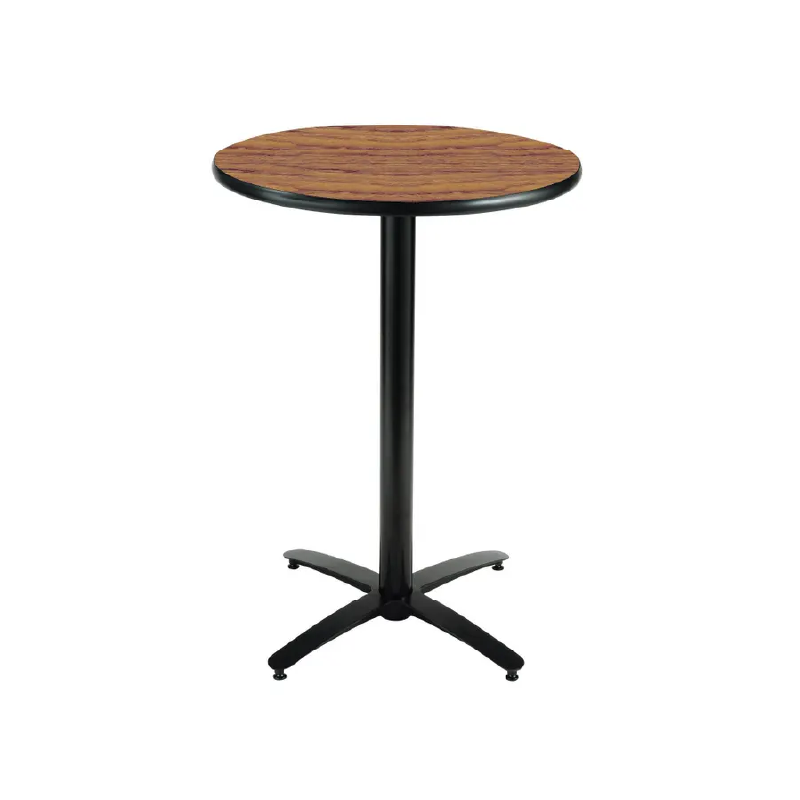
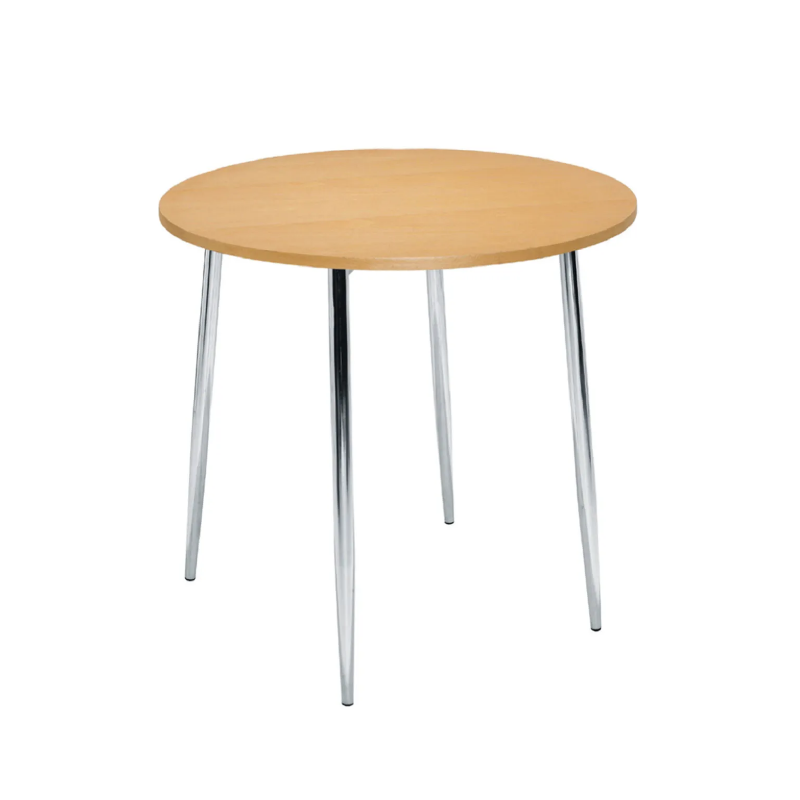
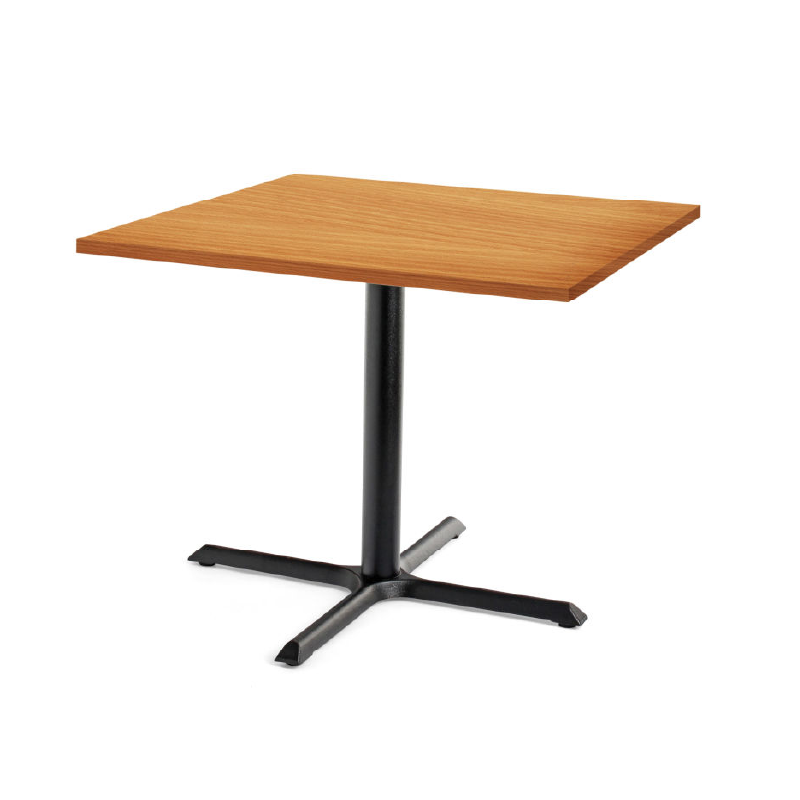
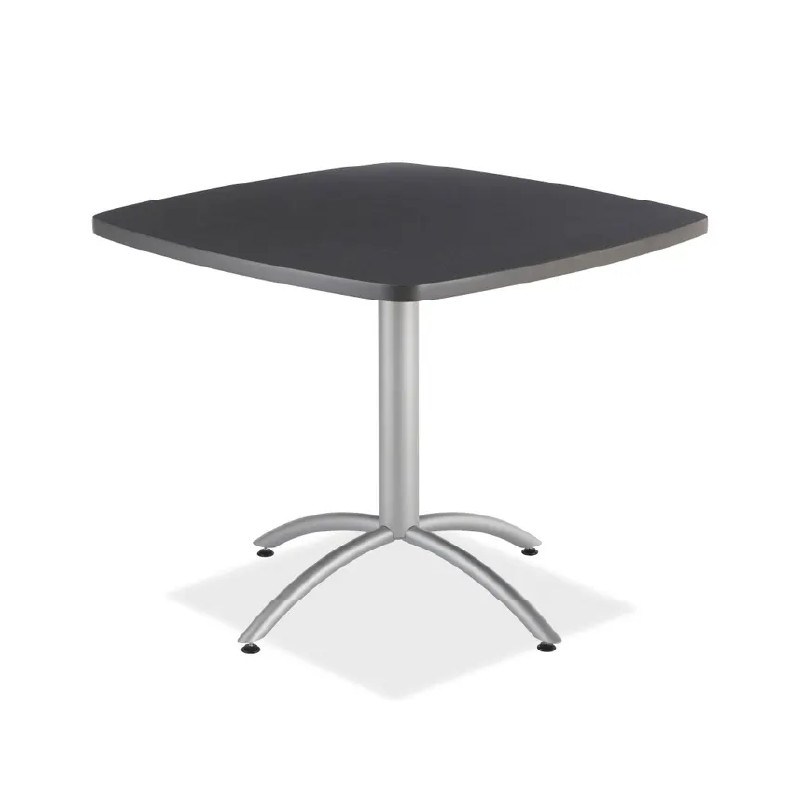
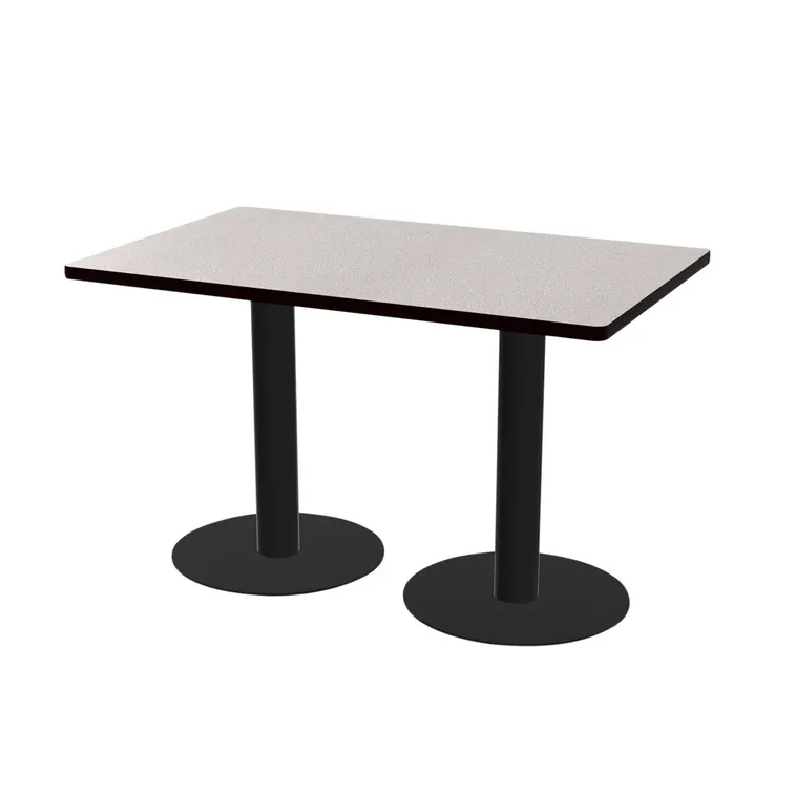
Bistro and Coffee Tables
Modern, compact, and versatile—these smaller tables are perfect for staff lounges, student cafés, or break areas. Available in a variety of finishes to match school interiors.
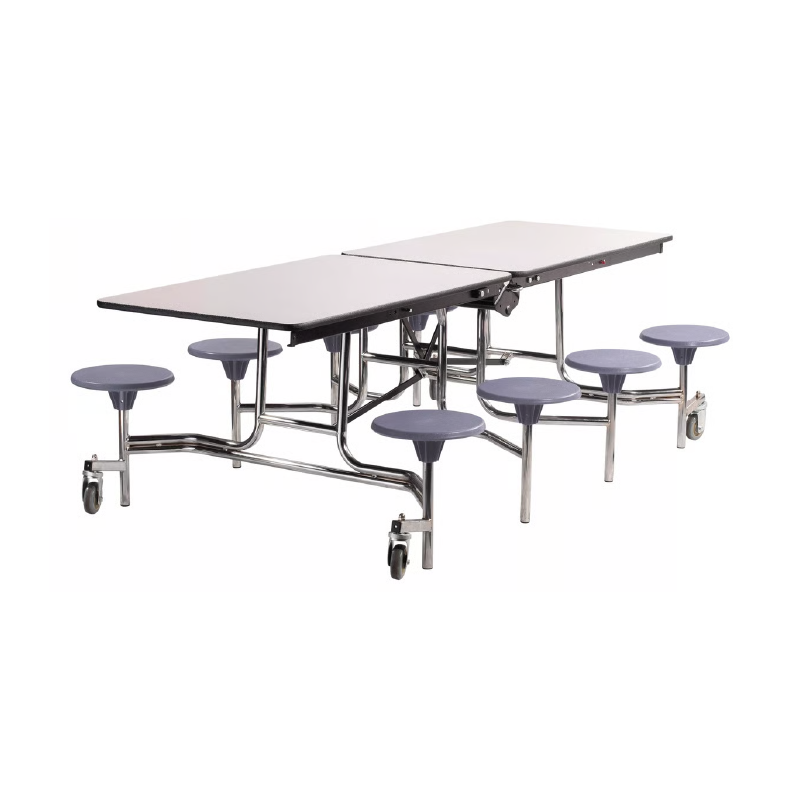
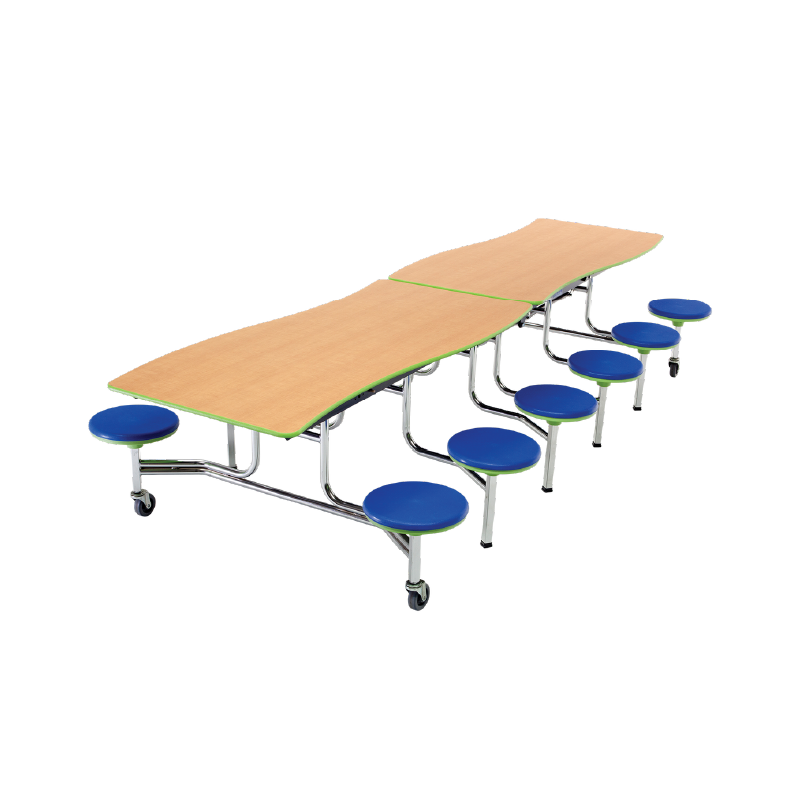
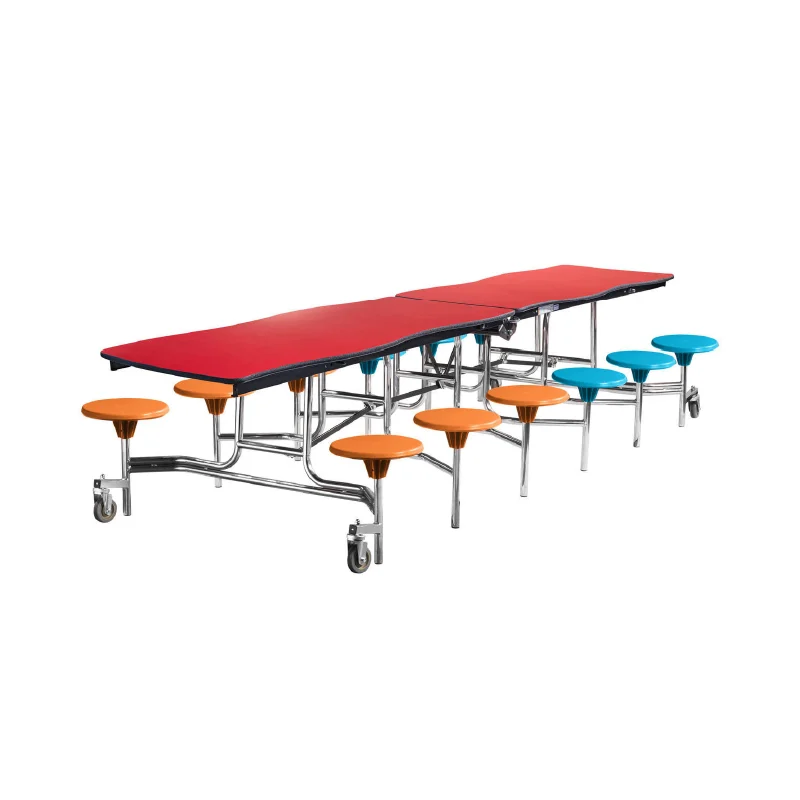
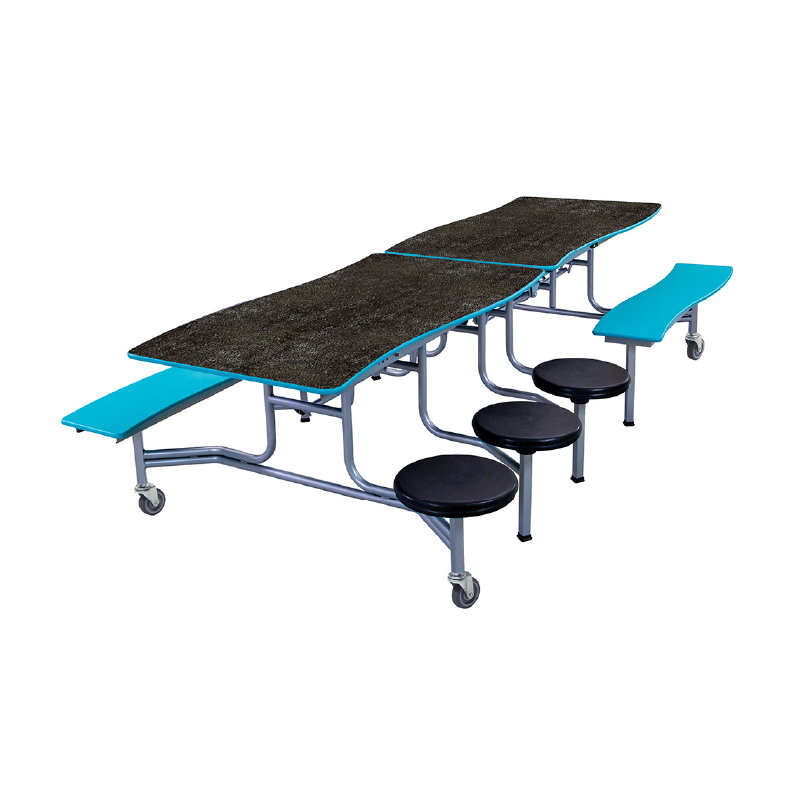
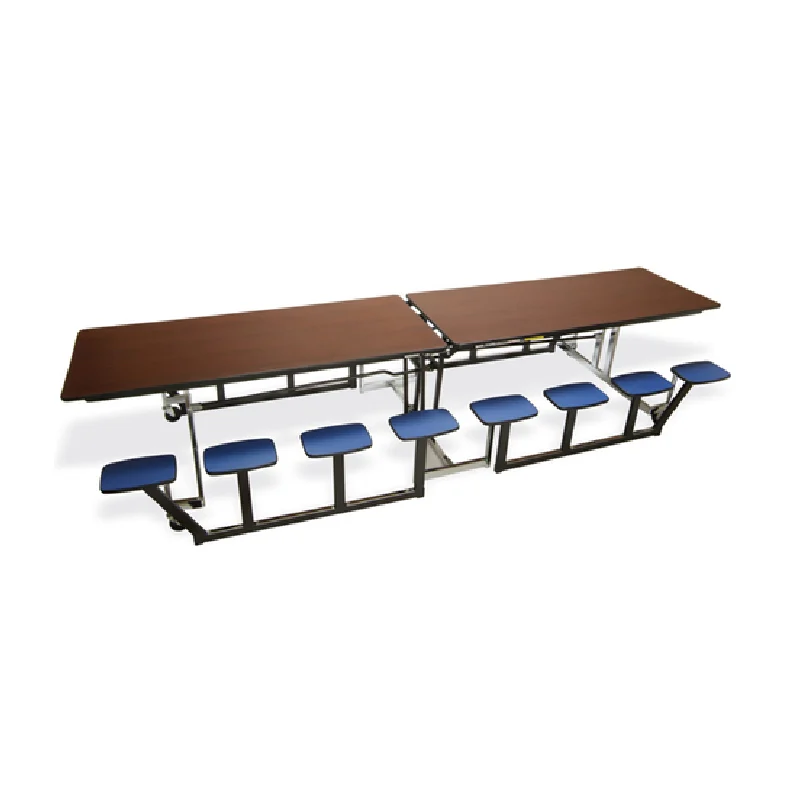
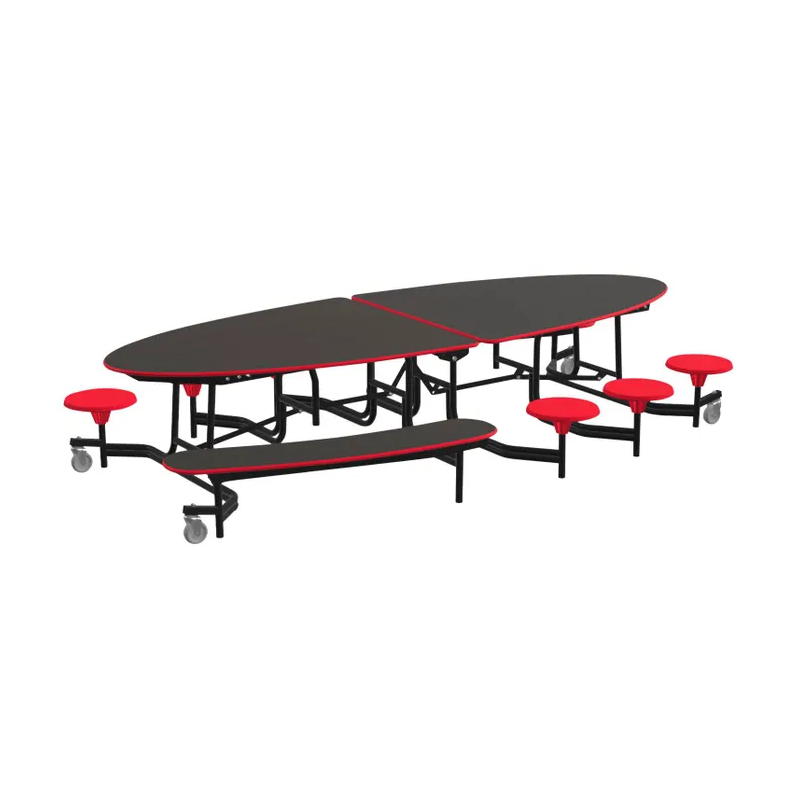
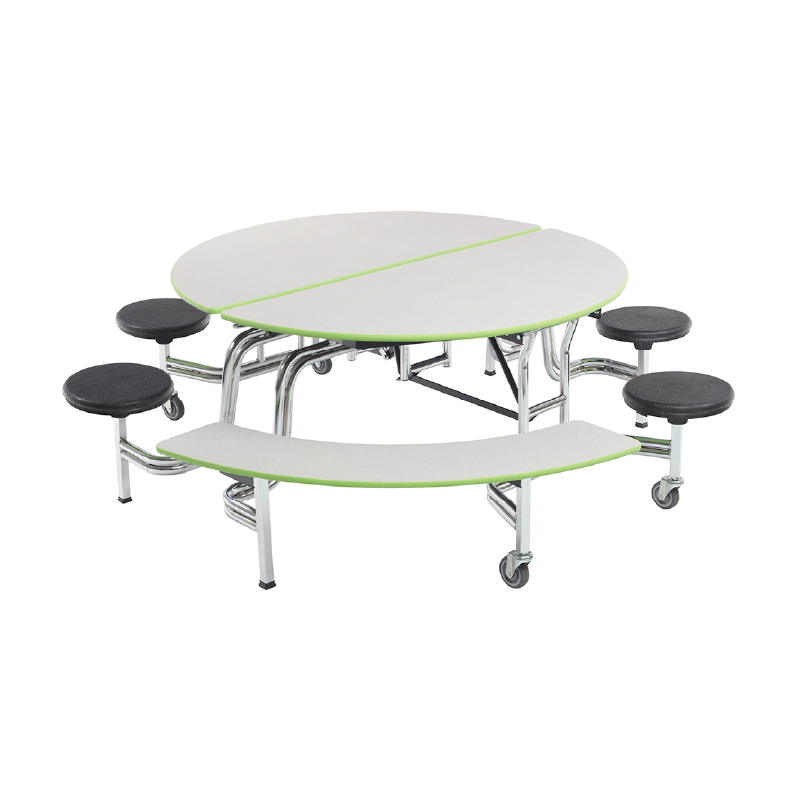
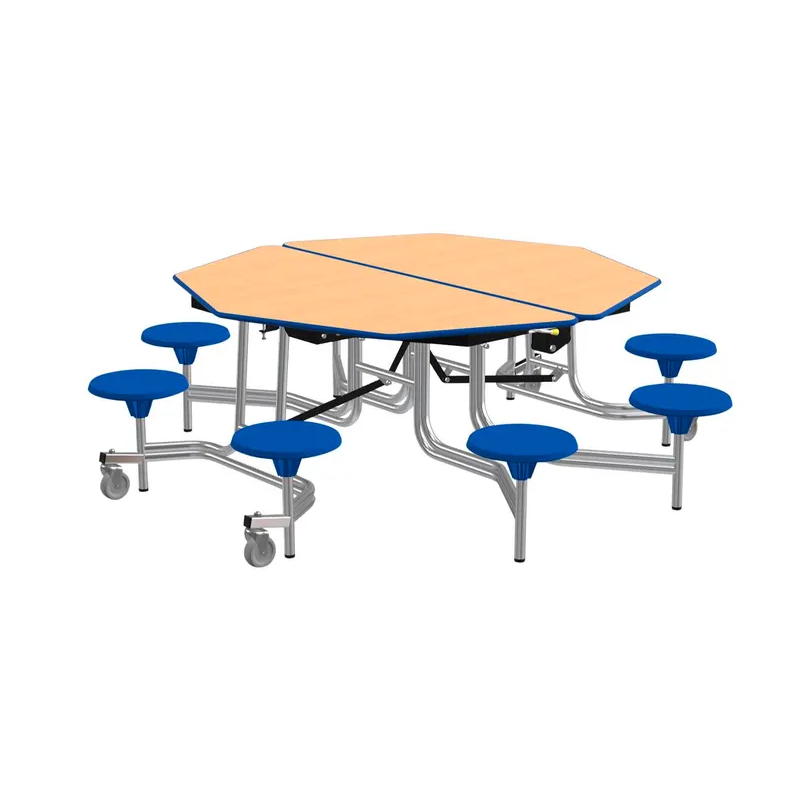
Cafeteria Tables with Stools
These integrated units combine tables with fixed stools to offer organized, uniform seating. The all-in-one design reduces clutter and is ideal for maximizing space and traffic flow.
Outdoor Lunch Tables
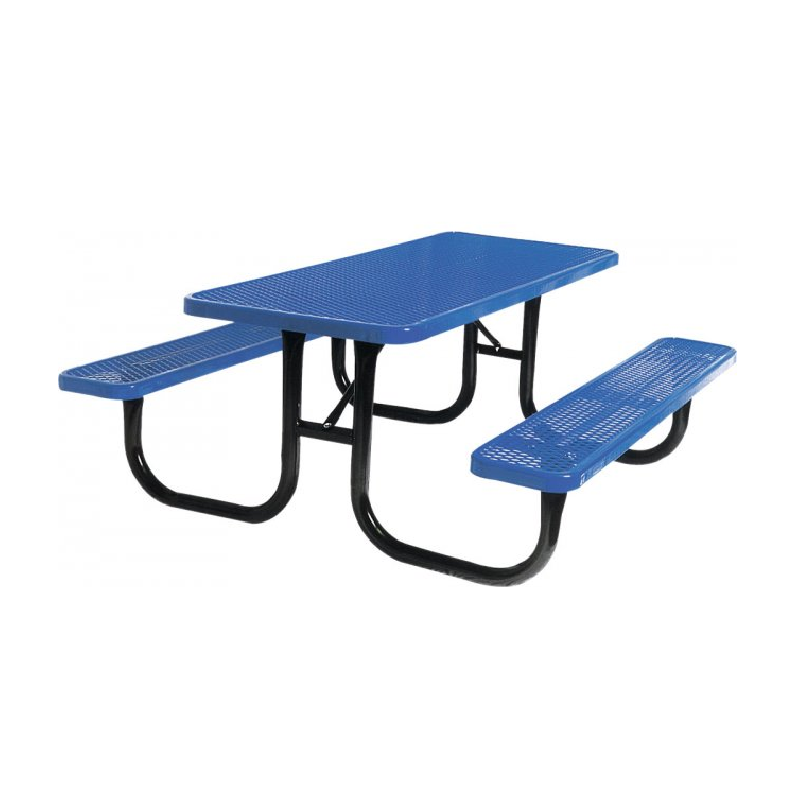
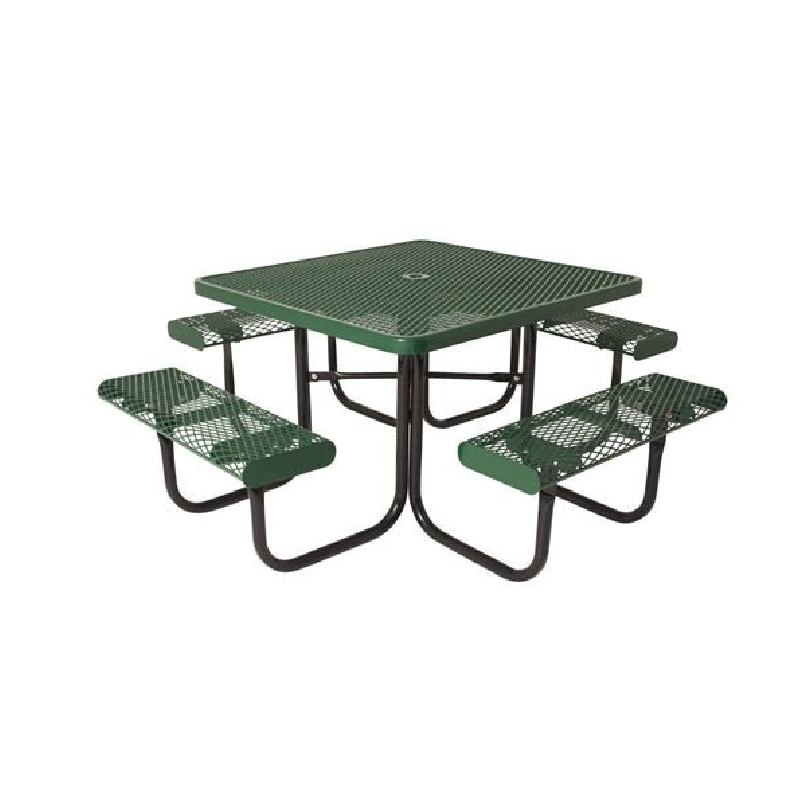
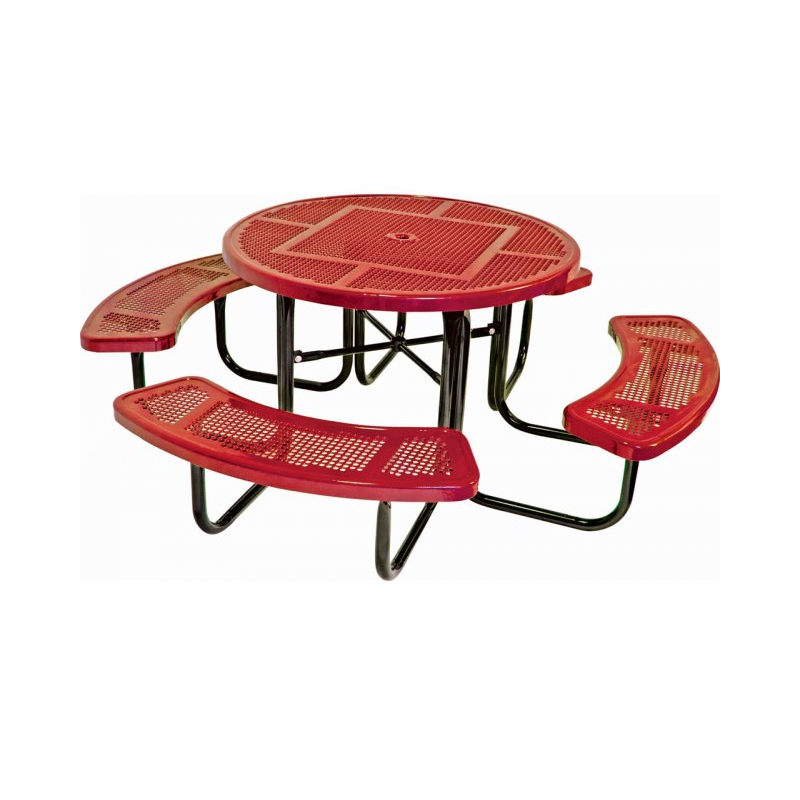
Built to withstand outdoor conditions, these lunch tables feature UV- and rust-resistant frames, heavy-duty tops, and secure mounting options.
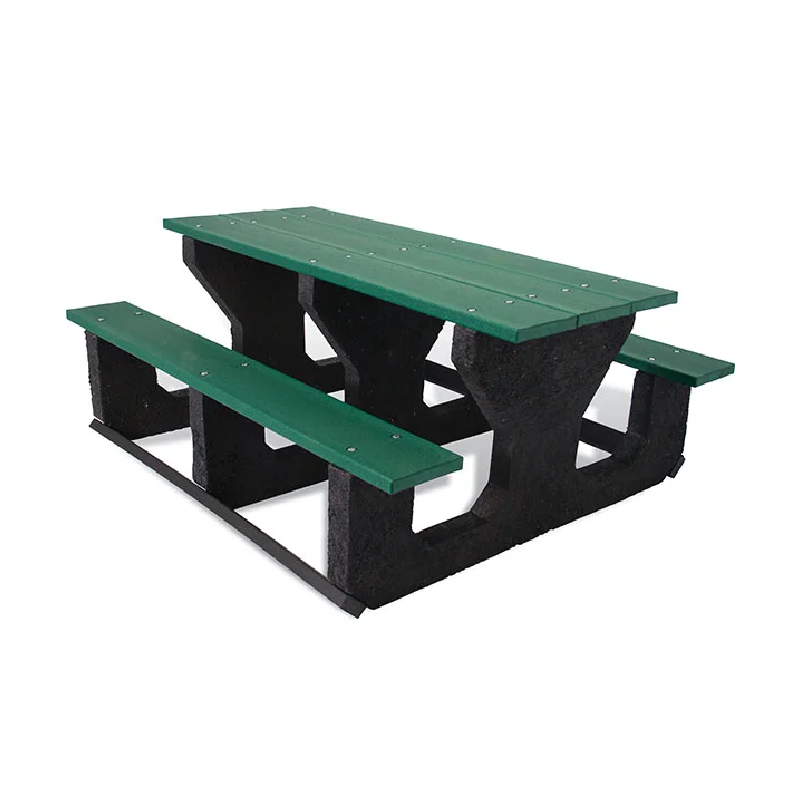
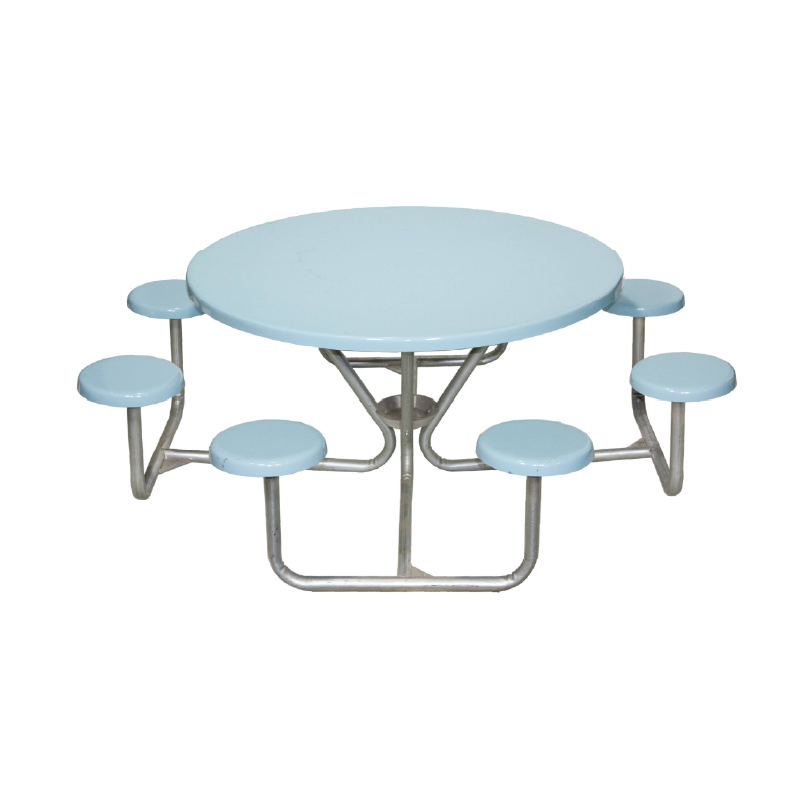
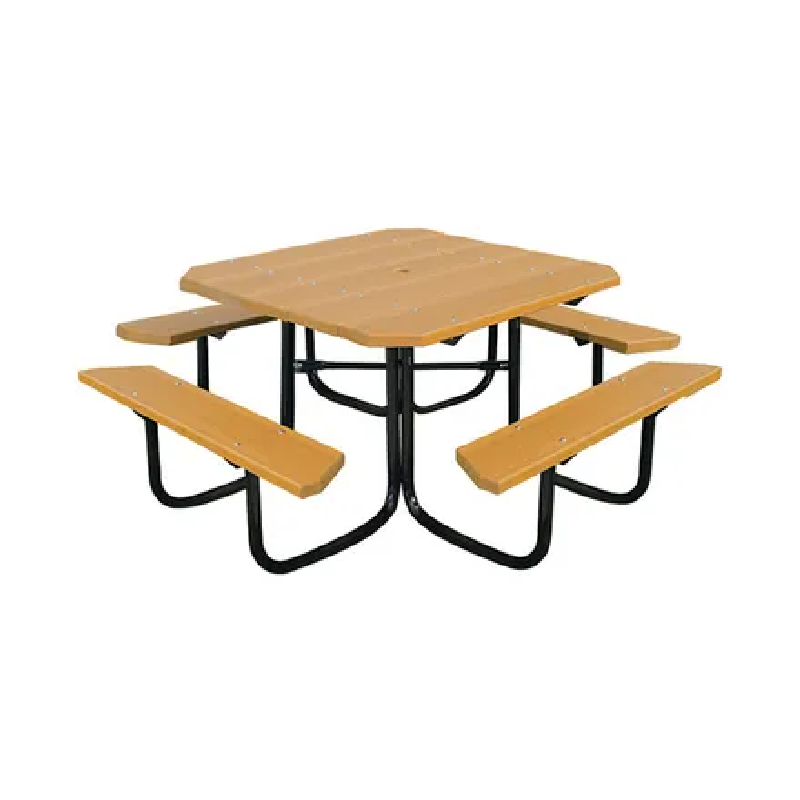
XIha Montessori: Trusted Manufacturer of Cafeteria and Lunch Tables for Educational Spaces
We specialize in designing and manufacturing durable, space-saving cafeteria and lunch tables to meet the needs of schools. We offer customized services to ensure each product meets the specific requirements of your facility, providing a one-stop solution from design consultation to production and logistics. Our strong production capacity and strict quality control ensure on-time delivery and long-term reliability.
Choosing Cafeteria and Lunch TablesMaterials Used in Cafeteria and Lunch Tables
When selecting cafeteria and lunch tables, material choice plays a crucial role in durability, hygiene, and long-term performance. Our tables are manufactured using high-quality, school-safe materials that meet global safety and usage standards.
- High-Pressure Laminate (HPL)Scratch-resistant and easy to clean, HPL surfaces are ideal for high-traffic cafeteria environments. Available in various colors and patterns to match your facility’s style.
- ABS or PVC Edge BandingApplied around table edges to prevent chipping and ensure safety. PVC and ABS edges are known for durability and impact resistance in busy lunchroom environments.
- Solid WoodProvides a classic and durable solution. Often used in bistro-style cafeteria tables, solid wood offers a warm, natural look and long-lasting performance.
- Stainless SteelPerfect for hygienic environments, stainless steel tables are corrosion-resistant, easy to sanitize, and often used in food prep or multipurpose areas.
- Powder-Coated Steel FramesOur table frames are commonly made of powder-coated steel for maximum strength and rust resistance. They ensure long-term use and stable support in institutional settings.
- Polypropylene Seats and StoolsMany of our cafeteria tables with attached seating use molded polypropylene for comfort, durability, and color customization.
Factors to Consider When Purchasing Cafeteria and Lunch Tables
When administrators and facility managers begin purchasing cafeteria and lunch tables, the key is not simply to match catalog pictures with a budget line. Every choice influences safety, functionality, and the student experience. The following considerations highlight why each factor deserves attention.
Available Space
Schools often underestimate the space tables will occupy once installed. Inadequate spacing creates congestion, restricts movement, and complicates cleaning. By carefully evaluating the cafeteria's dimensions, planners can ensure comfort and compliance with fire and safety codes.
Style and Aesthetics
While durability and function dominate purchasing decisions, style matters because the cafeteria is a social hub. Tables that complement the school’s identity or incorporate colors that appeal to specific age groups can positively affect mood, encourage good behavior, and build school pride.
Durability
Cafeteria furniture is subjected to daily wear and tear—spills, scrapes, and constant use. Durable materials extend the investment's lifespan, reduce replacement costs, and minimize safety risks associated with damaged or unstable tables.
Safety First
Safety is not optional in a school environment. Rounded corners, anti-tip features, and secure locking mechanisms protect students from avoidable injuries. Choosing safety-tested tables also reduces the institution's liability and ensures peace of mind for staff and parents.
Age-Appropriate Design
Children at different developmental stages have varying ergonomic needs. Younger students require lower table heights and stable seating, while older students benefit from standard dimensions and flexible configurations. Ignoring age-appropriate design results in discomfort, distraction, and even potential accidents.
Table Shape and Configuration
The shape of cafeteria tables influences social interaction, seating capacity, and traffic flow. Rectangular tables maximize space, round tables encourage conversation, and specialty configurations reduce noise or support collaborative activities. Selecting the right shape aligns the cafeteria layout with the school’s functional goals.
School Cafeteria and Lunch Table Dimensions
Choosing school cafeteria and lunch tables without accurate dimensioning is a recipe for poor layout and traffic jams. Below is a table summarizing industry-standard sizes across different school levels.
| Student Level | Recommended Table Height | Bench/Seat Height | Ideal Seating Capacity (Per Table) |
|---|---|---|---|
| Kindergarten–2nd Grade | 20–22 inches | 10–12 inches | 6–8 students |
| Elementary (Grades 3–5) | 22–24 inches | 12–14 inches | 8–10 students |
| Middle School | 27–29 inches | 15–17 inches | 8–12 students |
| High School | 29–30 inches | 17–18 inches | 8–12 students |
Standards for School Cafeteria and Lunch Tables
Stringent standards are set by industry bodies and government regulations to ensure furniture meets safety, performance, and environmental criteria.
ANSI/BIFMA Standards
The American National Standards Institute (ANSI) and Business and Institutional Furniture Manufacturers Association (BIFMA) provide performance-based criteria that reputable cafeteria furniture should meet. When choosing cafeteria tables, request certification or documentation that confirms compliance with ANSI/BIFMA standards. Tables should be:
- Load tested for durability
- Tip-resistant, especially those with foldable or mobile components
- Designed to pass tests for impact, stability, and cyclic durability
- Constructed from non-toxic, VOC-free materials where possible

Greenguard Certification
If indoor air quality is a concern—especially in schools for younger children—look for Greenguard Certified tables. This means the furniture has been tested and proven to emit low volatile organic compounds (VOCs), improving indoor environmental quality.
Fire Code Compliance
Depending on your jurisdiction, school cafeteria furniture may need to meet specific fire resistance ratings. High-pressure laminate (HPL) and phenolic resin can be treated to resist ignition or flame spread.
Safety and Compliance
Safety must be built into the table’s design, not added as an afterthought. Schools are dynamic, high-traffic environments; even a minor safety oversight can lead to injury or liability.
- Structural Safety Features
- Rounded EdgesEssential to reduce injuries from accidental bumps.
- Stable BasesPrevent tipping or rocking during student movement.
- Durable Hinges and LocksIn foldable tables, ensure no accidental collapses or pinch points.
- Weight CapacityTables should accommodate expected use (and misuse). Manufacturer specs should clearly state maximum loads.
- Cleaning and Sanitation Safety
- Moisture-resistant surfacesCrucial for daily wipe-downs and spill management.
- Gap-free seamsPrevent food or liquid buildup that can harbor bacteria.
- Antimicrobial finishesSome modern tables offer this feature to resist germs on contact.
Design Considerations and Seating Options for Mobile Tables
Mobile cafeteria tables have gained significant traction as the demand for multi-use spaces in schools increases. They’re easier to store and support better room flexibility, faster turnover, and simplified cleaning.
Stability in Use
Mobile tables should lock securely when set up. A poorly designed locking mechanism can lead to wobbling or even collapse, especially in high-traffic environments where hundreds of students are moving around at once. Tables must feel as solid as fixed furniture once deployed.
Wheel and Brake Quality
Since mobility is the selling point, the casters must be strong enough to carry the table’s full weight and glide smoothly without damaging the flooring. Equally important are brakes that engage firmly and hold the table steady during lunch periods. Weak or worn wheels can make tables unsafe and frustrating to use.
Ease of Folding and Unfolding
Tables that require excessive force or complicated steps to fold are not practical for staff who set up and break down multiple times a day. Look for lift-assist mechanisms or torsion bars that reduce physical strain. Ergonomics here is critical to avoid staff injuries.
Durability of Moving Parts
Hinges, joints, and mechanical components are the first points of failure in mobile tables. These parts must withstand repeated use without loosening, jamming, or breaking. Regular wear is inevitable, but quality construction delays costly repairs or replacements.
Weight and Maneuverability
While tables must be heavy enough to remain stable during use, they should not be so heavy that staff struggle to maneuver them. The balance between sturdiness and portability is essential for everyday usability.
Seating Integration
Some mobile tables come with attached stools or benches, while others require separate chairs. Whichever design is chosen, the seating must be stable, ergonomic, and easy to clean. Attached seating reduces clutter, but it also limits flexibility—so consider how students actually use the cafeteria.
Customization Services
While standard catalog options may suffice for some institutions, many schools benefit from tailoring their furniture to align with unique needs, branding, and operational goals.
- Color Palettes: Match your school’s branding or create color-coded lunch zones for grade levels or schedules.
- Logo Printing: School mascots or logos can be printed directly on tabletops or seat backs.
- Engraved Edge Banding: This is for subtle branding or donor recognition.
- Material Finish Options: Glossy vs. matte laminate, anti-graffiti coatings, fingerprint-resistant materials.
- Seating Configurations: You may want 8-seaters, 10-seaters, or even hexagonal layouts—especially for collaborative or “community table” designs.
FAQs
1. Should I choose attached seating or separate chairs?
For younger students, attached seating is preferred as it reduces movement and cleaning difficulty. For high school students, individual chairs offer more comfort and autonomy.
2. What’s the best table shape for social interaction?
Round or octagonal tables promote more equal and open group interactions compared to long rectangular ones.
3. Are foldable tables durable enough for daily school use?
Yes, if you choose commercial-grade, school-specific models with locking mechanisms and steel frames.
4. What is the most common size for school cafeteria tables?
Rectangular tables are typically 72–96 inches in length and 29–30 inches wide, seating 8–12 students. Round tables generally measure 48–72 inches in diameter, seating 6–10 students.
5. What type of table is best for a high-traffic school cafeteria?
Rectangular or mobile bench-style tables made with laminate tops and steel frames offer the best durability and space efficiency.
6. How do I ensure tables are ADA compliant?
Look for tables labeled ADA-accessible, with appropriate clearance (27" high under-table space) and open access for wheelchairs.
Xiha Montessoris supplies superior preschool furniture and toys to over 500 kindergartens across the globe.
Contact us for a free consultation to customize the perfect solution for your needs.