
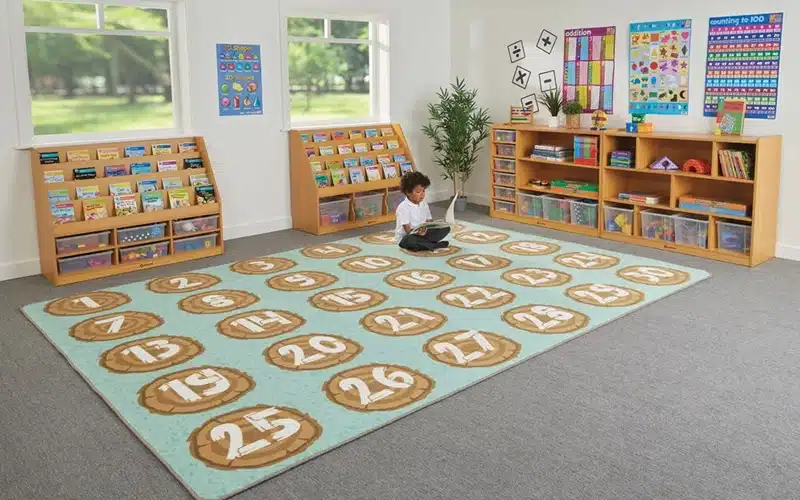
Classroom Carpets and Rugs
Our classroom carpets and rugs are specially designed to enhance early childhood learning environments by providing comfort, structure, and visual engagement. From alphabet and number rugs to solid-color seating carpets and themed area rugs, each product supports classroom management and educational goals. Made with non-toxic, stain-resistant materials and non-slip backing, our carpets are built for durability, safety, and daily use in high-traffic early learning spaces.
Send us Your inquiry NowClassroom Carpets and Rugs
Our classroom rugs come in a wide variety of styles, shapes, and educational themes to support different learning zones and teaching goals. From structured seating rugs and alphabet mats to themed designs and solid color options, each type is designed to enhance classroom organization, student engagement, and comfort.
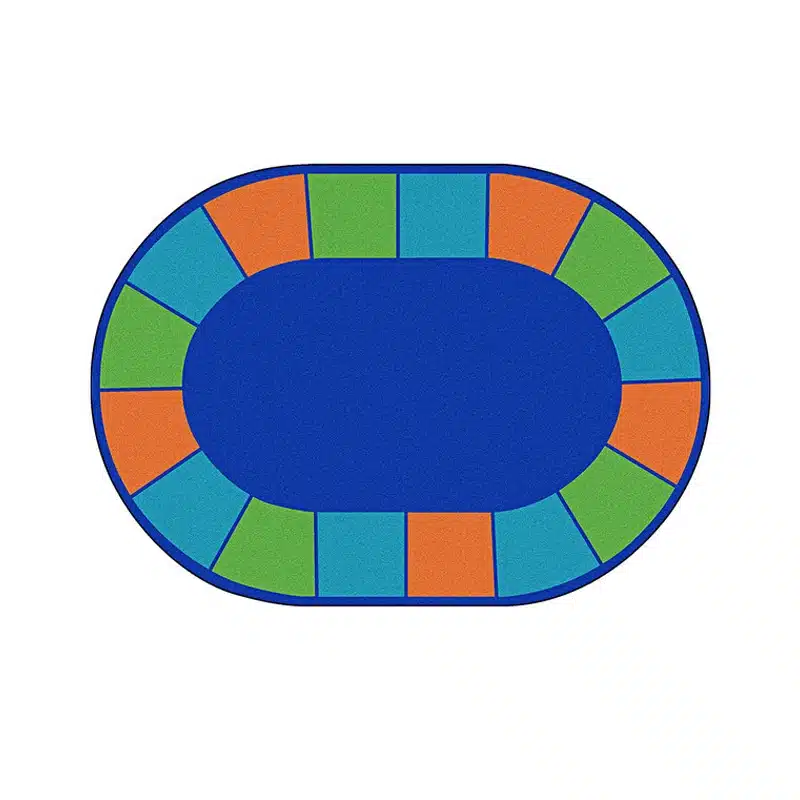
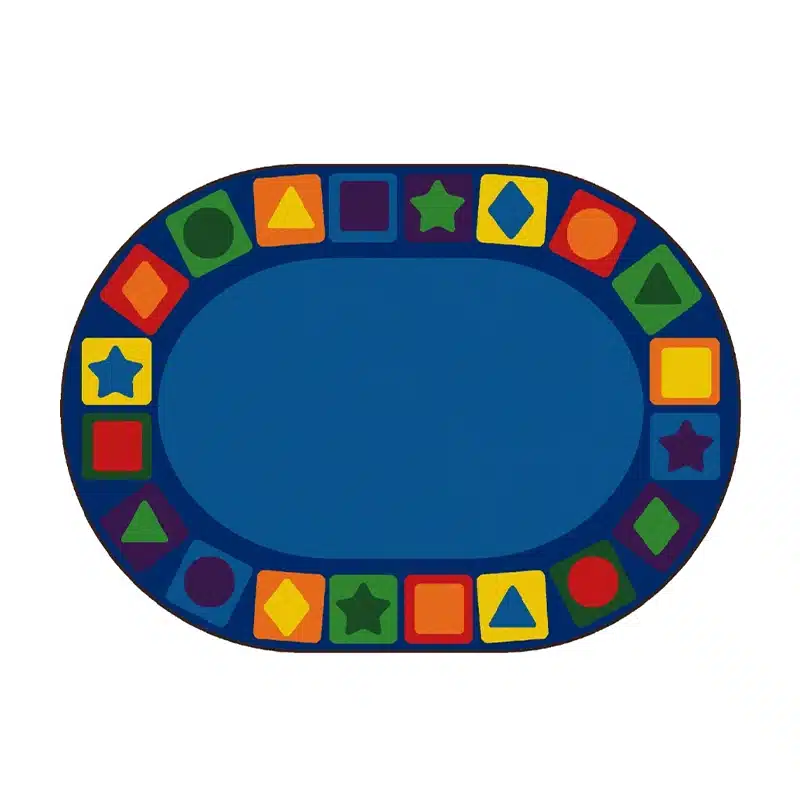
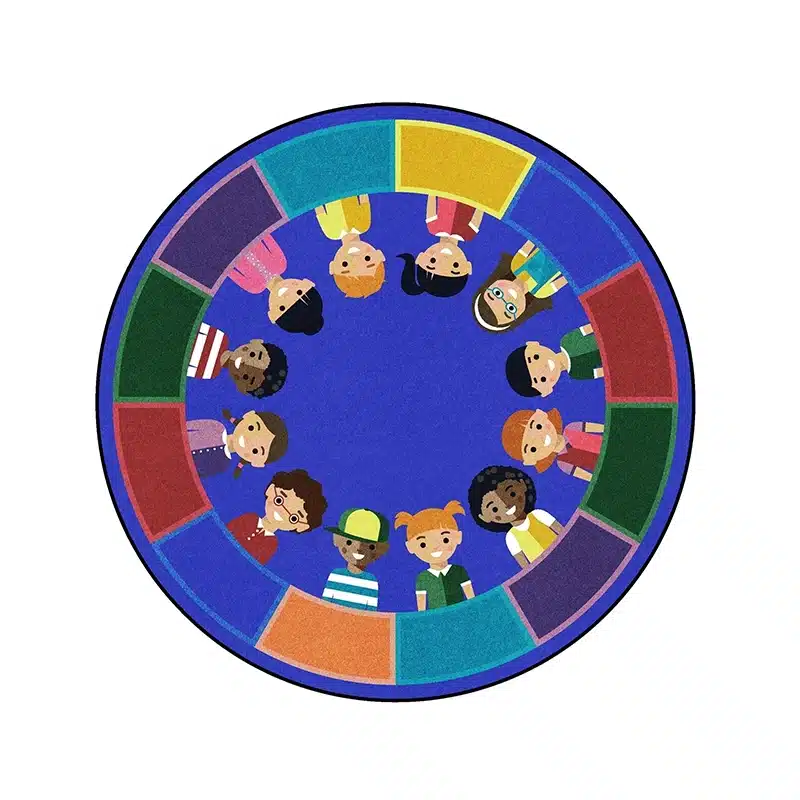
Seating
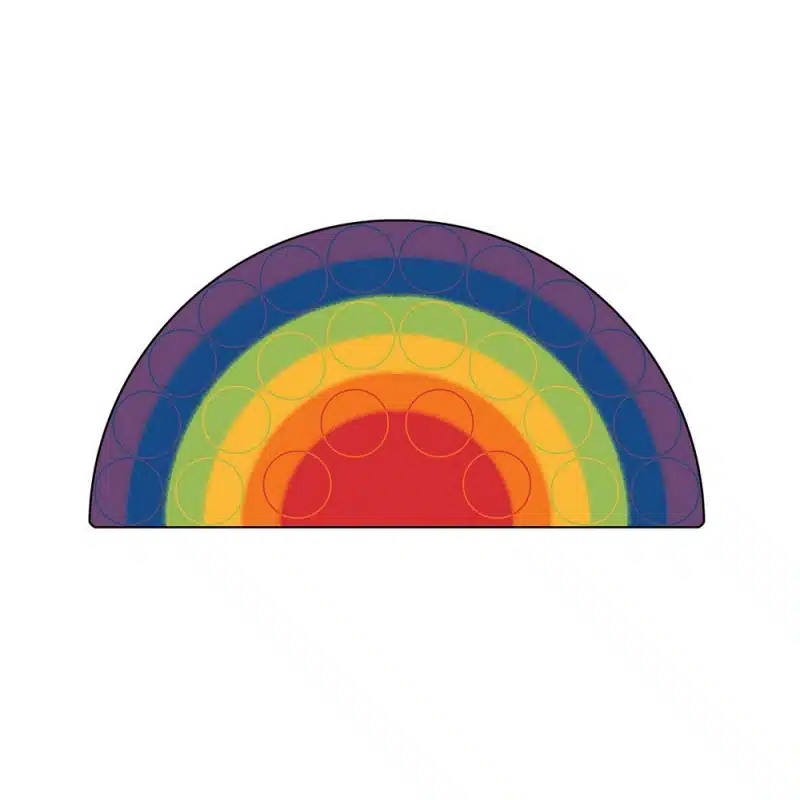
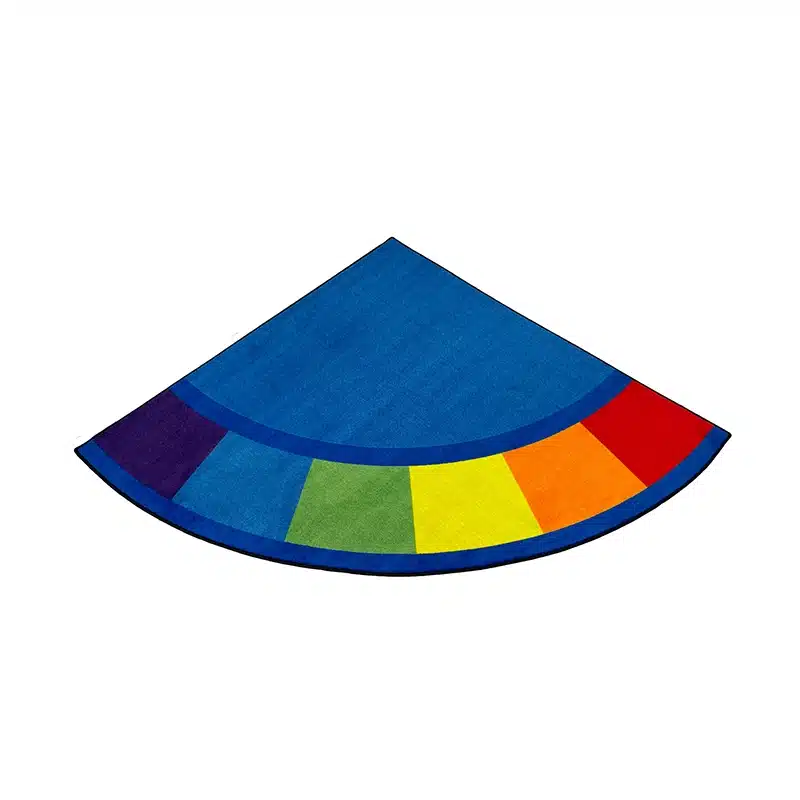
Seating rugs feature individual marked spaces, making them ideal for circle time, group lessons, and transitions. These rugs help young children understand personal boundaries and classroom routines while promoting order and focus during floor activities.
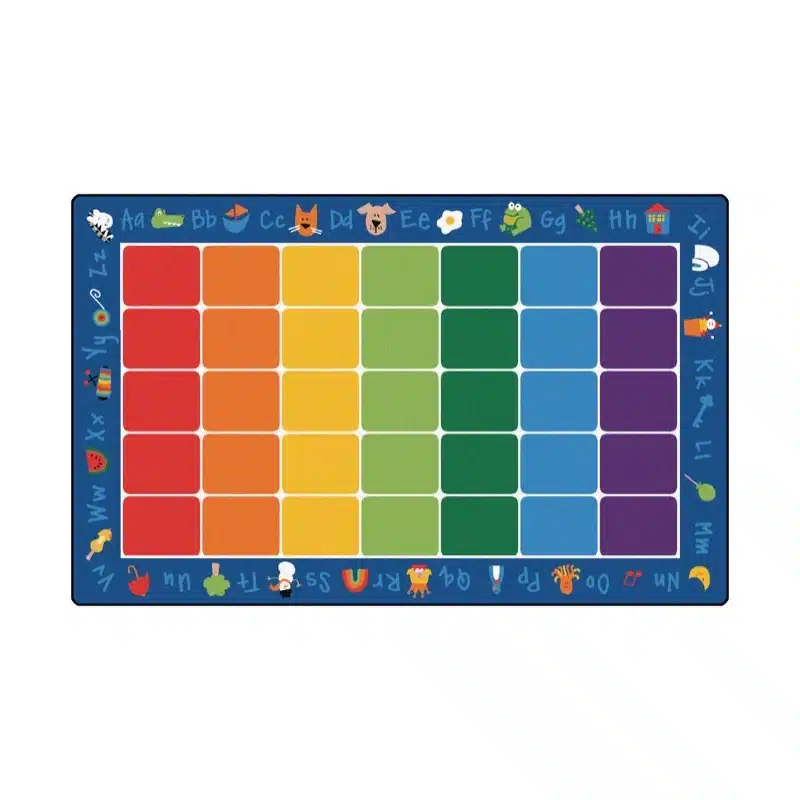
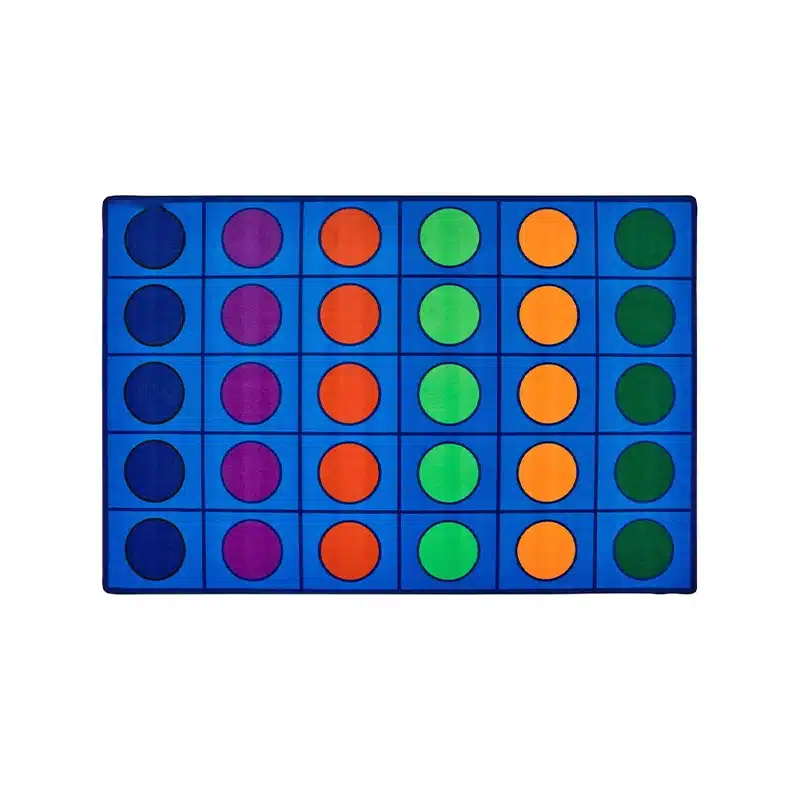
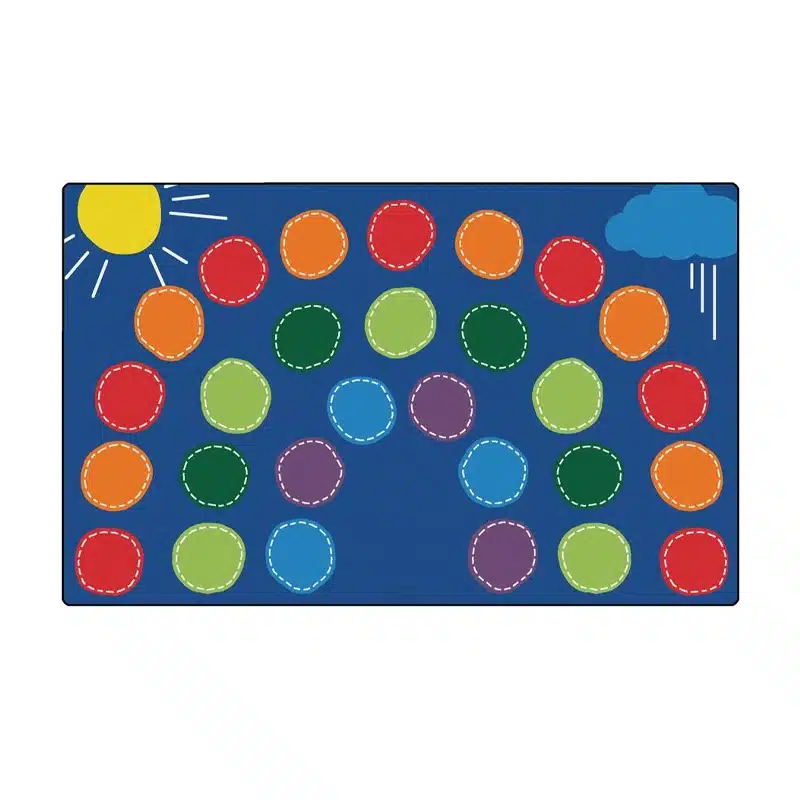
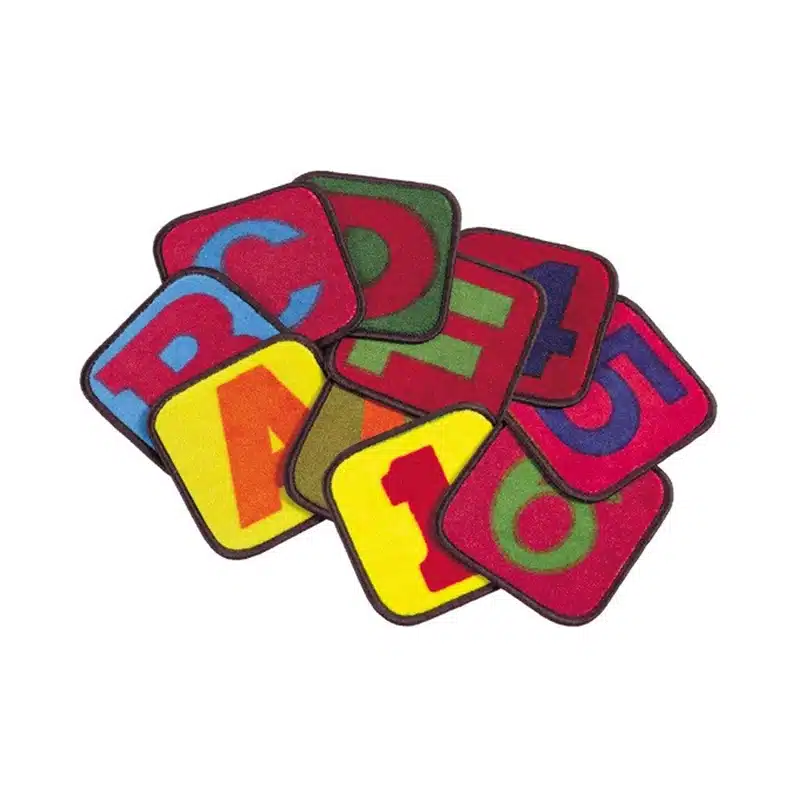
Carpet Squares & Rounds
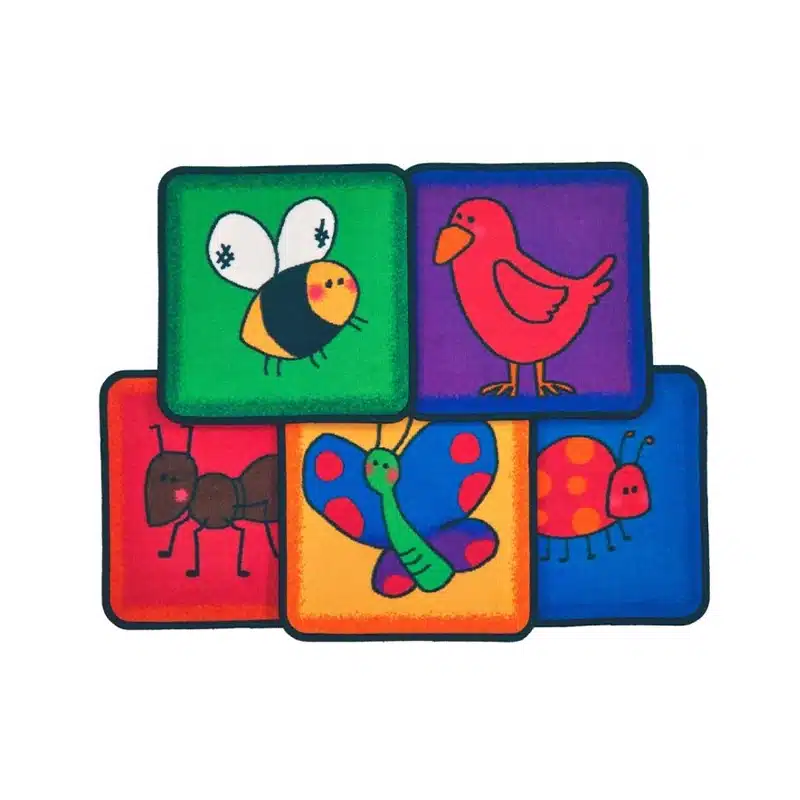
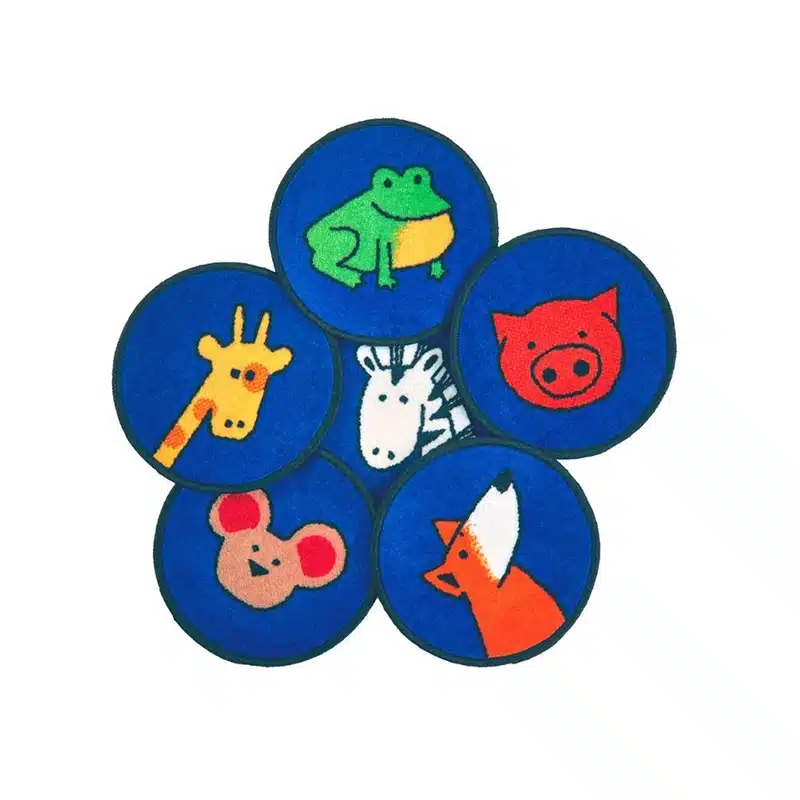
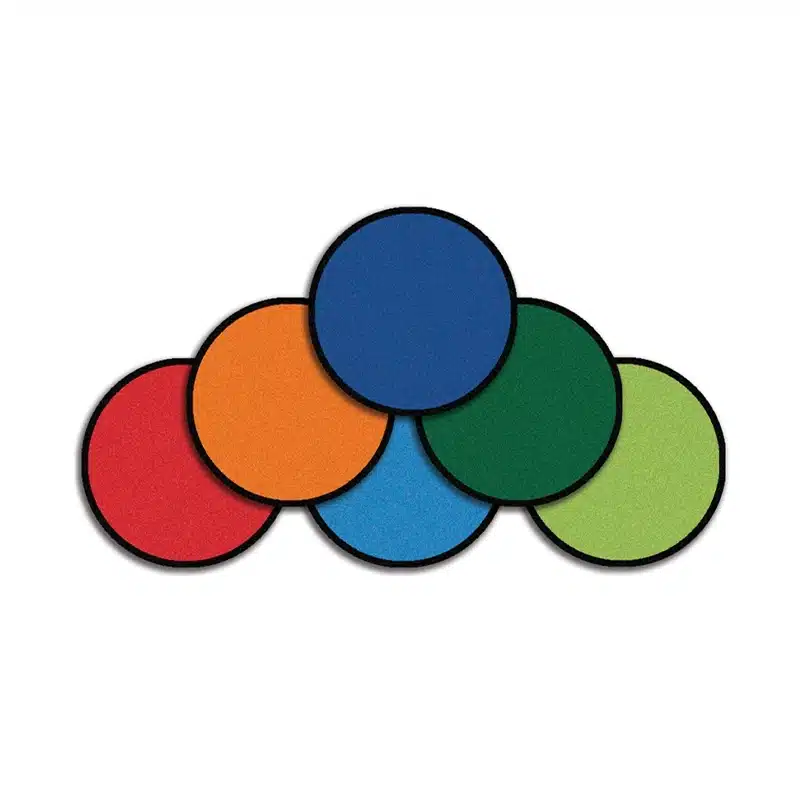
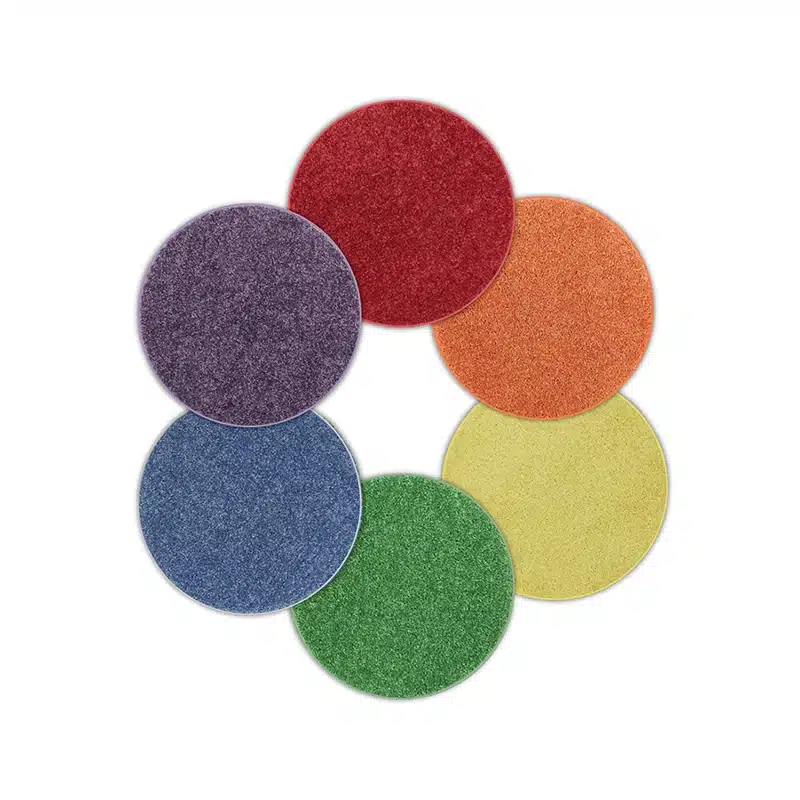
Modular carpet squares and small circular rugs offer flexible seating arrangements and activity zones. Easy to rearrange or replace, these pieces are perfect for collaborative work, movement activities, or breakout groups within the classroom.

Reading & Literacy
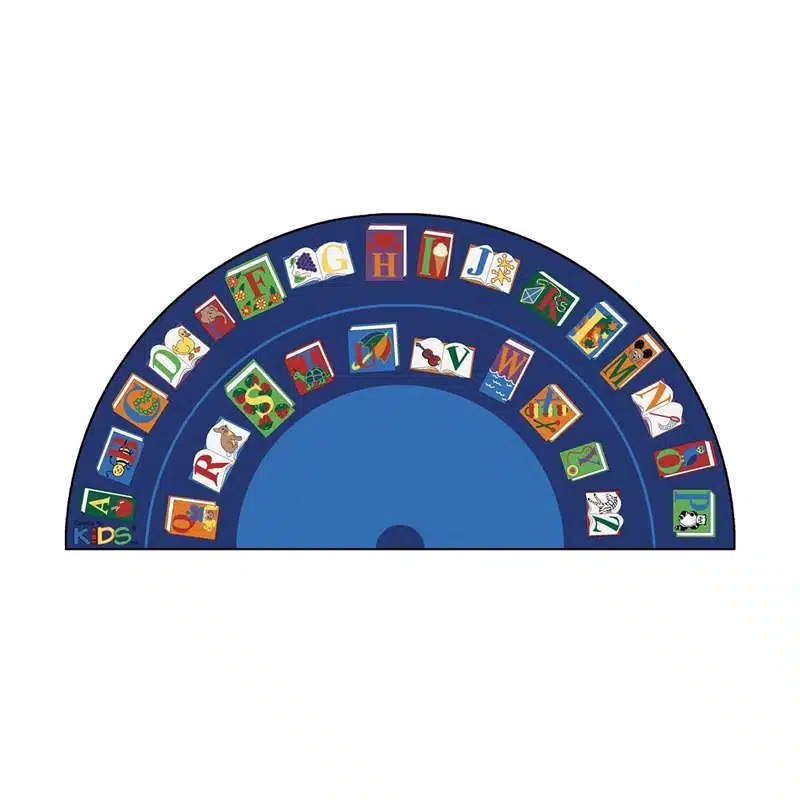
Reading rugs are designed for quiet corners and classroom libraries. Often featuring calming colors and book-themed designs, they help create comfortable, focused environments that encourage independent reading and language exploration.

Designs & Patterns
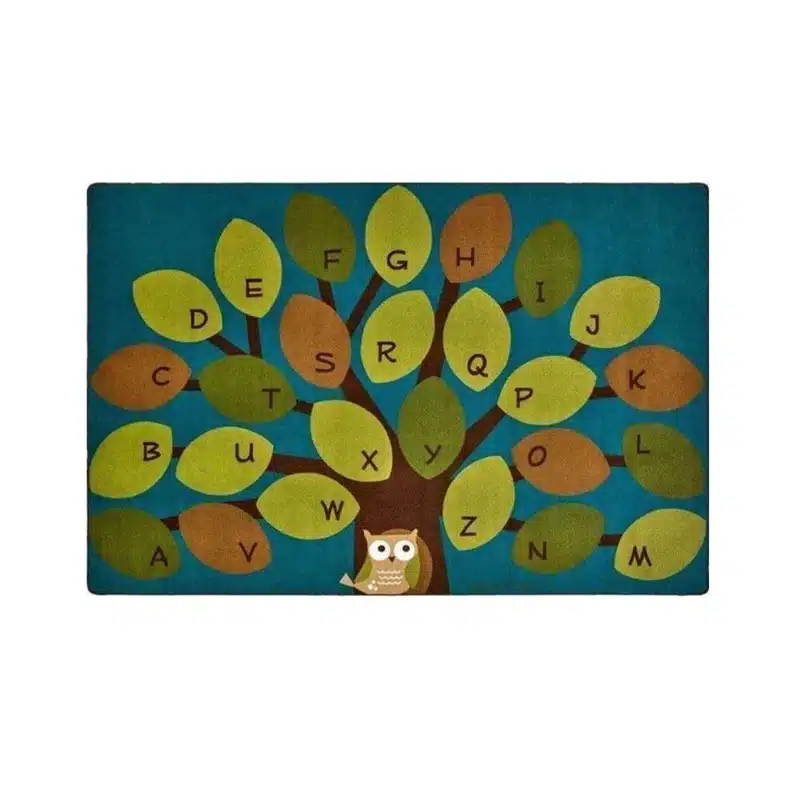
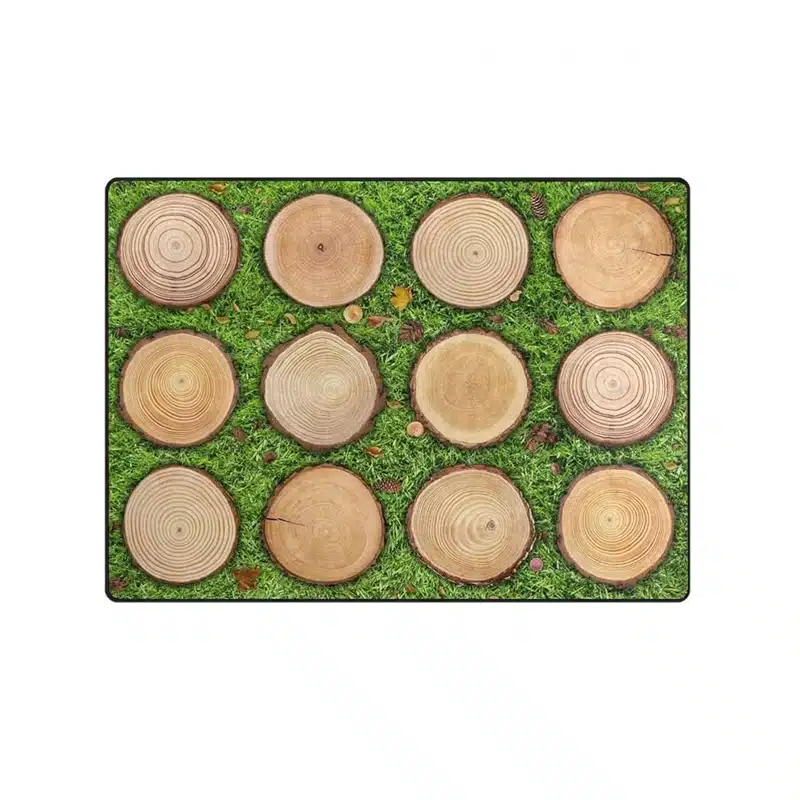
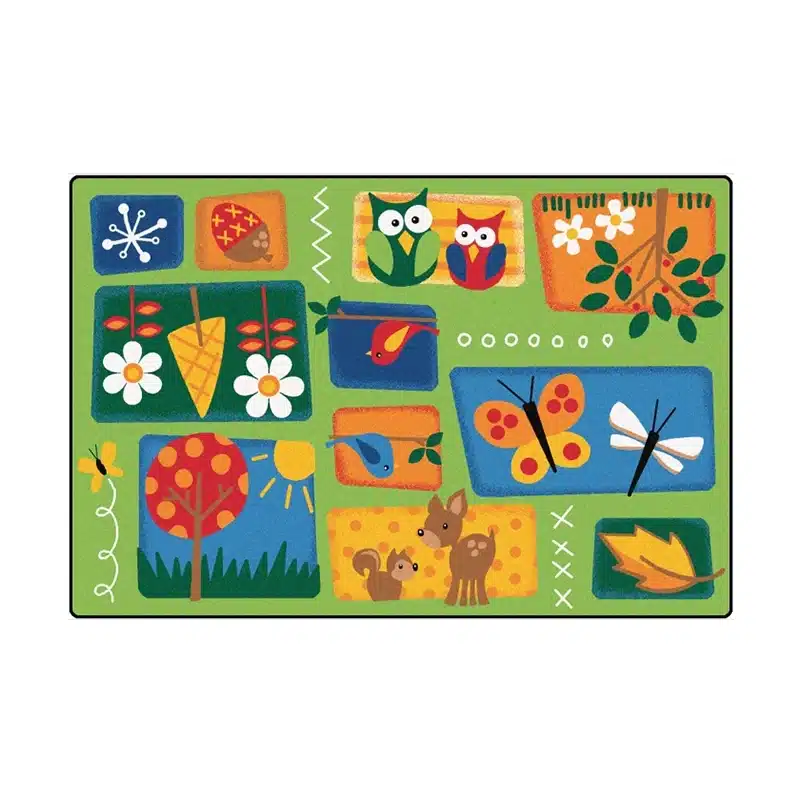
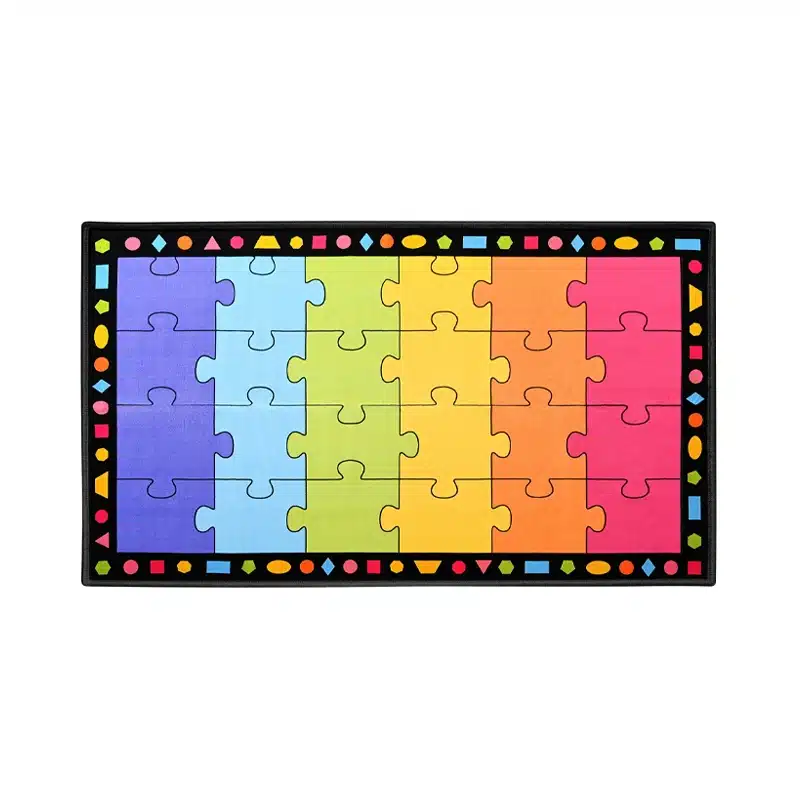
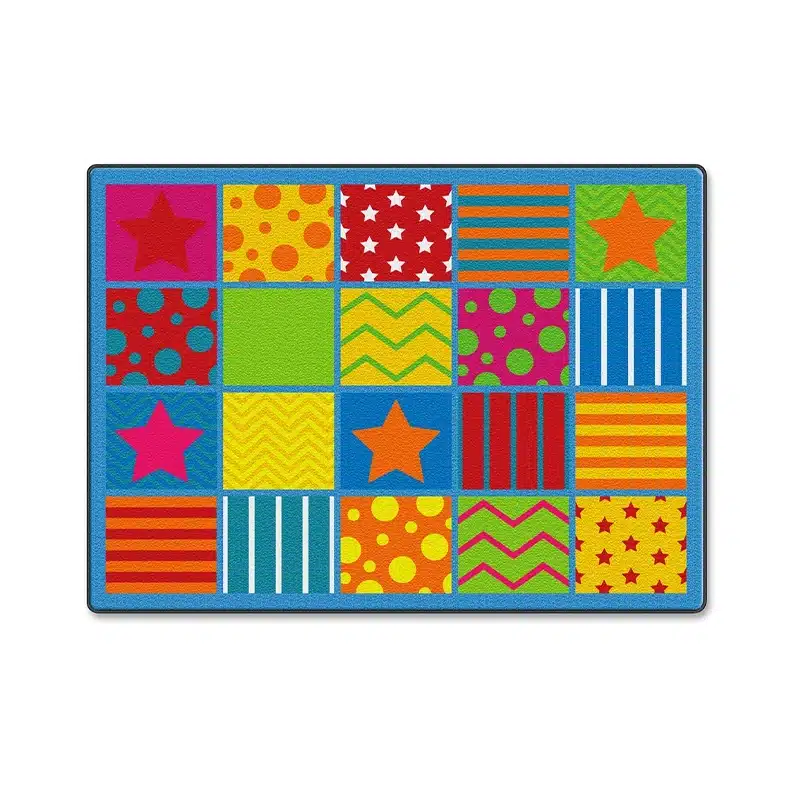
These rugs add creativity and character to classroom spaces. From animals and nature scenes to multicultural themes and classroom values, patterned rugs help teachers reinforce classroom culture while enhancing the visual appeal of the room.

Solid Colors
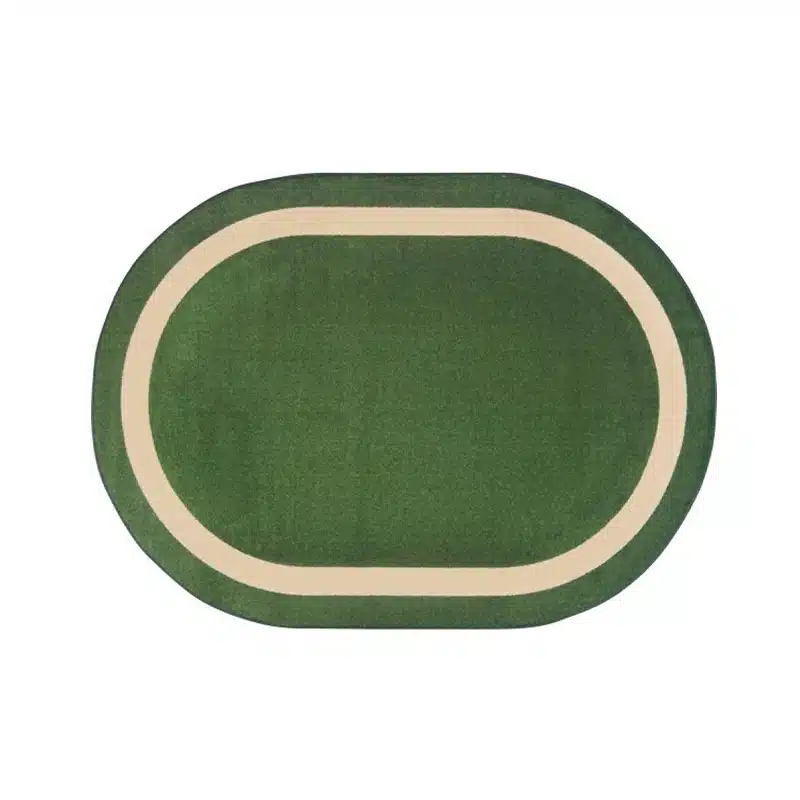
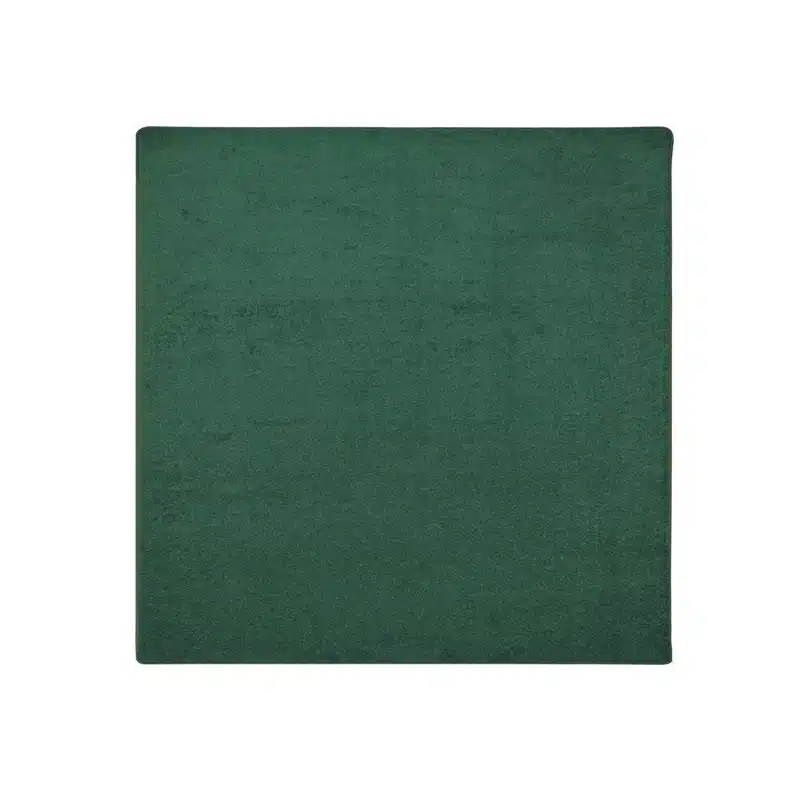
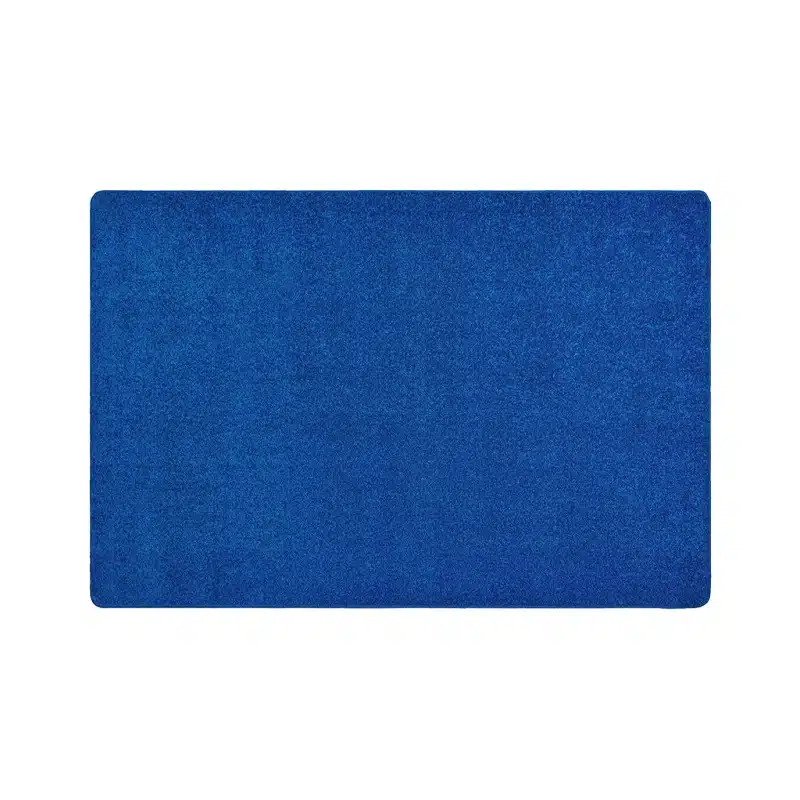
Minimalist and versatile, solid color rugs are incredible for multipurpose use across various classroom zones. They provide a clean, cohesive look while offering comfort and sound absorption, especially in larger group settings.
View more
XIha Montessori: Reliable Supplier of Classroom Carpets and Rugs for Early Learning Spaces
We specialize in the design, production, and global supply of high-quality classroom carpets and rugs tailored for early childhood education. Our products are developed to support structured learning, classroom organization, and child comfort. With a strong focus on safety, durability, and educational value, we offer a wide range of rugs—from alphabet and seating carpets to themed and solid color designs. Trusted by educators and institutions worldwide, we provide customized solutions, fast delivery, and consistent quality to help schools create engaging and well-organized learning environments.
Classroom Carpets and Rugs Materials
Choosing the right materials for classroom carpets and rugs is essential to ensure safety, comfort, and durability in early learning environments. All of our carpets and rugs are designed with young children in mind, using non-toxic, high-performance materials that meet international safety and fire-resistance standards. Below are the most commonly used materials in our Classroom Carpets and Rugs collection:
| Material | Key Features | Benefits in Classroom Settings |
|---|---|---|
| Nylon (Solution-Dyed or Continuous Filament) | - Stain-resistant - Vibrant color retention - High durability under heavy foot traffic | - Ideal for high-use areas - Soft and comfortable - Easy to clean |
| Polypropylene (Olefin) | - Moisture-resistant - Mold and mildew resistant - Fade-resistant | - Suitable for damp areas - Budget-friendly - Low maintenance |
| Polyester (PET) | - Soft texture - Bright color options - Stain-resistant - Often recycled | - Eco-friendly option - Comfortable surface for children - Good for visual stimulation |
| Wool | - Natural fiber - Excellent sound and heat insulation - High comfort | - Best for quiet zones - Creates a cozy, calm environment |
| Gel or Rubberized Non-Slip Base | - Enhances safety - Provides stability on hard floors | - Prevents slipping - Suitable for active or high-traffic areas |
Pre-Purchase Planning
Before purchasing classroom carpets and rugs, proper planning is essential. This stage helps avoid sizing errors, style mismatches, or premature wear.
Assess the Classroom Layout
Consider how your classroom is used throughout the day. Are there dedicated reading corners, group time areas, or learning centers? Do children move frequently from one activity to another?
Determine Student Count
The number of students influences rug size and pattern. A rug for 12 children requires far less space than one for 24. Choose rugs with enough seating spots or shapes for each child to claim a place without crowding.
Account for Furniture
Take note of large furniture such as shelves, tables, and cabinets. These can obstruct part of the carpet, so measure clear usable floor space rather than total room size.
Plan for Longevity
Think long-term. Will the carpet still serve your needs three to five years from now? Are themes and colors timeless enough to remain relevant? Opt for patterns that don’t easily show dirt or wear.
Sample Testing
Request material swatches before committing to a large purchase. Testing a small piece for texture, durability, color accuracy, and back support can prevent costly mistakes.
Answering these questions helps determine:
- How many rugs are needed
- What sizes are appropriate
- What shapes suit your space best
Key Points for Buying Classroom Rungs
- Choose the Right Size and ShapeOne of the first decisions involves determining the correct size and shape for your classroom carpet. The rug should provide enough space for all students to sit comfortably during group activities. Round and oval carpets promote inclusion and help manage group dynamics, while rectangular or square carpets can create structured zones.
- Material and DurabilityChoose a rug with double-stitched binding for edge durability and a high-density pile to retain appearance even with heavy foot traffic. Additionally, look for carpets that are treated with antimicrobial agents to prevent mold, mildew, and allergens.
- Design and Color ConsiderationsThe design and color of a classroom rungs influence the emotional tone of the classroom and can either energize or calm students. Bright, vibrant patterns with educational themes such as alphabets, numbers, or world maps can reinforce daily learning objectives.
- Special Considerations for Classroom SeatingClassroom carpets are frequently used as designated seating areas. In such cases, look for carpets with visual dividers, shapes, or grids that help children sit in organized rows or clusters. This reduces crowding, supports behavioral management, and encourages group participation.
Sizing and Placement Guides
Group Gathering Areas
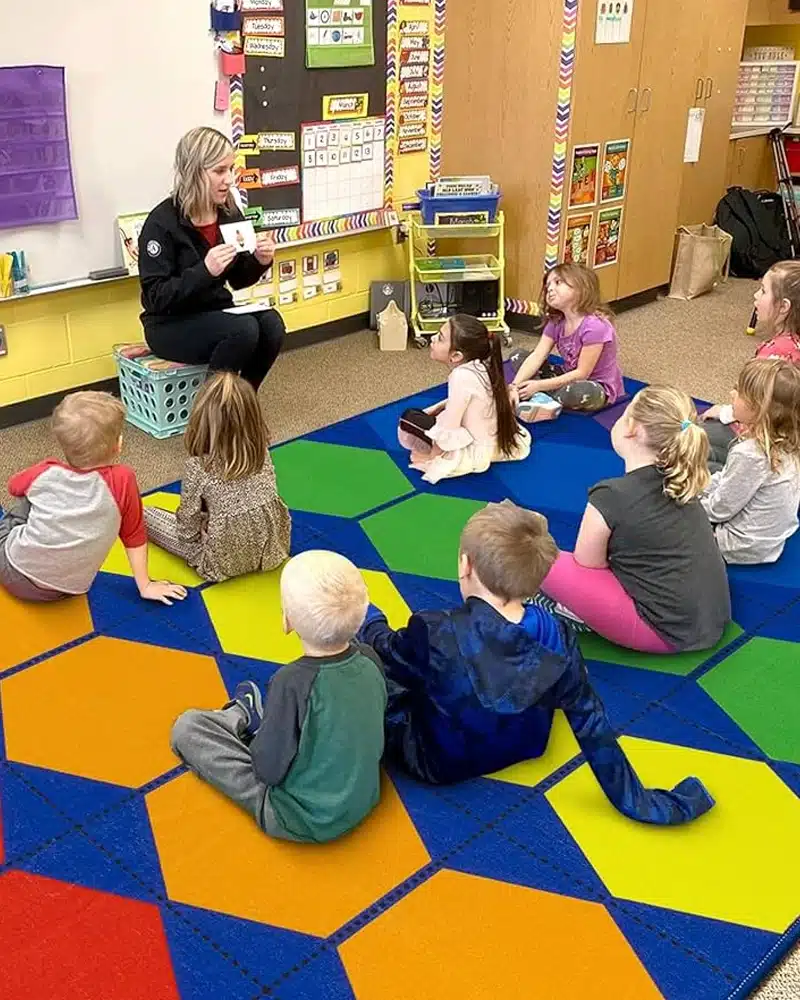
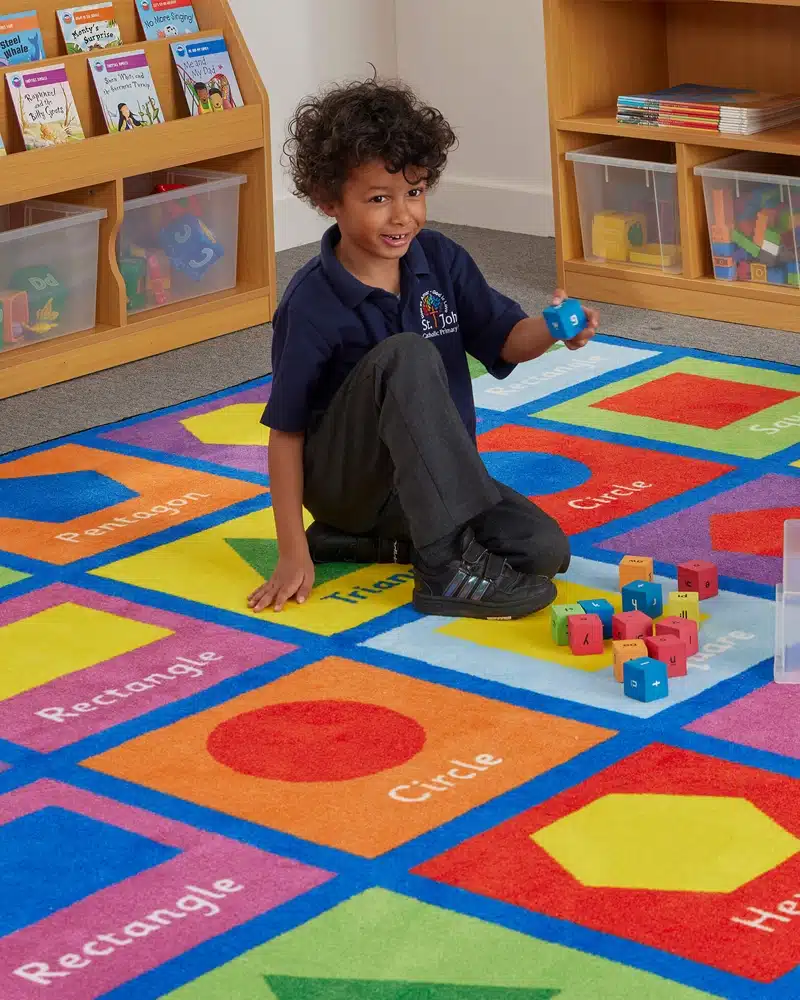
Group gathering rugs are typically placed in central classroom areas where students meet for circle time, morning greetings, or collaborative learning. The ideal size depends on the number of students and the type of activities. Each child should have approximately 18"–24" of personal space, especially when seated cross-legged. Rugs with pre-printed seating markers (circles or squares) help with spatial distribution.
- 6′ x 9′ – Suitable for 8–10 children seated in a circle or semi-circle
- 7’6″ x 12′ – Accommodates 14–18 children in rows or a wide oval
- 8′ x 12′ – Fits up to 20 children comfortably, with space for teacher movement
- 10′ x 13′ – Ideal for large group gatherings with up to 24–26 children
- 12′ x 15′ – Extra-large option for schools with over 28 students in a class or multifunctional use
Learning Centers
Learning centers are designed to be focused and smaller-scale zones that support independent or guided instruction in specific subjects like math, science, reading, or sensory play. Carpet sizes here should be compact but adequate to define the area. Brightly colored or themed rugs (e.g., numbers, alphabet, shapes) are often used here to visually distinguish zones and enhance the thematic content of the area.
- 4′ x 6′ – Perfect for 2–4 children working at a center
- 5′ x 7′ – Ideal for small groups of 3–5 students
- 6′ x 8′ – For group-based tasks or thematic zones that include a teacher’s presence
- Carpet squares (24″ x 24″) – Modular design for flexibility and individual spots
Room Proportion Considerations
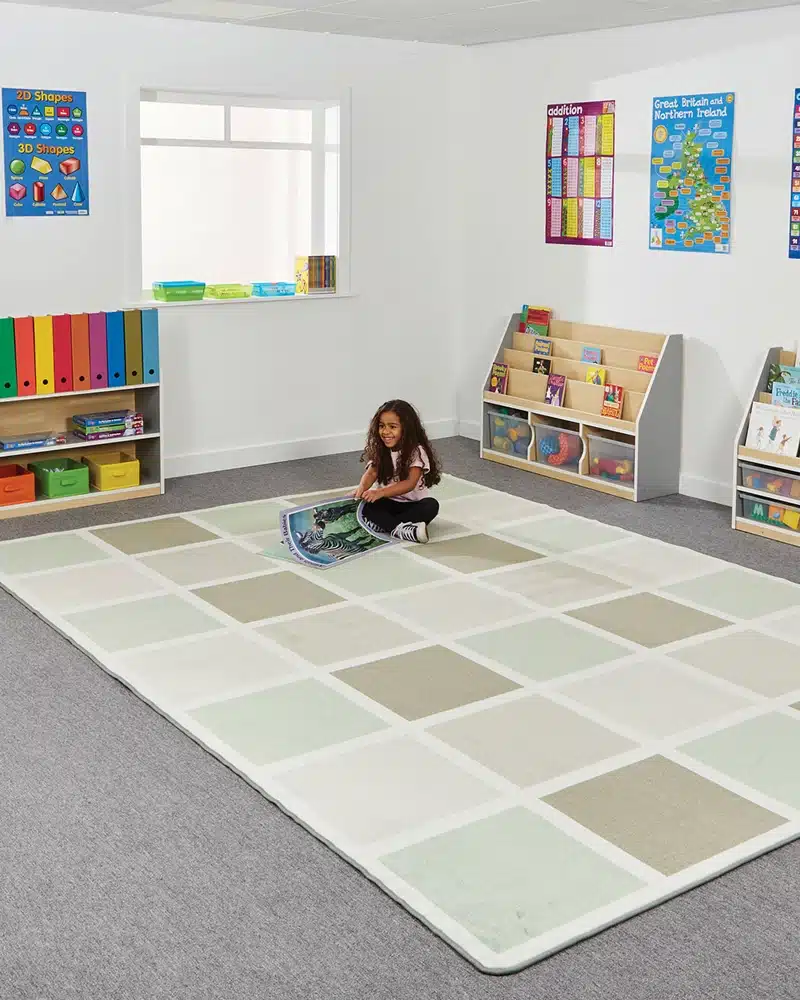
Room size directly influences what carpet dimensions will best balance function, aesthetics, and safety. Oversized carpets can obstruct walkways and furniture, while undersized ones might under-serve the intended purpose. Always leave at least 18" of floor space around rug edges for smooth movement and to avoid crowding. Avoid placing large rugs under heavy furniture unless the layout is permanent.
- Small room
- Use rugs no larger than 6′ x 9′
- Use two or three small rugs (4′ x 6′) for multi-zone layouts
- Medium room
- Opt for 8′ x 12′ or 7’6″ x 12′ for central gathering
- Add 5′ x 7′ rugs for corners or quiet zones
- Large room
- Use 10′ x 13′ or 12′ x 15′ for whole-class sessions
- Complement with 4′ x 6′ rugs for smaller areas
Safety Considerations for Preschool Carpets
Safety is paramount in early childhood environments. Classroom carpets and rugs should be made from non-toxic materials and comply with fire safety standards. Rugs must feature non-slip backing to prevent falls and ideally be edge-bound to avoid fraying. It's also vital to regularly inspect carpets for wear, loose edges, or any elements that might pose a risk to curious little hands and feet.
- Other essential safety features include:
- Low VOC emissions for indoor air quality
- Antimicrobial treatment to prevent mold and bacteria
- Flame retardant certification in line with local safety codes
Practical Tips for Choosing and Maintaining Carpet
Once you’ve decided to purchase, focus on selecting a carpet that’s practical and easy to maintain in a busy kindergarten environment. Routine cleaning ensures the carpet remains vibrant, safe, and welcoming throughout the year.
Opt for Bound Edges
Carpets with double-stitched, reinforced edges last longer and resist fraying. Unbound rugs tend to curl over time, increasing tripping hazards.
Use Anti-Slip Pads
Always pair carpets with anti-slip pads or look for models with a rubberized backing. This prevents sliding and provides a smoother surface for sitting or crawling.
Choose Washable or Spot-Cleanable Fabrics
Even with the best behavior, spills are inevitable in kindergartens. Choose stain-resistant fabrics such as nylon or polypropylene. These materials are easier to clean and less likely to hold odors or bacteria.
Regular Maintenance Routine
- Daily: Vacuum carpets at the end of each day to remove debris and allergens.
- Weekly: Spot clean with water-based, child-safe solutions.
- Monthly: Deep clean using low-moisture methods or steam extraction, especially in high-traffic areas.
FAQs
1. What is the ideal size for a kindergarten group carpet?
An 8' x 12' or 10' x 13' rug typically accommodates 18 to 24 students for circle time or group activities.
2. How often should classroom carpets be cleaned?
Daily vacuuming is recommended, with spot cleaning as needed and deep cleaning every semester or quarterly.
3. What designs are best for educational carpets?
Carpets featuring letters, numbers, maps, or social-emotional graphics support learning and classroom routines.
4. Should I buy one large carpet or several small ones?
It depends on your classroom layout. One large carpet may suit group gatherings, while multiple small rugs help organize learning centers.
5. Can classroom rugs be used outside?
Some rugs are designed for indoor/outdoor use. These are typically water-resistant and UV-treated for durability.
6. Can classroom carpets be customized?
Yes. Many manufacturers offer customization options including size, shape, color schemes, and educational content.
Xiha Montessoris supplies superior preschool furniture and toys to over 500 kindergartens across the globe.
Contact us for a free consultation to customize the perfect solution for your needs.