
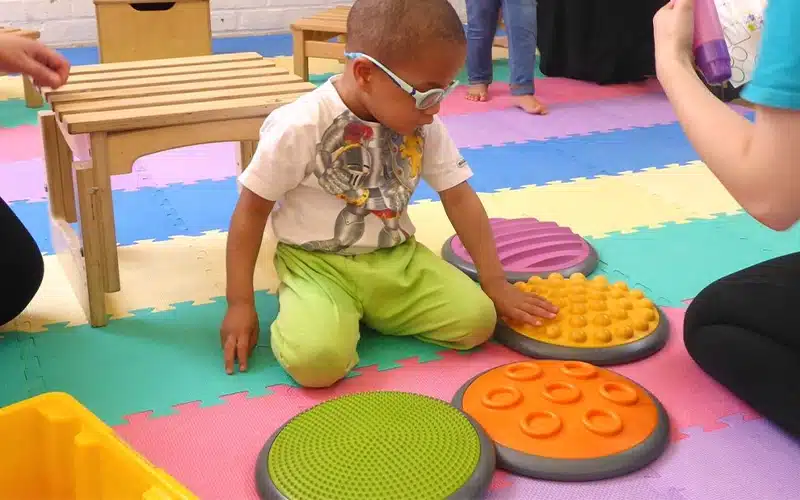
Sensory Toys for Early Childhood
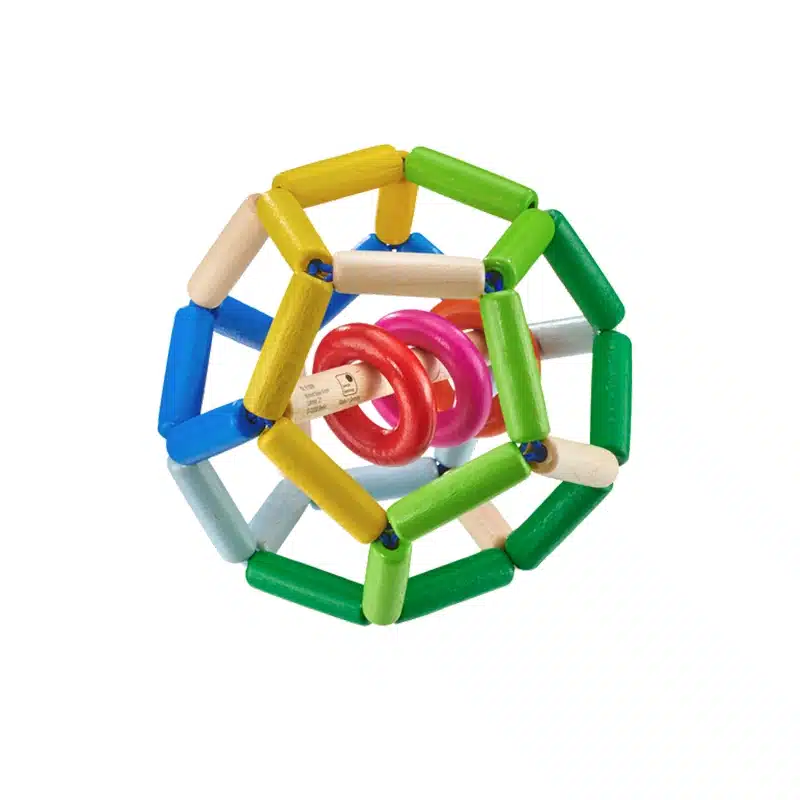
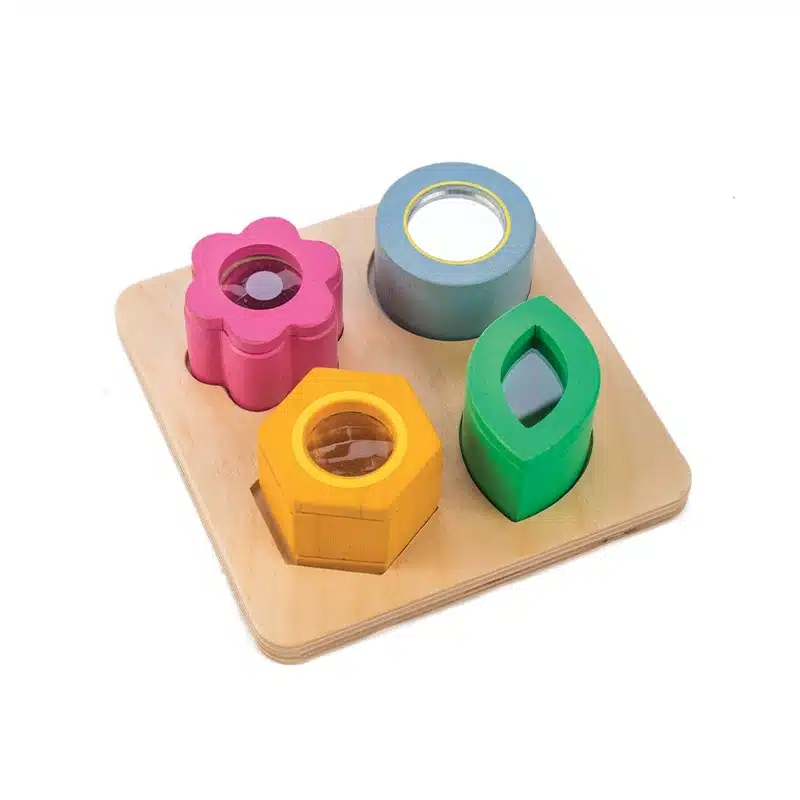
Premium sensory toys are designed to strengthen tactile, visual, and auditory processing skills. Our range—featuring textured fidgets, light panels, chew-safe manipulatives, and calming vibration items—supports focus, self-regulation, and developmental milestones in infants and preschoolers. All products are crafted from certified child-safe materials and built for daily use in classrooms, therapy rooms, and home learning spaces.
Send us Your inquiry NowSensory Toys: Multi-Sensory Learning Tools for Early Development
Explore our curated range of sensory toys—tactile fidgets, light panels, sound makers, balance tools, and more—engineered to enhance touch, sight, sound, movement, and body awareness in infants and preschoolers.
Our sensory toys are organised by function so educators, therapists, and parents can quickly identify the resources that match each child’s specific sensory profile. All items are produced from child-safe materials, tested for durability, and sized for small hands.
Tactile Sensory Toys
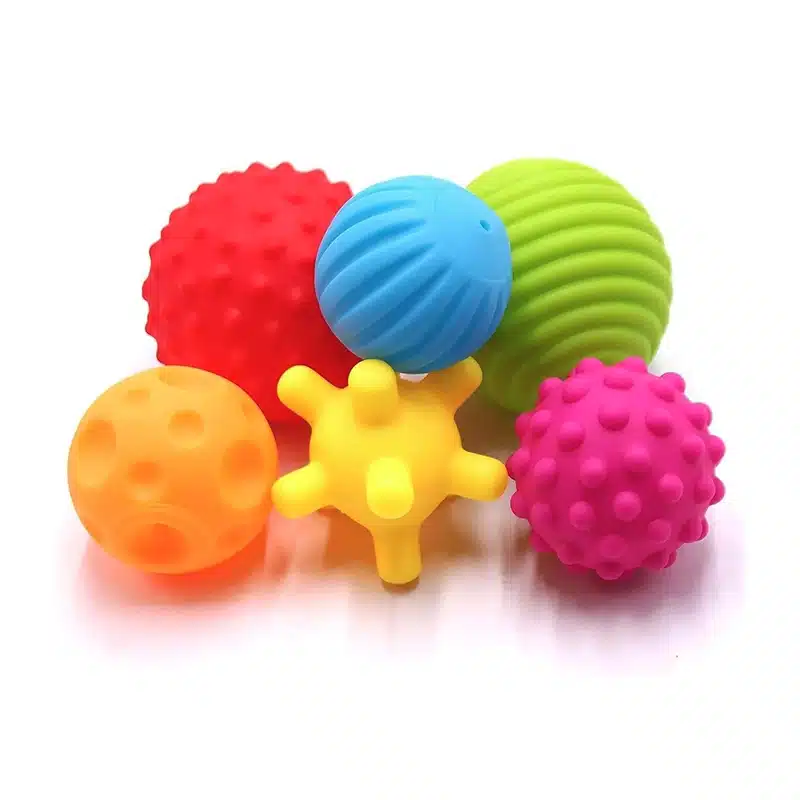
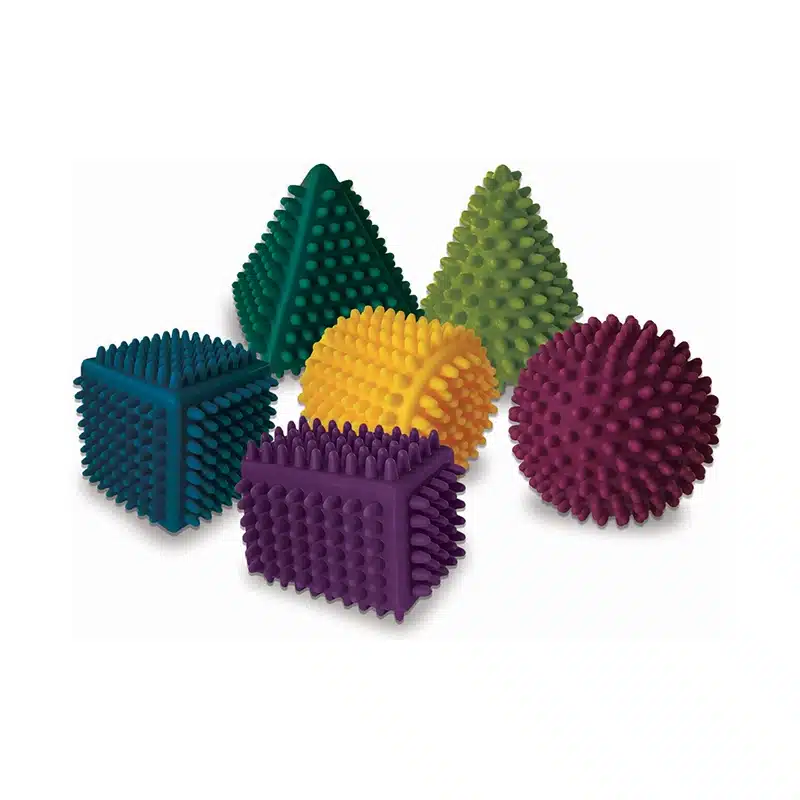
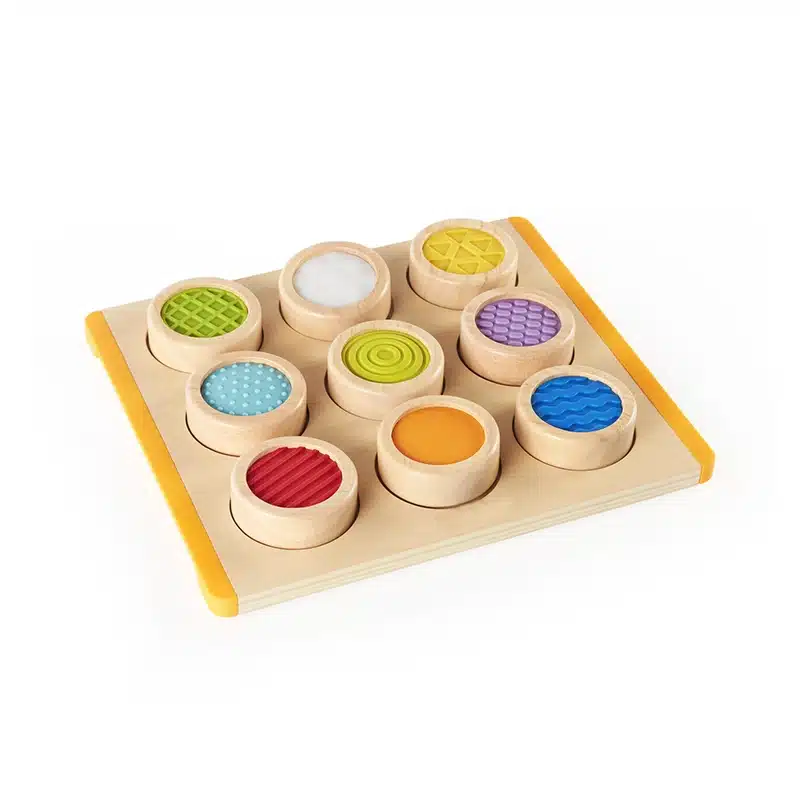
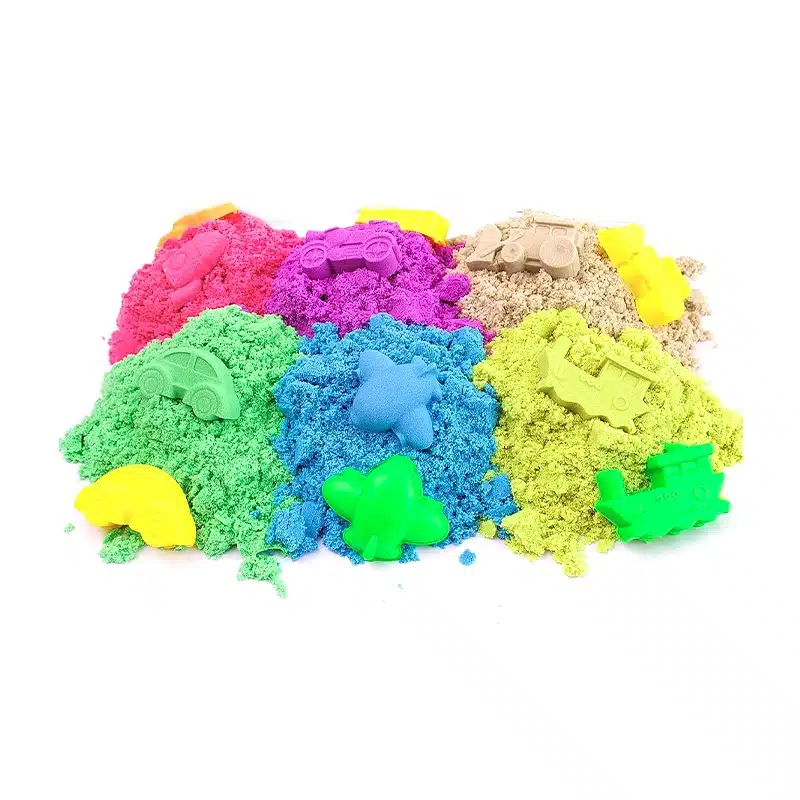
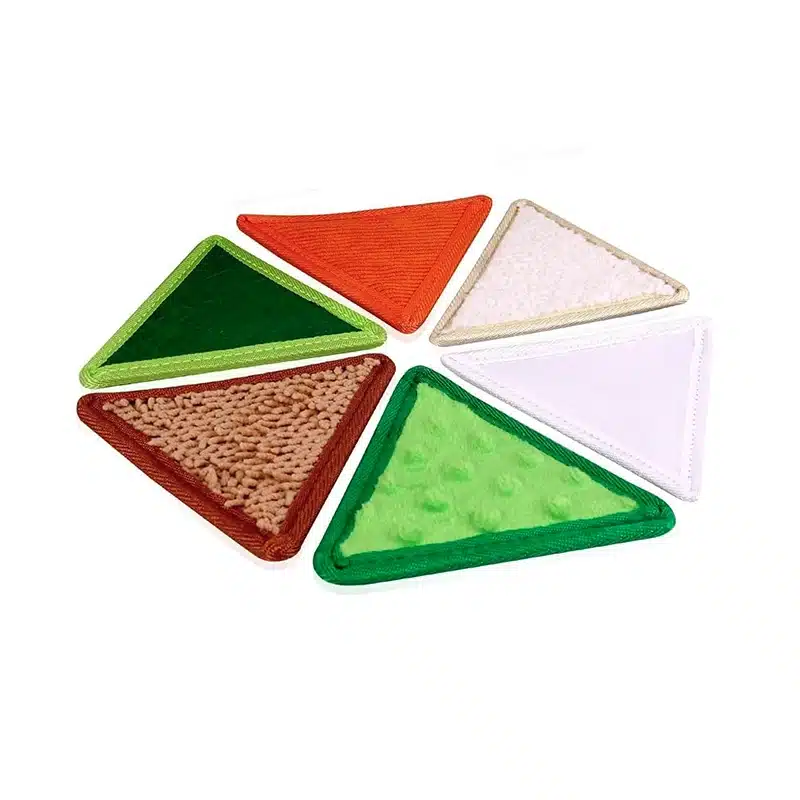
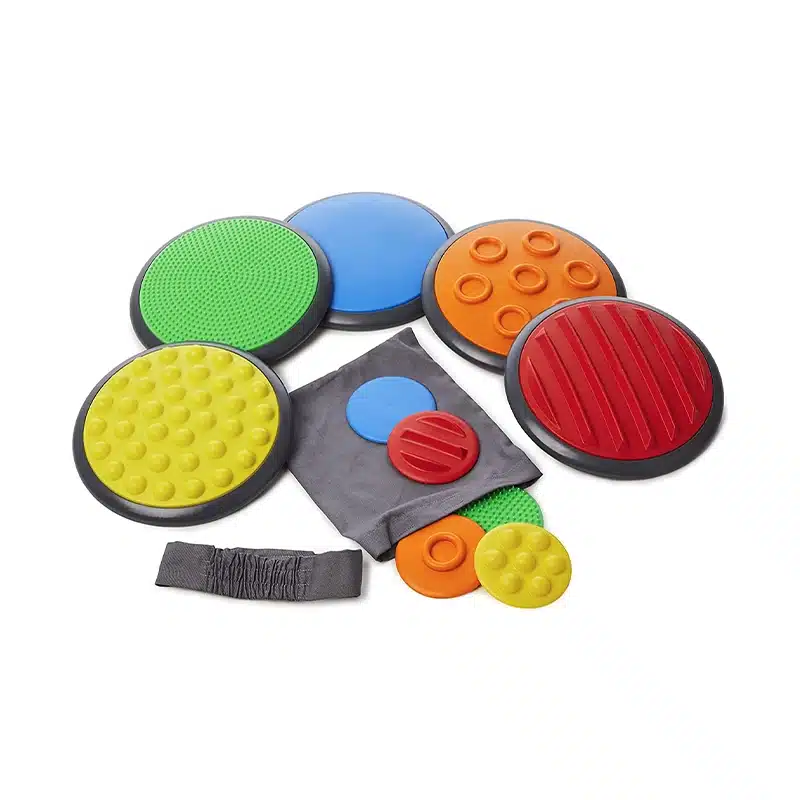
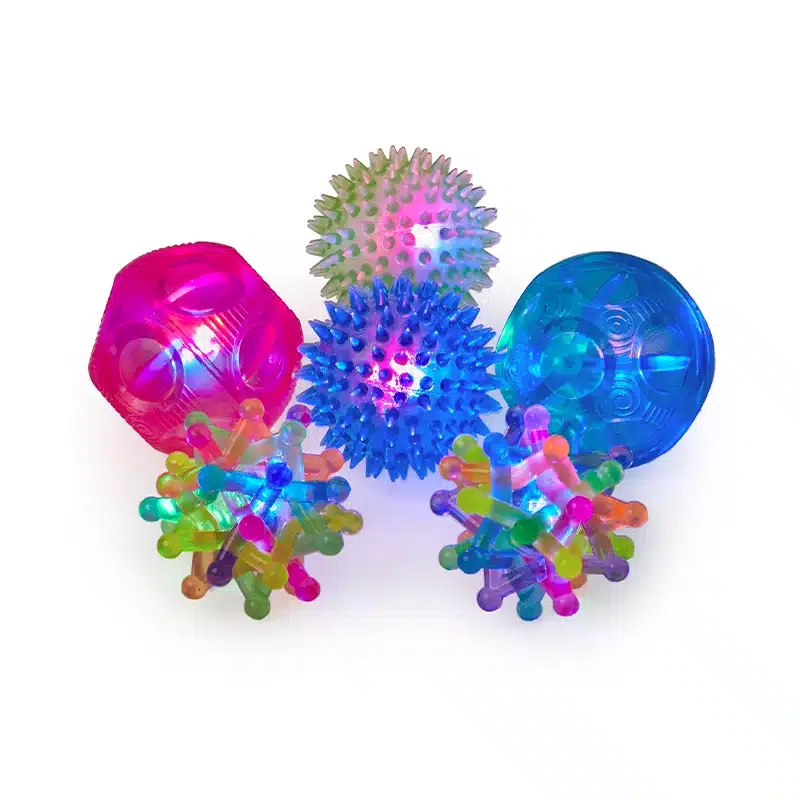
Includes textured balls, sensory mats, kinetic sand, and fidget tools. These toys engage the sense of touch and help develop fine motor skills, sensory tolerance, and calming responses through varied surfaces and resistance levels.

Visual Sensory Toys
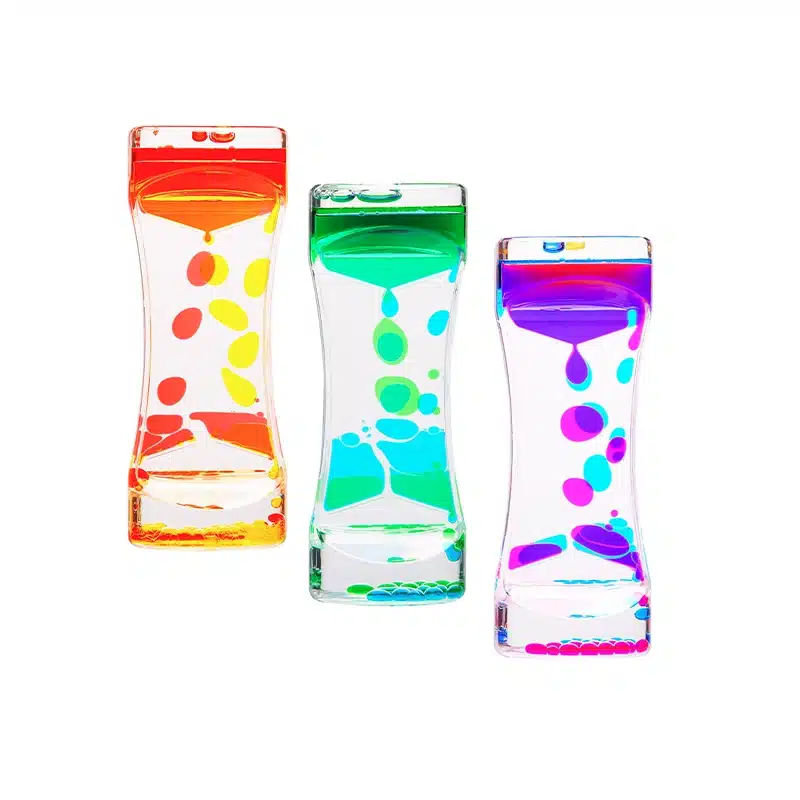
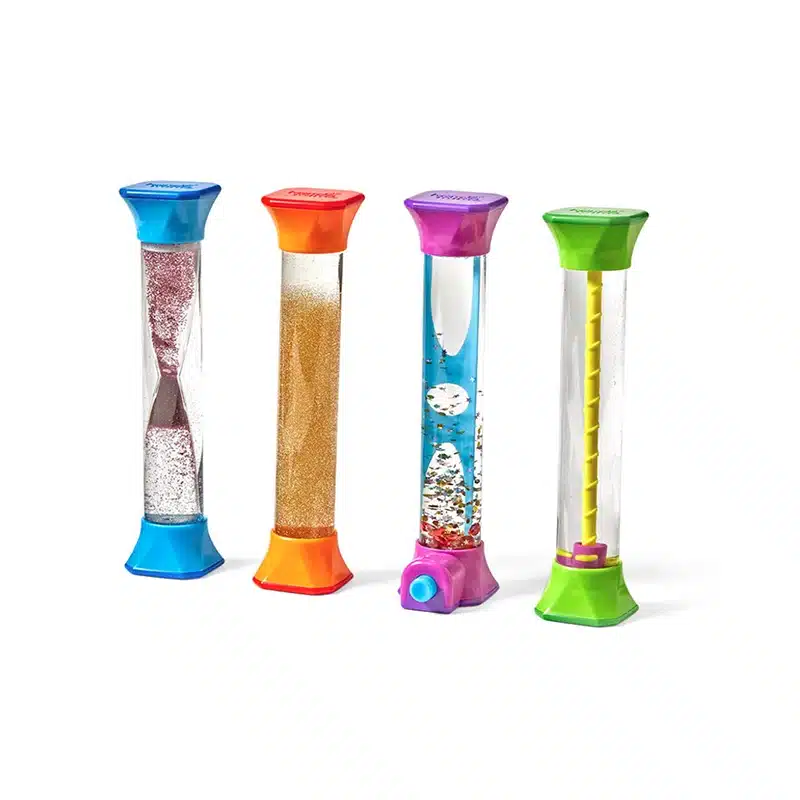
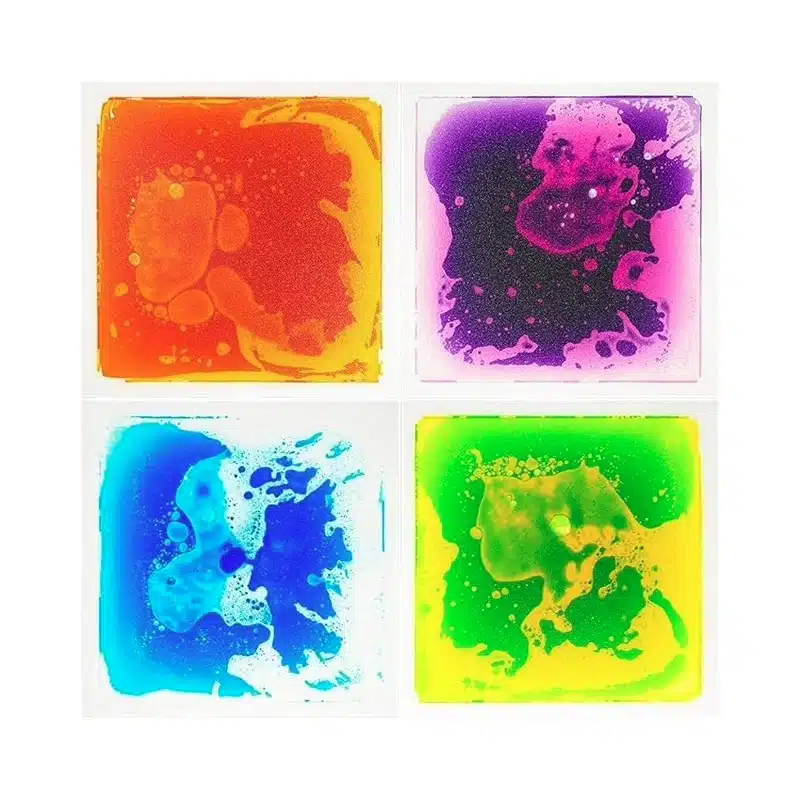
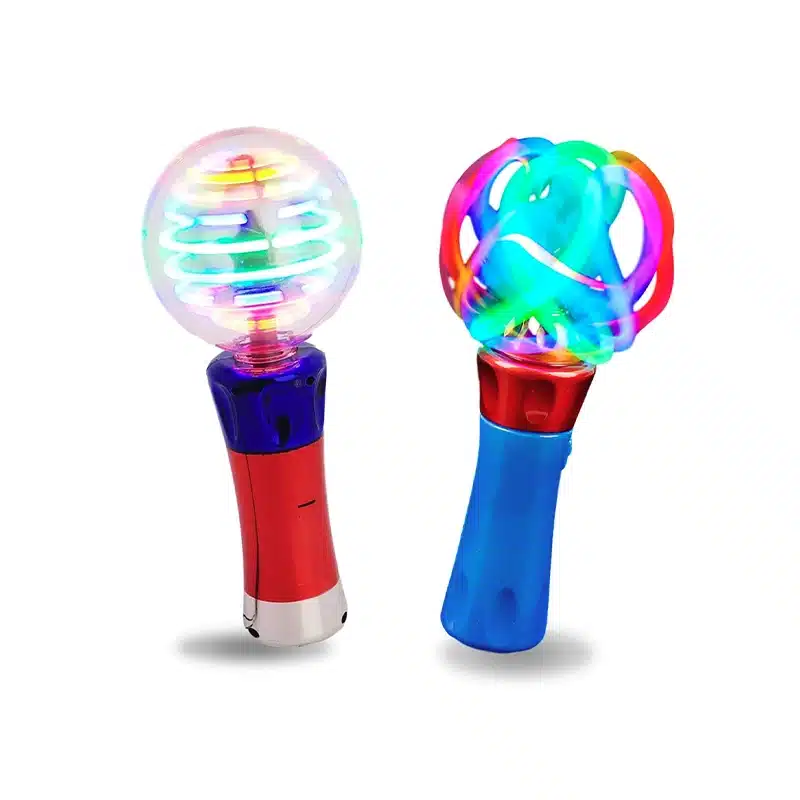
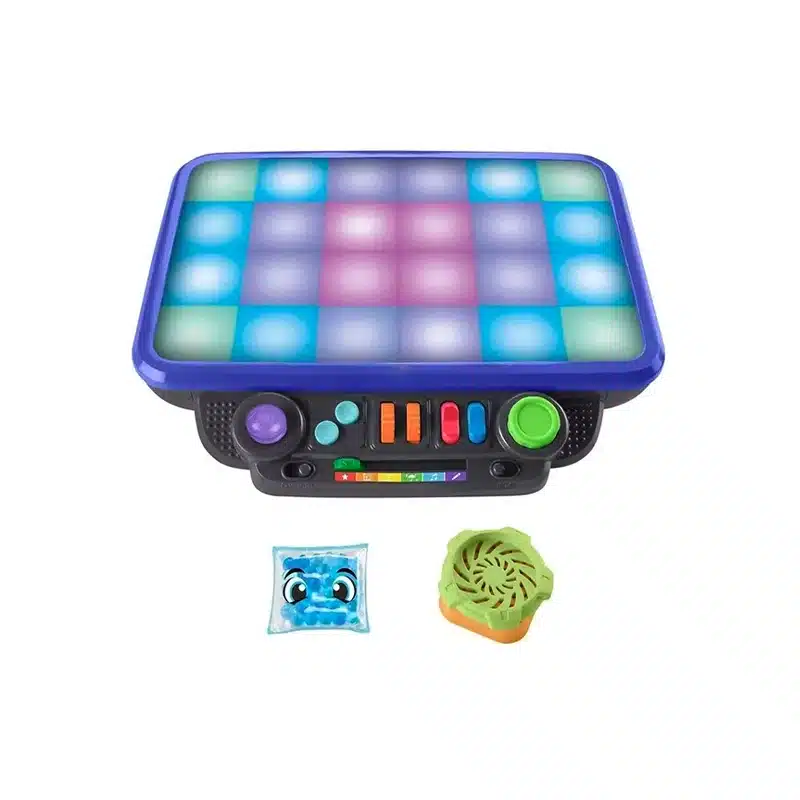
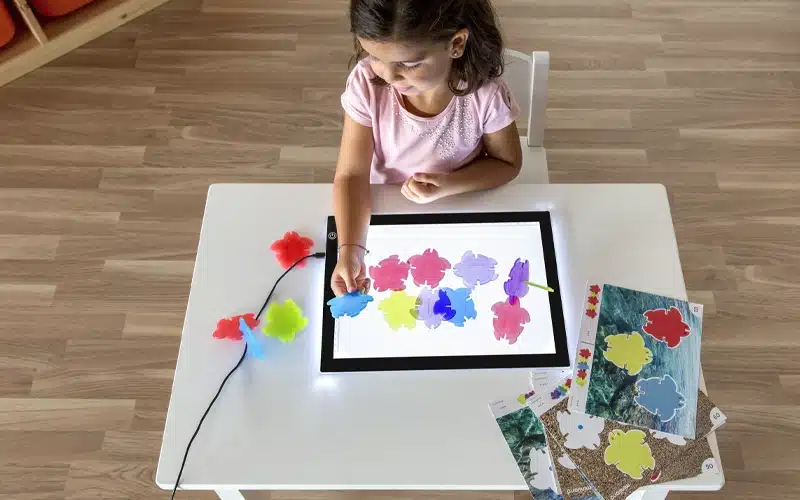
Features light panels, color viewers, bubble tubes, and spinning wheels. These items are designed to capture attention, encourage visual tracking, and promote visual discrimination, especially useful for calming or focus-enhancing activities.
Auditory Sensory Toys
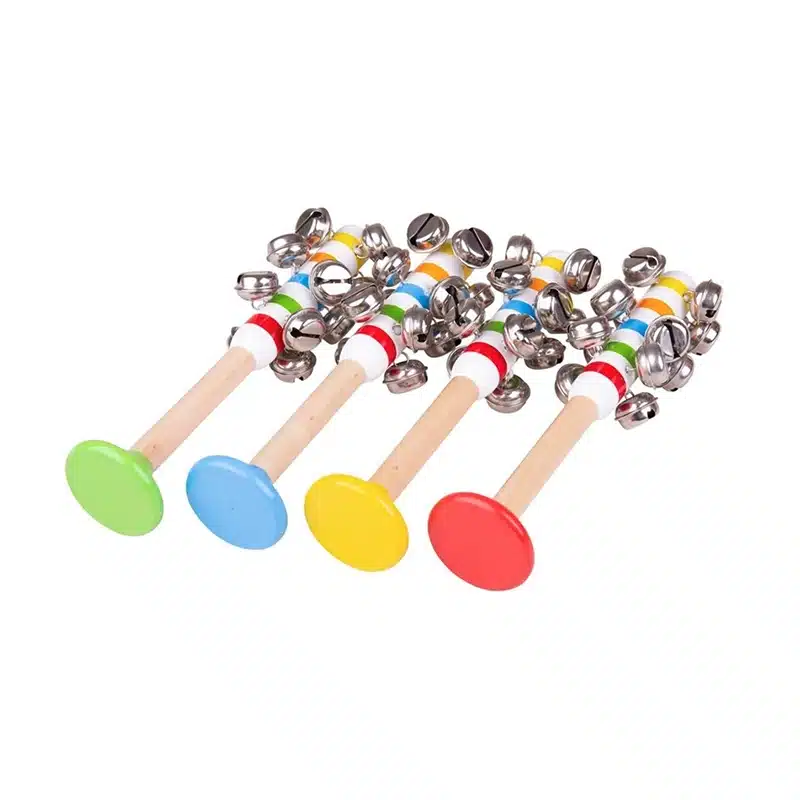
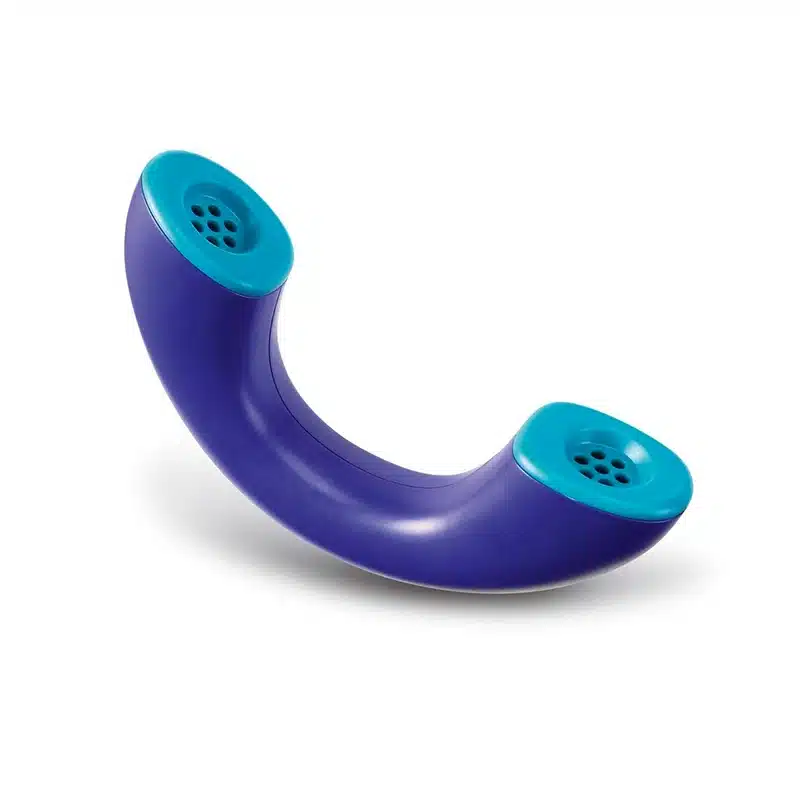
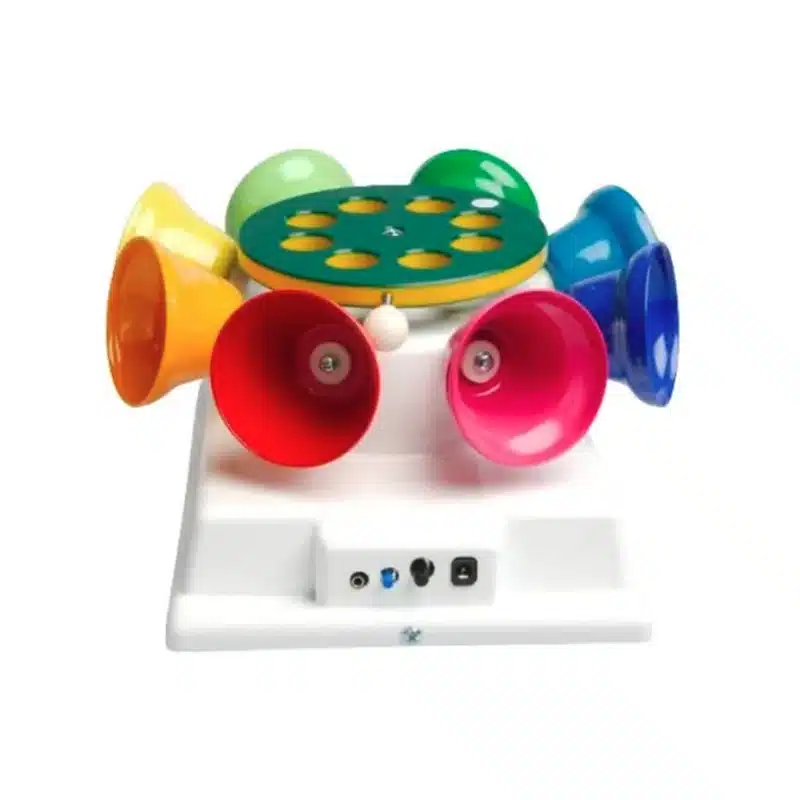
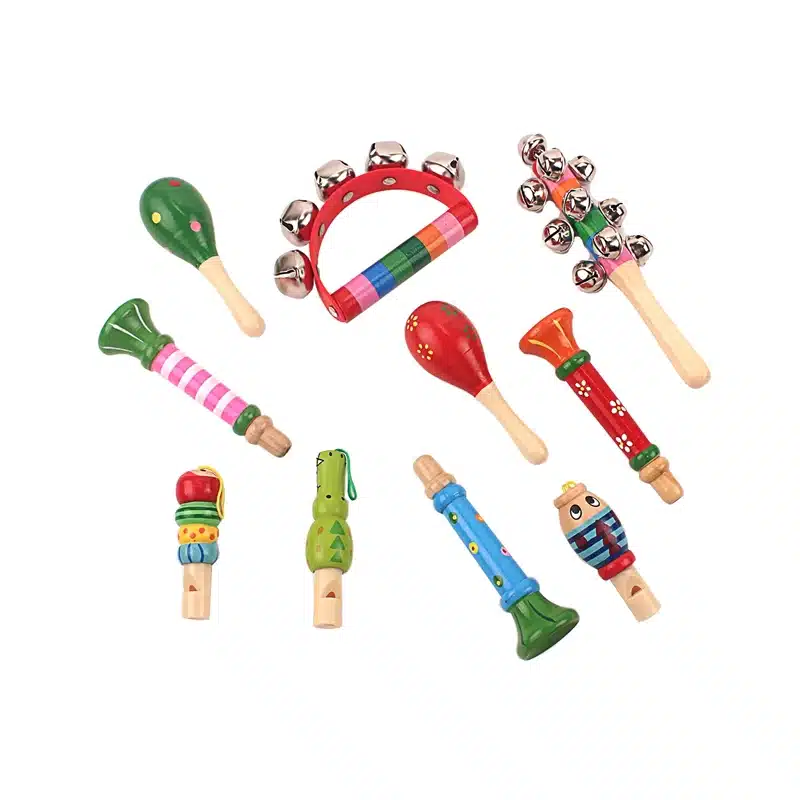
Includes rainmakers, sound tubes, musical shakers, and chime instruments. These toys support auditory processing and listening skills, helping children respond to sound patterns and engage in rhythm-based activities.

Proprioceptive and Movement Toys
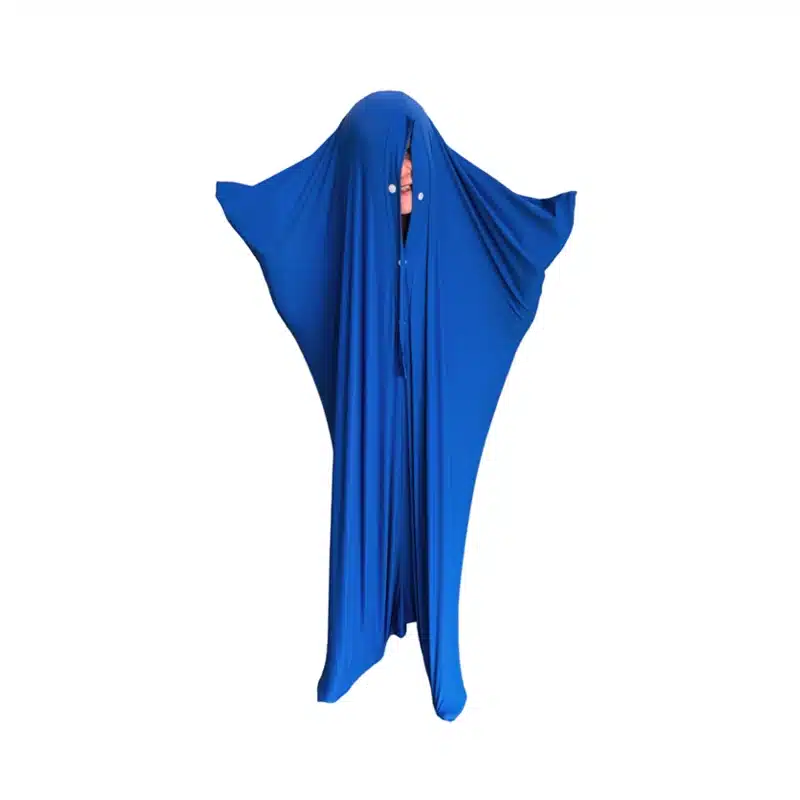
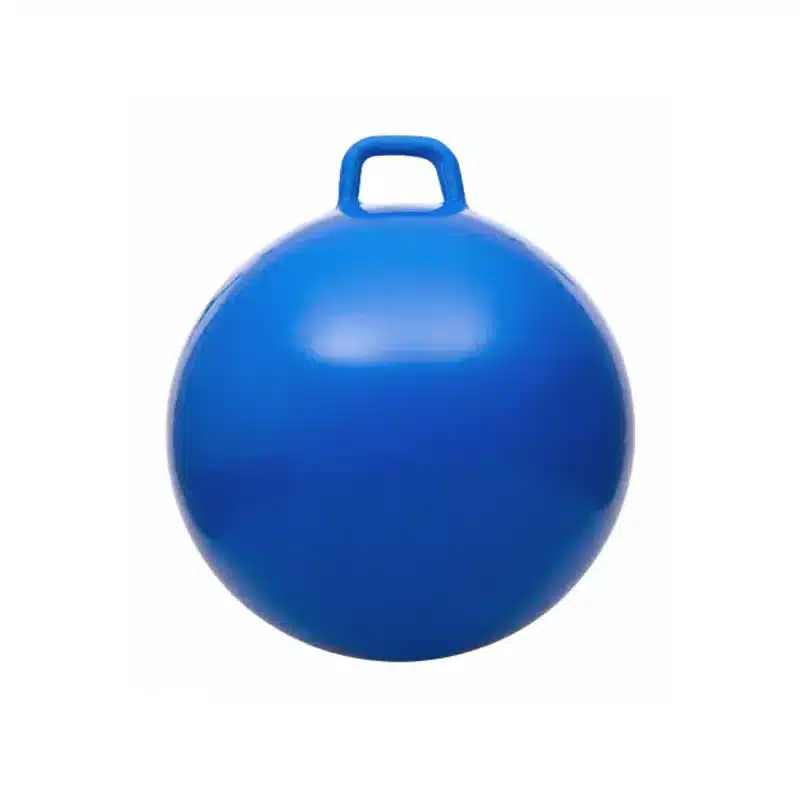
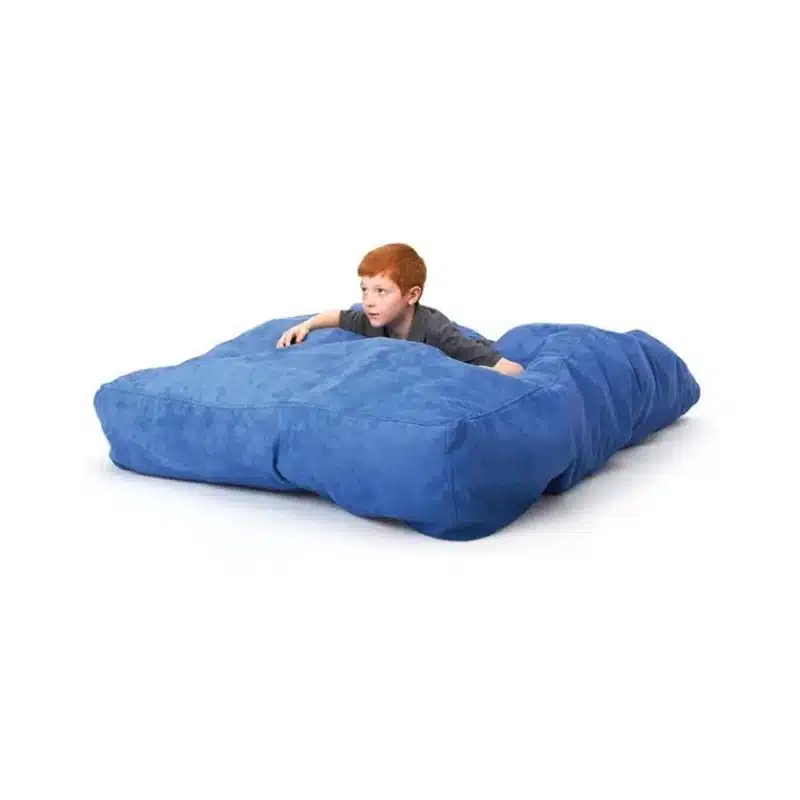
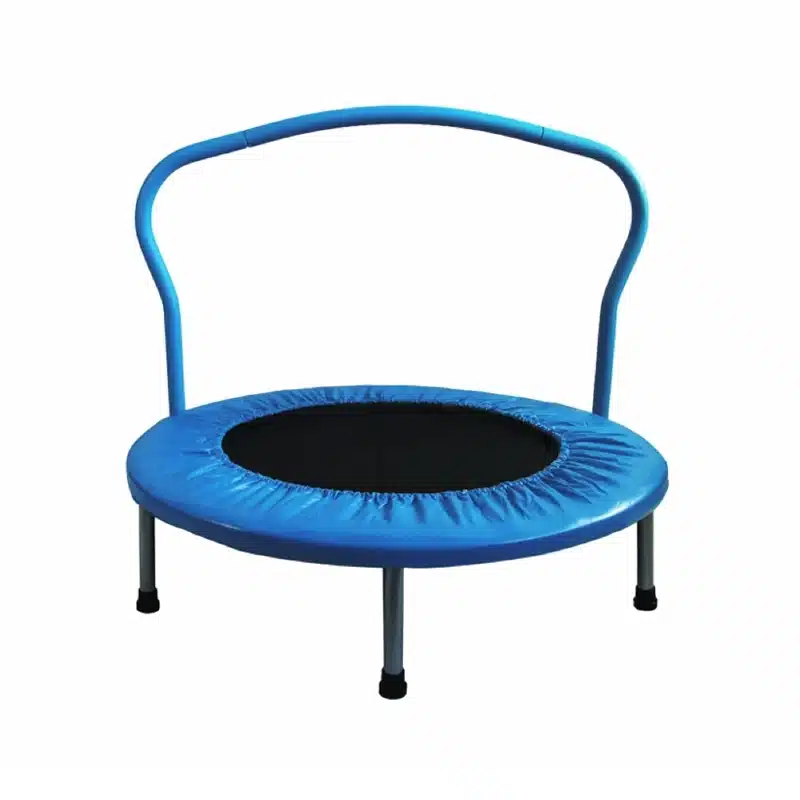
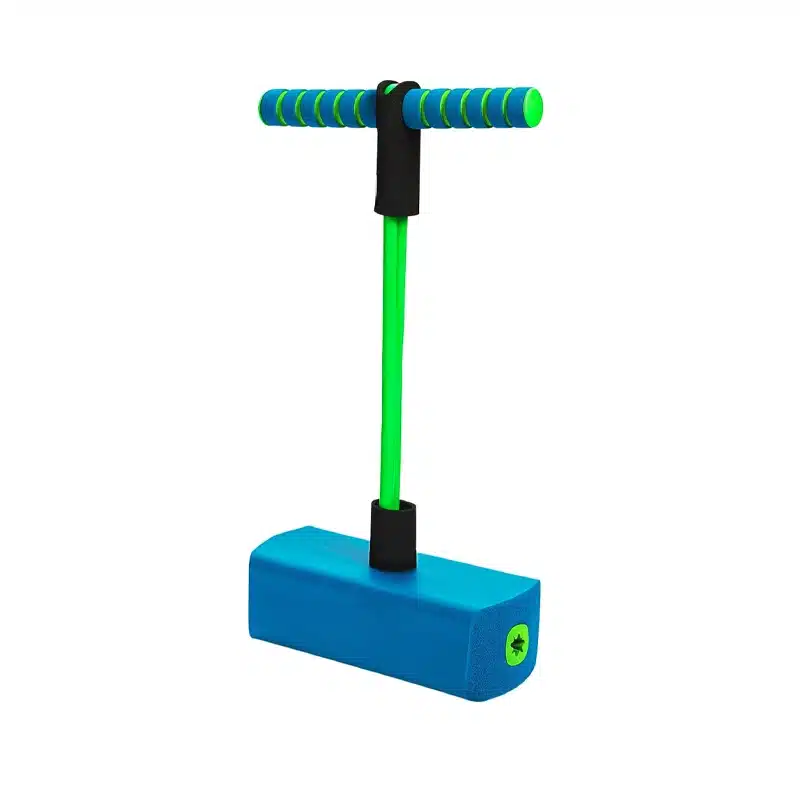
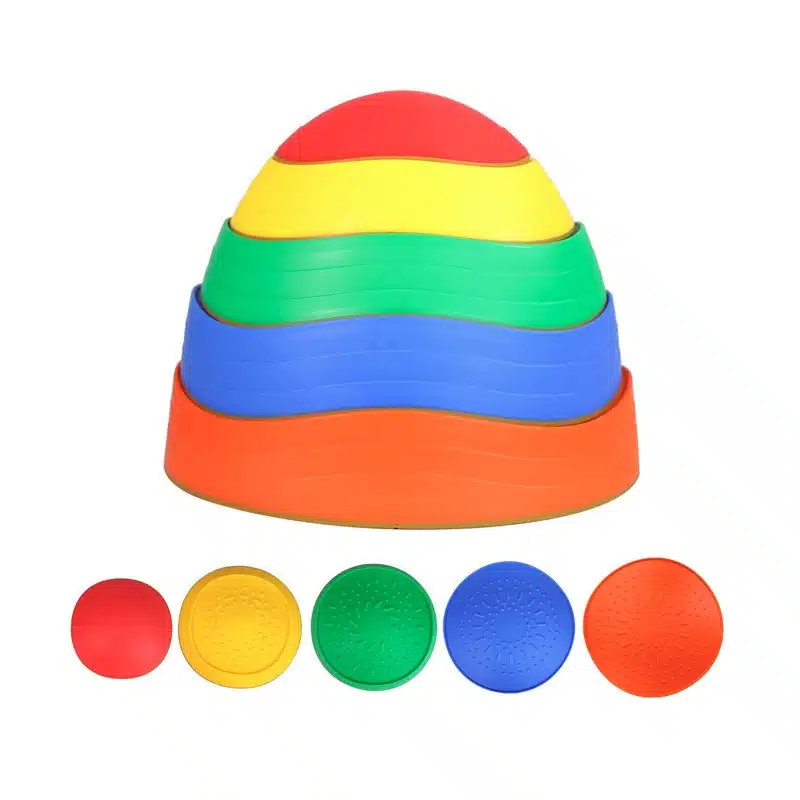
Weighted toys, balance boards, rocking cushions, and body socks provide deep pressure and physical input that support body awareness, balance, and gross motor coordination. Ideal for active movement breaks or calming routines.
Olfactory and Oral Sensory Toys
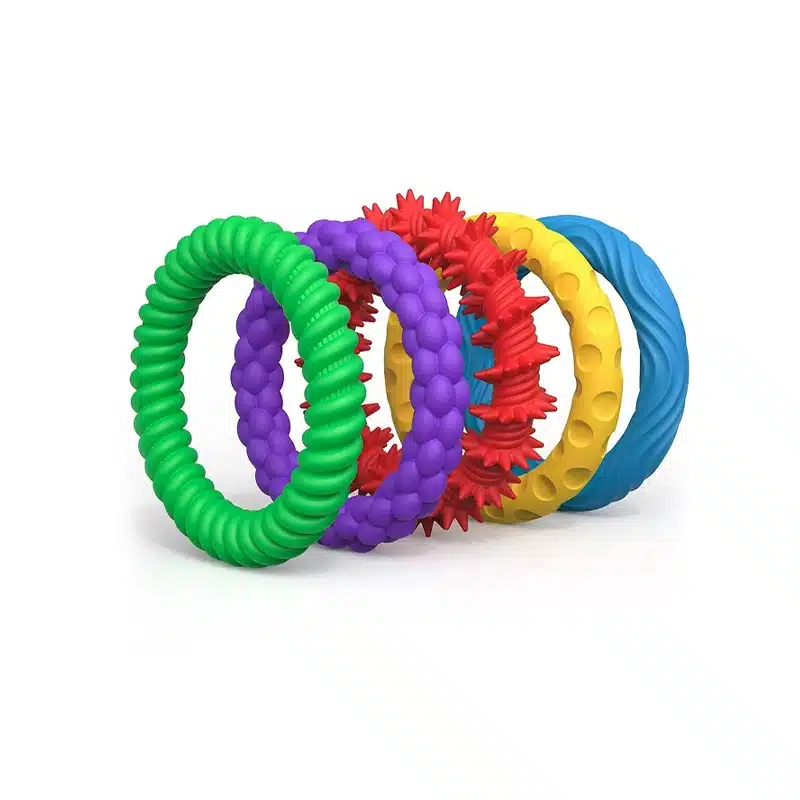
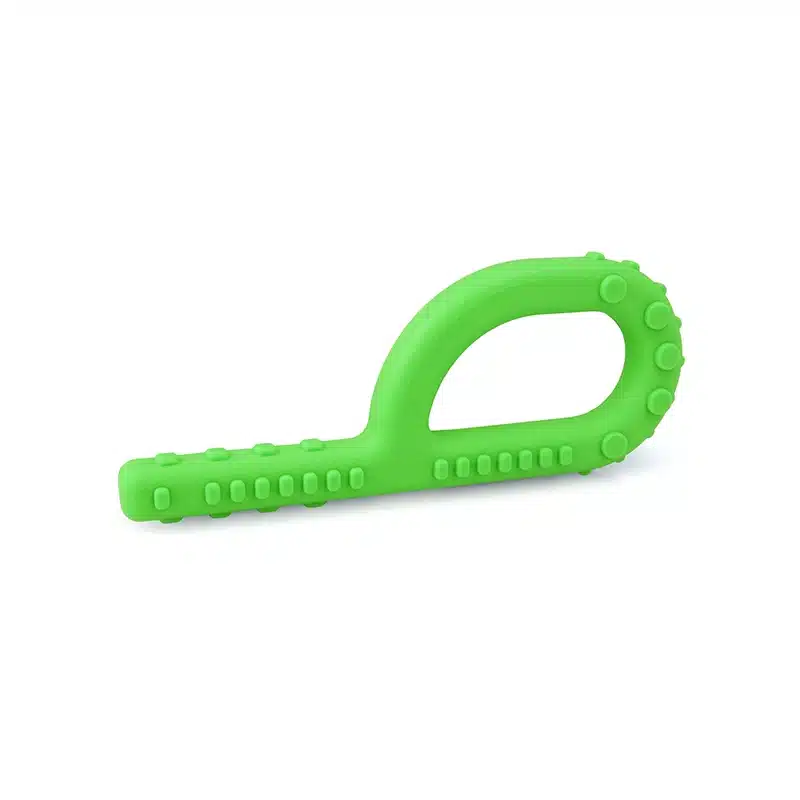
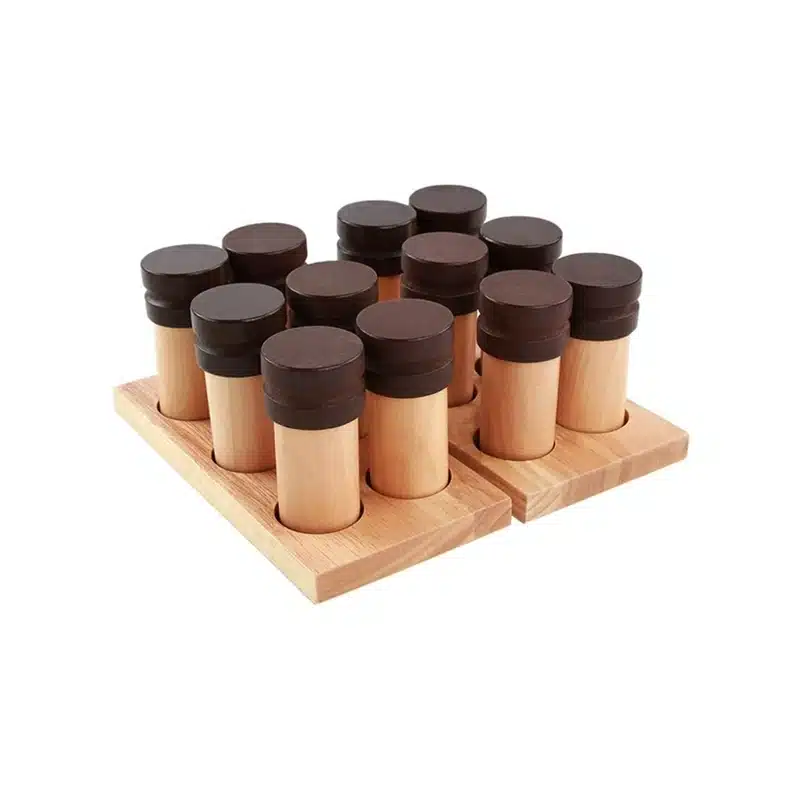
Includes scented dough, smell jars, chewable necklaces, and oral motor tools. These toys stimulate smell and oral sensory input, supporting regulation and sensory exploration in a controlled and safe manner.
View more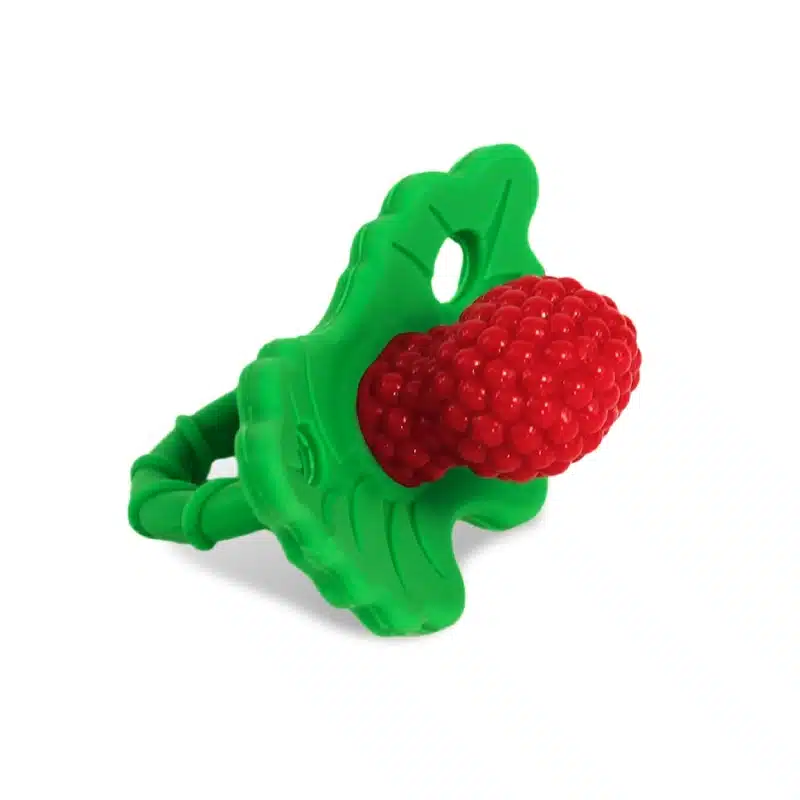

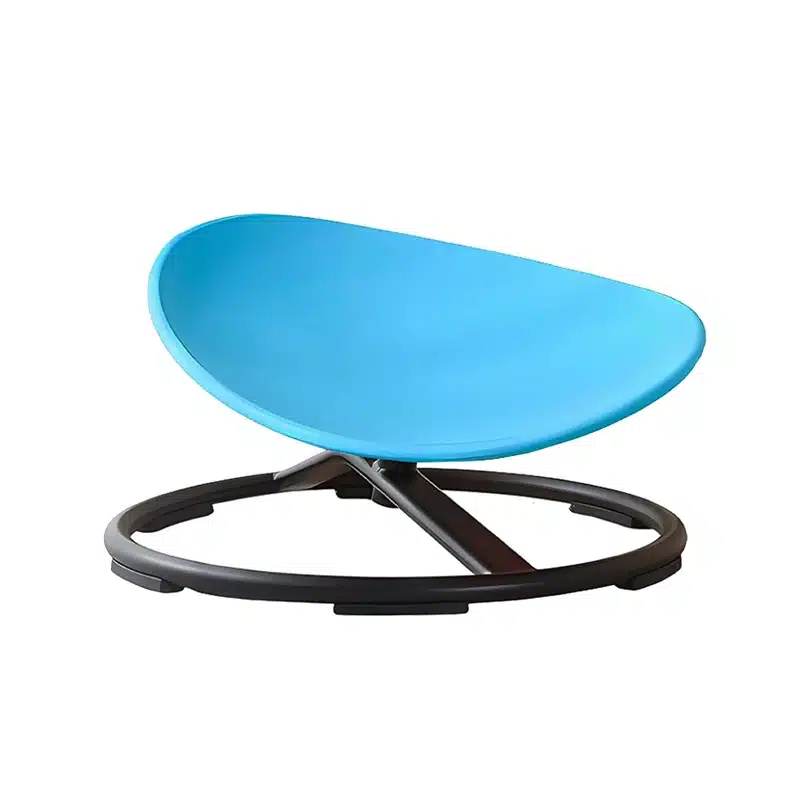
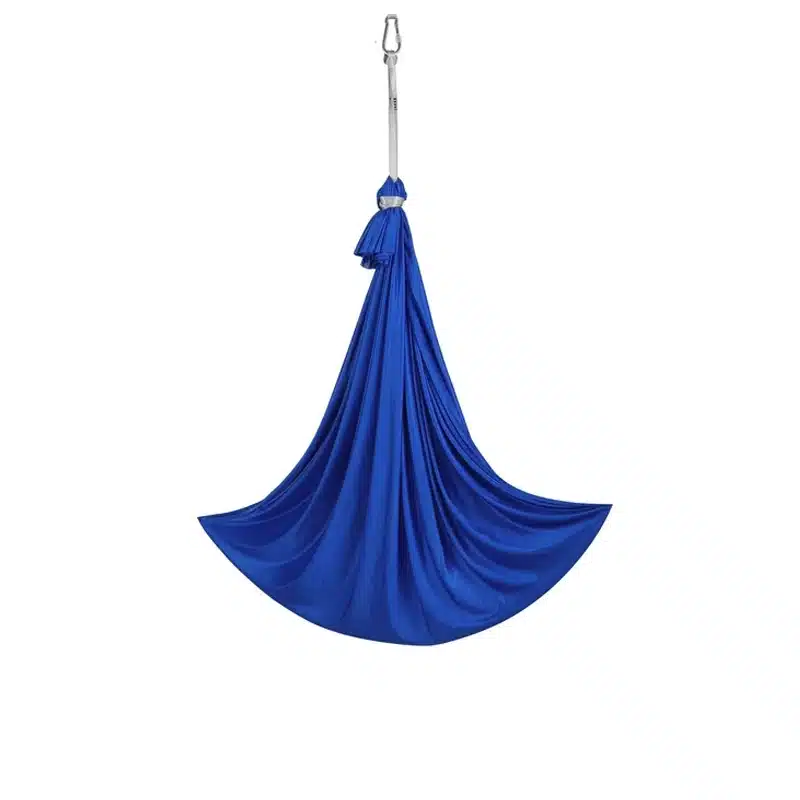
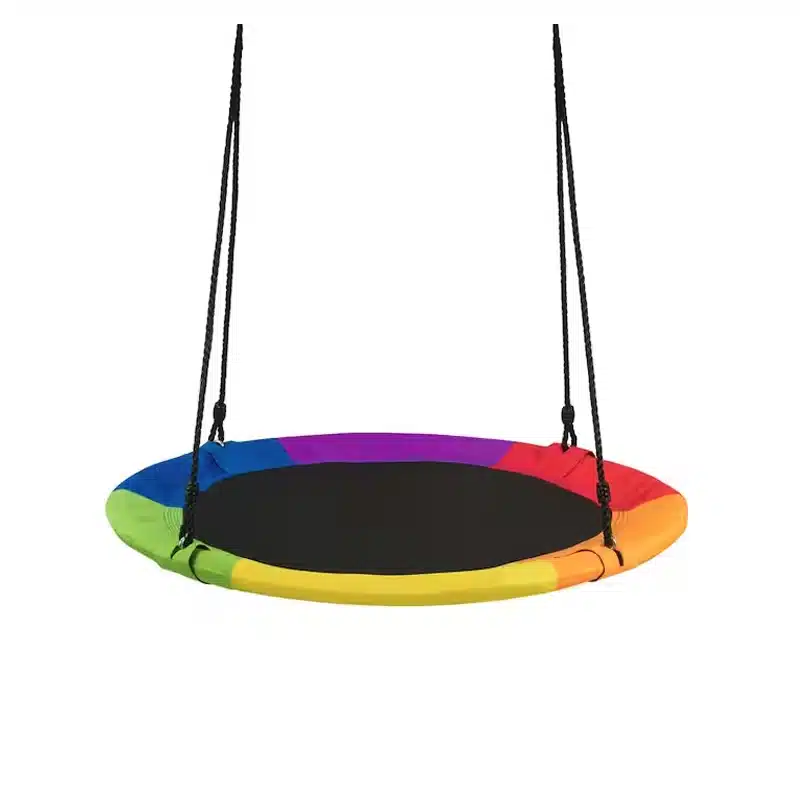
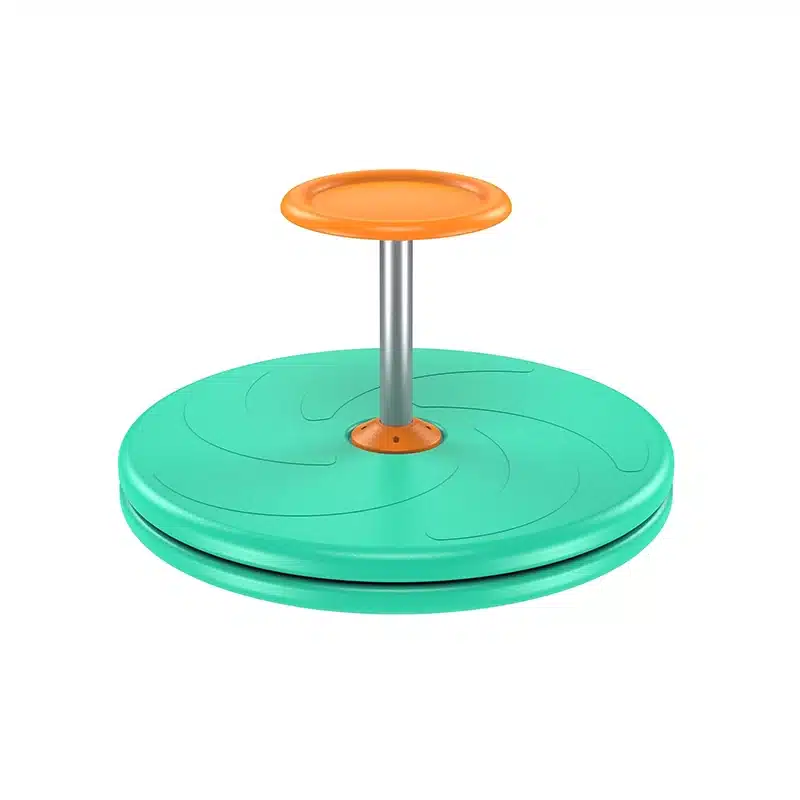
Vestibular & Balance Toys
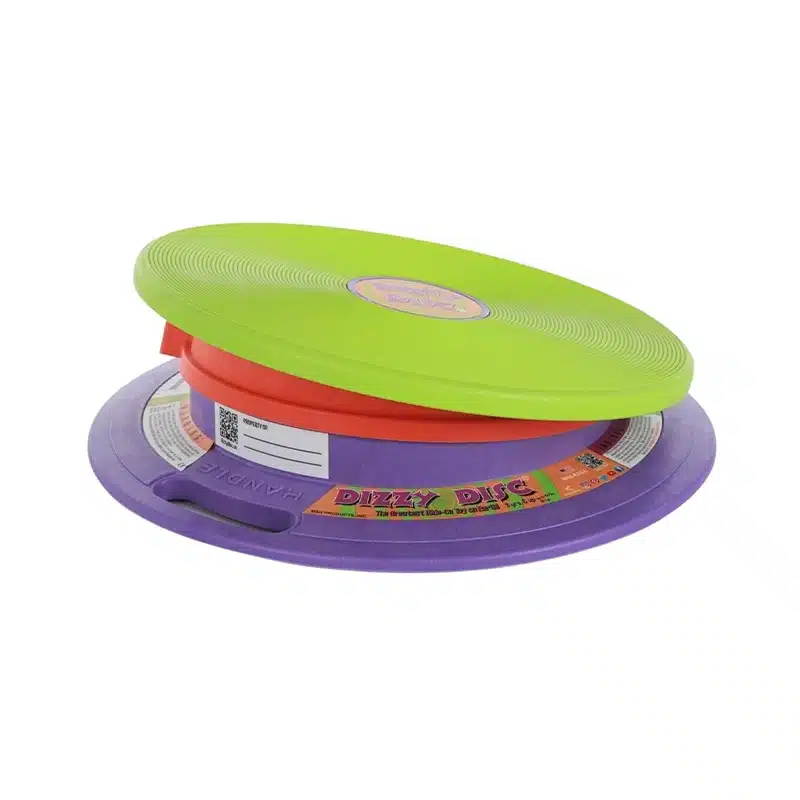
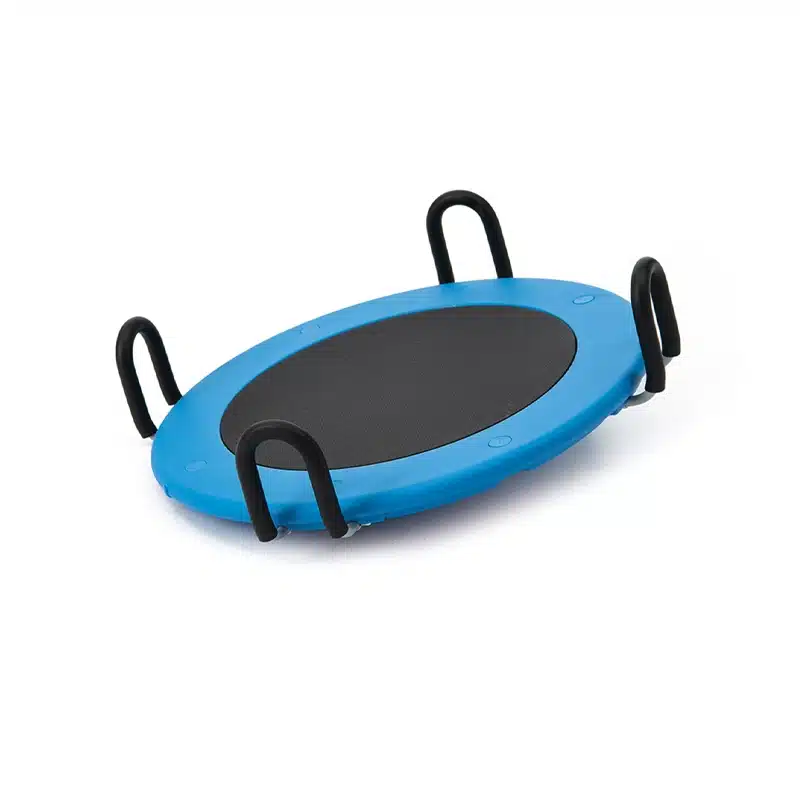
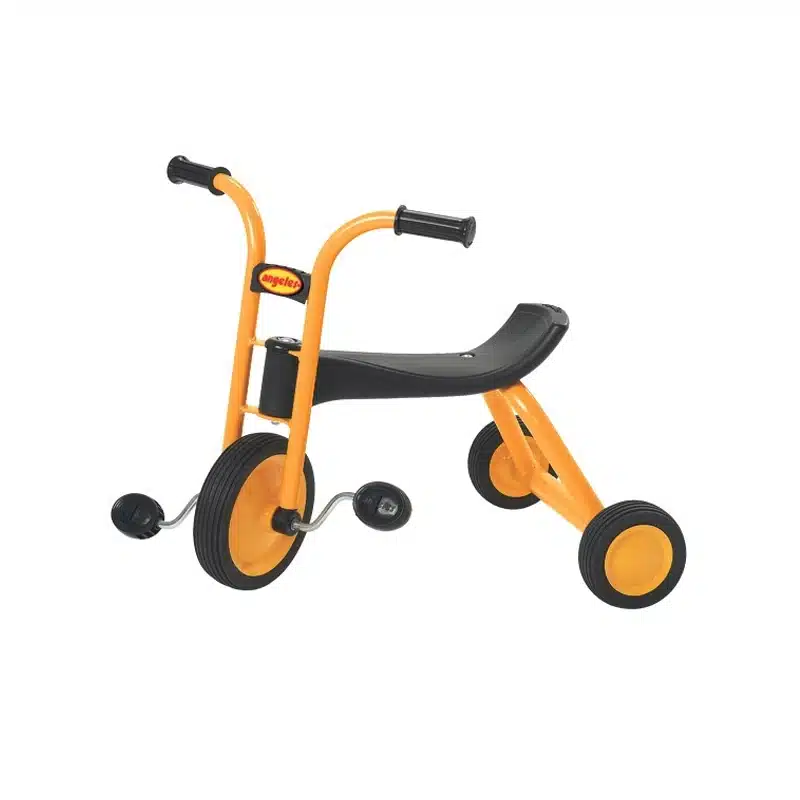
Wobble boards, rocking barrels, and spinning seats promote balance, core strength, and spatial orientation, giving active movers the vestibular input they need to regulate energy levels.
View more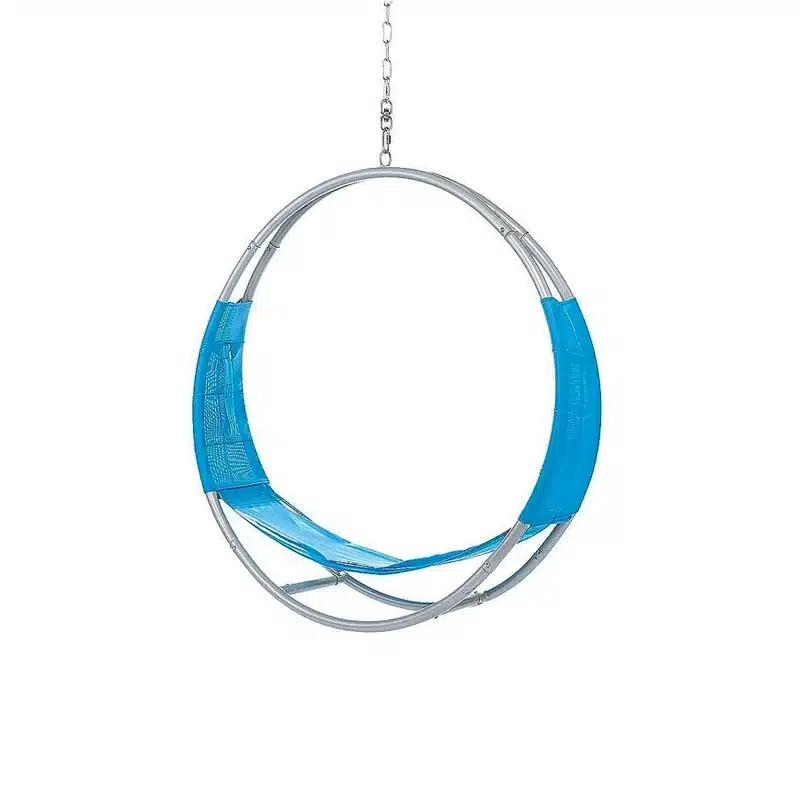
Multi-Sensory Integration Sets
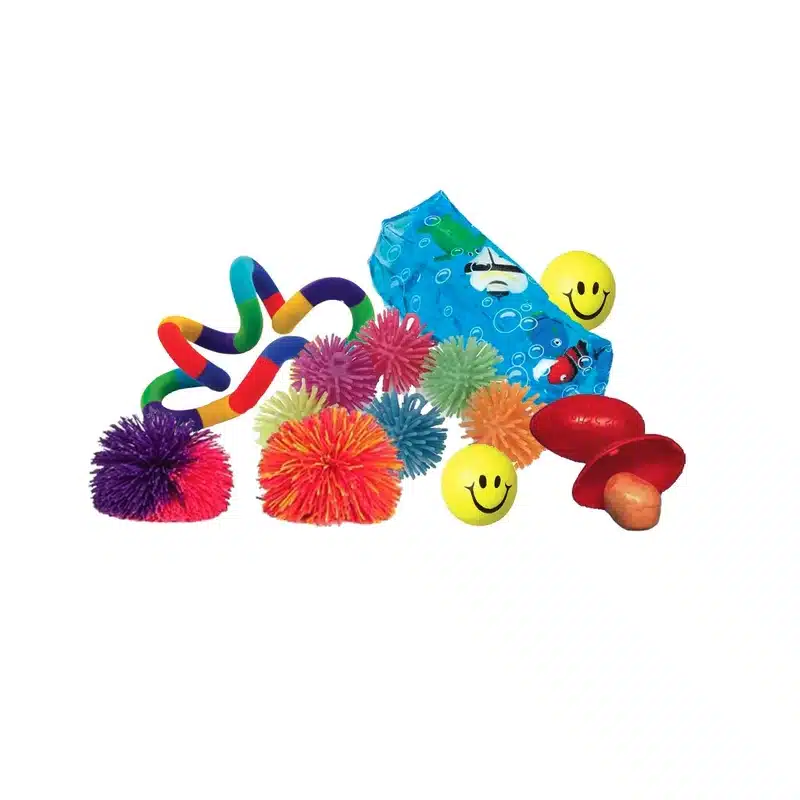
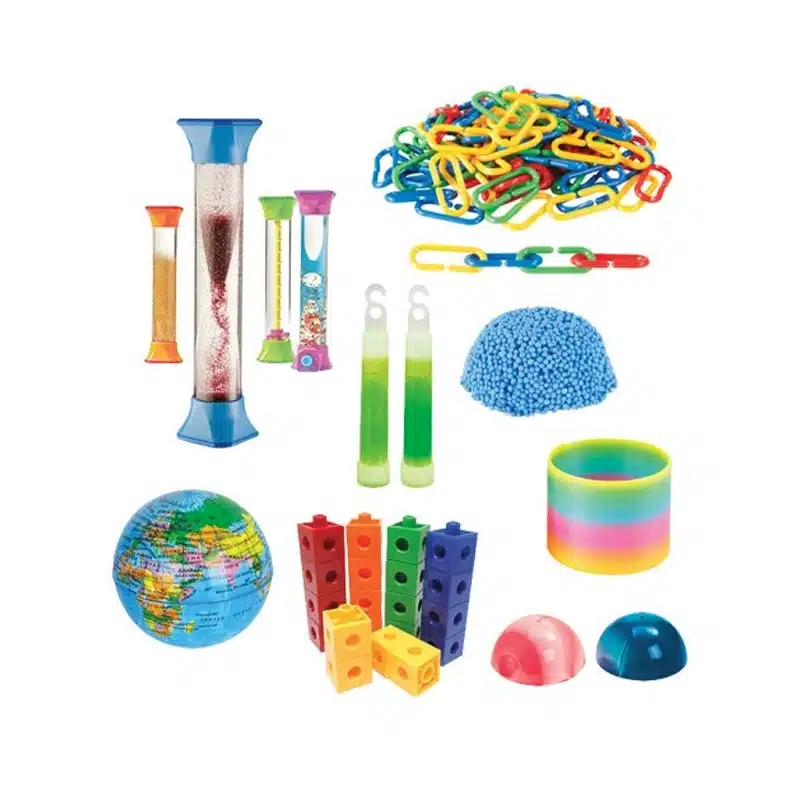
Combination kits bundle tactile, visual, and auditory elements—such as light-up textured rollers or sound-filled squeezables—to address multiple sensory channels at once, ideal for therapy rooms and inclusive classrooms.
View more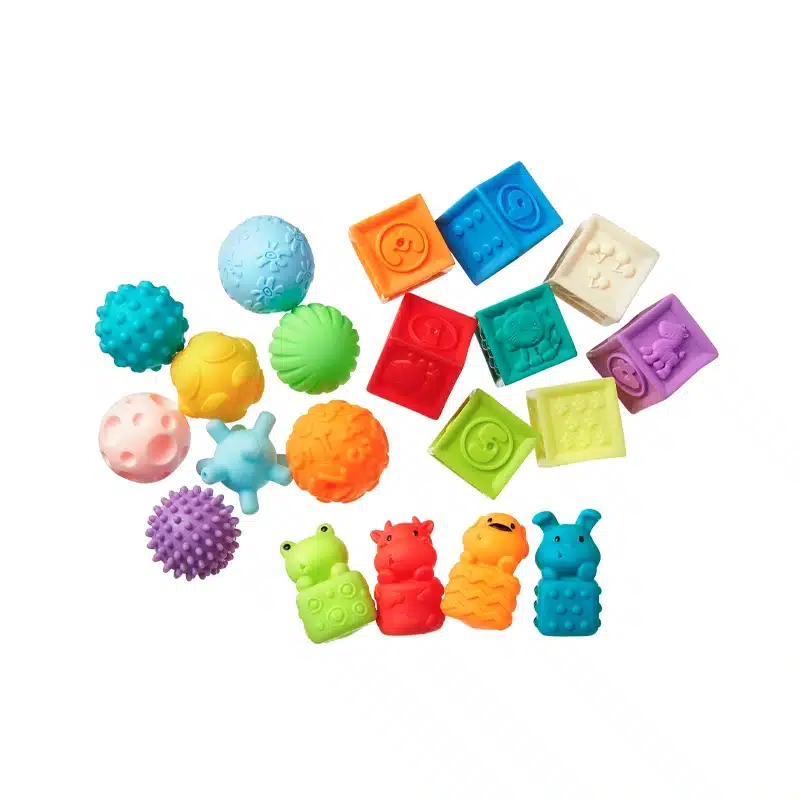
XIha Montessori: Trusted Supplier of High-Quality Sensory Toys for Early Childhood and Special Needs Education
We specialize in the design, manufacturing, and global supply of high-quality sensory toys that support early childhood development and special education needs. Our products are crafted with safe, durable, and therapeutic-grade materials—ideal for classrooms, therapy centers, and home environments. We provide customized solutions, fast delivery, and strict quality control to ensure every item meets educational and developmental standards. Whether you’re sourcing tactile tools, sensory integration sets, or calming aids, we offer reliable products and professional support tailored to your needs.
Sensory Toys Materials
The quality and safety of materials are essential in the design of sensory toys, as these products are often used by infants, toddlers, and children with sensory sensitivities. Our sensory toys are made from carefully selected materials. Each material is chosen for its functional properties, durability, and safety compliance.
- Silicone (Food-Grade)Soft, flexible, and non-toxic, silicone is ideal for chewable sensory items and tactile fidgets. It is BPA-free, phthalate-free, and easy to sanitize, making it safe for oral and hands-on use.
- Plastic (BPA-Free)Durable, lightweight plastic is used in light panels, sound tubes, and visual effect toys. Only BPA-free, lead-free plastics are used to ensure compliance with international child safety standards.
- WoodSmooth-finished, natural wood is used in tactile blocks, sound shakers, and sorting boards. Its organic texture supports sensory integration while offering a natural aesthetic and eco-friendly choice.
- Fabric and TextilesMaterials like cotton, fleece, and microfiber are used in weighted lap pads, sensory blankets, and textured plush toys. These fabrics offer comforting textures and are often washable for hygiene maintenance.
- Gel and Liquid-Filled VinylUsed in sensory pads, squish balls, and fidget tiles, gel- and liquid-filled products provide pressure and movement feedback. We use sealed, medical-grade vinyl for leak prevention and durability.
- Foam and RubberHigh-density EVA foam and soft rubber are used in balance toys and proprioceptive items. These materials provide resistance, cushioning, and grip for active play and motor planning.
What Factors Should Consider When Buying Sensory Toys?
Choosing sensory toys is not a one-size-fits-all task. It requires consideration of the child’s individual needs, their developmental stage, and the setting in which the toy will be used. Let’s break down the key factors that should guide your decision-making process.
Age Appropriateness
One of the first things to consider when selecting a sensory toy is the age of the child. Toys must not only be safe for a particular age group but must also match the child’s developmental level. For infants, soft textures, high-contrast visuals, and simple rattles are ideal. Toddlers benefit from toys that encourage motor coordination and problem-solving. Age-appropriate selection ensures the toy is neither too advanced nor too simplistic, maintaining both engagement and safety.
Safety Considerations
Safety cannot be compromised. For younger children, this means avoiding small parts that can be choking hazards. Materials must be non-toxic, especially for toys designed to be mouthed or chewed. Ensure the toy has undergone safety certification relevant to your region (such as ASTM or CE). Also, be cautious of sharp edges, electrical components, or items that may easily break. If the toy includes electronic elements, battery compartments should be child-proof.
Multi-Sensory Experiences
Great sensory toys engage more than one sense. A toy that lights up and plays music while offering tactile stimulation through various textures provides a richer experience than a single-sense product. Multi-sensory engagement supports integrated brain development, encouraging children to process information from multiple inputs simultaneously — a critical skill in real-life situations.
Educational Value
Sensory play isn’t just fun — it’s a foundational learning process. The best sensory toys promote early literacy, numeracy, or problem-solving in subtle ways. For example, sand trays can encourage letter writing, while shape-sorters boost spatial awareness. When choosing sensory toys, opt for those that support not only sensory stimulation but also educational growth.
Versatility and Adaptability
A good sensory toy grows with the child. Versatile items that can be used in various contexts or customized to fit different developmental levels offer greater value over time. Consider whether a toy can be used individually, in group settings, or across multiple environments like home and school. Some toys come with adjustable components or difficulty levels, making them adaptable and long-lasting.
Setting a Budget and Size
While it’s easy to get carried away by premium toys with advanced features, cost doesn’t always equate to quality. Many affordable sensory toys are equally effective. Also, consider the size of the toy about your space and portability needs. A large sensory mat may be wonderful, but is it suitable for a shared living space or classroom?
Understanding Sensory Play for Different Age Groups
Children at different developmental stages benefit from distinct types of sensory input. Understanding these nuances will help you choose sensory toys that align with their growth trajectory.
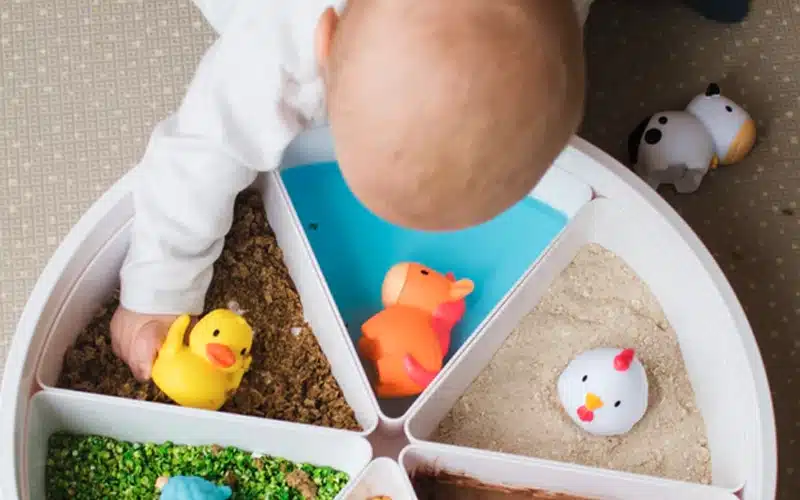
Sensory Play for Babies (0–12 Months)
At this stage, sensory play should focus on stimulating basic senses — primarily touch, sight, and sound. These help babies begin to understand cause and effect, object permanence, and provide comfort.
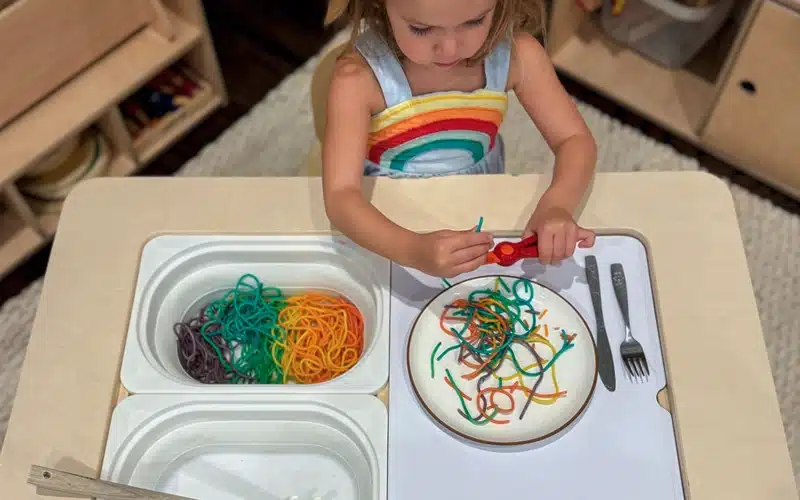
Sensory Play for Preschoolers (3–5 Years)
Preschoolers are in a stage of rapid learning. Toys that integrate imaginative play with sensory stimulation are highly effective.
Sensory Play for School-Age Children (6–12 Years)
School-age children can benefit from structured sensory challenges to improve planning, memory, and problem-solving skills.
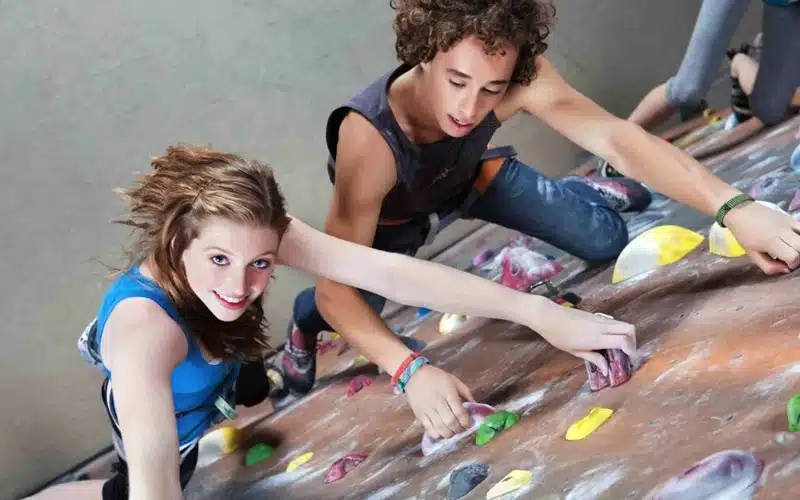
Sensory Aids for Teens (13–18 Years)
For teenagers, sensory tools are often used for stress relief or emotional regulation. These tools support teens through academic pressures and social-emotional development.
Matching Toys to Specific Sensory Needs
Understanding your child’s sensory profile is essential. Some children are under-responsive, seeking intense stimulation. Others are over-responsive, avoiding even mild input.
Here’s how to match the toy with their needs:
For Sensory Seekers:
- Vibrating pillows
- Bright, flashing toys
- Loud musical devices
- Heavy tactile tools like weighted vests
For Sensory Avoiders:
- Soft, dimly lit visual toys
- Gentle textures (minky fabric, silk)
- White noise sound machines
- Subtle movement toys (e.g., slow spinning tops)
* Consult an occupational therapist for in-depth sensory integration plans if challenges are severe.
Sensory Toy Safety Standards and Regulations
To protect children and ensure legal compliance, daycare providers must adhere to national and international safety standards for sensory toys.

ASTM F963
Standard Consumer Safety Specification for Toy Safety.

CPSC
Verified by the U.S. Consumer Product Safety Commission.

EN71
Ensures toys meet EU standards for physical and chemical safety.

ISO 8124
A general safety benchmark for mechanical, flammability, and toxicological criteria.
- Label Requirements. All toys should indicate:
- Minimum and maximum age suitability
- Warning signs for small parts or electric components
- Proper usage instructions
- Manufacturer contact information
Sensory Toy Maintenance and Cleaning
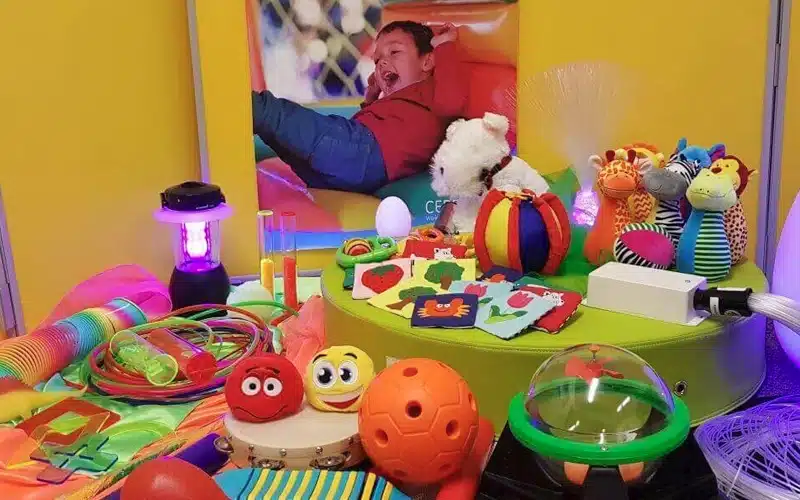
Maintaining sensory toys isn’t just about cleanliness—it’s about preserving their function, appeal, and safety. A structured maintenance routine can dramatically increase the life span and effectiveness of your sensory toy collection.
Establish a Cleaning Schedule
- Daily: Wipe down toys used in food or mouth play (e.g., chewable items, rattles).
- Weekly: Sanitize frequently used items with warm soapy water or child-safe disinfectants.
- Monthly: Deep clean all bins, shelves, and soft toys. Wash fabrics and inspect toys for damage.
Use Safe Cleaning Agents
Avoid bleach or harsh chemicals that can irritate children’s skin or remain as residue. Use:
- Diluted vinegar solutions
- Baby-safe disinfectant sprays
- Washing machine-safe pouches for soft items
Conduct Regular Safety Inspections
Designate one staff member per room to conduct monthly safety checks on all toys. Look for:
- Cracks or splinters
- Loose components
- Faded labels
- Unusual smells indicating mold or bacteria
Cleaning of sensory toys of different materials
- Plastic toys: Wipe with mild soap and water; some are dishwasher-safe.
- Fabric toys: Wash in a mesh bag on a gentle cycle, or hand wash if delicate.
- Wooden toys: Use a damp cloth with vinegar solution; avoid soaking.
- Electronic toys: Wipe down with alcohol-based wipes; ensure no liquid seeps into internal parts.
FAQs
1. How can I tell if a sensory toy is safe for my child?
Check age recommendations, look for safety certifications (like ASTM or EN71), and avoid small parts or exposed chemicals.
2. What’s the best sensory toy for calming a child?
Weighted items, sensory bottles, or fidget toys often work well, but it depends on the child’s sensory profile.
3. How many sensory toys does a child need?
Quality matters more than quantity. A well-chosen set of 4–6 versatile toys often covers most daily needs.
4. Can sensory toys help my child with learning delays?
Absolutely. Sensory play supports brain development, focus, motor skills, and language acquisition—especially when paired with educational tools.
5. Can sensory toys be used in schools?
Yes, sensory toys are increasingly used in classrooms to aid focus and self-regulation, especially for students with additional needs.
6. How do I know if a sensory toy is age-appropriate?
Check the manufacturer’s label for age guidelines and assess whether the toy’s complexity and safety features match the developmental stage of the children in your care.
7. What are the best sensory toys for mixed-age groups?
Toys like texture mats, sensory bins, and musical instruments with volume control are adaptable across ages, making them perfect for shared spaces.
8. Can sensory toys help children with special needs?
Absolutely. Sensory toys are especially beneficial for children with autism, ADHD, or sensory processing disorders by providing calming or stimulating experiences tailored to their needs.
Xiha Montessoris supplies superior preschool furniture and toys to over 500 kindergartens across the globe.
Contact us for a free consultation to customize the perfect solution for your needs.