
School Furniture for Modern Classrooms
Our school furniture collection offers a complete range of solutions tailored to modern educational environments. We specialize in designing and producing high-quality school desks, chairs, tables, storage units, teacher furniture, and cafeteria furnishings. Every piece is crafted with durability, ergonomic support, and student safety in mind. Our end-to-end service includes classroom design, product customization, quality inspection, and global shipping—making us a trusted partner for schools and educational institutions worldwide.
Comprehensive School Furniture Collection for All Learning Spaces
Our school furniture range is designed to support effective teaching, student comfort, and organized classroom environments. All furniture is available with customization options to fit classrooms, offices, libraries, and common areas.

School Table
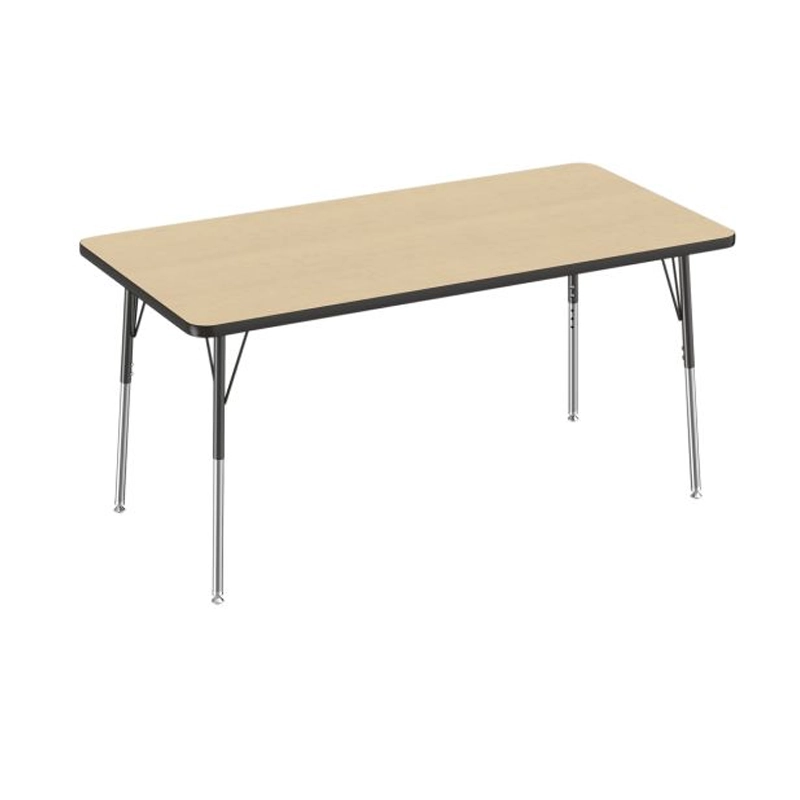
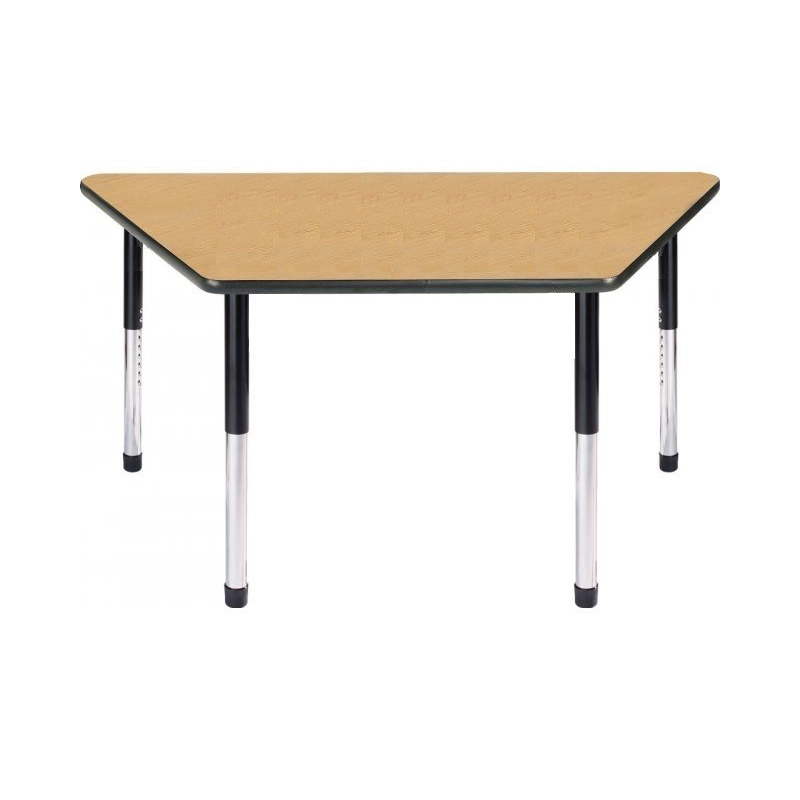
School tables are designed to support a variety of classroom activities, including individual study, group collaboration, and hands-on projects. Features include durable laminated tops, rounded safety edges, and stable leg structures. Available in multiple shapes and adjustable heights to suit different age groups and teaching needs.




School Desk
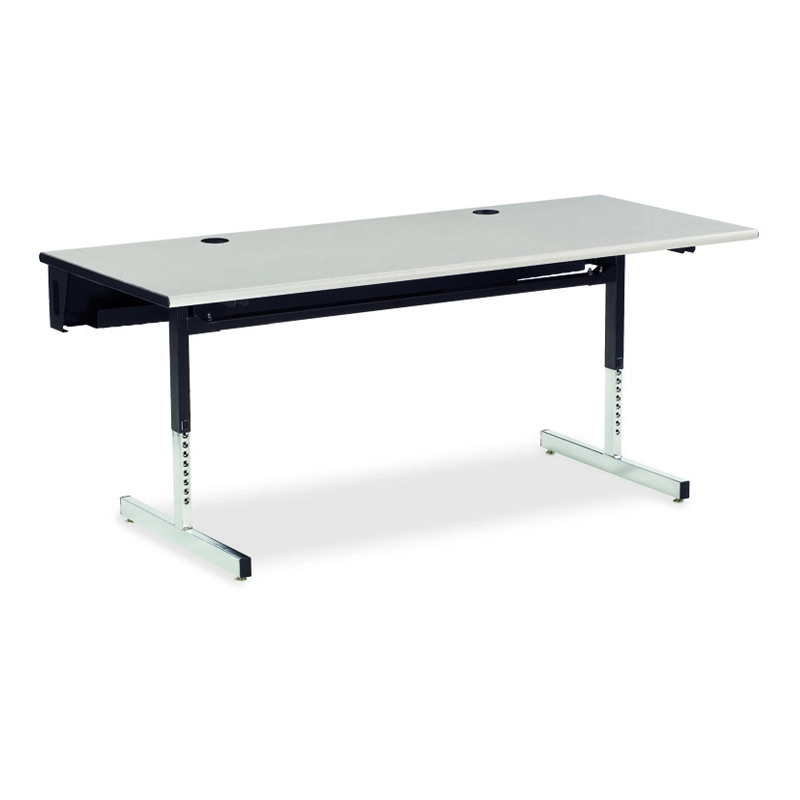
School desks provide a structured workspace for students across all educational levels. Standard designs include single, double, and lift-lid models, with options for built-in storage, adjustable height, and anti-slip feet. Durable frames and scratch-resistant surfaces ensure long-term use in high-traffic learning environments.


School Chair
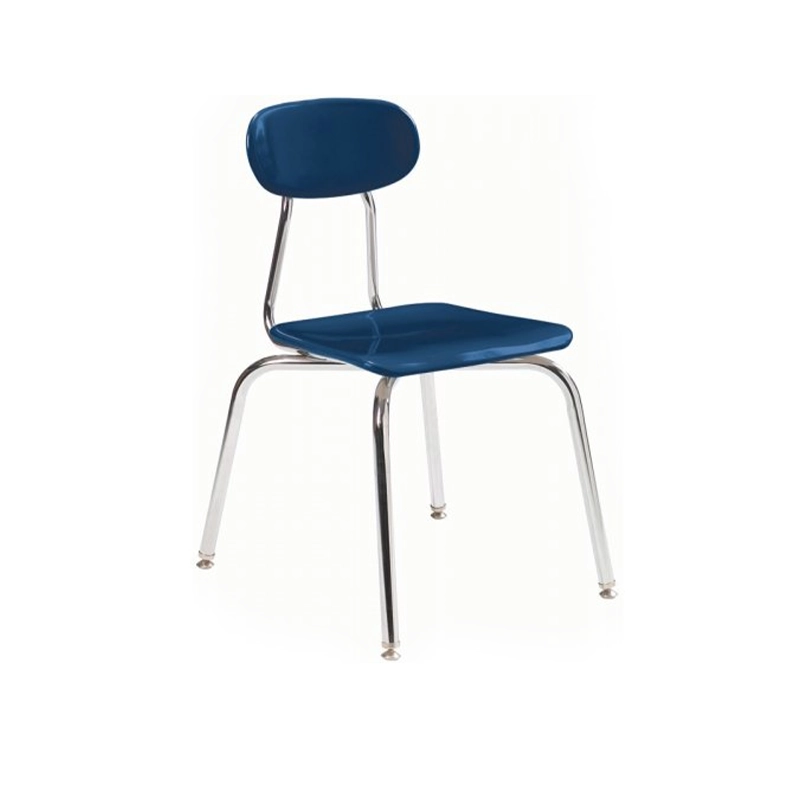
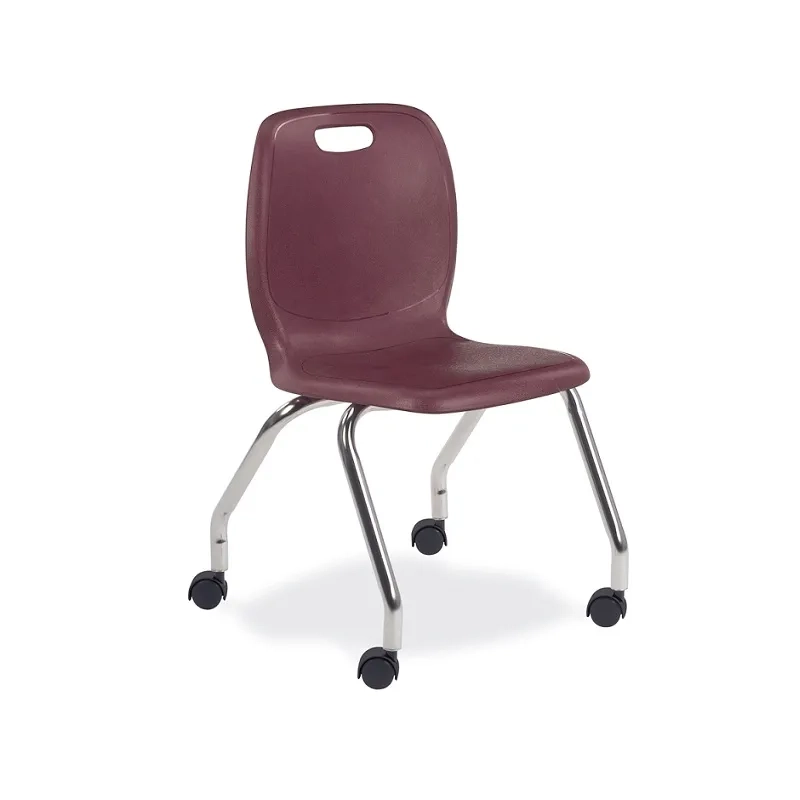
School chairs are engineered for ergonomic support and long-term comfort. Stackable or non-stackable options are available with materials such as molded plastic, wood, or upholstered seats. Non-slip legs, back support, and varying height options accommodate different student sizes and classroom layouts.



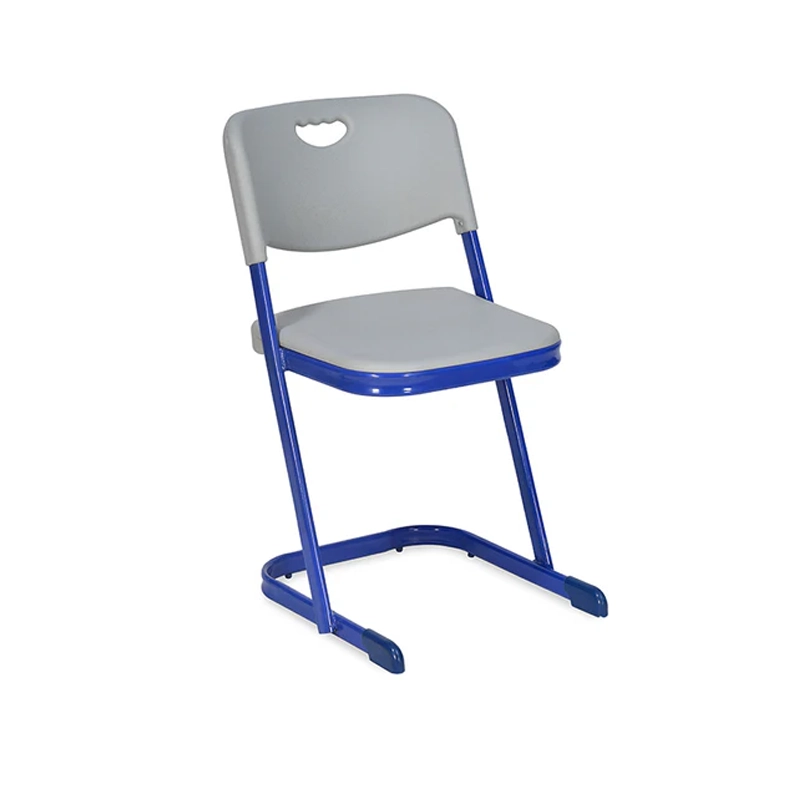

School Table and Chair Sets
Matching table and chair sets ensure proper height alignment and a unified classroom appearance. Designed for balanced proportions and stable construction, these sets promote good posture and safe usage. Ideal for standard classroom setups, collaborative zones, or early childhood education settings.


School Storage
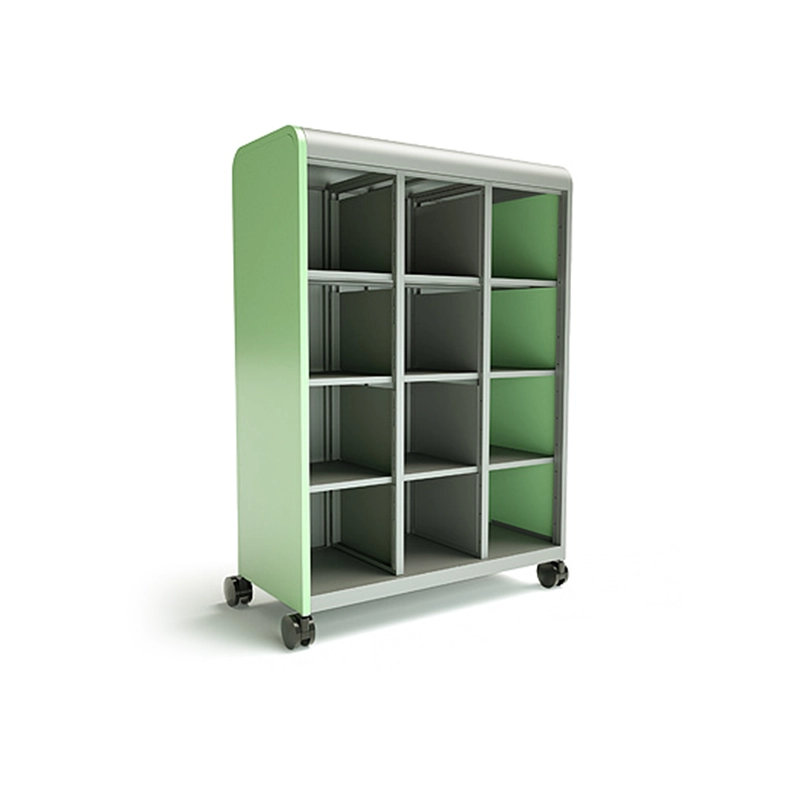
School storage furniture includes cubbies, lockers, bookcases, and mobile shelving units. Designed to organize educational materials efficiently, storage units often feature child-accessible heights, labeled compartments, and lockable doors. Available in wood, metal, and composite finishes.



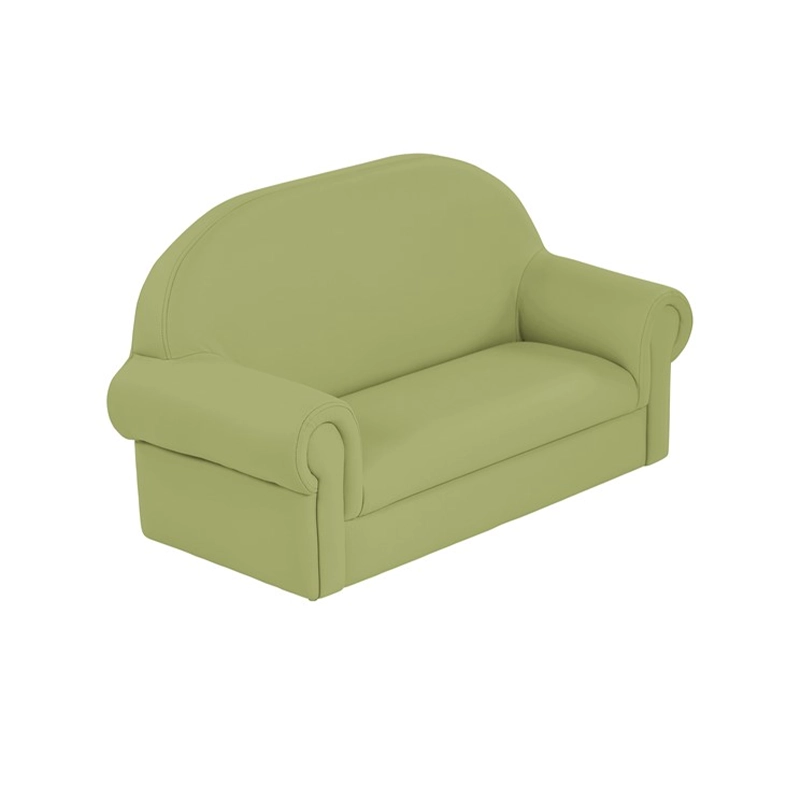
School Sofa
School sofas provide comfortable seating in reading corners, reception areas, and collaborative zones. Built with cushioned foam, easy-clean upholstery, and reinforced frames, they balance comfort and durability in high-use school environments.


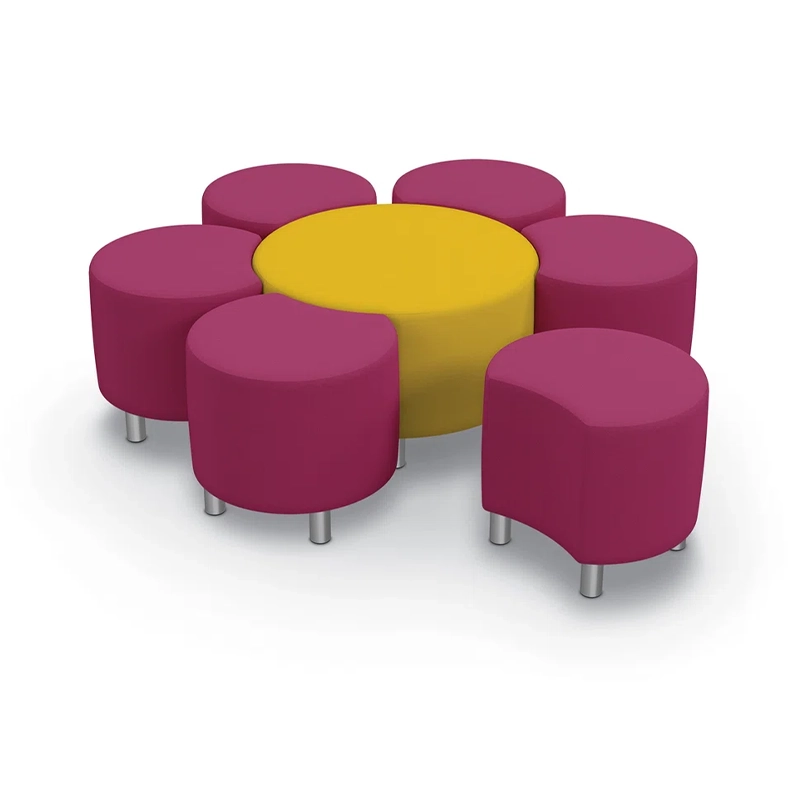


School Office Furniture
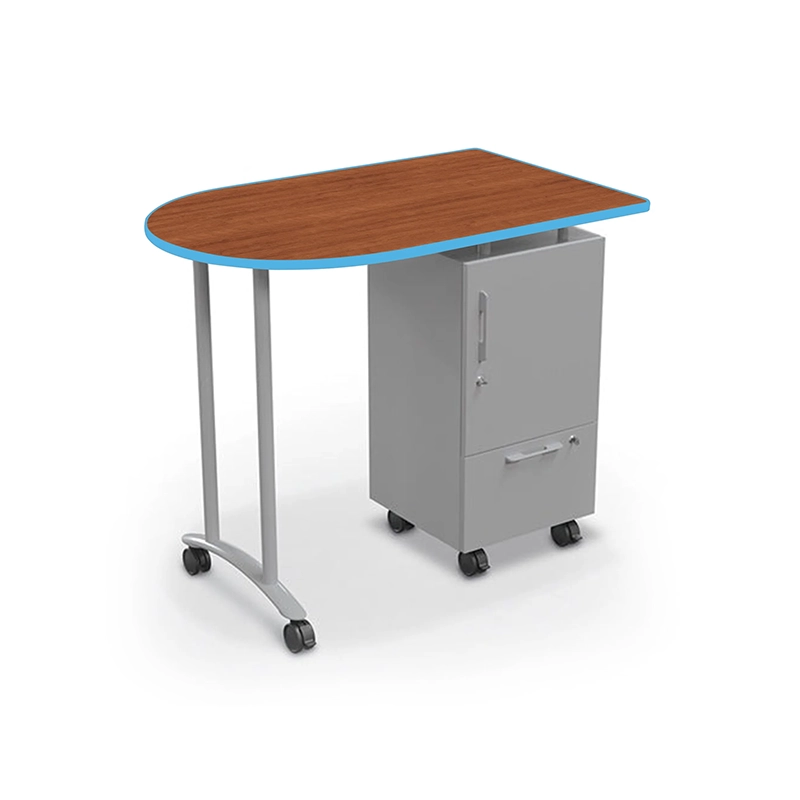
Office furniture for schools includes desks, workstations, filing cabinets, and task chairs tailored to administrative and teaching functions. Functional designs prioritize efficient storage, ergonomic support, and professional aesthetics for staff and faculty spaces.




Boards & Easels
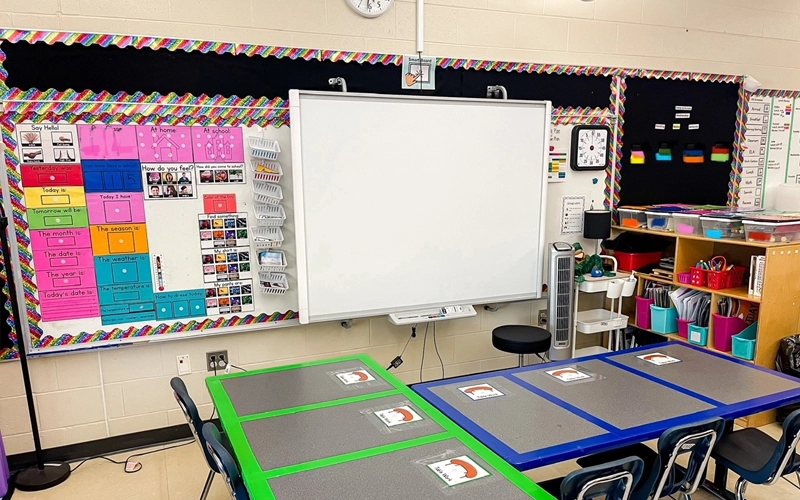
Boards and easels facilitate visual instruction and classroom interaction. Options include whiteboards, chalkboards, pinboards, and flipchart easels. Magnetic surfaces, smooth writing finishes, and height adjustability enhance usability in both teaching and presentation settings.


Stages & Risers
Stages and risers offer elevated platforms for performances, assemblies, and group activities. Modular construction allows flexible configuration, while anti-slip surfaces, guardrails, and foldable designs ensure safety and easy storage.


Cafeteria & Lunch Room Tables
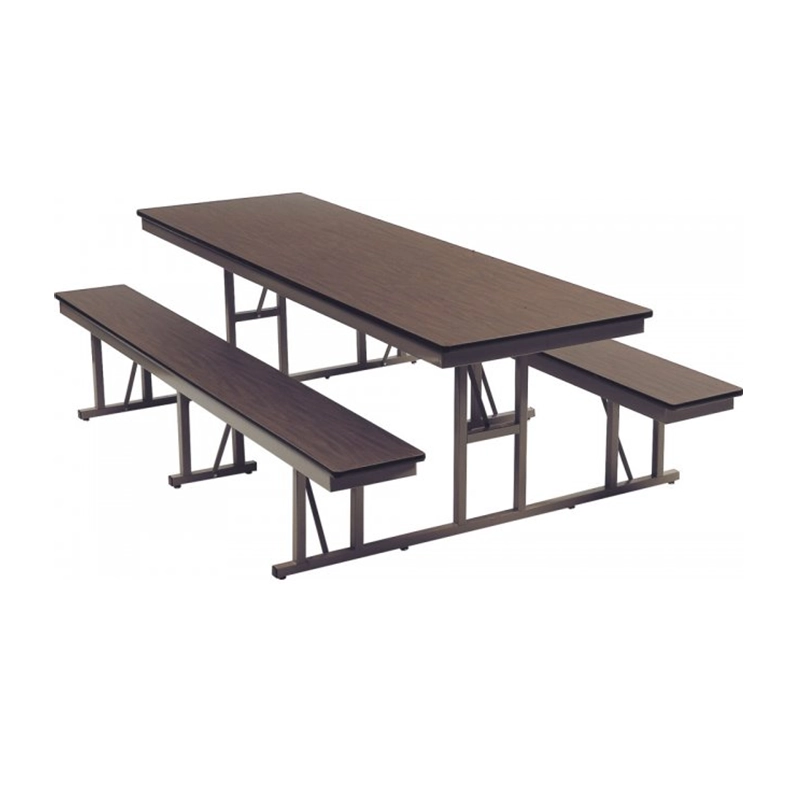
Cafeteria tables are built for functionality and ease of maintenance in dining areas. Designs include folding bench tables, round lunch tables, and mobile units with locking wheels. Durable laminates, stain-resistant surfaces, and smooth edges support safe, hygienic use.




Drawing and Art Furniture
Art room furniture includes drafting tables, art easels, stools, and drying racks. Surfaces are typically stain-resistant and water-repellent, with built-in compartments for organizing supplies. Designed to accommodate creative activities and messy materials safely.


Library & Media Center
Library furniture consists of shelving units, reading tables, lounge seating, and computer stations. Modular designs support quiet study areas, group collaboration zones, and media access points. Materials emphasize noise reduction and durability.






Science Lab
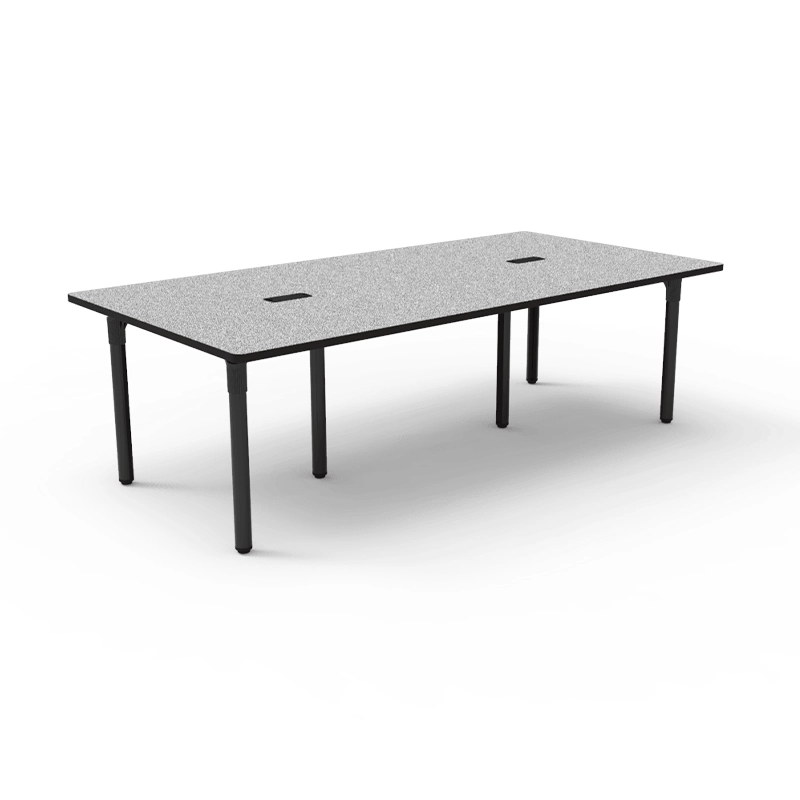
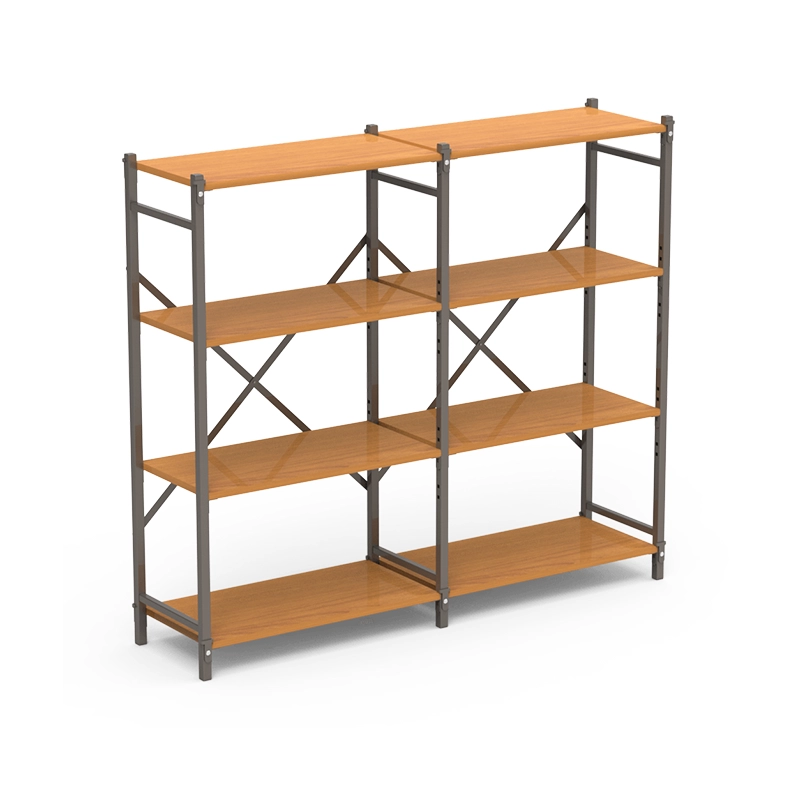
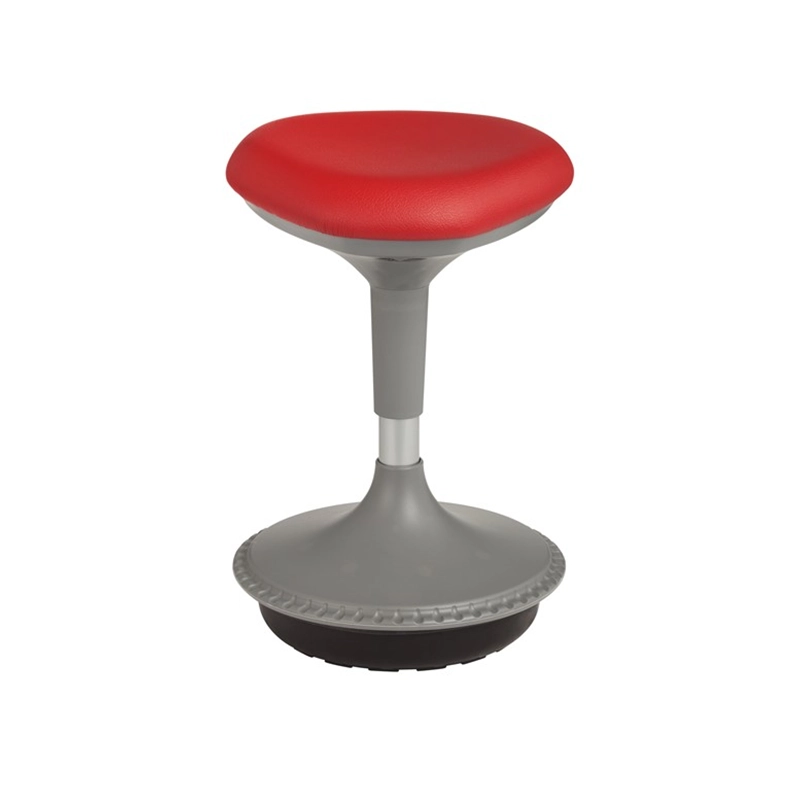
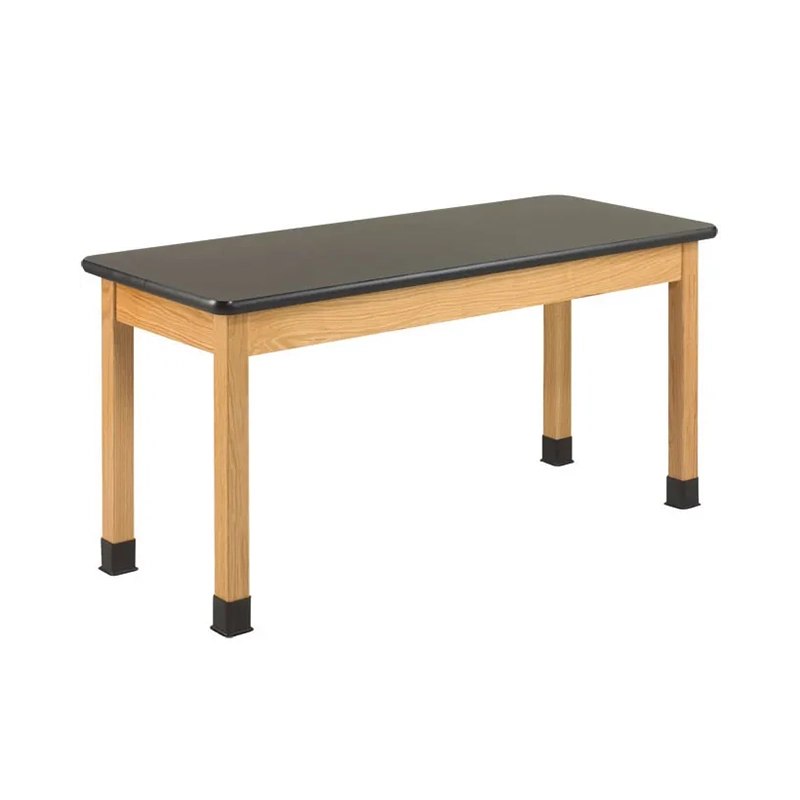
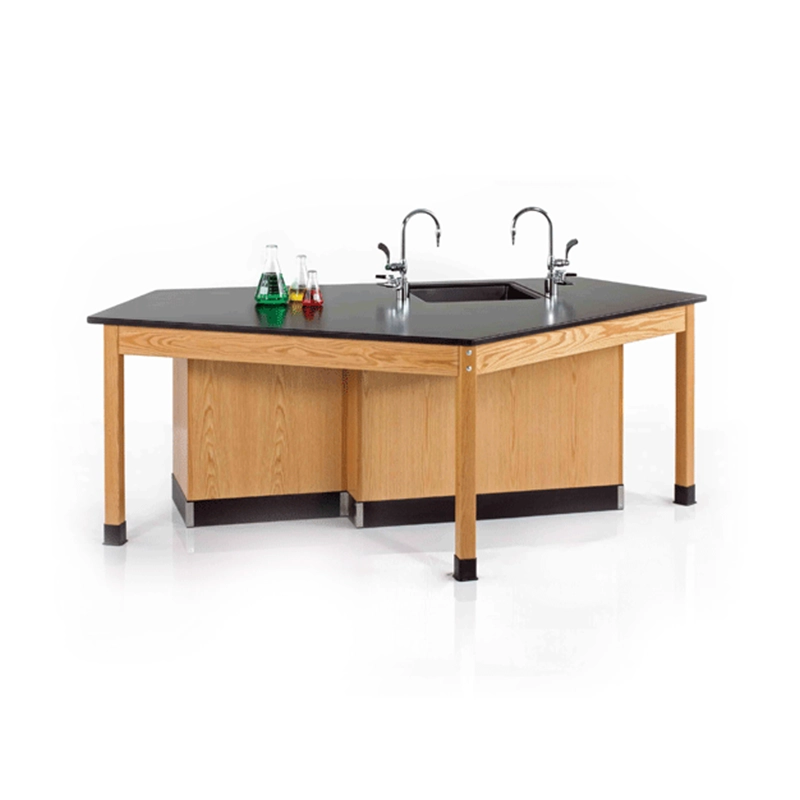
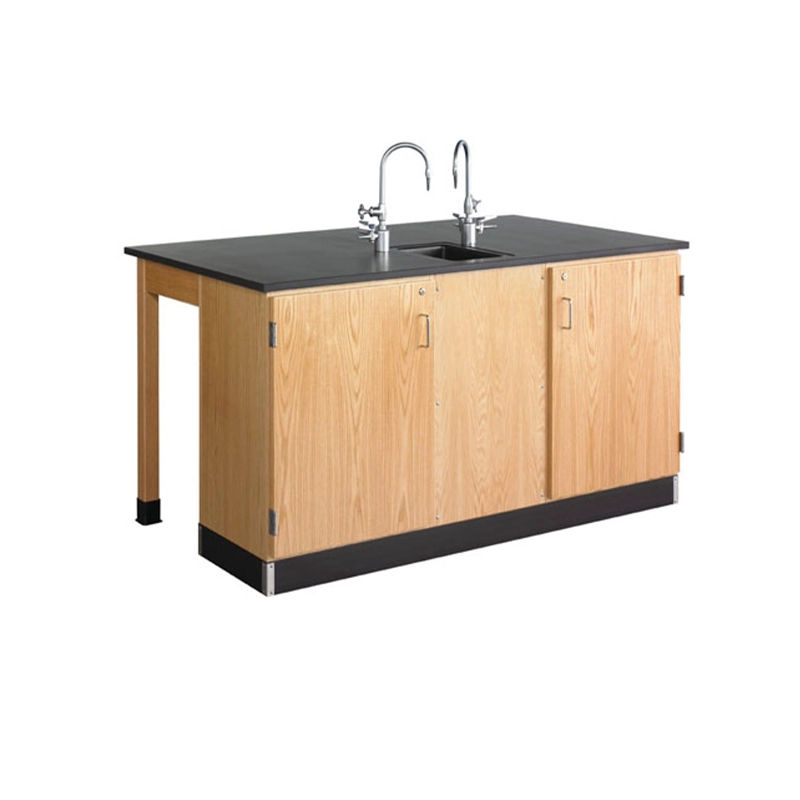
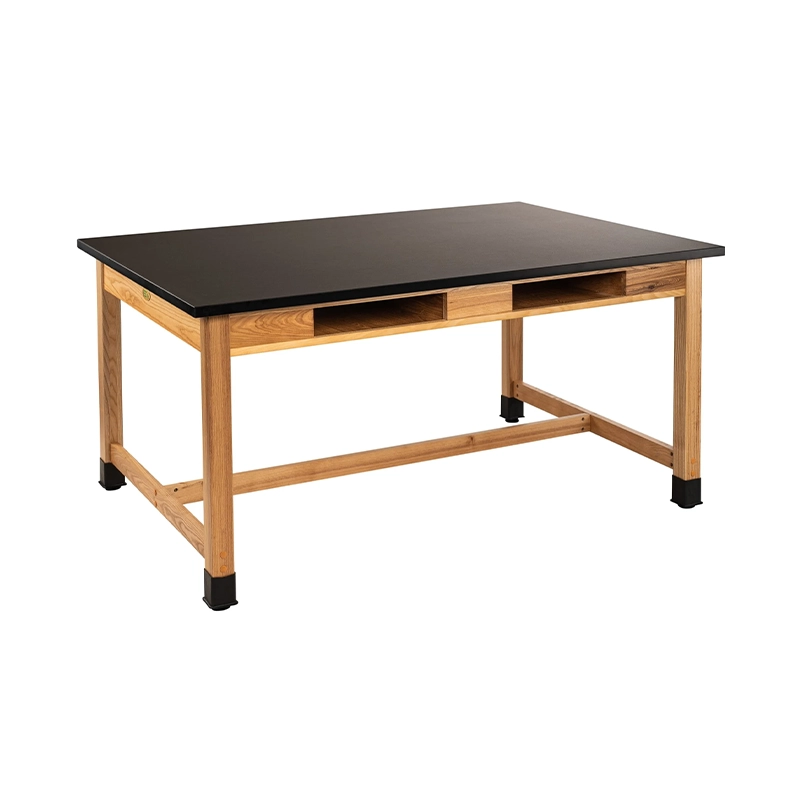
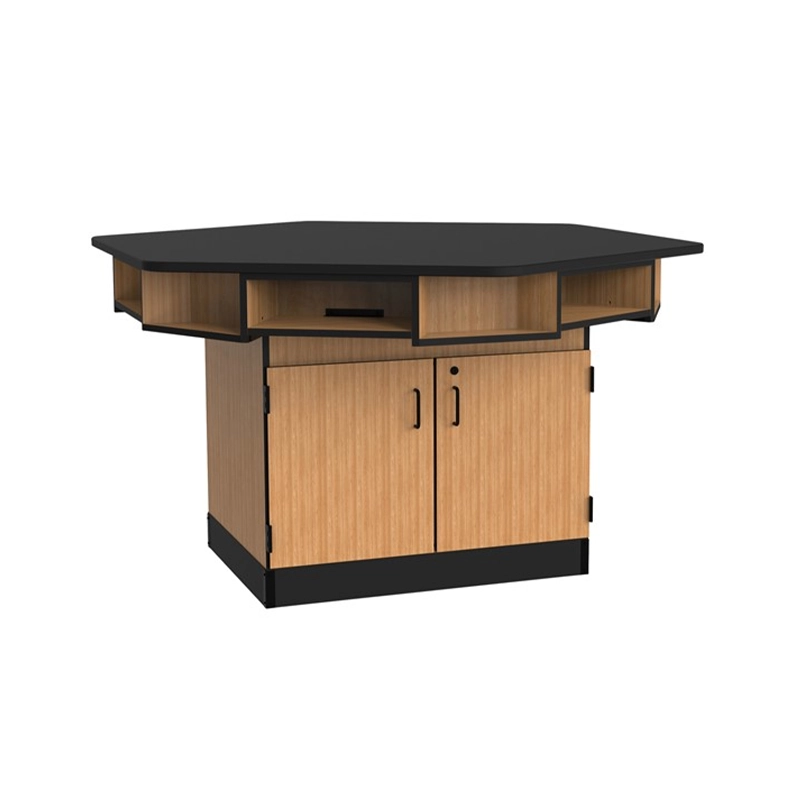
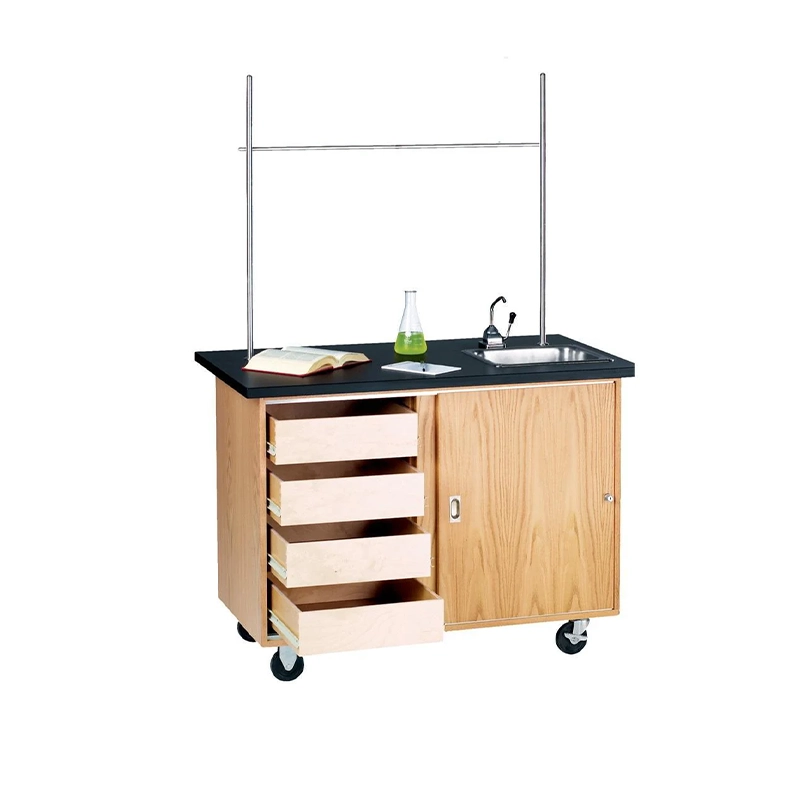
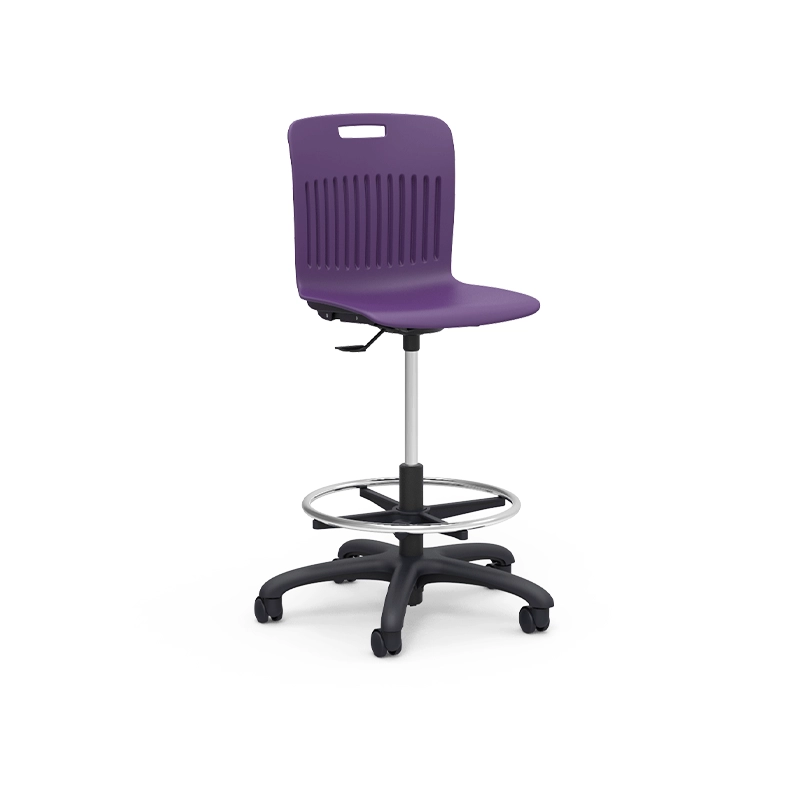
Science lab furniture includes chemical-resistant tables, stools, lab cabinets, and safety stations. Constructed to withstand spills, heat, and heavy equipment, lab furniture meets educational safety standards while supporting hands-on STEM learning.



Dormitory Beds
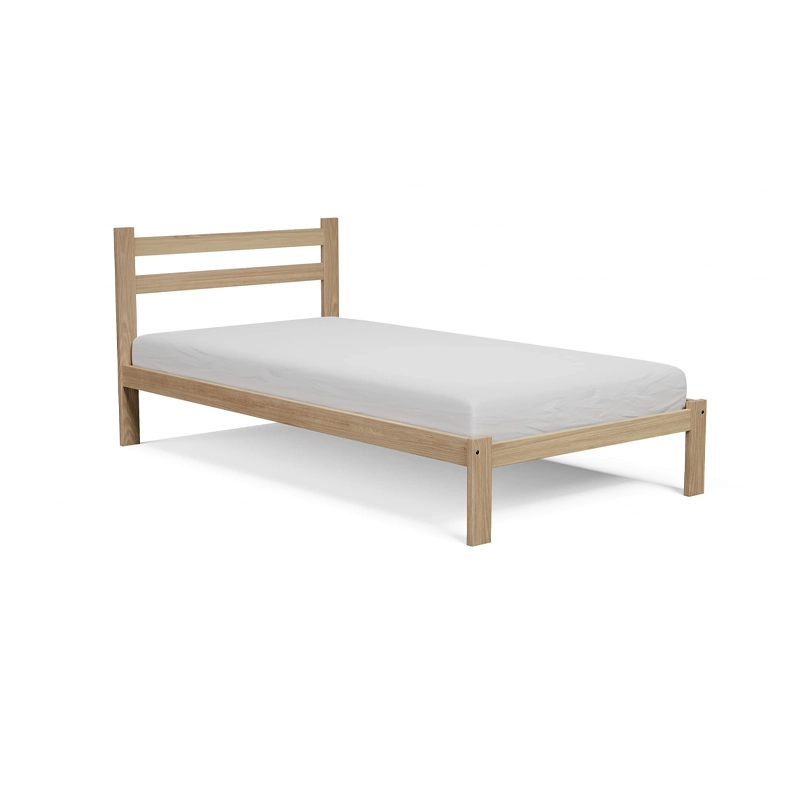
Dormitory beds are available in single, bunk, and loft configurations. Built with reinforced metal or wood frames, these beds often include under-bed storage or integrated shelving. Designed for compact student living spaces in boarding schools and dorms.



School Rugs
School rugs add comfort, color, and educational value to classrooms. Themes include numbers, letters, shapes, and maps. Non-slip backings and soft, easy-clean fibers make rugs suitable for circle time, reading corners, and learning zones.




School Dividers and Partitions
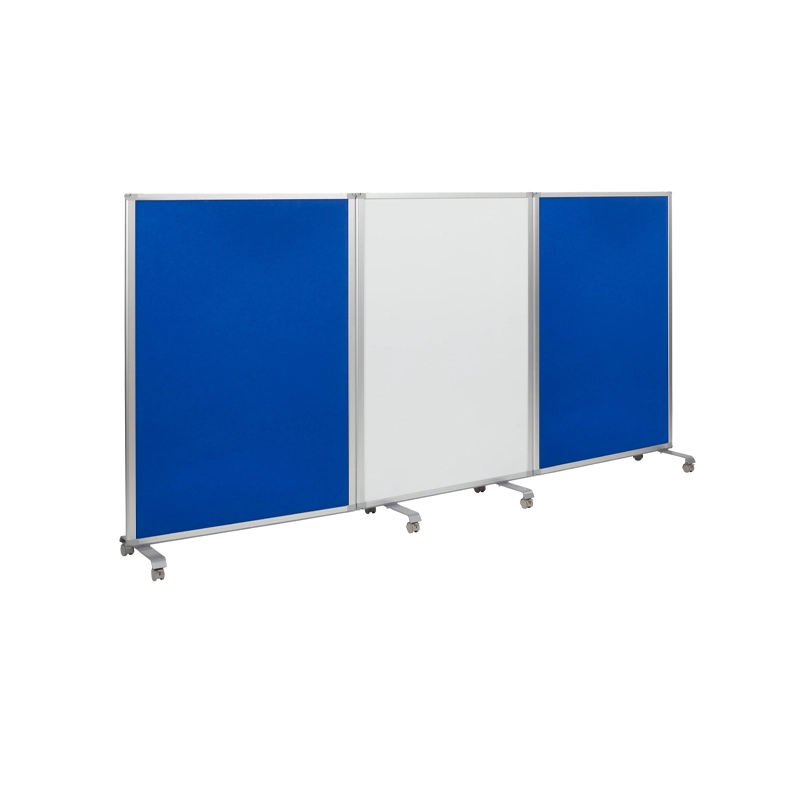
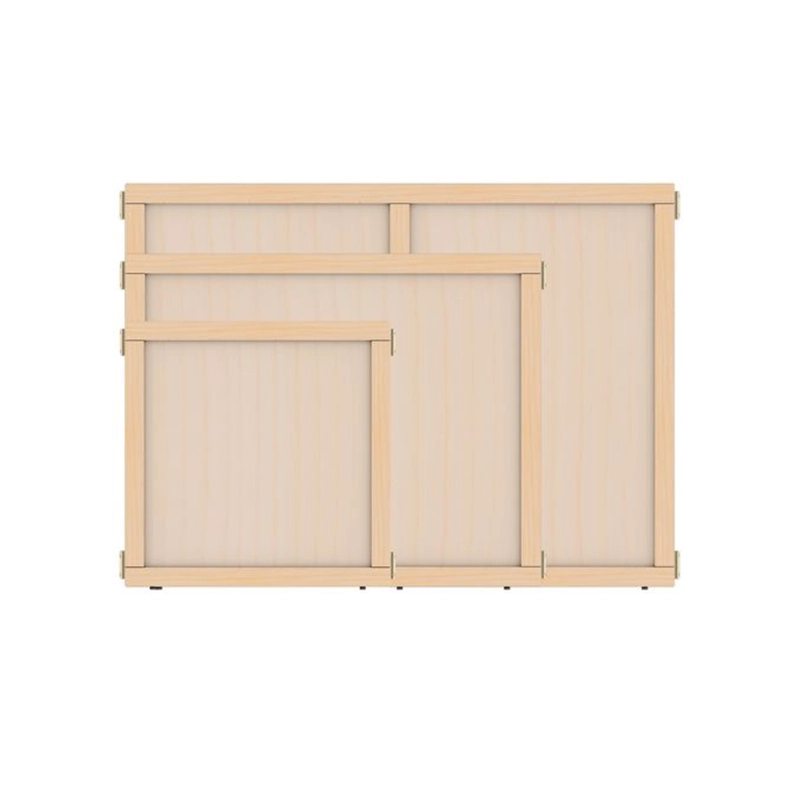
Dividers and partitions help create flexible, multifunctional classroom layouts. Folding panels, acoustic screens, and clear-view partitions allow educators to define learning zones, manage noise, and maintain visibility. Lightweight and easy to reposition.





Facility Equipment
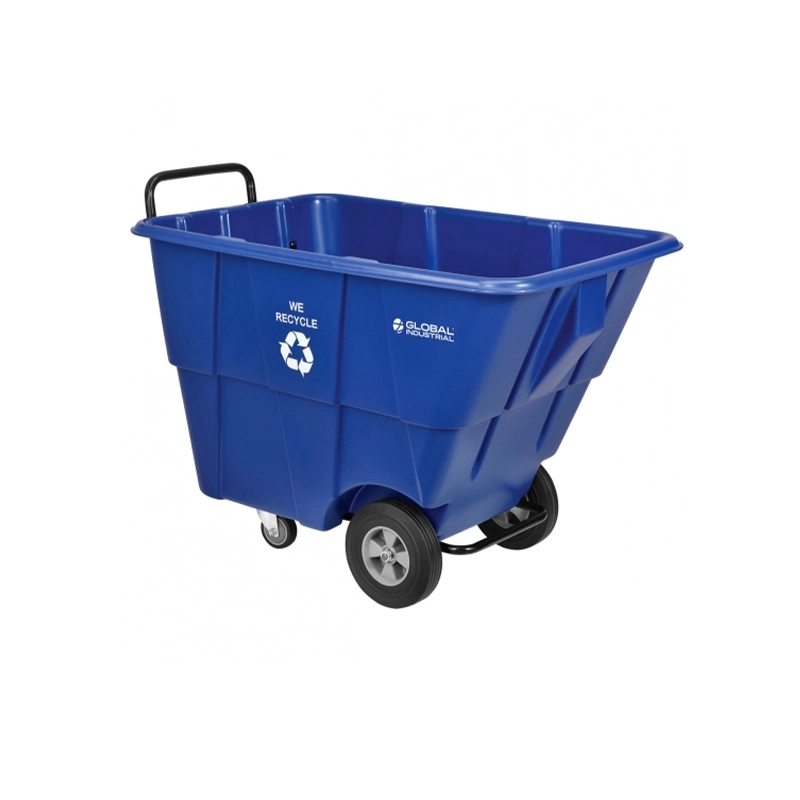
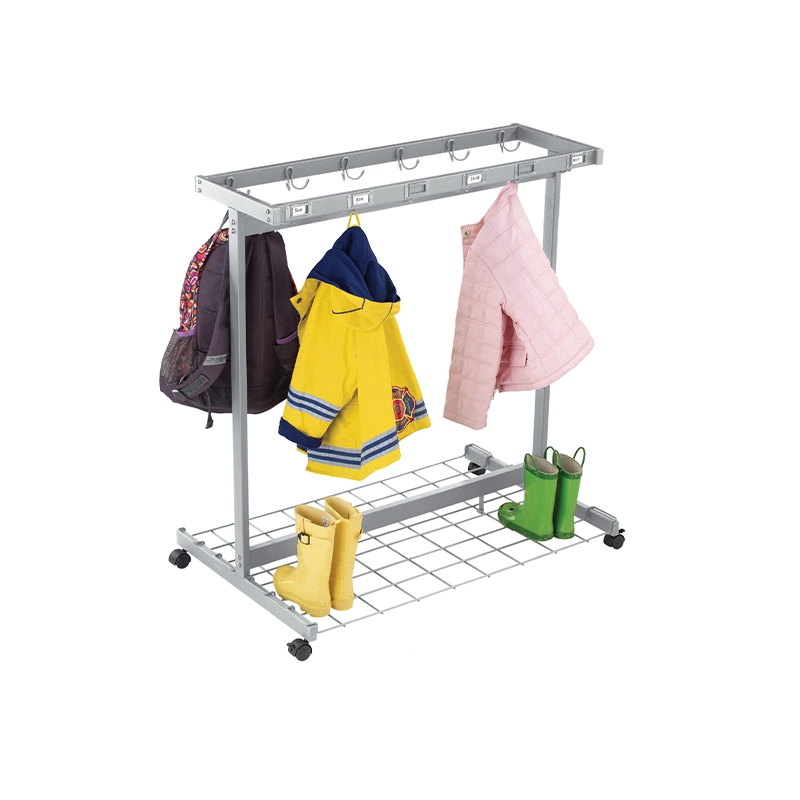
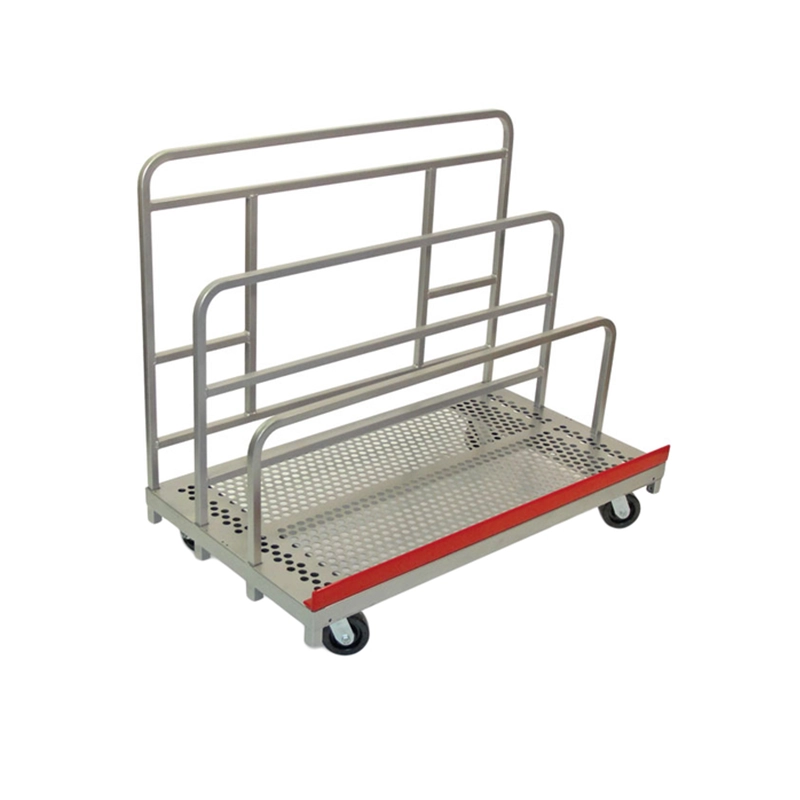
Facility equipment includes utility carts, coat racks, shoe shelves, and janitorial support items. Designed to streamline daily operations, these items emphasize durability, mobility, and ease of cleaning within school environments.





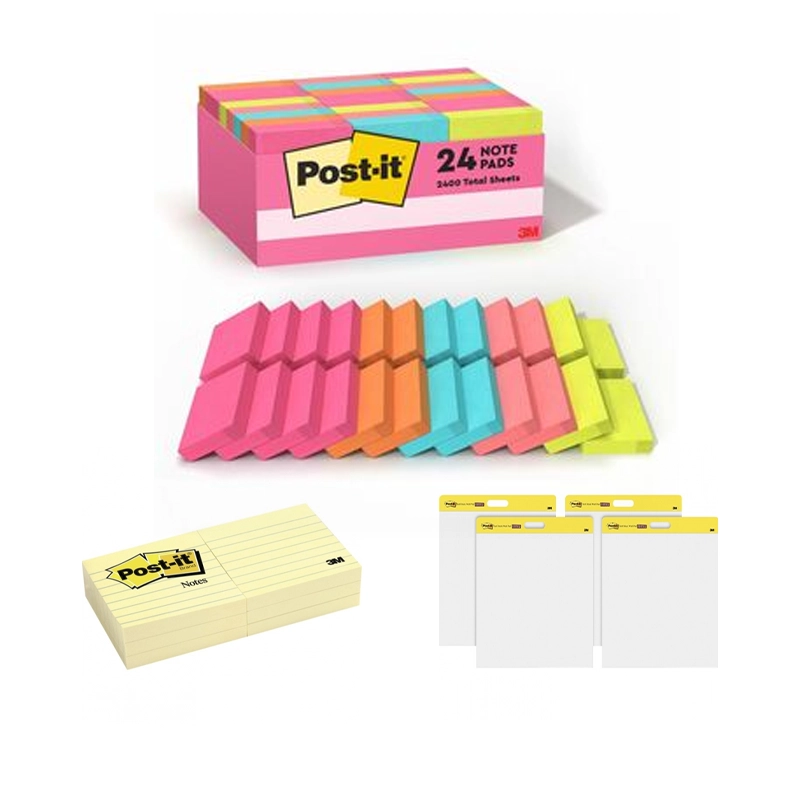
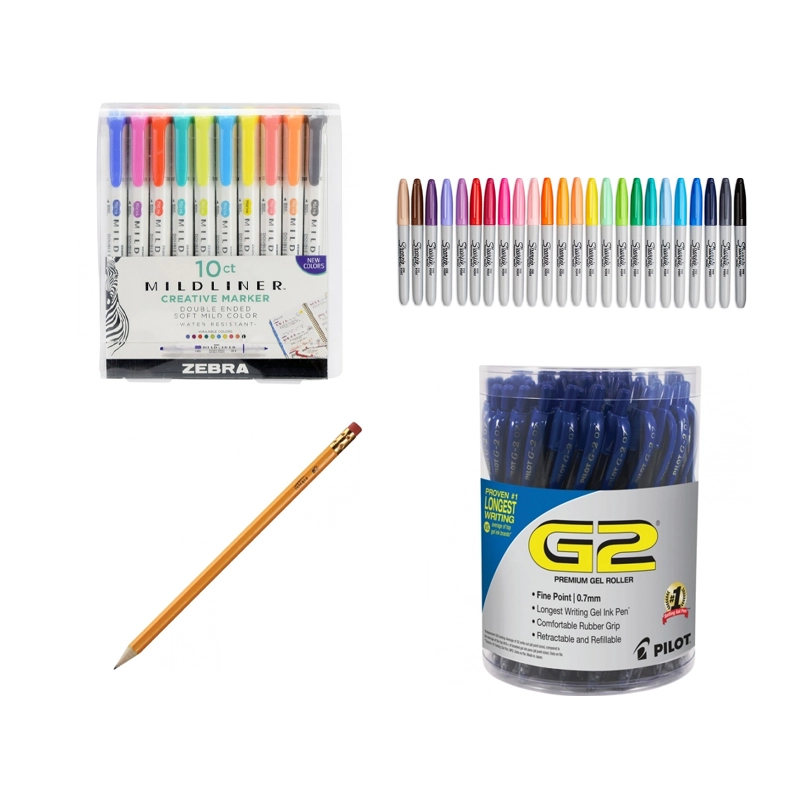
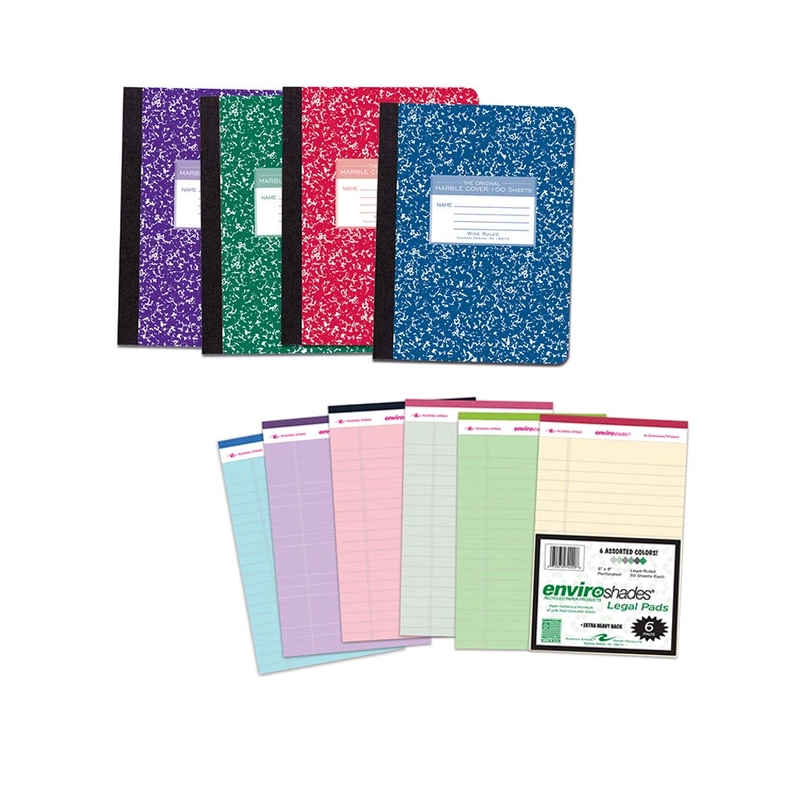
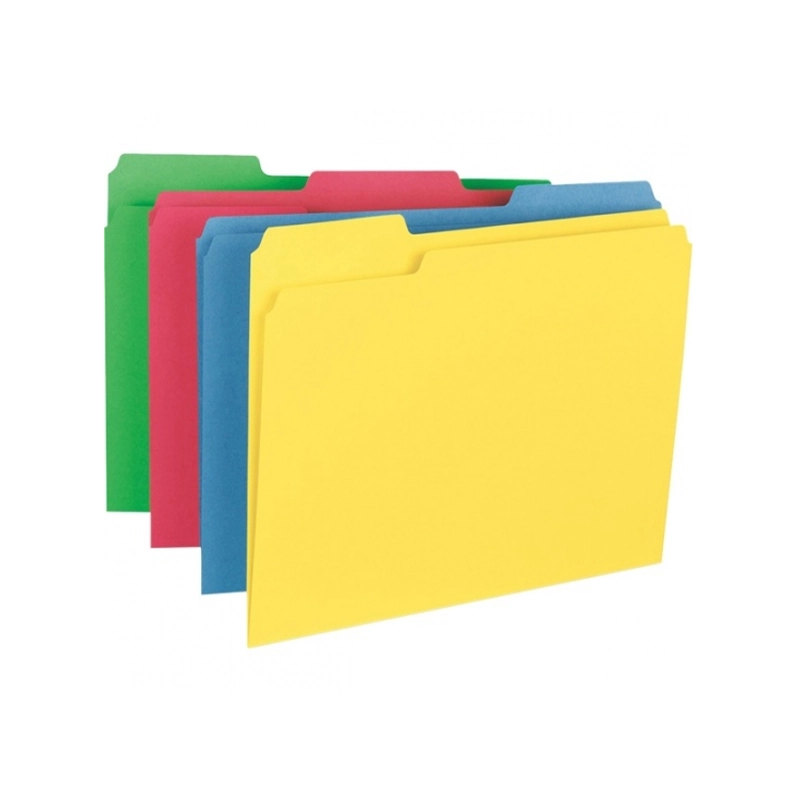
Stationery & Office
Stationery and office accessories include document trays, organizers, writing tools, and desktop supplies. These tools support efficient classroom and administrative work by improving organization and accessibility.



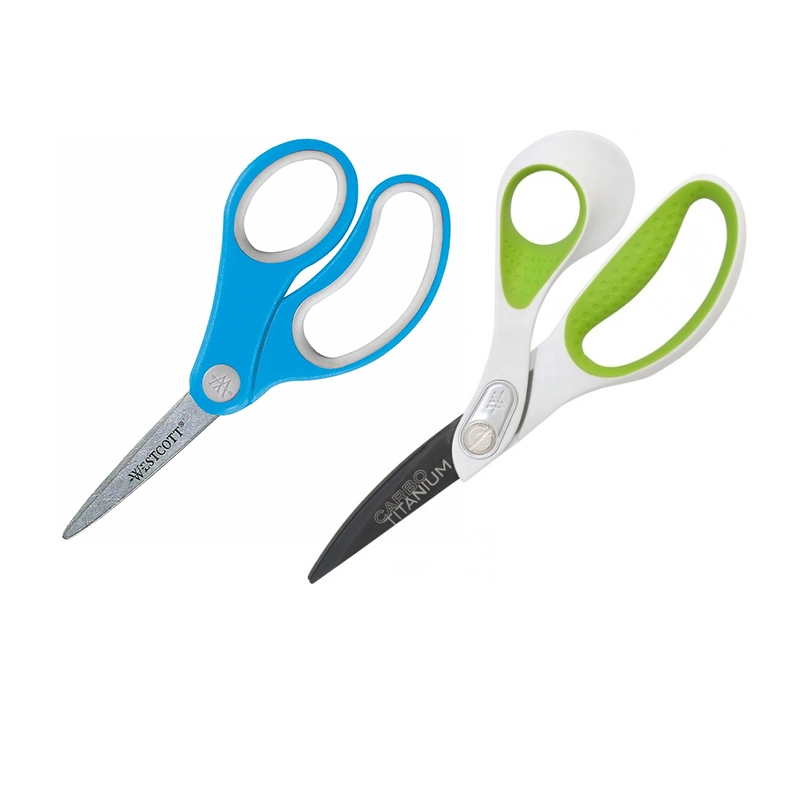

School Furniture Accessories
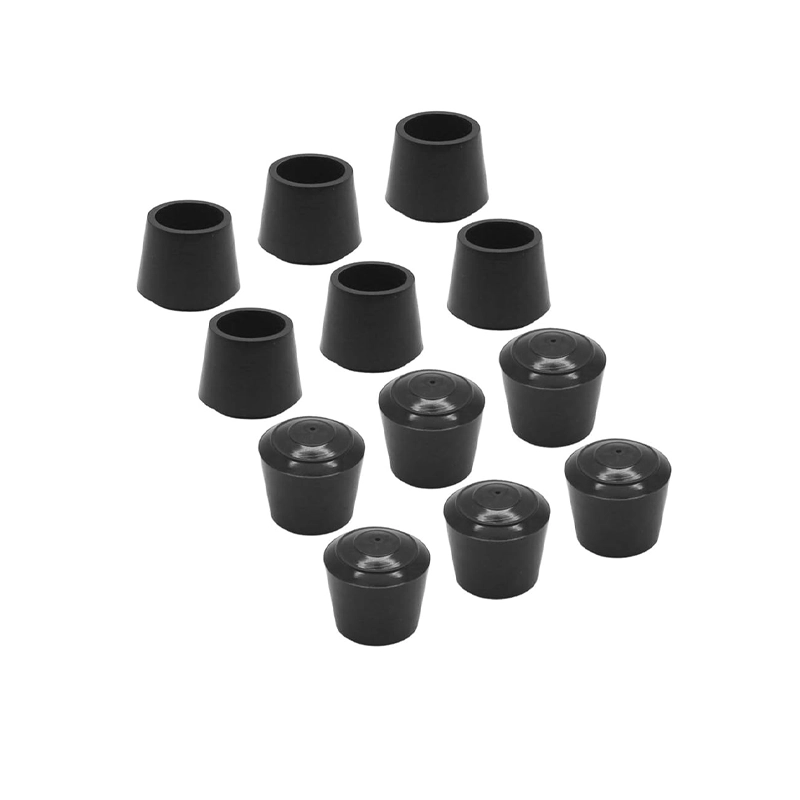
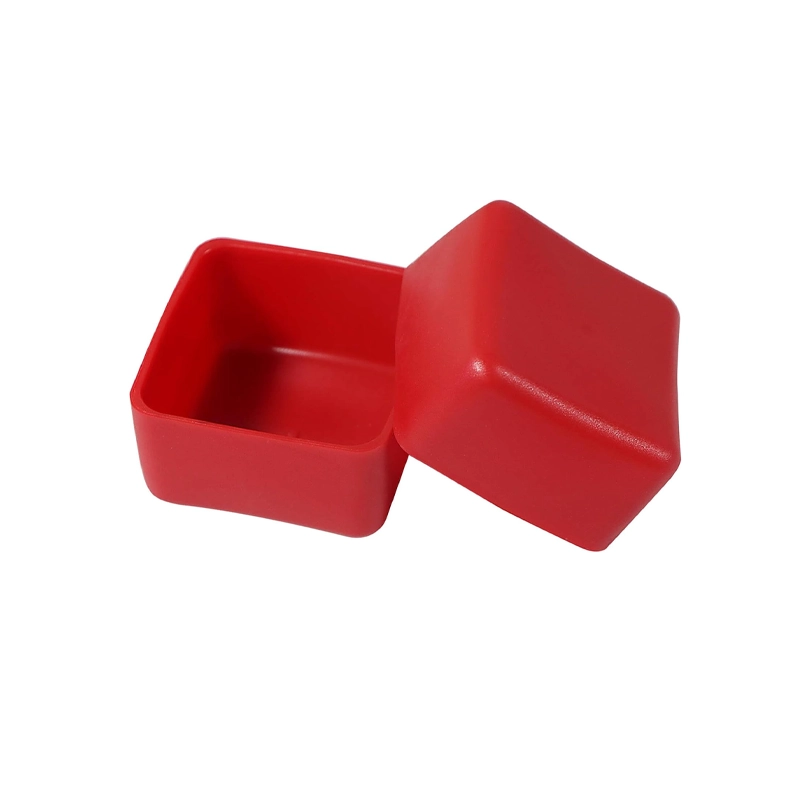
Accessories such as height adjusters, glides, chair feet, safety caps, and desk hooks enhance furniture function, safety, and adaptability. Ideal for extending the lifespan and usability of existing school furniture.






Smart Classroom Equipments
Innovative classroom equipment integrates technology into teaching spaces. Interactive whiteboards, wireless presentation tools, digital podiums, and device charging stations improve digital engagement and modernize classroom instruction.


School Furniture Materials
The choice of material plays a critical role in the durability, safety, and functionality of school furniture. Different materials offer varying levels of strength, maintenance, comfort, and appearance. Below are the most commonly used materials in school furniture production, each selected to meet the unique needs of educational environments:
- Solid WoodKnown for its natural appearance and long-lasting strength, solid wood is often used in premium school desks, chairs, and storage units. It offers a warm, traditional look and can withstand daily wear, though it may require regular maintenance.
- PlywoodPlywood is a cost-effective and durable option, ideal for school tables, shelving, and seating. It resists warping better than solid wood and is often laminated for added protection and color variety.
- MDFMDF is commonly used in budget-friendly school furniture. It provides a smooth surface for laminating and painting and is suitable for indoor use, though less resistant to moisture than plywood.
- PlasticPlastic materials are lightweight, easy to clean, and available in various colors, making them perfect for preschool and elementary classroom chairs, tables, and cubbies. They are also resistant to impact and corrosion.
- Metal Metal frames are widely used in school desks and chairs for their structural strength and stability. Powder-coated steel offers rust resistance, while aluminum provides a lighter alternative with excellent durability.
- Laminate SurfacesLaminated tops are common for tables, desks, and storage units, offering a scratch-resistant, stain-resistant, and easy-to-clean surface. Available in a wide range of colors and patterns.
Tips for Buying School Furniture
Choosing school furniture is more than ticking off a checklist—it's a strategic decision that affects educational outcomes, student health, and even school budgets. These eight expert tips offer a practical framework to help school administrators, facility planners, and education stakeholders choose the right school furniture. Selecting STEM toys for young learners is not about picking the most colorful box on the shelf or the most popular character. It’s a deliberate act of fostering intellectual growth, creativity, and curiosity during the most formative years of a child’s life. When you choose STEM toys for kindergarten, you’re investing in a child’s foundational understanding of how the world works. Here’s how to do it right.
Design for Flexibility
Opt for modular, movable furniture that allows for quick layout changes. This supports various teaching styles and activities. Flip-top desks and stackable chairs are ideal for dynamic classrooms. Versatility encourages student engagement and adaptability.
Rely on Classroom Furniture Experts
Partner with specialists who understand educational environments. They provide space planning, product suggestions, and layout optimization. Expert guidance helps avoid costly mistakes. It ensures compliance with academic standards.
Consider Student Comfort
Ergonomic furniture reduces fatigue and boosts concentration. Choose chairs with back support and desks at suitable heights. Prioritize comfort to enhance learning outcomes. An uncomfortable student is a distracted student.
The Needs of the Modern Classroom
Tech-integrated furniture is essential for today’s digital learning. Look for built-in charging ports and cable management. Ensure furniture accommodates laptops and tablets. Support collaborative and independent tech use.
Think About Classroom Layout and Flow
Plan furniture to allow free movement and clear sightlines. Avoid cluttered spaces that hinder learning. Ensure teacher supervision zones are intact. A well-designed layout improves focus and safety.
Age-Appropriate and Inclusive Functionality
Select furniture that matches the student's age and size. Include adjustable and accessible options for diverse needs. Inclusive furniture fosters equal participation. Comfort and accessibility go hand in hand.
Quality and Value
Invest in furniture with proven durability and safety ratings. High-quality pieces reduce maintenance and last longer. Look beyond initial price to total cost of ownership. Choose materials that resist wear and tear.
Customer Service
Understand supplier terms before purchasing. Clarify delivery schedules, installation, and return policies. Choose vendors with strong warranties and responsive service. Good support ensures smooth setup and maintenance.
Understand the Needs of Different Age Groups
Selecting the right school furniture begins with understanding the physiological, psychological, and educational needs of the students. Children evolve rapidly in size, attention span, and learning style across age groups.

For early learners (ages 3–6)
Focus on colorful, soft-edged furniture with low height and wide bases for safety. The aim is to create an environment that feels both playful and secure.

For elementary students (ages 6–12)
The furniture should support greater independence. Desks with individual storage, stackable chairs, and movable shelves allow for ownership and flexibility. This age group also benefits from group learning configurations.

Middle and high school students (ages 13–18)
Need ergonomic chairs with lumbar support, individual desks that accommodate laptops or notebooks, and furniture that supports lecture-based as well as collaborative sessions.
Older students may prefer minimalist design, more subdued colors, and furniture that supports technology use. Adjustable features allow schools to future-proof their spaces, while sit-stand desks encourage healthier postures.
Features and Benefits of School Furniture
When evaluating school furniture, each of these features contributes to a safer, more engaging, and more efficient learning environment. Consider these critical features and their benefits:
Ergonomics
Promotes better posture and reduces fatigue. Especially important in high-concentration subjects like math or science.
Durability
Reduces maintenance costs and ensures safety over time. Powder-coated metals and UV-resistant plastics are top performers.
Ergonomics
Promotes better posture and reduces fatigue. Especially important in high-concentration subjects like math or science.
Storage Integration
Desks with drawers, chairs with cubby slots, or built-in shelving reduce clutter and improve organization.
Mobility
Furniture on wheels allows for rapid reconfiguration. Especially useful in multipurpose rooms or shared spaces.
Easy Maintenance
Surfaces should resist graffiti, scratches, and spills. Smooth laminates and anti-microbial finishes are preferred.
Safety
Fire resistance, rounded edges, anti-tip designs, and non-toxic materials are non-negotiable features.
Sustainability
Eco-certified products reduce the carbon footprint and appeal to environmentally conscious stakeholders.
For Lecture-Based Classrooms:
- Fixed desks and chairs facing a central whiteboard or display
- Individual workstations with integrated book and device storage
- Teacher podiums with document storage and AV access
School Furniture Design
We offer a comprehensive school furniture design service tailored to meet educational goals, safety standards, and space efficiency. Here’s what we provide:
- Custom Classroom Layout PlanningTailored spatial arrangements that support collaboration, focus zones, teacher mobility, and flexible group configurations.
- Ergonomic Furniture DesignSeats and desks designed to promote proper posture, reduce fatigue, and improve student attentiveness across all age groups.
- Technology Integration SupportDesk designs that include cable management, device charging ports, and smartboard-compatible setups for digital classrooms.
- Color and Theme CoordinationSelection of color palettes and finishes that align with the school’s branding or age-appropriate psychological impact.
- Durable and Easy-to-Maintain MaterialsGuidance on selecting long-lasting, graffiti-resistant, easy-clean surfaces that minimize maintenance time and cost.
- Multi-functional Furniture DesignModular desks, stackable chairs, storage-integrated seating, and convertible workstations to maximize classroom utility.
Preschool vs. High School Furniture Considerations
Choosing the right furniture requires recognizing that students at different educational stages have fundamentally different physical, emotional, and academic needs. Here’s a side-by-side comparison of key considerations:
| Feature | Preschool Furniture | High School Furniture |
|---|---|---|
| Size and Scale | Low tables and chairs sized for small children | Full-size furniture suited for teenagers |
| Material Safety | Non-toxic, soft-edged, and easy-to-clean materials | Durable surfaces with chemical resistance |
| Color and Aesthetics | Bright, cheerful colors that stimulate engagement | Neutral, subdued colors that foster focus |
| Mobility and Flexibility | Lightweight for easy rearrangement and storage | Heavier, more stable furniture for long-term use |
| Durability and Wear | Designed for frequent use and playful movement | Built for longer periods of sitting and study |
| Storage Needs | Open bins and cubbies for toys and supplies | Integrated lockers, book compartments, or tech storage |
| Inclusivity | Low-height accessible seating and inclusive layouts | Adjustable-height desks and ergonomic chairs |
| Learning Style Support | Encourages play-based, hands-on learning | Supports lecture, digital, and collaborative formats |
School Furniture Solutions
We offer specialized school furniture solutions tailored to meet the distinct needs of both school buyers and wholesalers. Here's what we provide:

For School Buyers: End-to-End Support for Education Institutions
We specialize in equipping schools with high-quality, ergonomic, and adaptable furniture that enhances learning environments. Whether you're furnishing a single classroom or an entire campus, we offer a full-service approach that includes:
- Personalized Consultation: Our education specialists work closely with school administrators, facility managers, and procurement teams to understand your learning objectives, space constraints, and student needs.
- Space Planning & Design Assistance: We provide classroom layout planning, 2D/3D visualization, and innovative configuration strategies to ensure optimal space utilization and flow.
- Wide Product Range: From preschool to university settings, our catalog includes age-appropriate desks, chairs, lab benches, library furnishings, cafeteria tables, and staff room essentials.
- Customization Options: Choose colors, dimensions, materials, and accessories to align with your school’s aesthetic, branding, or functional goals.
- Bulk Procurement & Logistics: We handle large-scale orders with ease, offering competitive pricing and scheduled deliveries.
- Ongoing Support & Warranty: Enjoy peace of mind with our responsive after-sales service, extended warranties, and a dedicated customer care team.

For School Furniture Wholesalers: Reliable B2B Supply & Custom Manufacturing
As a trusted supplier for school furniture wholesalers and resellers, we deliver reliable, scalable, and cost-effective solutions backed by consistent quality and exceptional service. Our offerings include:
- OEM & ODM Capabilities: We manufacture private-label school furniture with complete design and branding customization to help you expand your product line under your brand.
- Flexible Production & High Capacity: Our advanced facilities and skilled production teams enable us to fulfill both small-batch and high-volume orders with precision and efficiency.
- Global Export & Compliance: We support international wholesalers with export documentation, packaging customization, and compliance with various worldwide safety and durability standards (e.g., ANSI/BIFMA, EN, ISO).
- Product Development Support: Need new designs or materials? We collaborate with your team to prototype, test, and refine innovative solutions tailored to your market’s demands.
- Inventory Solutions & Logistics: We offer warehousing, mixed container support, and coordinated shipping services to ensure timely deliveries and reduced overhead for your business.
School Furniture Safety Standards and Compliance
Safety and compliance in school furniture are non-negotiable. Every piece of equipment used in educational spaces must adhere to strict standards to ensure student well-being, avoid liability, and guarantee long-term usability. Schools should request safety certifications and test results from all potential furniture vendors to ensure compliance.
Key Global Safety Standards to Consider
- ANSI/BIFMA (North America): Defines performance and safety standards for commercial and institutional furniture, including load-bearing, stability, and durability benchmarks.
- EN Standards (Europe): EN 1729 specifies size, ergonomics, and safety features for school furniture tailored to different age groups.
- ISO 5970 & ISO 24496: Global standards for functional dimensions and user fit, ensuring that furniture corresponds to the size and needs of students worldwide.
- GREENGUARD Certification: Ensures furniture is low-emitting and safe for indoor air quality, essential for maintaining healthy classrooms.




Standard Safety Features to Prioritize
- Flame-retardant and non-toxic materials
- Rounded edges and protected corners
- Stable structures that prevent tipping
- Load-tested chairs and tables for varying body weights
- Lockable casters on mobile furniture to prevent movement during use
School Furniture for Teaching Style
No two classrooms teach the same way. The furniture chosen should reinforce the teaching methodology in use—supporting both the educator's strategy and the student’s comfort.

For Lecture-Based Classrooms:
- Fixed desks and chairs facing a central whiteboard or display
- Individual workstations with integrated book and device storage
- Teacher podiums with document storage and AV access

For Collaborative and Project-Based Learning (PBL):
- Mobile, modular desks that can form clusters or group tables
- Stackable chairs for space-saving and flexibility
- Whiteboard tables to support brainstorming and group work

For Blended and Digital Learning Environments:
- Tech-enabled desks with built-in power access and cable routing
- Ergonomic chairs for long screen-time periods
- Rolling teacher stations with docking capability

For Experiential Learning (e.g., Makerspaces, Labs):
- Height-adjustable stools and workbenches
- Durable, chemical-resistant surfaces
- Lockable storage for tools and materials
How to Balance Cost with Quality and Functionality?
Balancing cost, quality, and function is one of the most challenging parts of school furniture procurement—but it’s achievable with a strategic approach.
Prioritize Essential Features First
Focus on durability, comfort, and safety before adding optional features or advanced materials.
Use Modular Pieces
Furniture that serves multiple purposes (like desks with built-in storage or convertible tables) reduces the need for extra items.
Plan for Growth
Buy pieces that can be scaled, stacked, or added onto over time rather than replacing everything during expansion.
Request Bulk and Institutional Discounts
Many manufacturers offer discounts for large orders, multi-site contracts, or repeat customers.
Invest in Warrantied Products
A slightly higher initial cost may lead to savings down the road if the product includes a long-term warranty or easy part replacements.
Consider Total Cost of Ownership
Factor in maintenance, expected lifespan, replacement part availability, and cleaning requirements when budgeting.
Avoid Trend Chasing
Stick to timeless designs that won’t go out of fashion or lose functionality as teaching trends shift.
FAQs
1. How often should schools replace furniture?
Most school furniture lasts 10–15 years with proper maintenance. Regular evaluations help determine if upgrades are needed based on wear, safety, or educational needs.
2. Is wooden furniture better than plastic for classrooms?
Wood is durable and classic, while plastic is lightweight and easier to maintain. The right choice depends on classroom usage and budget priorities.
3. What furniture is best for collaborative learning?
Modular desks, round tables, and stackable seating support collaboration. Look for mobile furniture that can be rearranged quickly.
4. Can school furniture impact student health?
Yes, improper furniture can lead to poor posture, back pain, and fatigue. Ergonomically designed options promote better health and focus.
5. Should schools consider custom-built furniture?
Absolutely—custom furniture ensures a perfect fit for your space and teaching style. It often results in better use of space and improved student comfort.
Xiha Montessoris supplies superior preschool furniture and toys to over 500 kindergartens across the globe.
Contact us for a free consultation to customize the perfect solution for your needs.