
Preschool Supplies for Every Need
Our collection of preschool supplies includes various essential products to meet the diverse needs of early childhood classrooms. From art supplies, books, and educational toys to storage solutions, sensory materials, and classroom furniture, we offer everything required to create a functional and stimulating learning environment. Each product is designed to support developmental milestones and encourage hands-on learning, making our preschool supplies essential to any early education setting.
 Main Menu

Tableware
High-quality, safe, and durable tableware designed specifically for preschool children, ensuring a comfortable mealtime experience. View More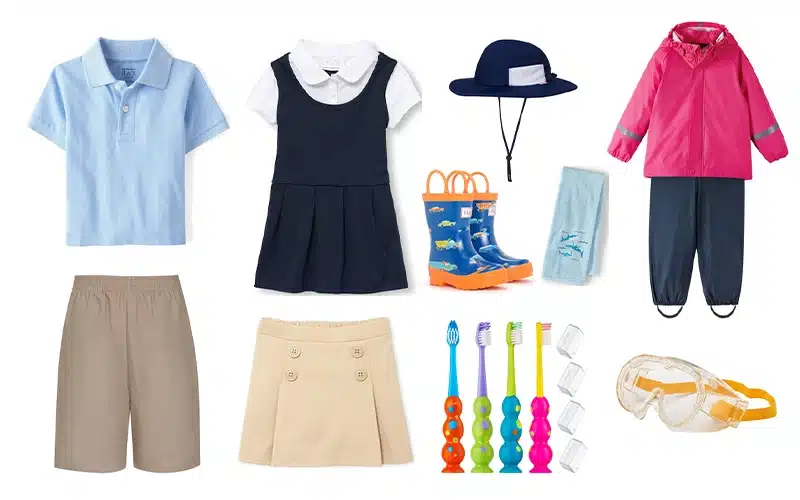
Clothing and Accessories
Comfortable and easy-to-wear clothing and accessories that support children’s daily activities and promote independence. View More
Backpacks and Storage
Functional and child-friendly backpacks and storage solutions to help keep personal items organized and accessible. View More
Learning Supplies
Essential educational tools and supplies to enhance children's learning experiences and foster creativity in the classroom. View More
Sports and Games
Engaging sports equipment and fun games that promote physical activity, coordination, and teamwork for young children. View More
Health and Safety
Products designed to support children's health and ensure a safe environment, from hygiene items to safety equipment. View More
Teaching and Management
Tools and resources that assist teachers in managing the classroom effectively learning environment. View More
Safety Equipment
Protective gear and safety equipment to ensure children's well-being and reduce risks in various preschool activities. View More
Nap Supplies
omfortable nap supplies that promote restful sleep, including bedding and nap mats for preschool children. View More
Books
A wide range of age-appropriate books that foster a love for reading and support early childhood development. View MoreThe Importance of Choosing the Right Preschool Supplies
One of the most crucial elements in setting the stage for a child's educational journey is the selection of preschool supplies. What children use daily—be it toys, books, art materials, or classroom furniture—can profoundly impact their early learning experiences. While picking out crayons and blocks may seem straightforward, your choices will play a key role in shaping their cognitive, motor, and social skills during these formative years.
Supporting Creativity and Imagination
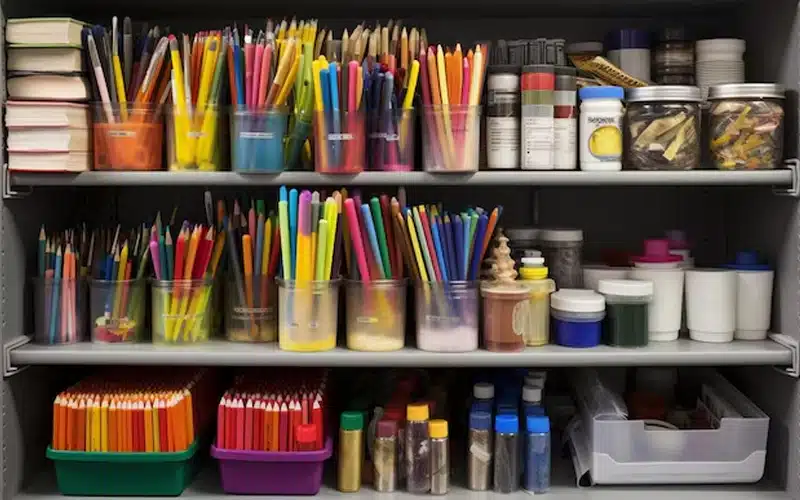
The right preschool supplies ignite creativity. Art materials like colored pencils, playdough, and crafting allow children to explore their imagination and develop fine motor skills. This hands-on approach boosts confidence and fosters a love for learning.
Encouraging Hands-On Learning
Preschoolers learn best through hands-on activities. Materials such as building blocks and puzzles promote active engagement, problem-solving, and teamwork. These supplies lay the foundation for critical thinking and future academic success.
Creating a Safe Learning Environment
Safety is a top priority in preschool supply selection. Non-toxic, hypoallergenic, and durable materials ensure a secure learning environment. Safe supplies allow children to explore and play without worry, providing peace of mind for both parents and teachers.
Social and Emotional Development
Group games and interactive storybooks enhance social skills by promoting sharing, communication, and teamwork. These materials help children develop empathy, respect, and emotional regulation, crucial for social and emotional growth.
Foundation for Academic Success
Preschool supplies are essential for introducing early academic concepts. Tools like flashcards and counting manipulatives support the development of reading, writing, and math skills. These supplies make learning enjoyable and interactive, preparing children for future success.
Independence and Confidence
Choosing the right supplies encourages independence. Easy-to-use materials like puzzles and safety scissors boost self-esteem by allowing children to complete tasks independently. This independence is key to building confidence as they explore and learn.
Factors to Consider When Choosing Preschool Supplies
When shopping for preschool supplies, several key factors must be considered to ensure that the items you choose are safe, durable, and developmentally appropriate for young children.
Safety
Safety is the top priority when choosing preschool supplies. All materials must meet safety standards, including non-toxic paints, sturdy furniture, and child-safe scissors. Check for certifications like “BPA-free,” “non-toxic,” and “lead-free” to ensure that everything your child interacts with is safe for them.
Age Appropriateness
Different age groups require different types of supplies. For younger preschoolers (ages 3-4), you should focus on items that are large enough to handle easily, such as big crayons, large puzzles, and soft toys. Older preschoolers (ages 5-6) may benefit from smaller, more intricate supplies like detailed books, challenging puzzles, and fine motor skill tools. Tailoring your purchases based on age ensures that materials are not too difficult or too easy, enhancing the learning experience.
Durability
Preschool supplies are subject to wear and tear, so durability is a key factor. Look for materials that can withstand rough handling. Items like furniture, storage units, and toys should be made of sturdy materials like wood or high-quality plastic to ensure they last throughout the year.
Sustainability and Eco-Friendly Choices
More and more preschools are moving toward sustainability by choosing eco-friendly supplies. Look for recycled, non-toxic materials that are free from harmful chemicals. Not only are these better for the environment, but they also provide a healthier space for young children.
Tips for Selecting Suppliers
Choosing a reputable supplier is just as important as selecting the right materials. When shopping, make sure to buy from trusted retailers who specialize in educational and safety-conscious products. Read reviews, ask for recommendations from other educators, and check for return policies if the items don’t meet expectations.
How to Choose Preschool Supplies Based on Learning Needs
When selecting preschool supplies, it’s essential to consider your child’s specific learning needs. Some children may thrive with hands-on activities, while others may benefit from visual aids or auditory learning tools.

For Visual Learners
Choose brightly colored materials, such as educational posters that support visual learning. Interactive books with colorful illustrations and textures are also great for this learning style. Learn More
For Auditory Learners
Books with sounds, musical instruments, and storytelling toys can engage auditory learners. These supplies help build language skills through listening and spoken words. Learn More
For Kinesthetic Learners
Materials that involve physical movement are ideal for kinesthetic learners. Consider investing in building sets, large play items like tunnels, and activity mats that encourage movement and touch. Learn MoreHow to Prepare for Back-to-School Shopping for Preschoolers
Preparing for back-to-school shopping for preschoolers can be fun yet overwhelming. With so many supplies to consider, staying organized and strategic is important.
- Start with a List· Make a list of the essential items your child needs based on school requirements and developmental needs.
· Prioritize basic supplies like crayons, paper, scissors, and a backpack before considering additional fun or decorative items. - Take Advantage of Sales· Back-to-school season often comes with significant discounts, so watch for deals and promotions.
· Buy in bulk for items like markers, crayons, and glue sticks to save money throughout the year. - Buy Quality Over Quantity· It’s better to buy fewer, higher-quality items than to stock up on cheaper alternatives that might not last..
· Look for durable and safe supplies, even if they come at a higher cost, as they will last longer and be more effective. - Don’t Forget Essentials· Make sure to buy not just the fun items but also the practical ones. Tissues, hand sanitizers, and storage containers are just as crucial for a successful school year..
· Stock up on basics that often get used up quickly, such as pencils, erasers, and paper.
 Discover Our Comprehensive Range of Preschool Furniture
Tips for Organizing and Storing Preschool Supplies
Once you’ve gathered all your supplies, organizing and storing them is crucial for maintaining a clean and functional classroom. Here are some tips for keeping everything in order:

Storage Bins and Baskets
Store toys, art materials, and books in clear bins with labels. This helps children find what they need and teaches them how to clean up after themselves.

Shelving Units
Low shelves that children can access encourage independence. Be sure to organize items based on their frequency of use, so children can easily access everyday materials.

Activity Stations
Set up designated areas for different activities, such as an art station, a reading nook, and a sensory play area. This will help keep the classroom organized and provide structure to your day.
Ask Us About Preschool SuppliesUnderstanding the Safety Requirements for Preschool Supplies
When selecting preschool supplies, safety should be your number one concern. The following guidelines will ensure that the materials you choose are safe and appropriate for young children:

Non-toxic Materials
- Always choose supplies that are labeled as non-toxic, especially art materials like crayons, paints, markers, and glue.
- This ensures that children are not exposed to harmful chemicals if the items are accidentally ingested or come into contact with their skin.

Child-Friendly Scissors
- Use safety scissors with rounded tips to avoid injury.
- Ensure that the scissors are designed for small hands and have easy-to-grip handles to help children practice fine motor skills safely.

Avoid Small Parts
- Be mindful of toys or craft supplies that contain small, detachable parts. These pose a choking hazard.
- Opt for larger toys and games that are age-appropriate and free from small, removable pieces.

Durable and Strong Materials
- Choose items made from durable materials that won’t break easily or become sharp when damaged.
- Soft plastic, rubber, and wood are usually safe options, but ensure the items are well-made and can withstand rough handling by young children.

Age-Appropriate Labels
- Always check the manufacturer’s age recommendations and labels on products.
- Preschool supplies should have clear age group recommendations to ensure they are safe for younger children.

Washable Items
- Make sure it is washable and easy to clean when it comes to art supplies like markers, paints, and glue.
- This minimizes any potential messes or stains, making it easier for both kids and adults to maintain a clean environment.

No Sharp Edges
- Avoid supplies with sharp edges, such as certain toys or craft tools.
- Choose rounded-edge alternatives whenever possible to reduce the risk of cuts and injuries.

Certification and Standards
- Look for safety certifications like ASTM or CE marks, which indicate that the products meet international safety standards.
- These certifications ensure the materials have undergone rigorous testing to ensure they are safe for children.

Flame Resistance
- If you're buying clothing, bedding, or fabrics for the classroom or home, ensure they are flame-resistant or flame-retardant.
- This will reduce any risk of burns or injuries, particularly accidental fires.

Avoid Latex
- Be cautious with latex products, as some children may be allergic to them.
- Opt for latex-free materials, especially in toys, balloons, and other items that may come into contact with a child’s skin.
Choosing Supplies Based on Age Group
| Age Group | Recommended Supplies | Key Considerations |
|---|---|---|
| 3-4 years | Crayons, soft building blocks, large puzzle pieces | Focus on supplies that enhance fine motor skills, such as easy-to-hold crayons and simple building blocks. |
| 4-5 years | Safety scissors, paints, storybooks, musical instruments | Introduce supplies that promote creativity and hand-eye coordination, like safety scissors and interactive books. |
| 5-6 years | Colored pencils, math manipulatives, larger art supplies | Choose items that challenge their developing cognitive skills, like math games and more advanced art supplies. |
FAQs About Choosing Preschool Supplies
What are the most essential preschool supplies?
The essential preschool supplies include crayons, paper, safety scissors, glue sticks, and a small backpack. These items support creativity, fine motor skills, and organization.
How do I ensure preschool supplies are safe?
Always look for non-toxic materials and avoid small parts that could pose a choking hazard. Check for age-appropriate labels and safety certifications.
How can I organize preschool supplies effectively?
Use labeled storage bins, create a designated learning area, and involve your child in organizing their supplies to help them learn responsibility.
What supplies are best for creative development?
Art materials like crayons, markers, playdough, and construction paper are essential for fostering creativity. These items encourage imaginative play and fine motor skills.
How can I save money on preschool supplies?
Look for back-to-school sales, buy in bulk, and stick to the essentials. Consider eco-friendly options that may be more durable and long-lasting.
Can I reuse preschool supplies from previous years?
Absolutely! Many supplies, like scissors, crayons, and backpacks, can be reused year after year as long as they’re still in good condition.
Are eco-friendly preschool supplies necessary?
While eco-friendly supplies are not mandatory, they are a great choice for sustainability. Non-toxic art materials and recycled paper are both safe and environmentally friendly.
What if my child has specific learning needs?
Tailor your supplies to your child’s learning style. For example, visual learners may benefit from colorful supplies, while kinesthetic learners might enjoy hands-on materials like building blocks.
What should I consider when choosing outdoor preschool supplies?
Choose durable, safe items like balls, jump ropes, and playground equipment that encourage physical activity and social interaction.
What types of supplies are best for a 4-year-old preschooler?
Focus on large crayons, beginner puzzles, and educational books. These help develop cognitive, motor, and early literacy skills.