
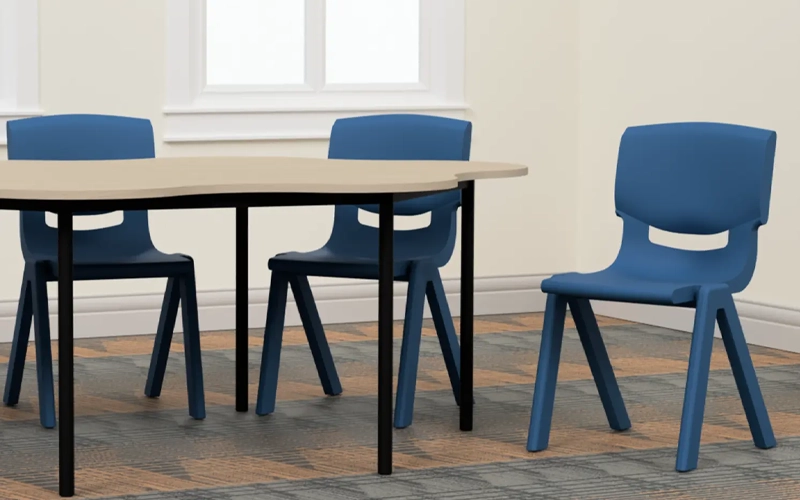
School Chairs for All Grade Levels
Our School Chairs are designed to provide comfort, support, and durability for students across all educational stages. Available in a range of sizes, materials, and styles, these chairs meet ergonomic standards and classroom safety requirements. Whether for preschool, elementary, or high school use, our school chairs ensure proper posture and long-term performance in learning environments.
School Chairs in Multiple Styles and Functions
School chairs are designed to meet the diverse needs of students and classrooms across all educational stages. Our wide range of school chairs is tailored to meet the needs of different age groups, teaching methods, and classroom layouts. Each type is made with safety, durability, and comfort in mind, from stackable preschool chairs to ergonomic high school seating.
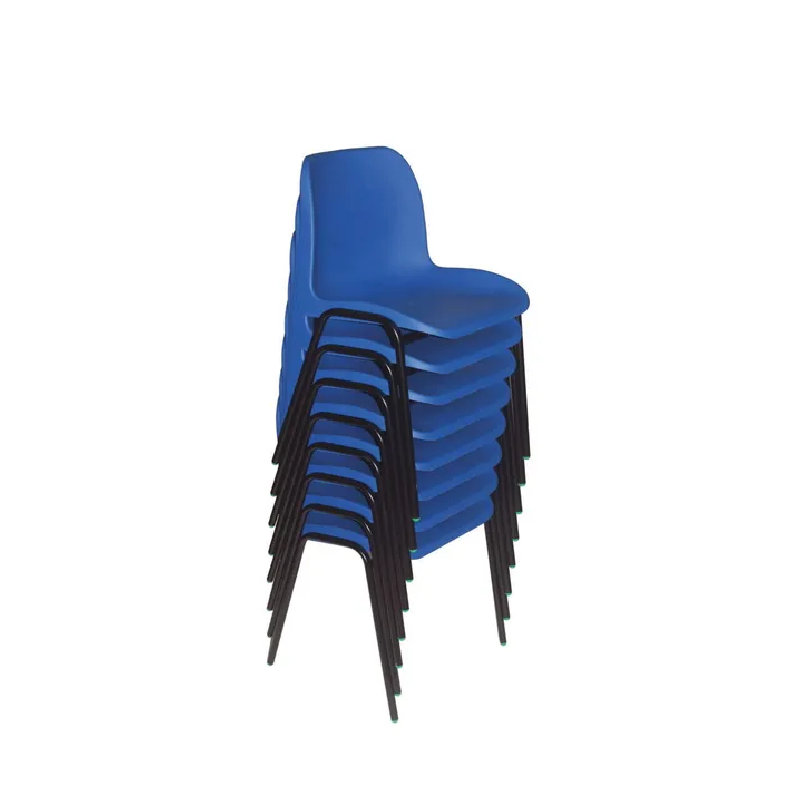
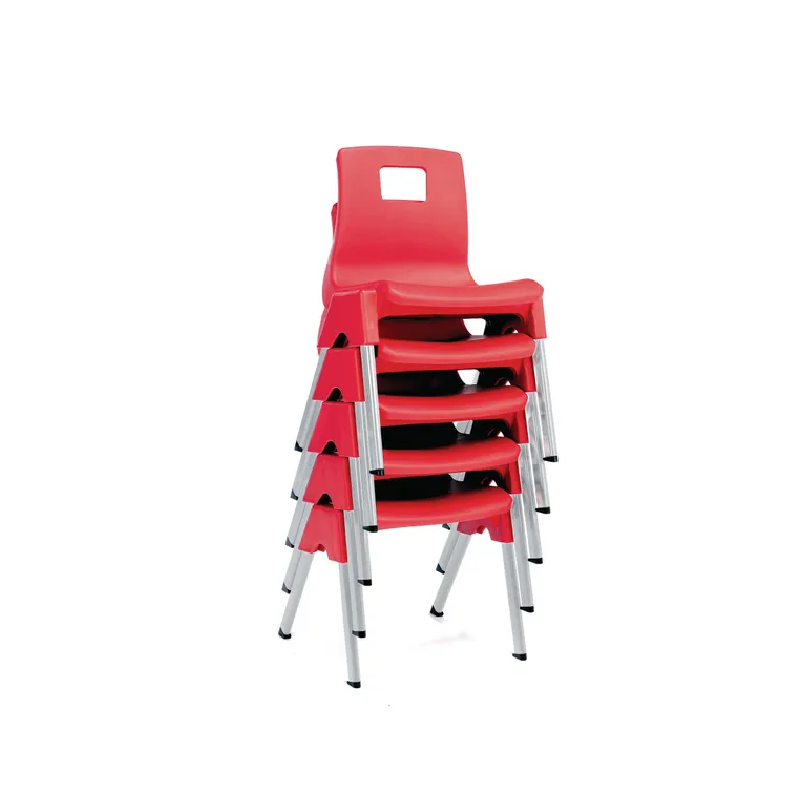
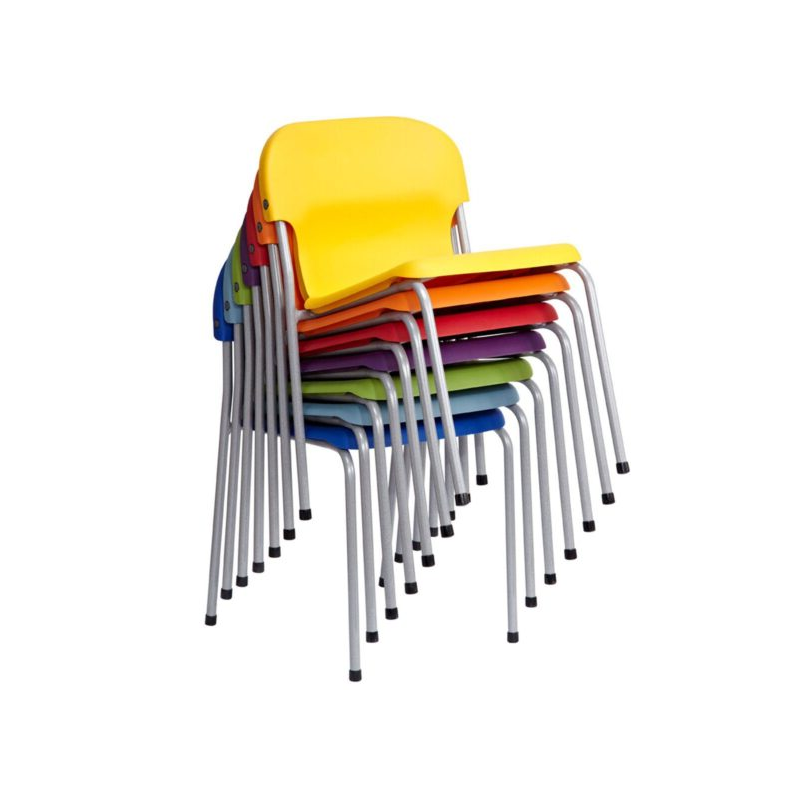
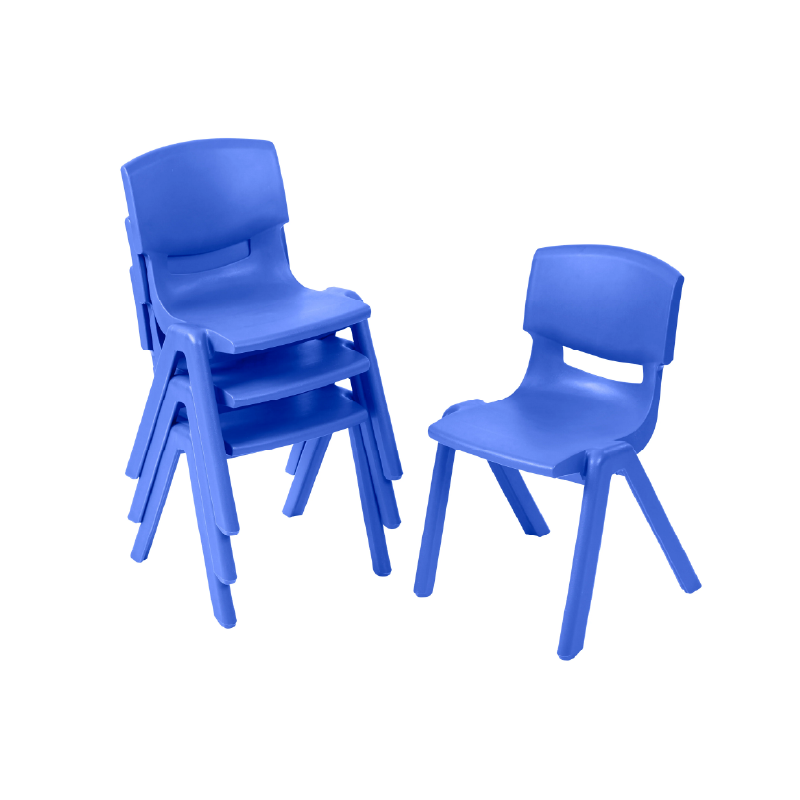
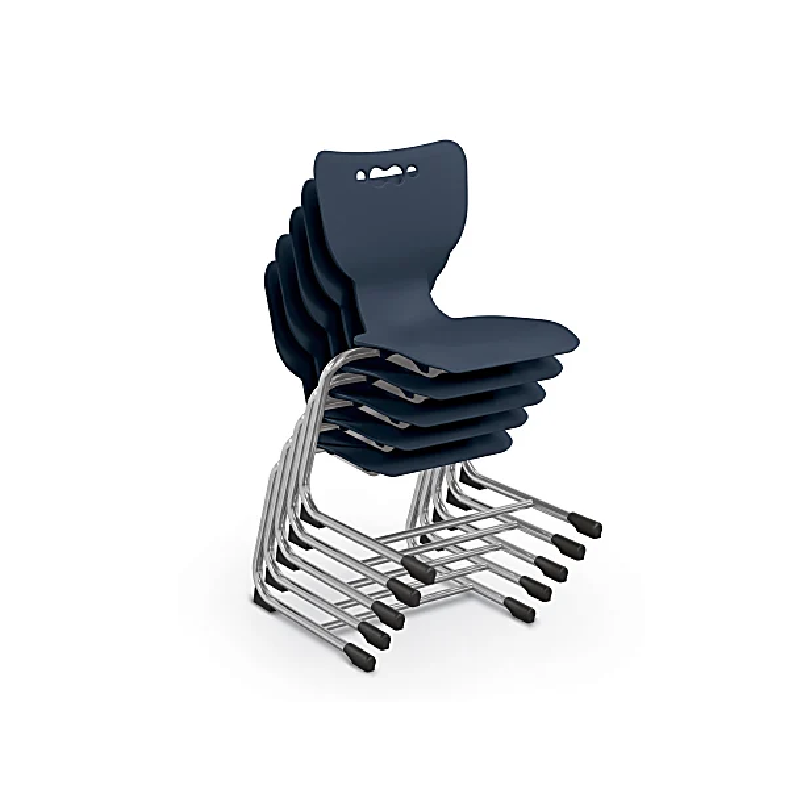
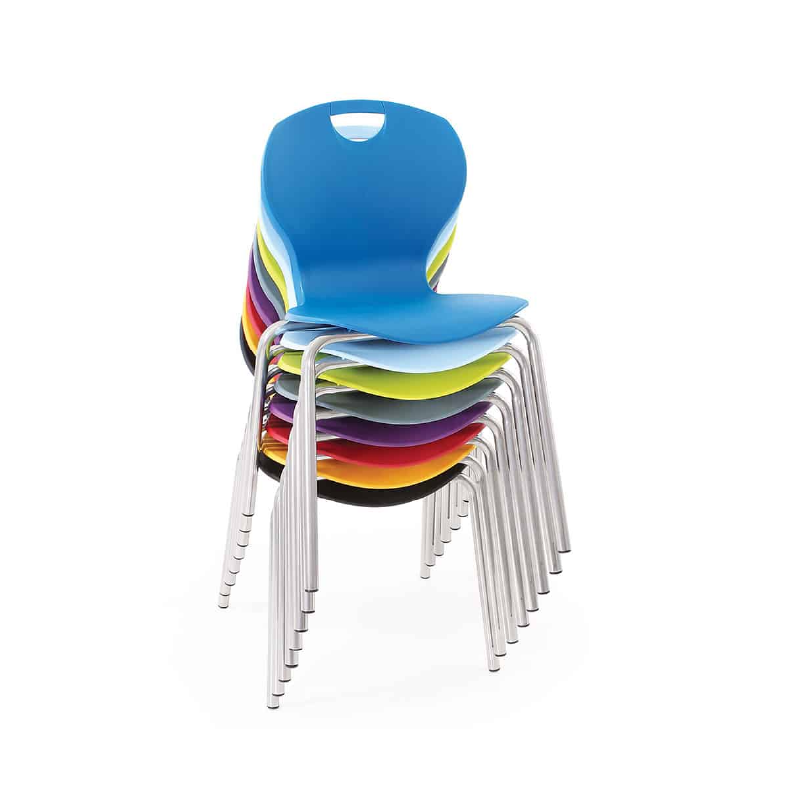
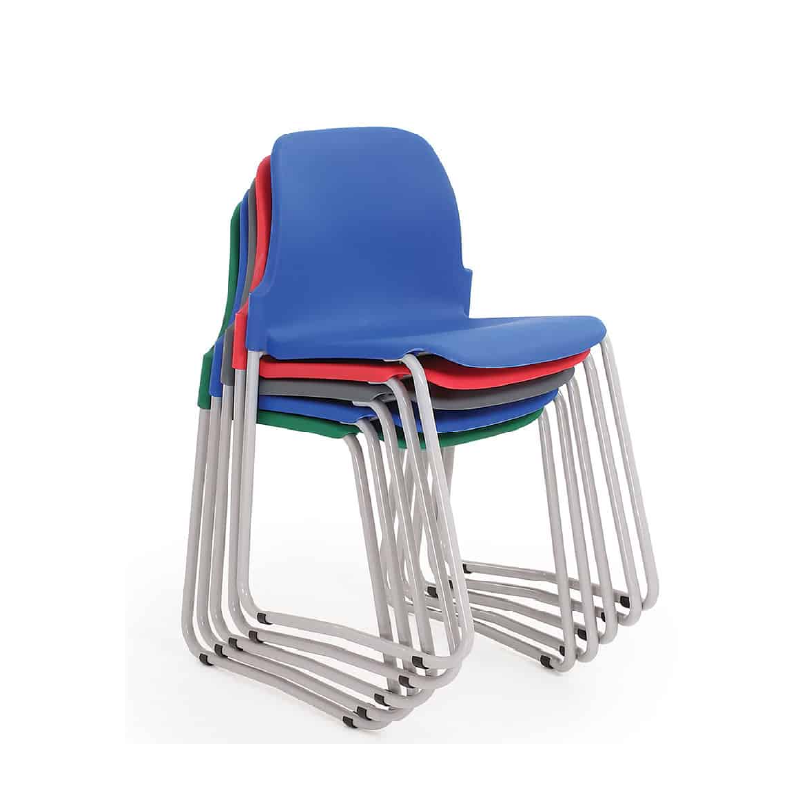
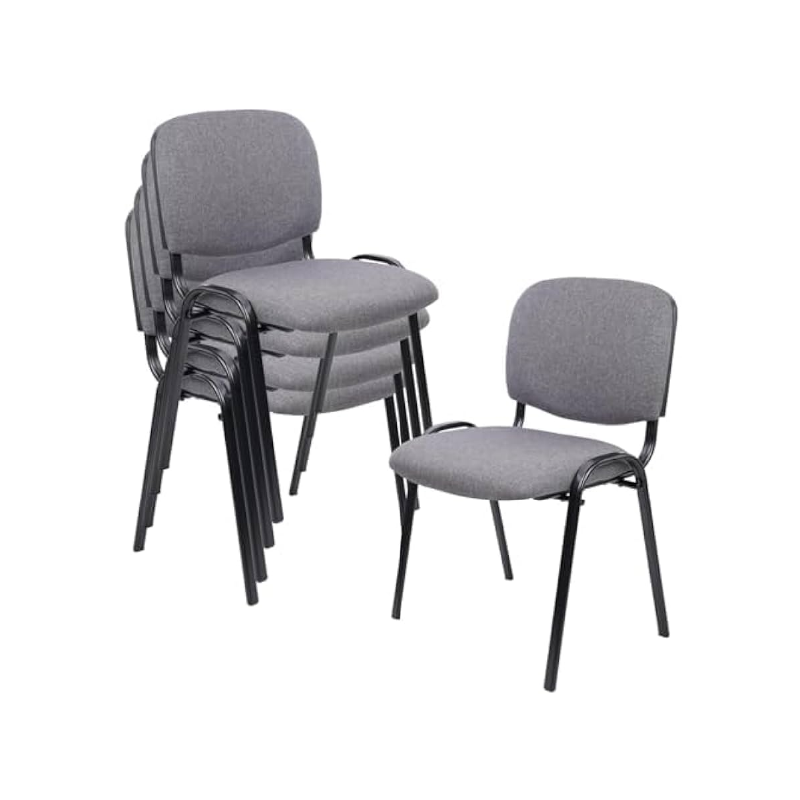
Stacking Chairs
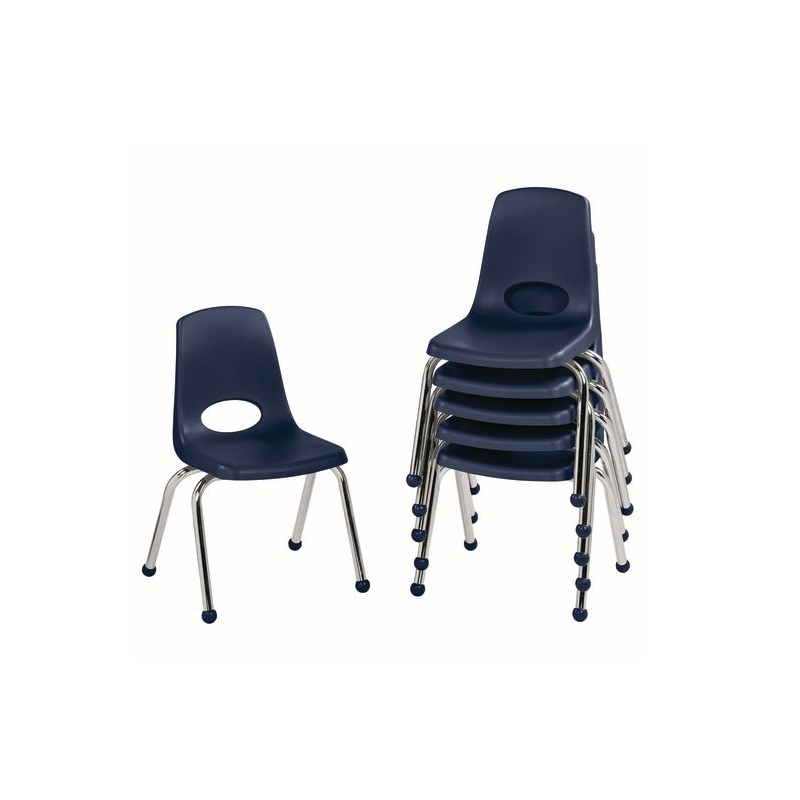
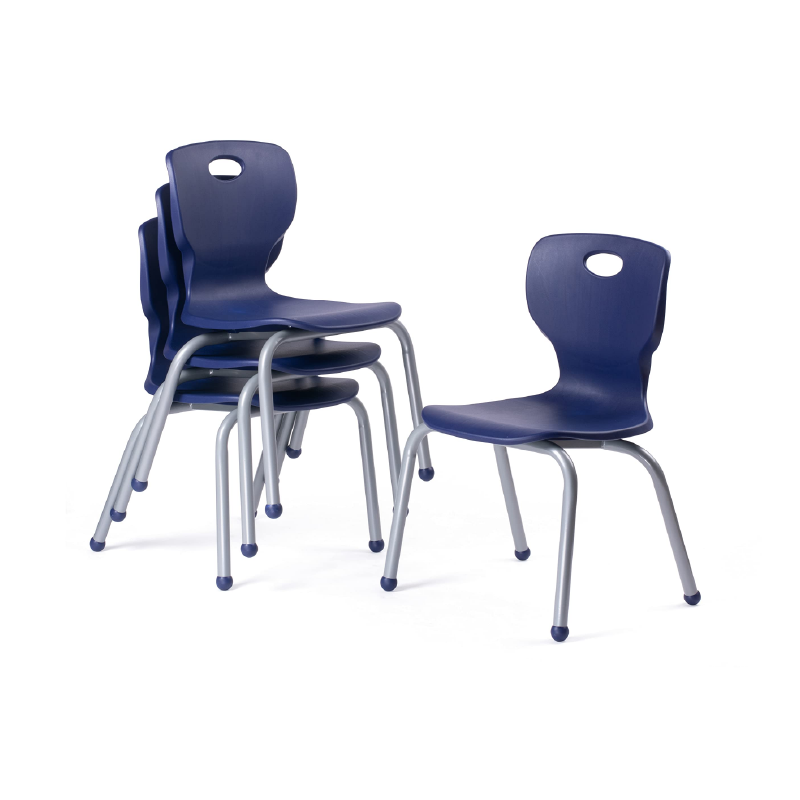
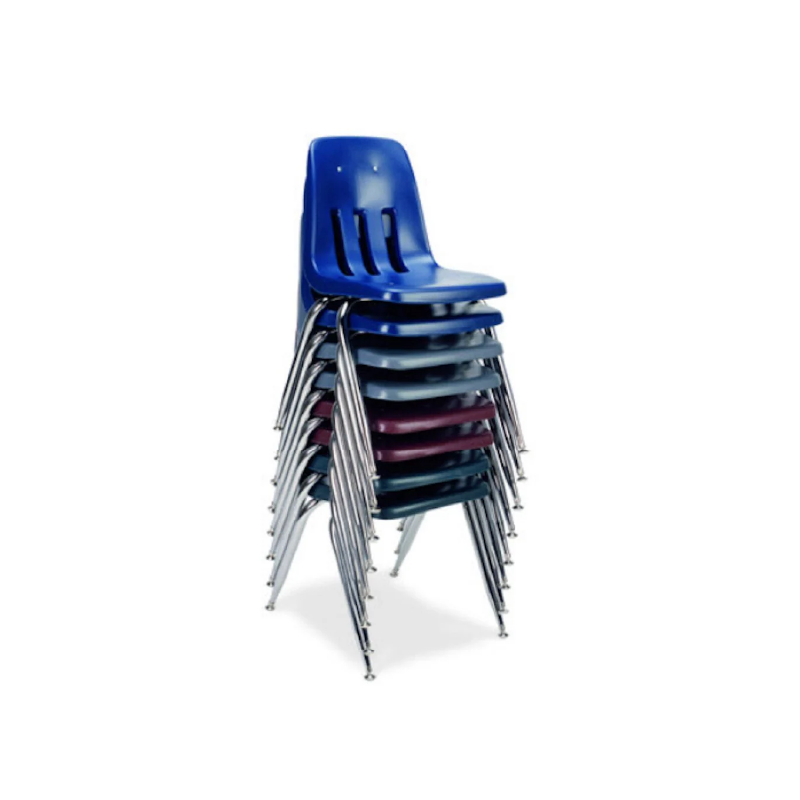
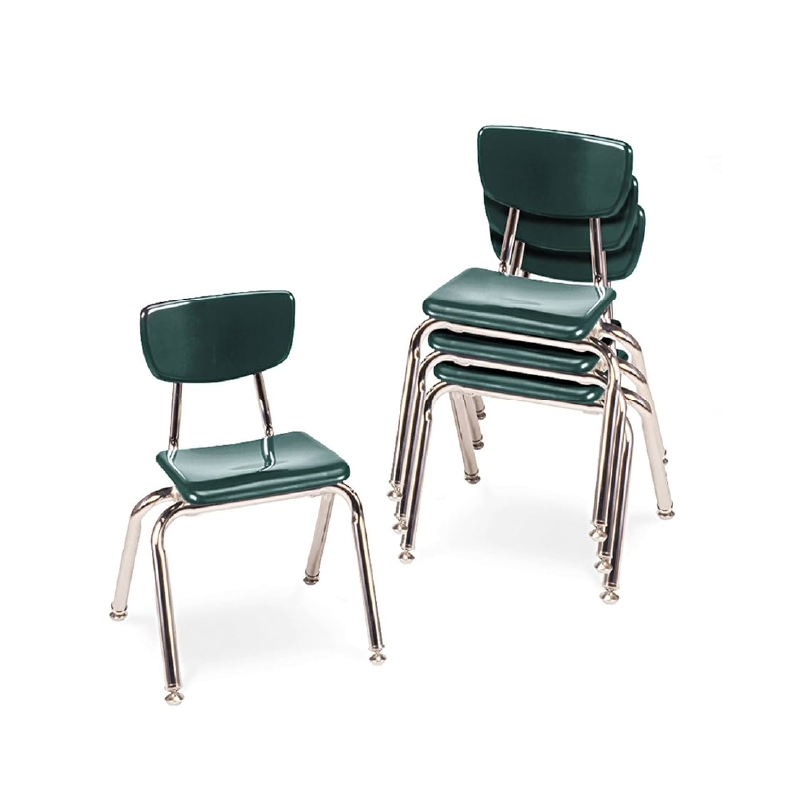
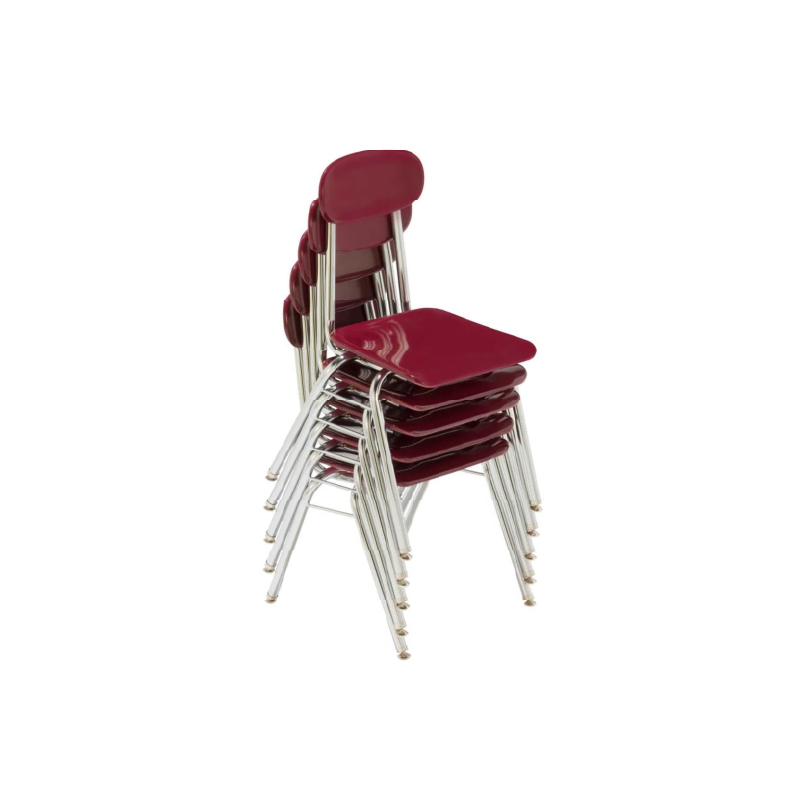
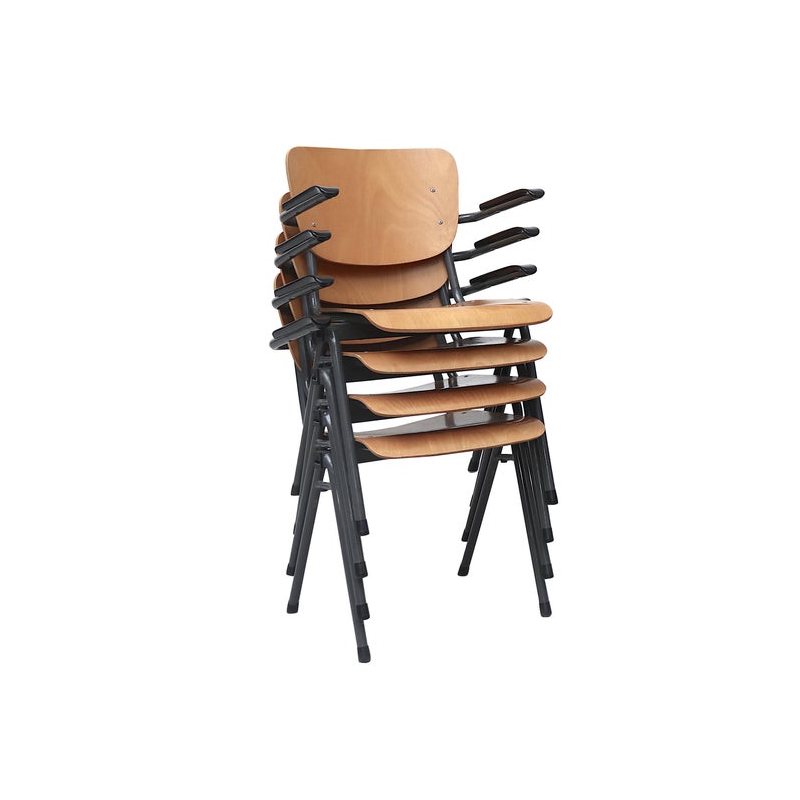
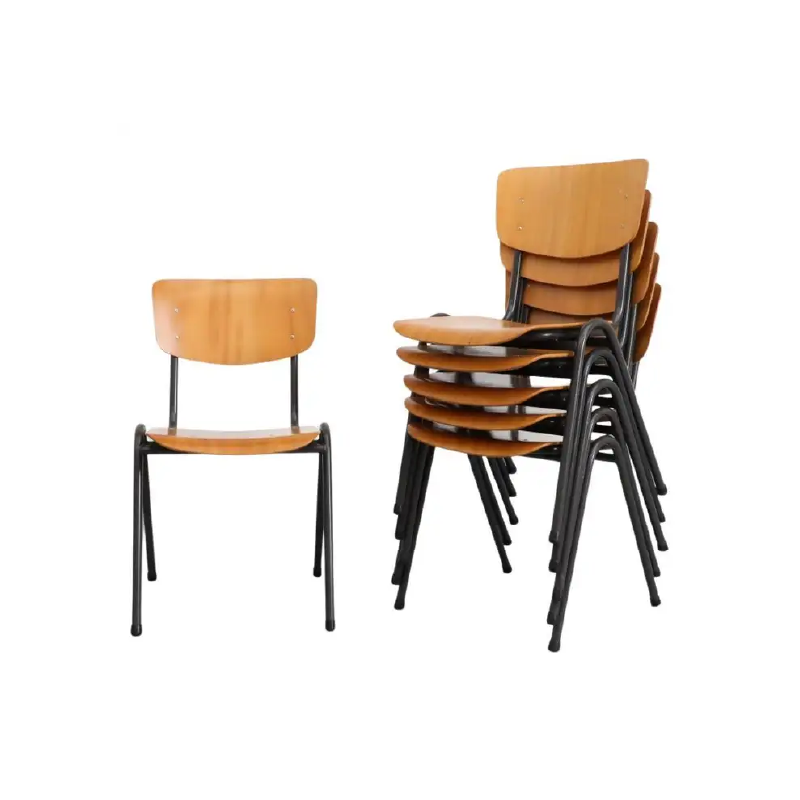
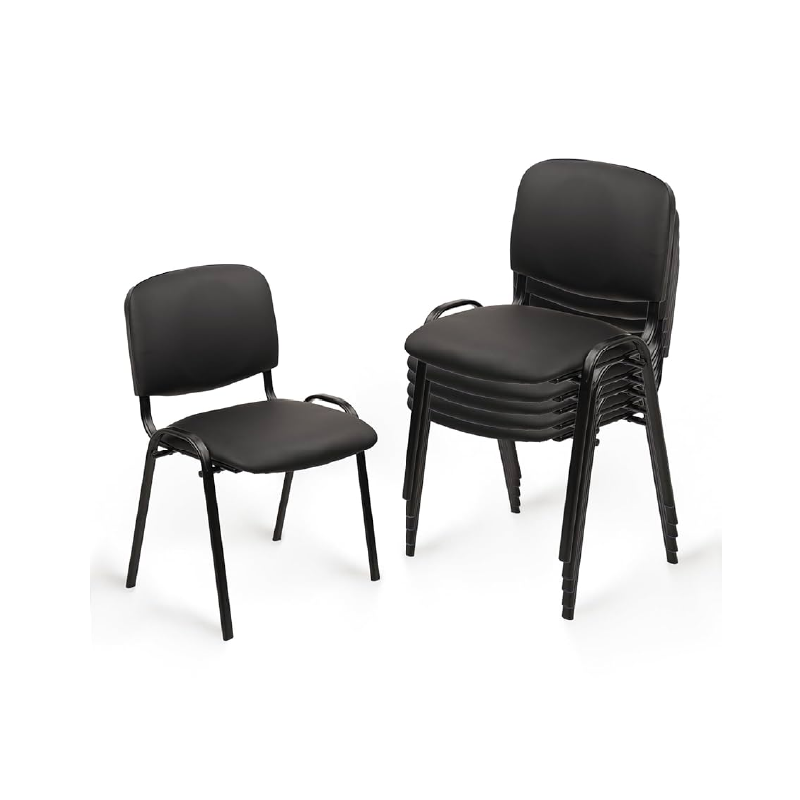
Stacking chairs are designed for easy storage and efficient space management. Commonly used in classrooms, auditoriums, and multipurpose halls, these school chairs are lightweight, durable, and easy to move and arrange.
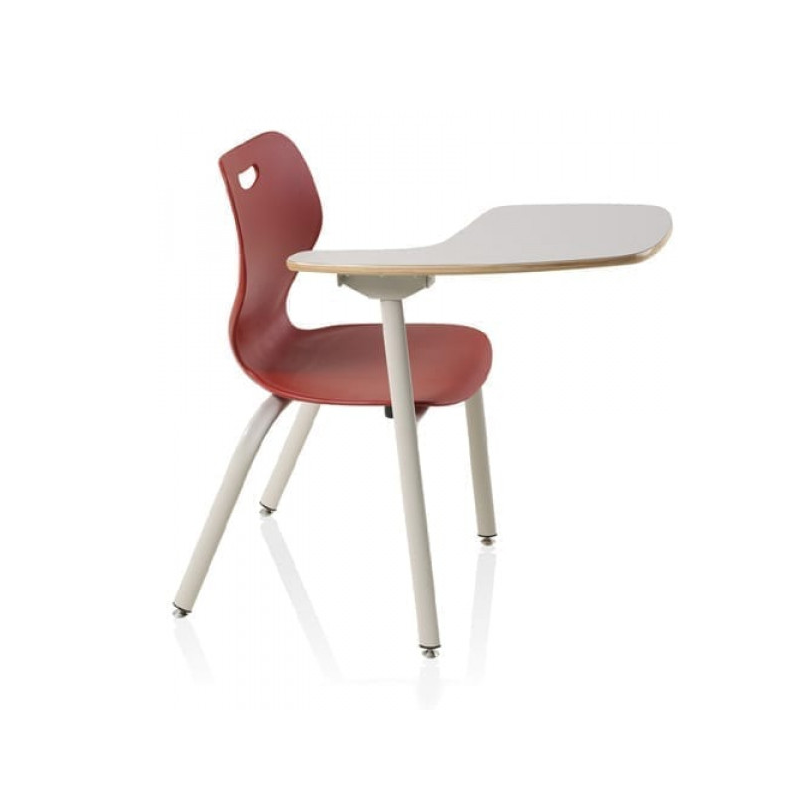
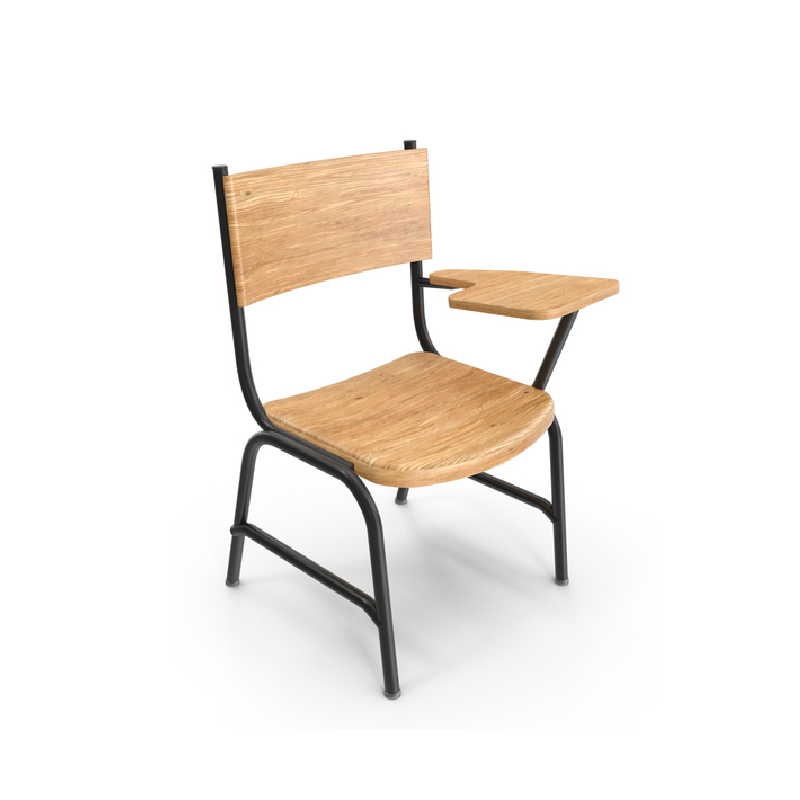
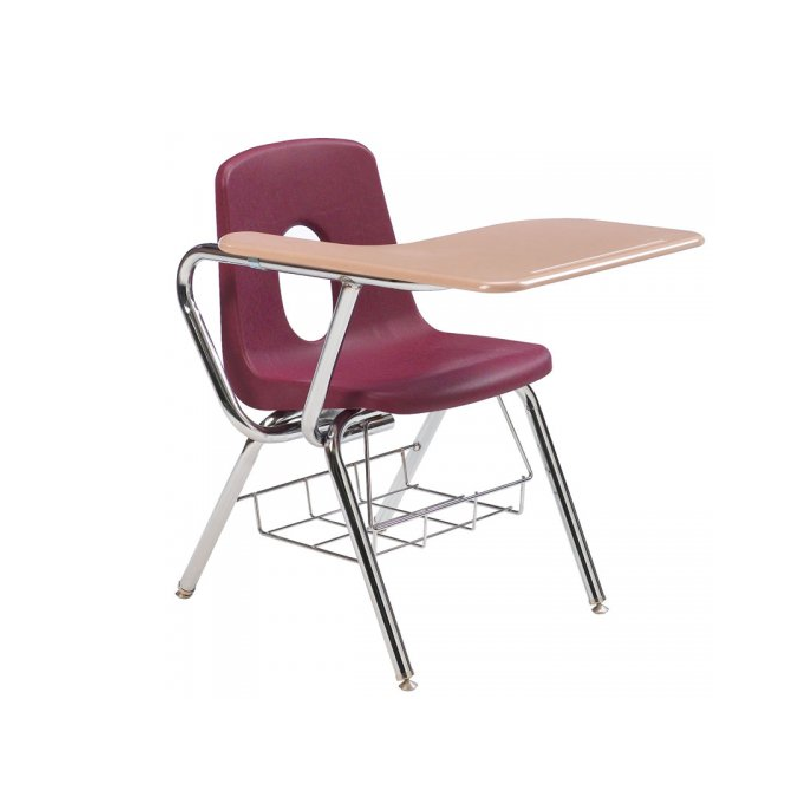
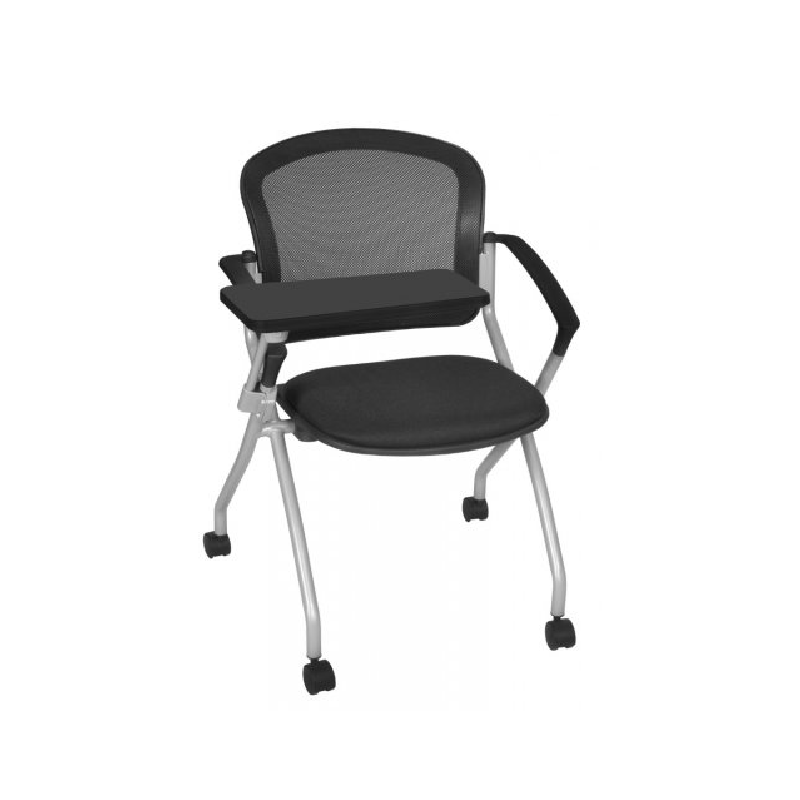
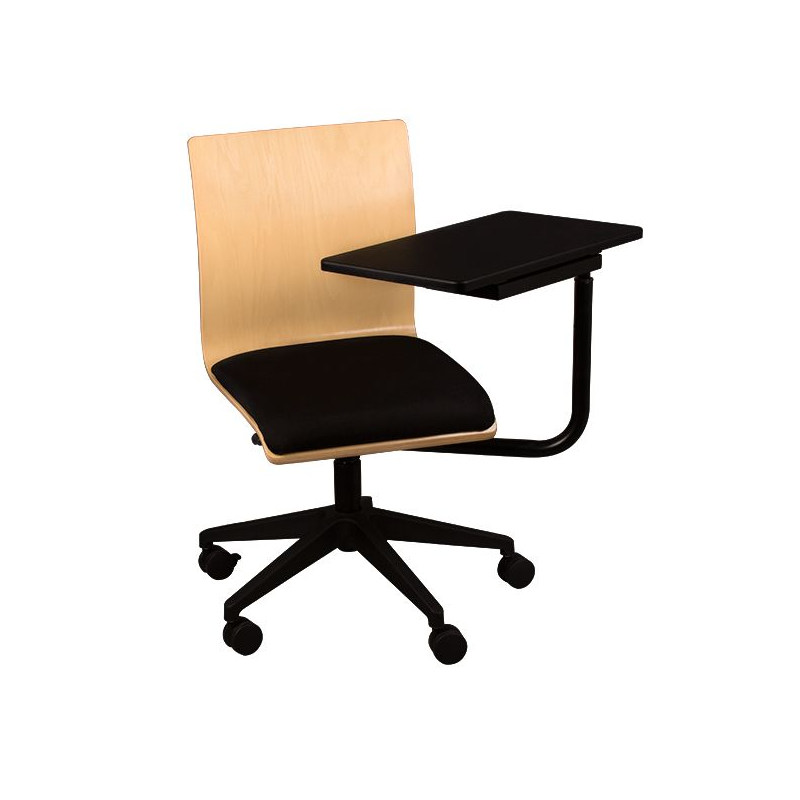
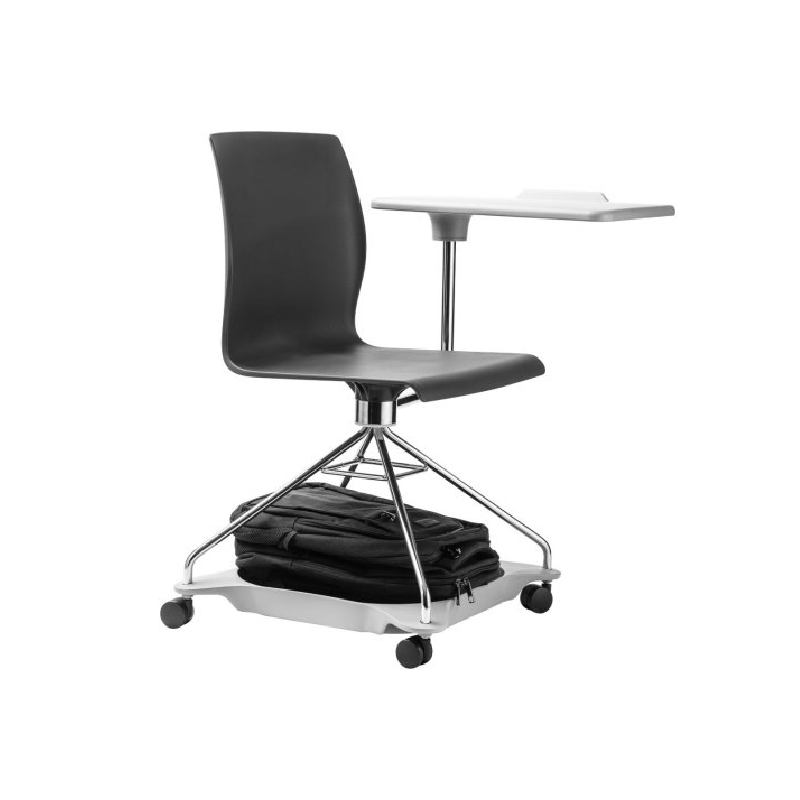
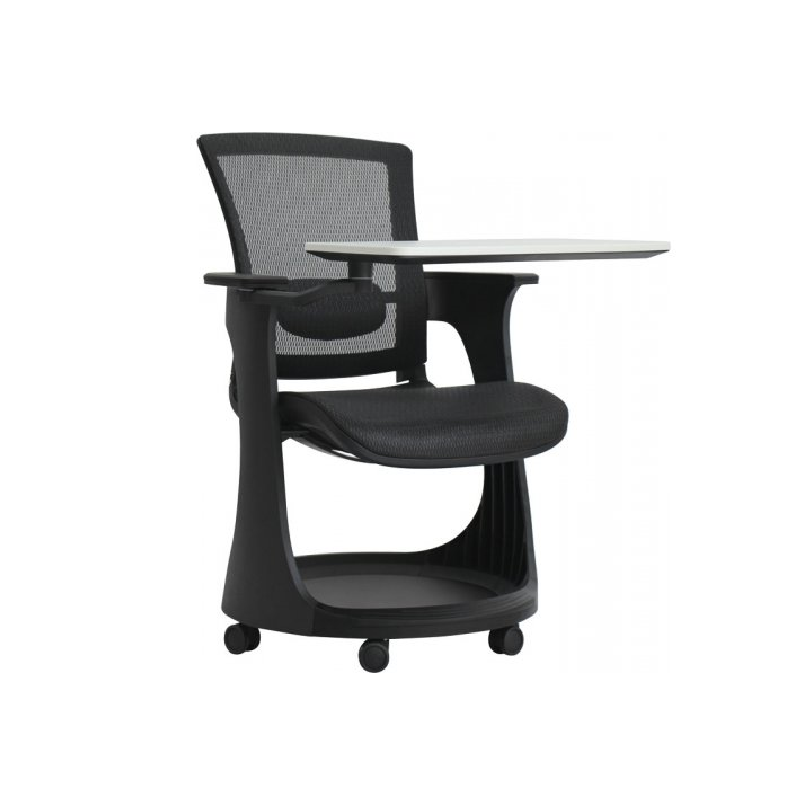
Tablet Armchairs
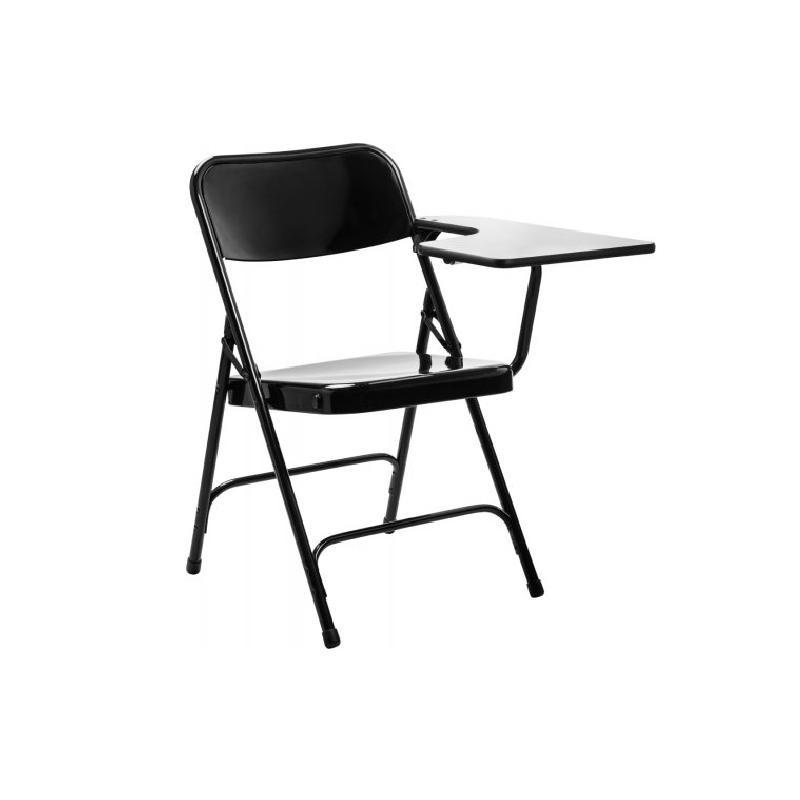
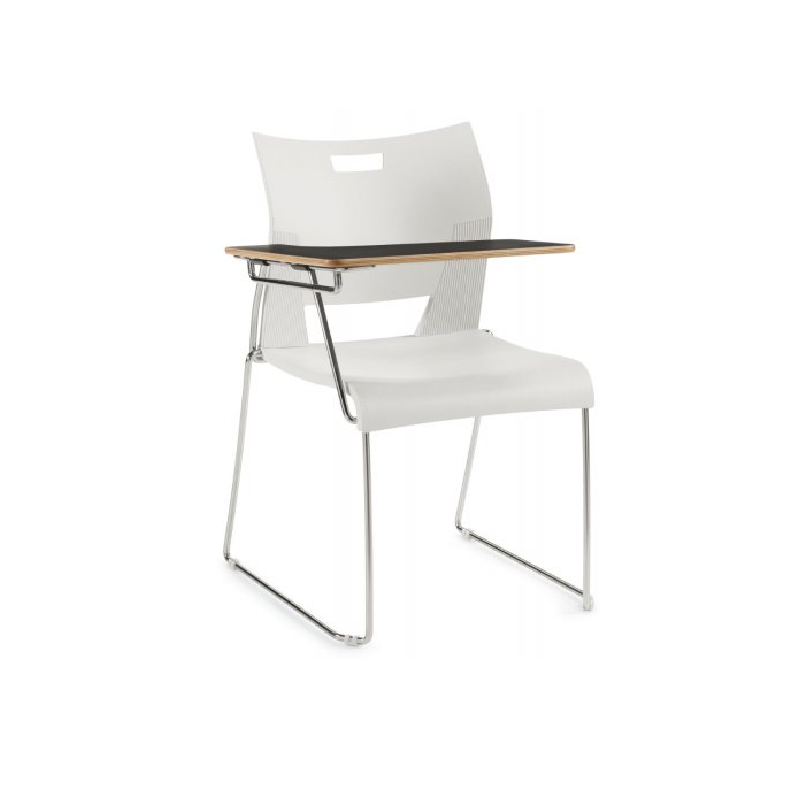
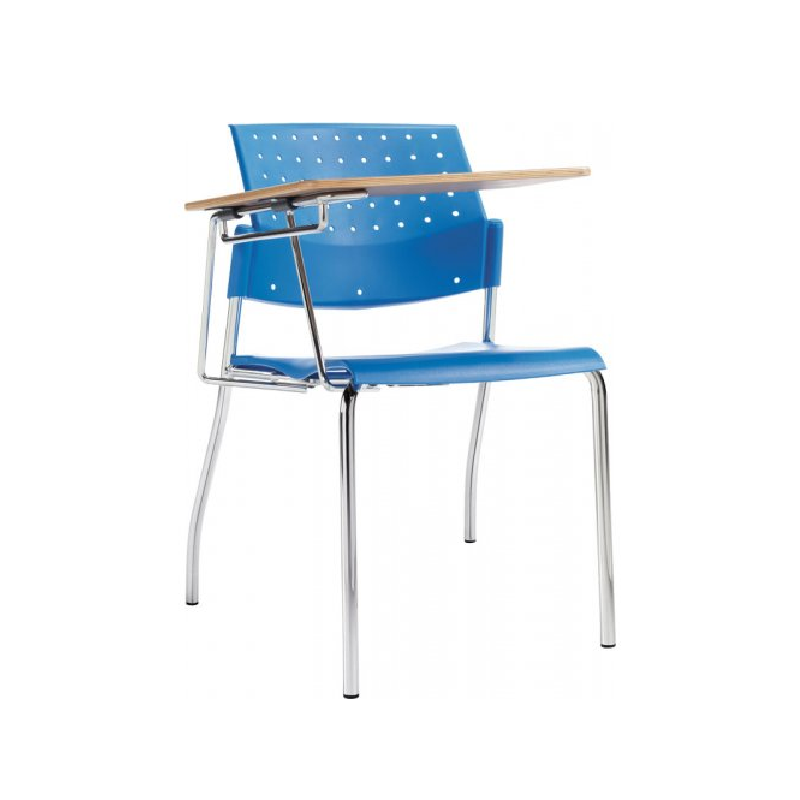
Tablet armchairs feature an integrated writing surface attached to the side, offering a compact solution for note-taking or lectures without the need for separate desks. Ideal for training rooms, seminar spaces, and test centers.
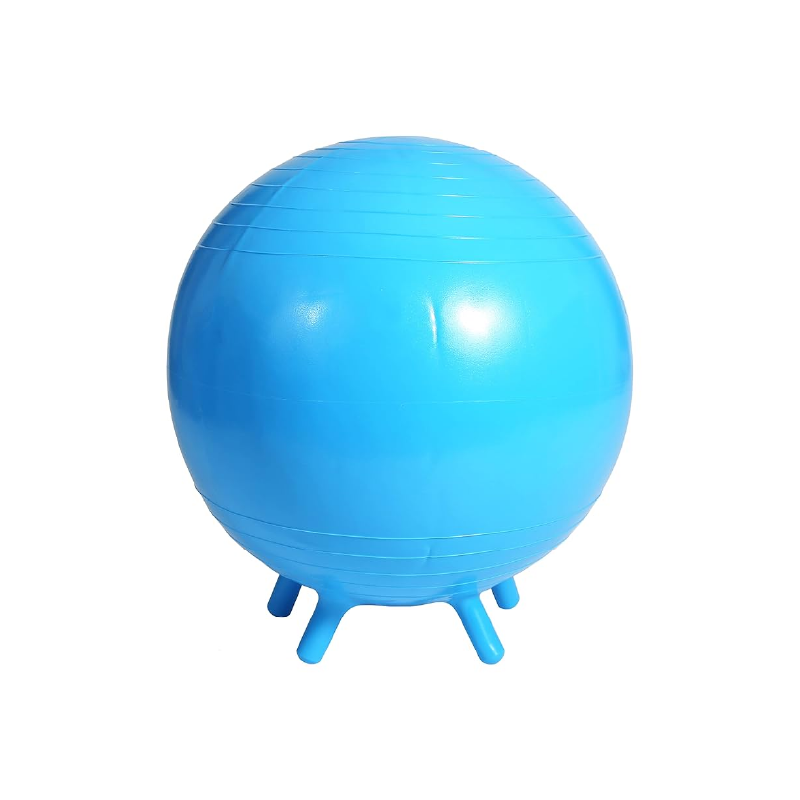
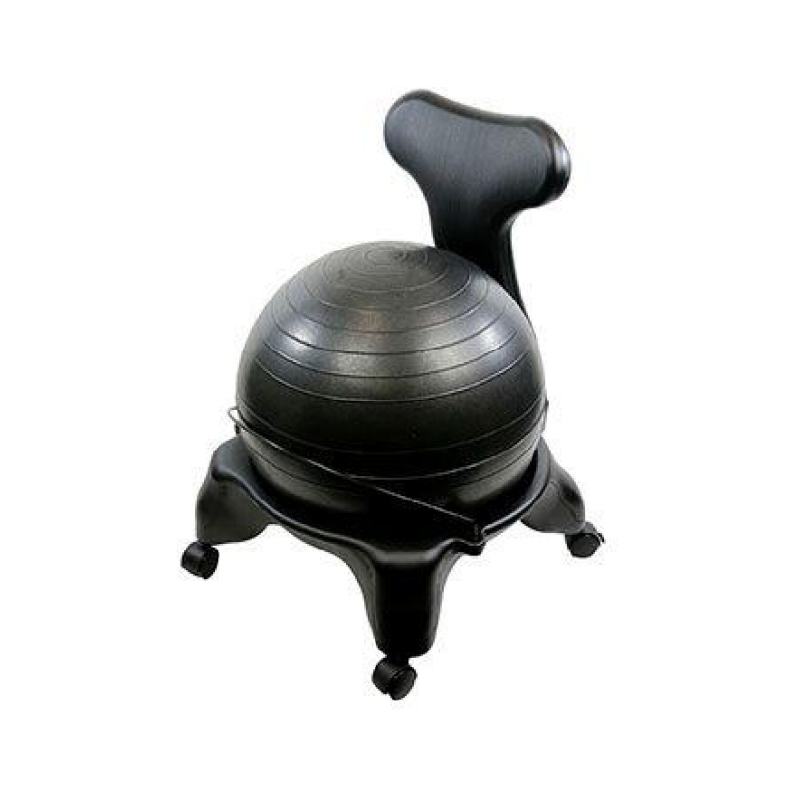
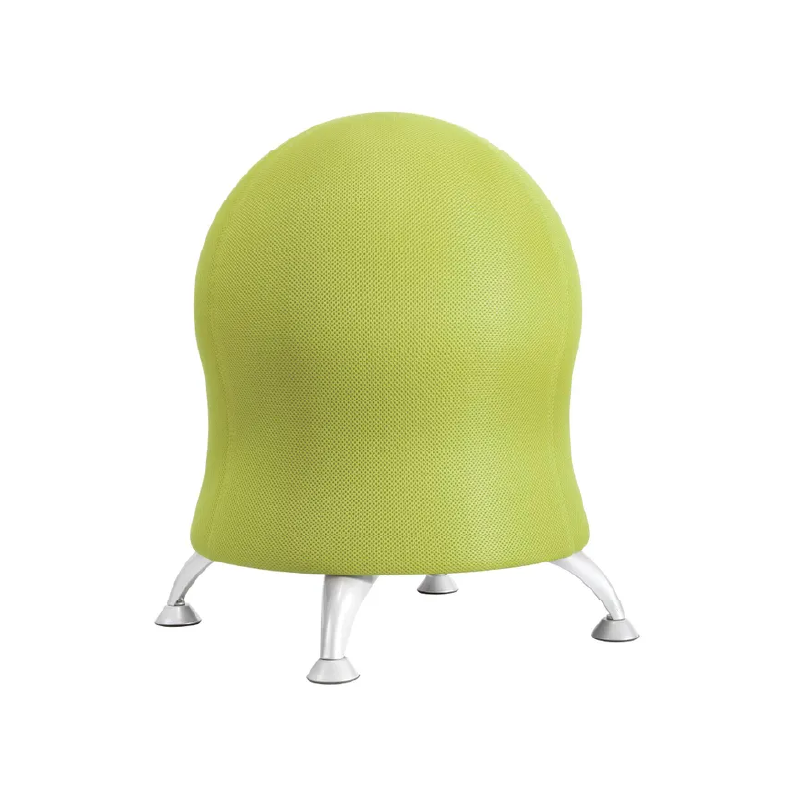
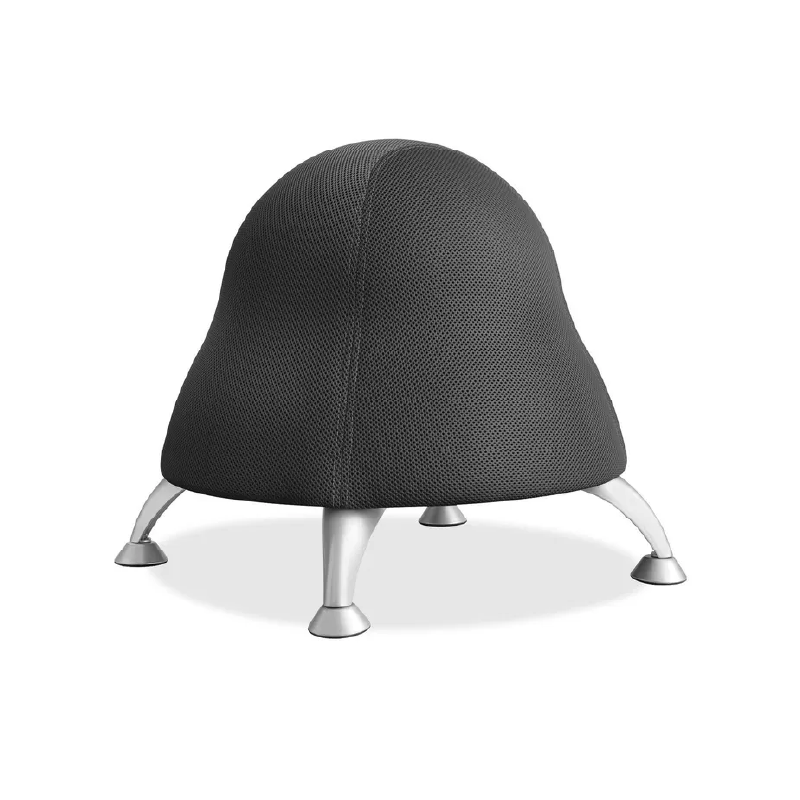
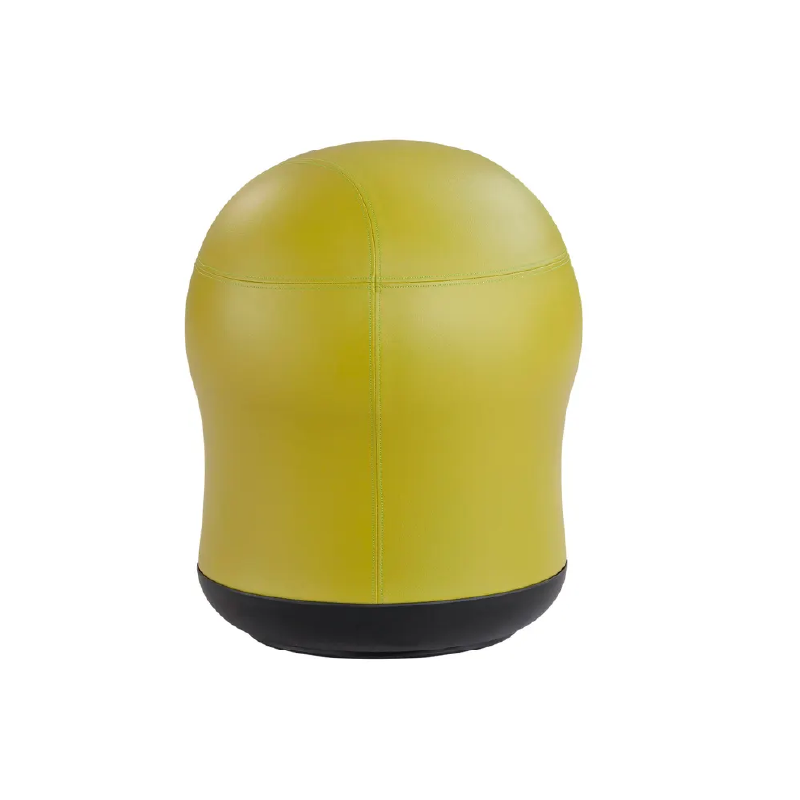
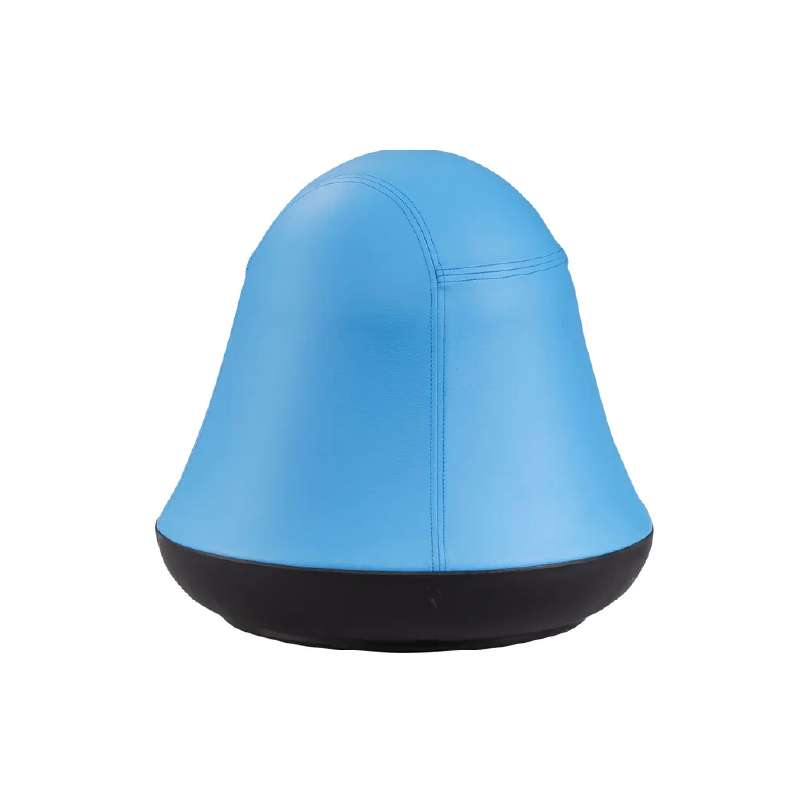
Ball Chairs
Ball chairs encourage active sitting and promote better posture by engaging core muscles. Often used in sensory rooms or flexible learning environments, they support concentration and physical engagement during seated activities.
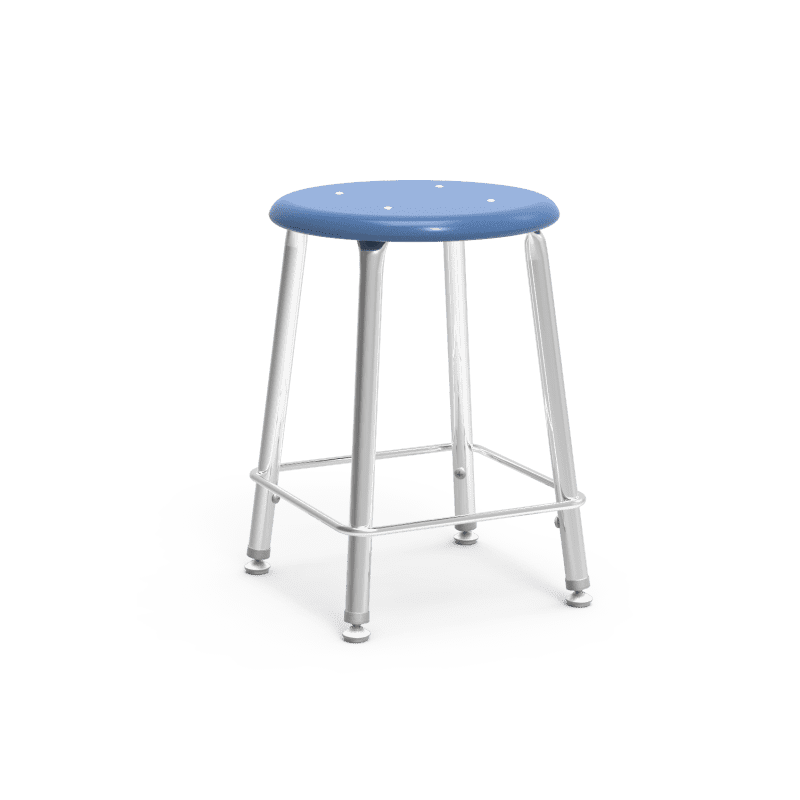
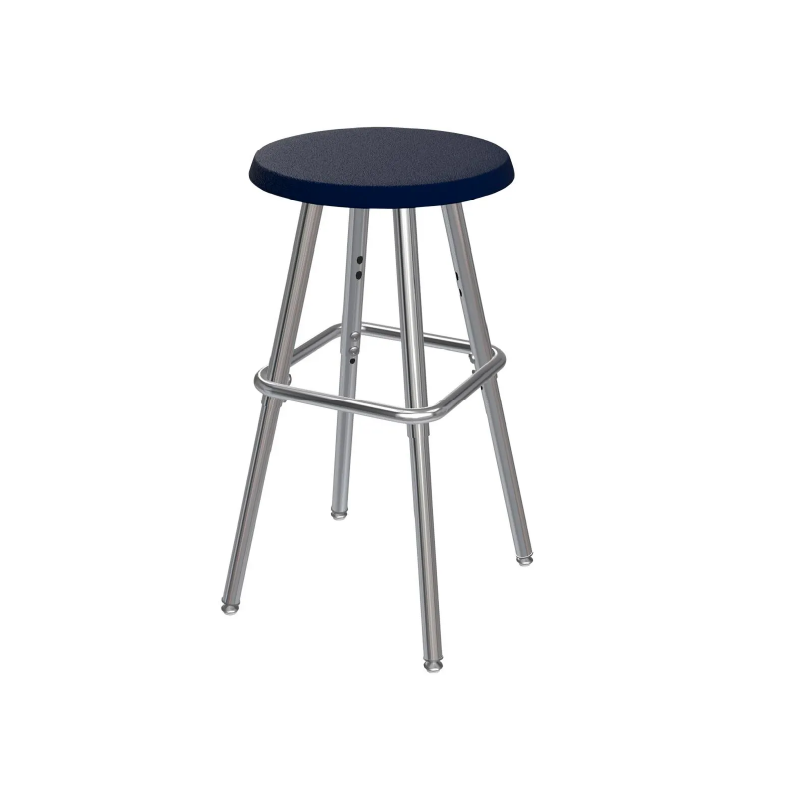
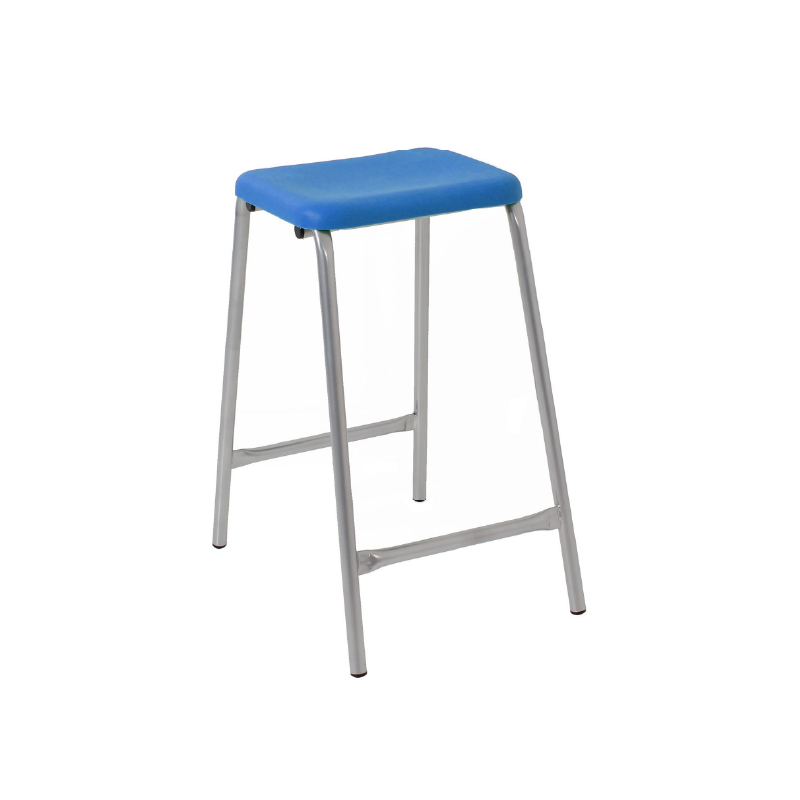
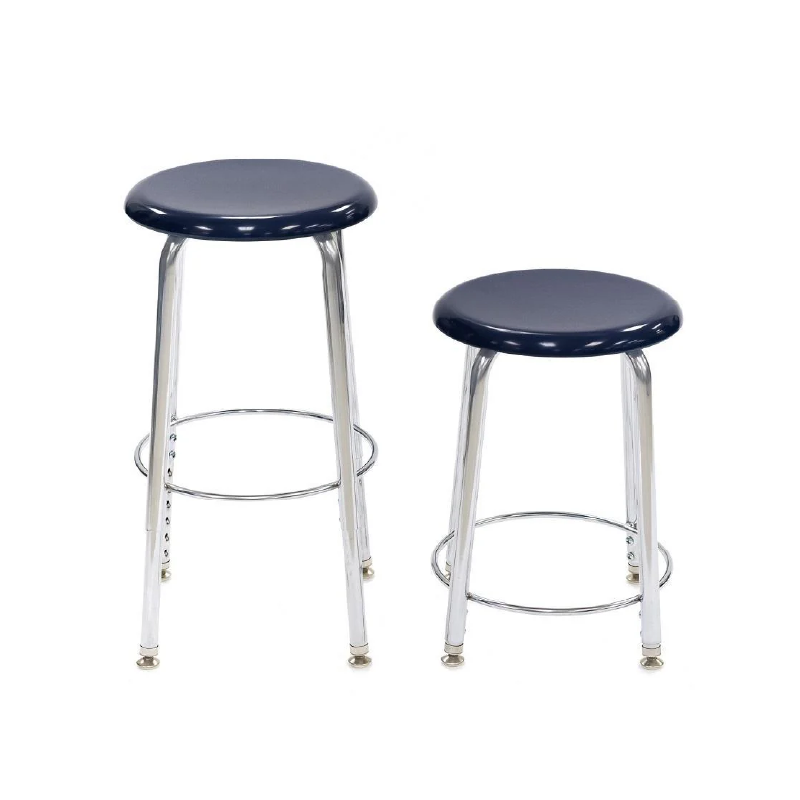
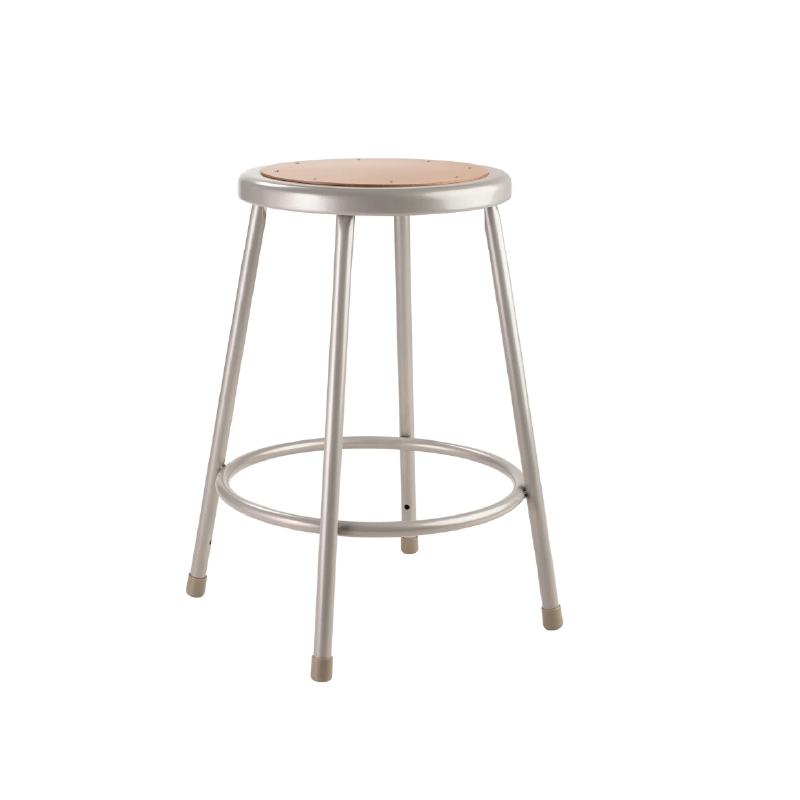
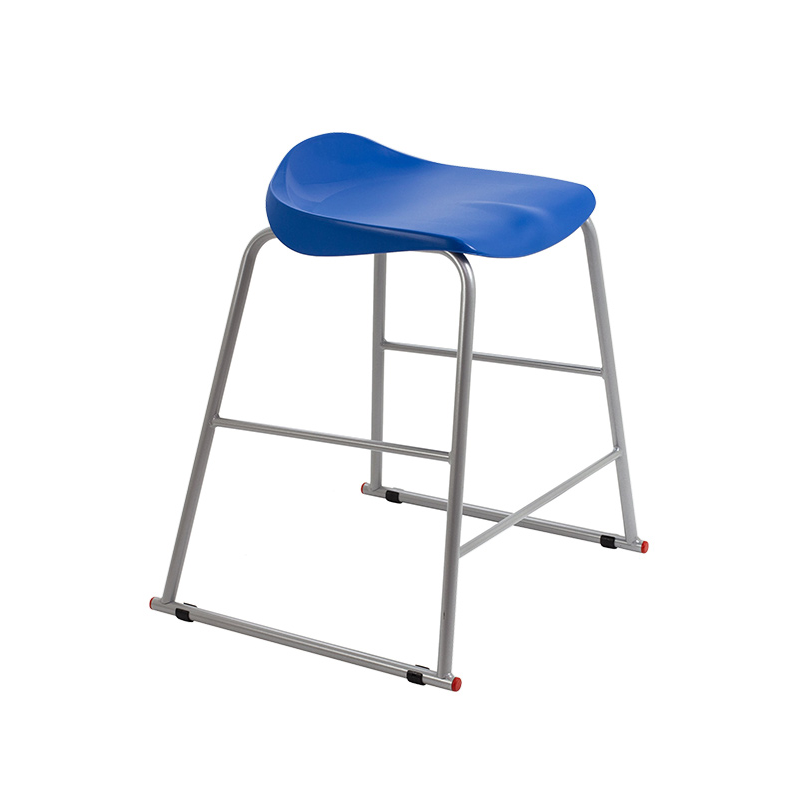
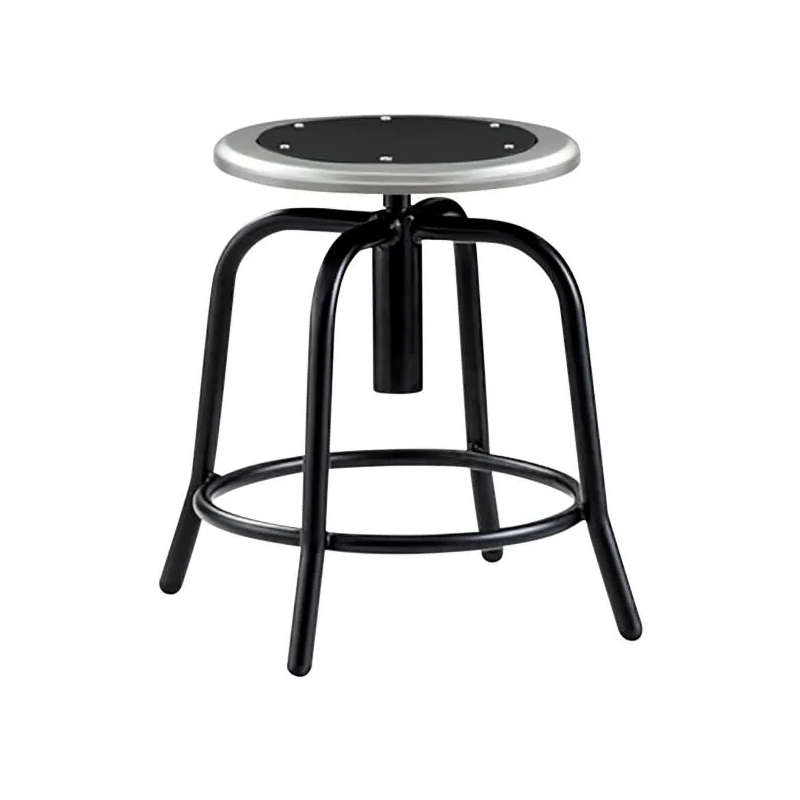
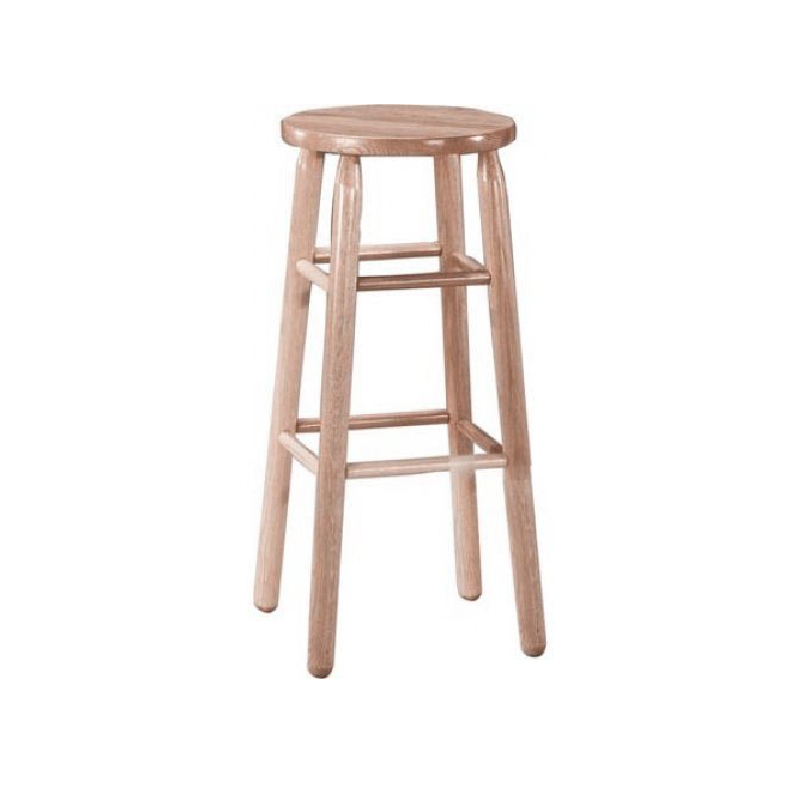
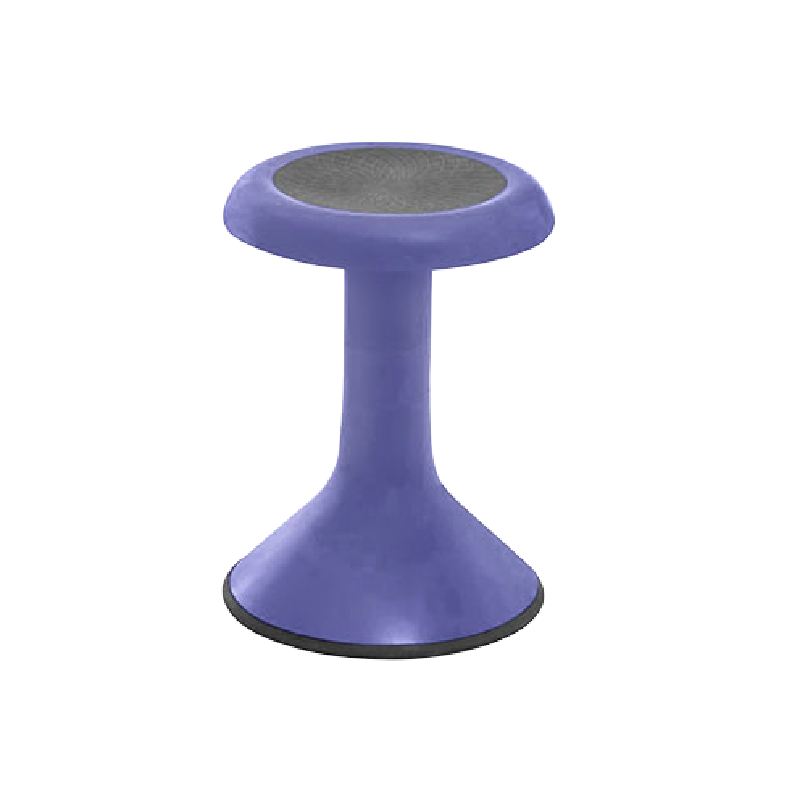
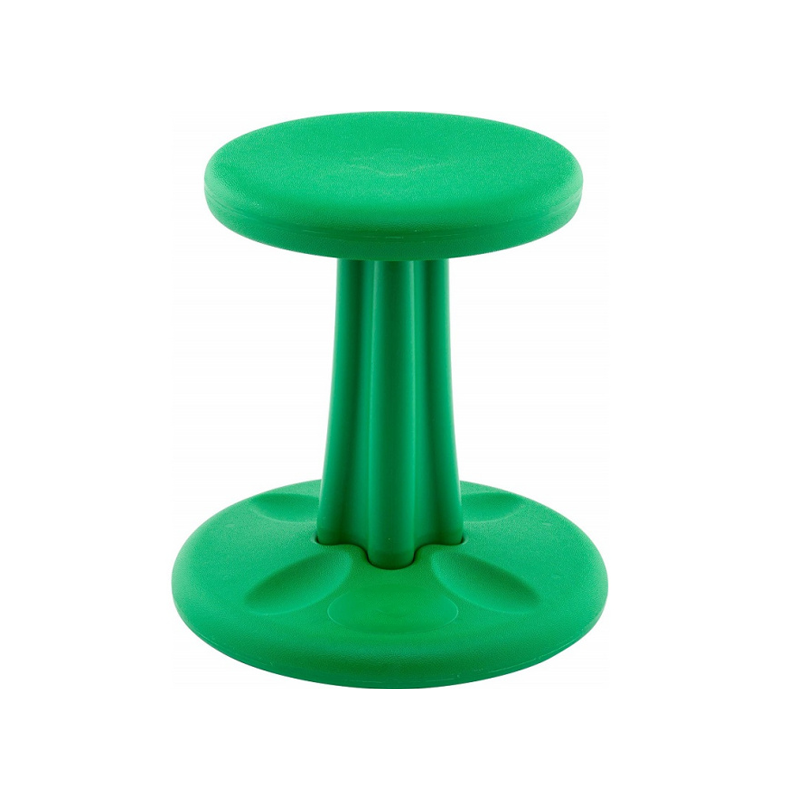
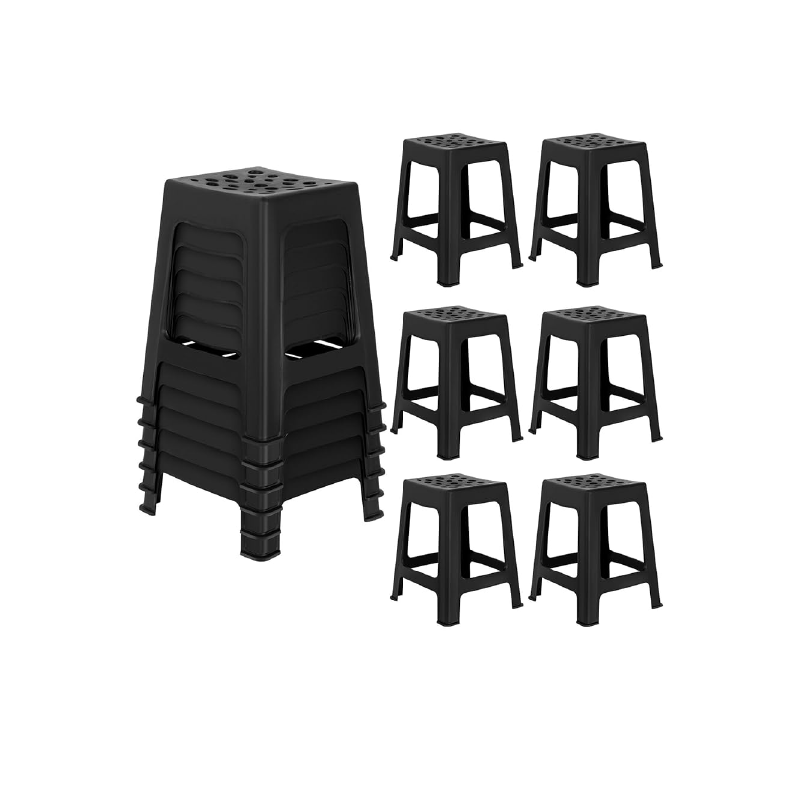
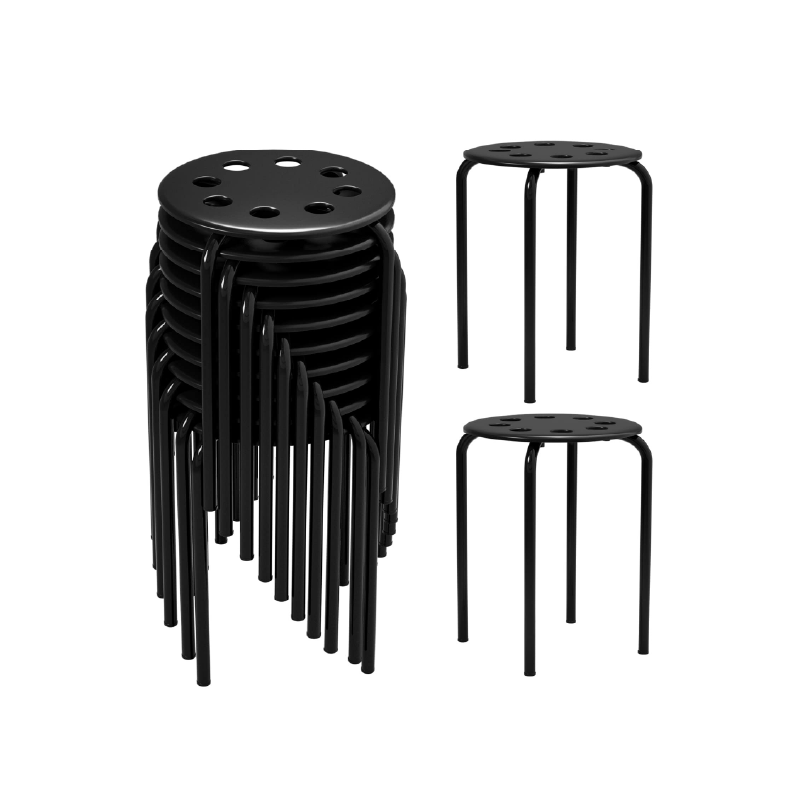
Stools
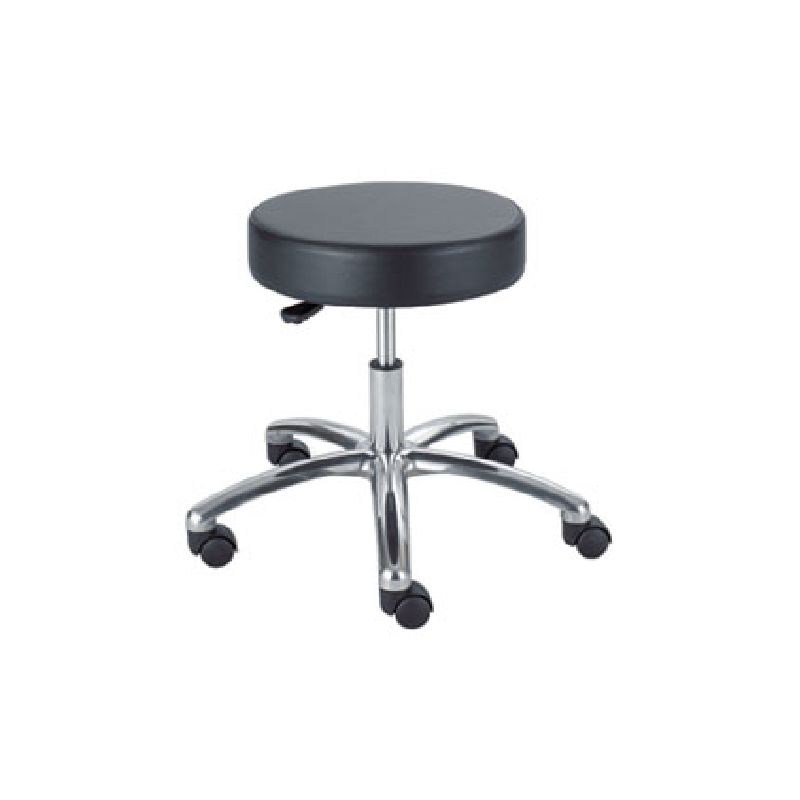
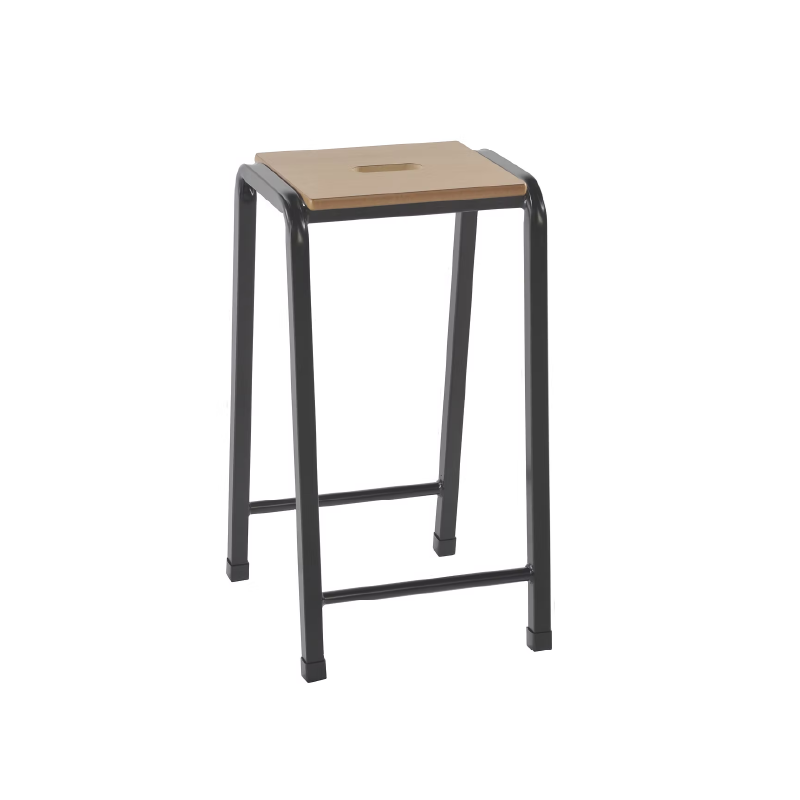
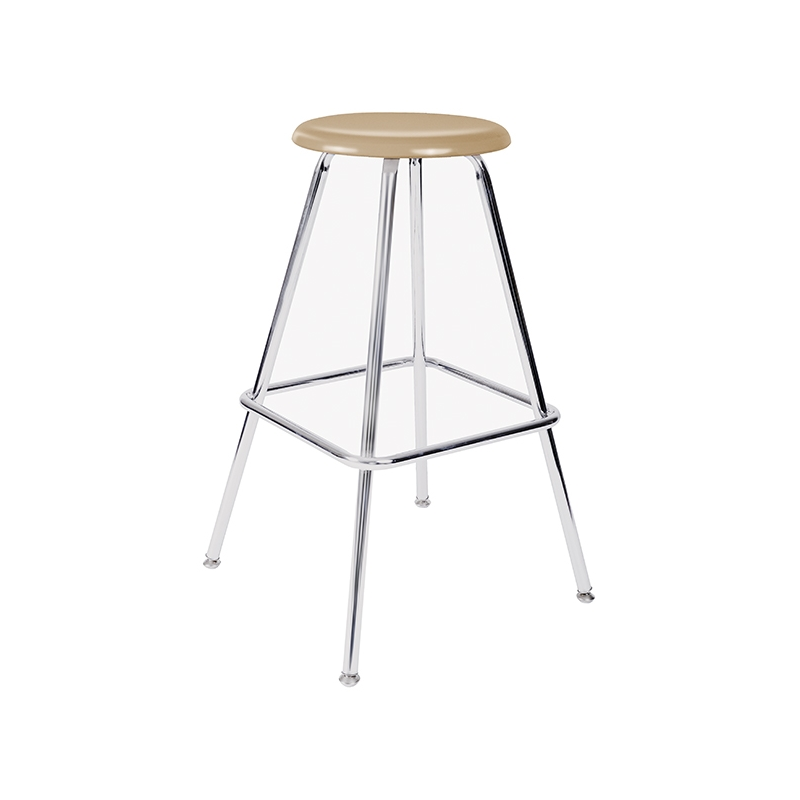
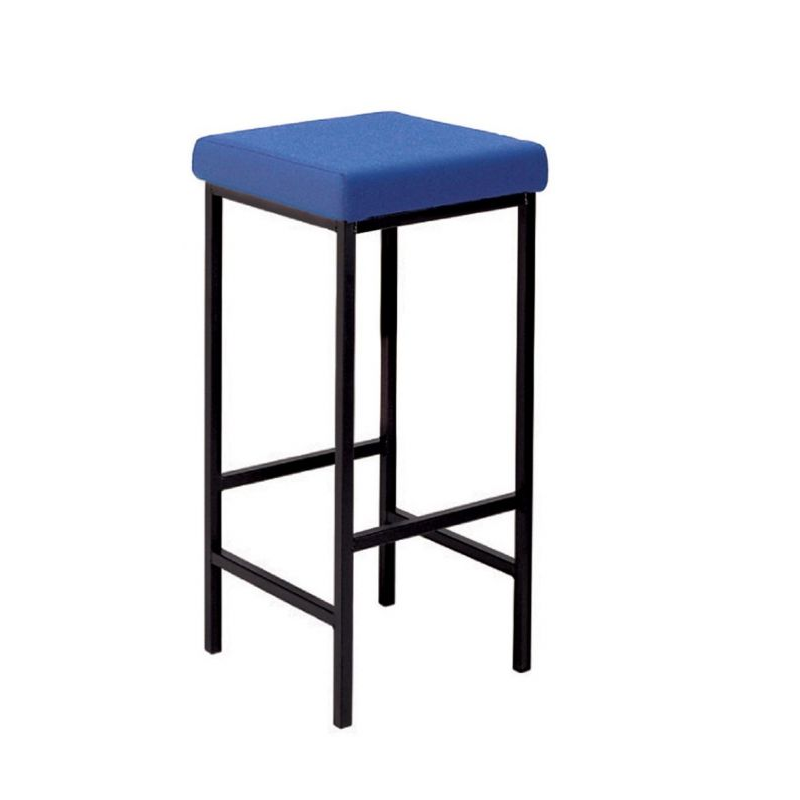
Backless stools are commonly used in art rooms, science labs, and tech workshops. These school chairs offer freedom of movement and are often height-adjustable or stackable to suit various instructional needs.Reception tables are placed in entry areas to provide a welcoming and functional surface for visitor interactions. Designed with aesthetic appeal and practicality, these tables support administrative tasks and contribute to a professional first impression.
Soft Seating
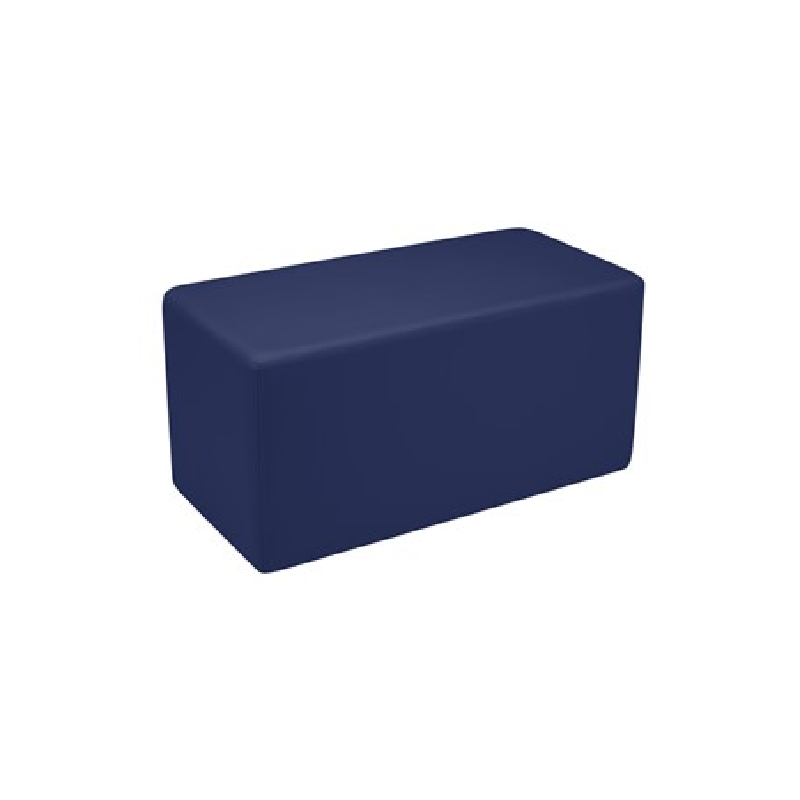
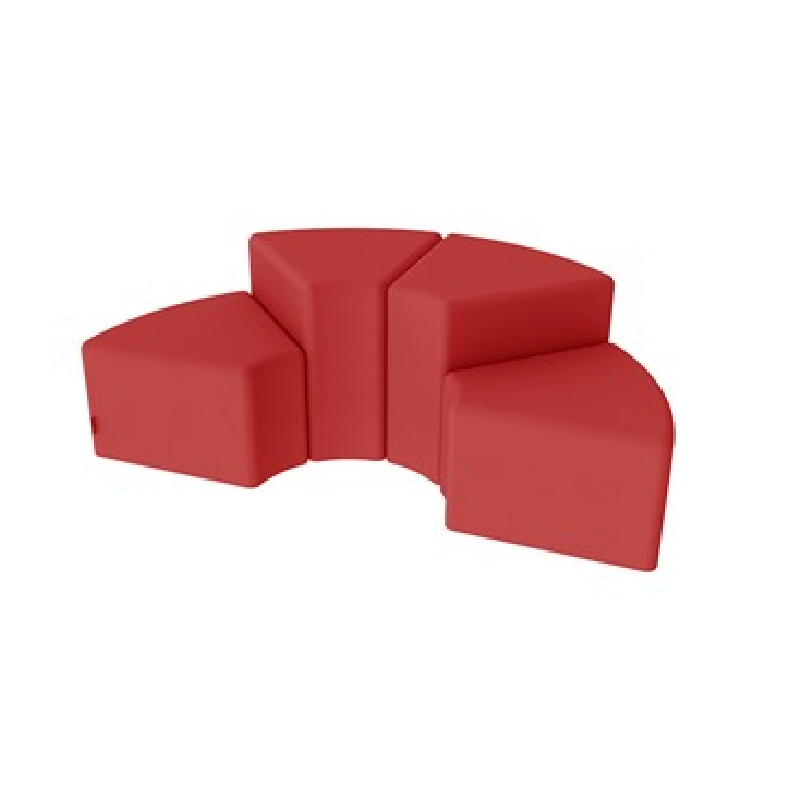
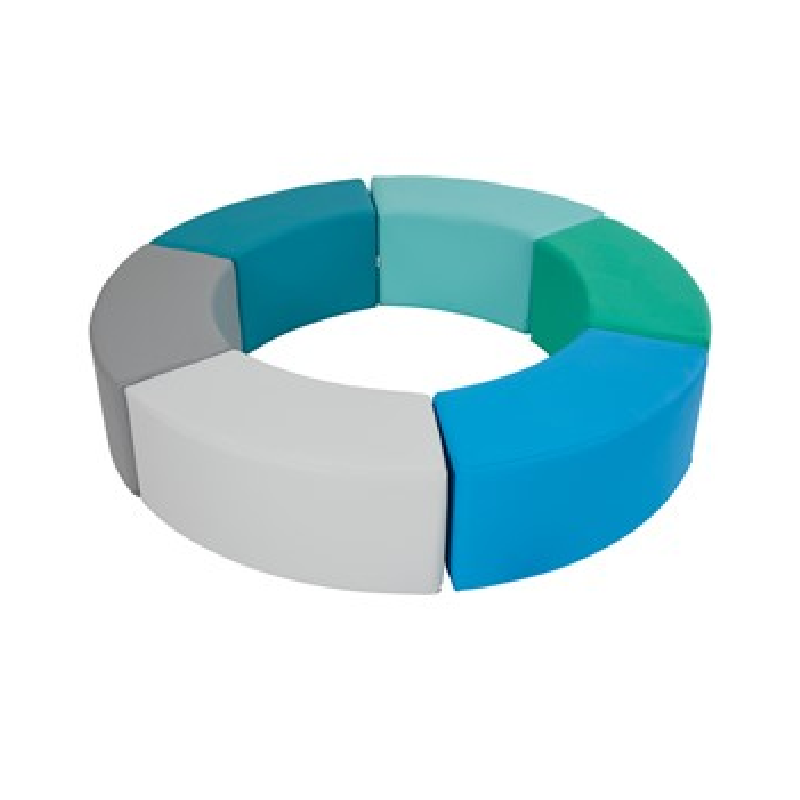
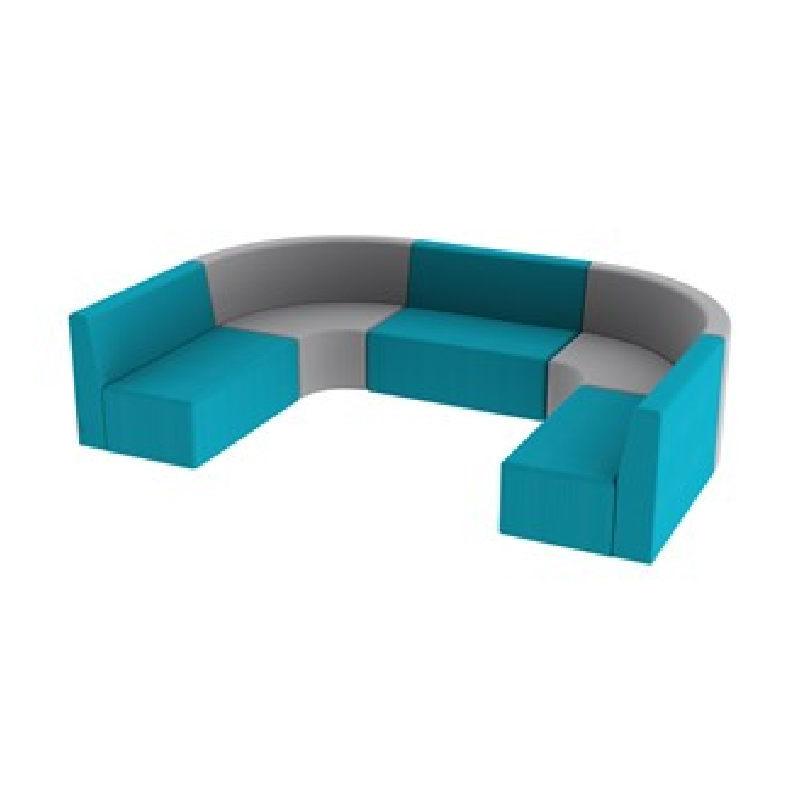
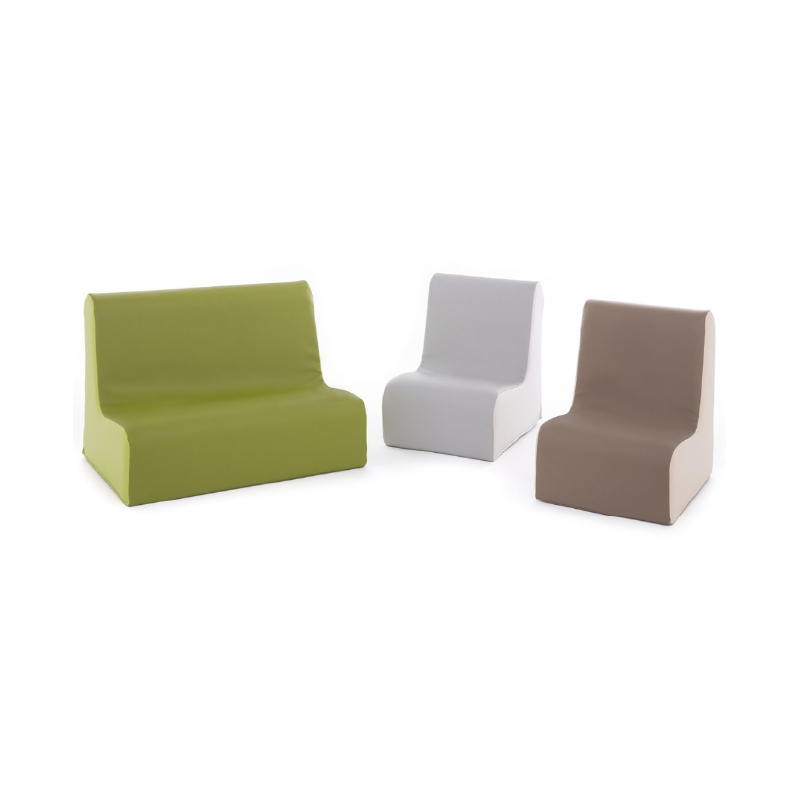
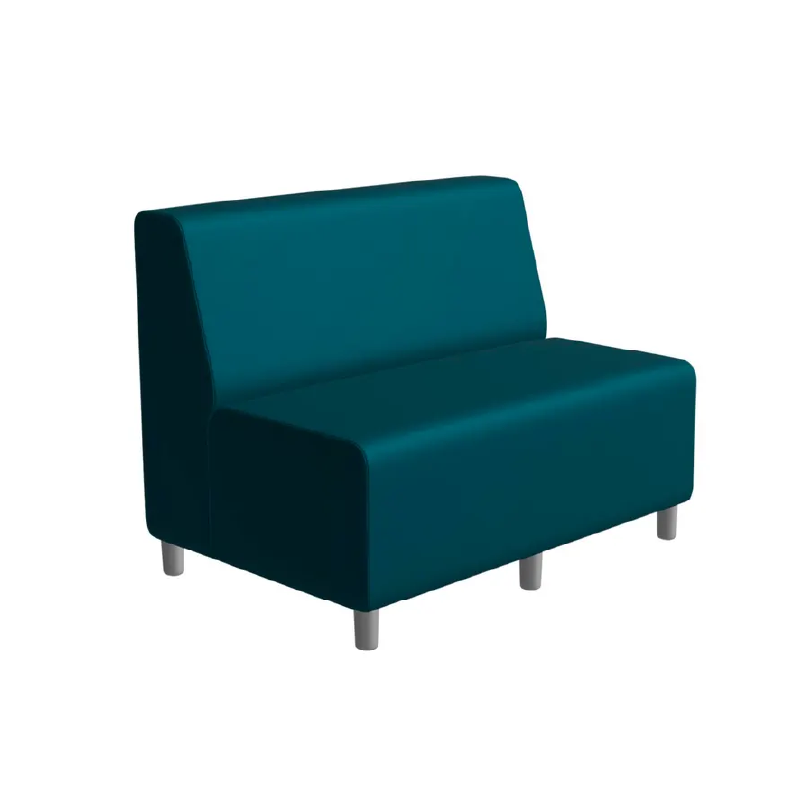
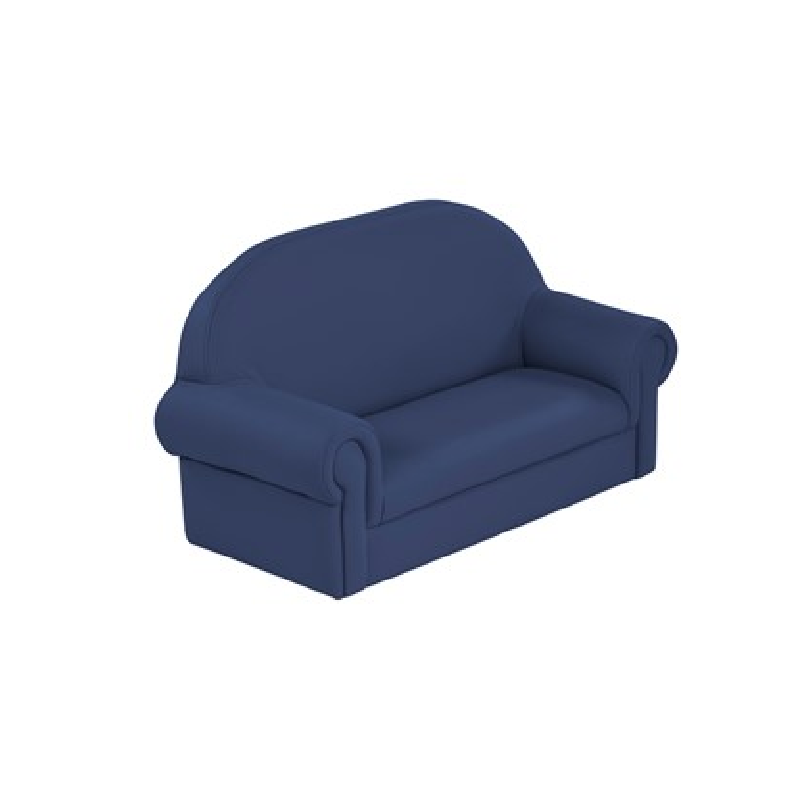
Soft seating includes upholstered chairs, lounge seats, and cushioned benches, typically placed in libraries, reading zones, or collaborative areas. They provide comfort and a relaxed atmosphere for informal learning.Science tables are engineered for lab environments with chemical-resistant surfaces, heat-tolerant materials, and reinforced legs. Suitable for physics, chemistry, and biology classrooms, they provide a safe and durable workspace for experiments and demonstrations.
View more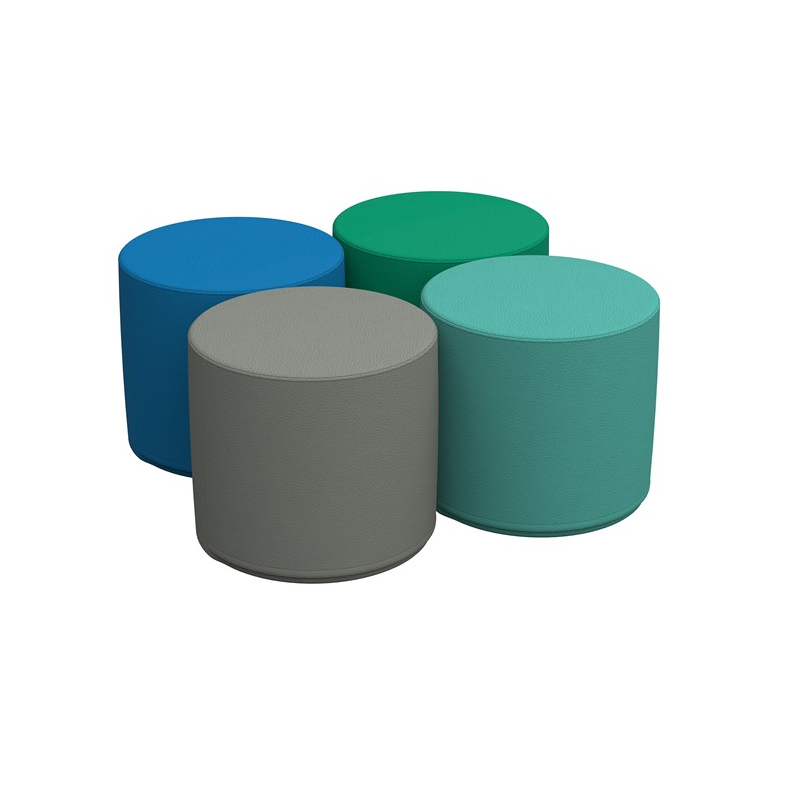

Teacher Chairs
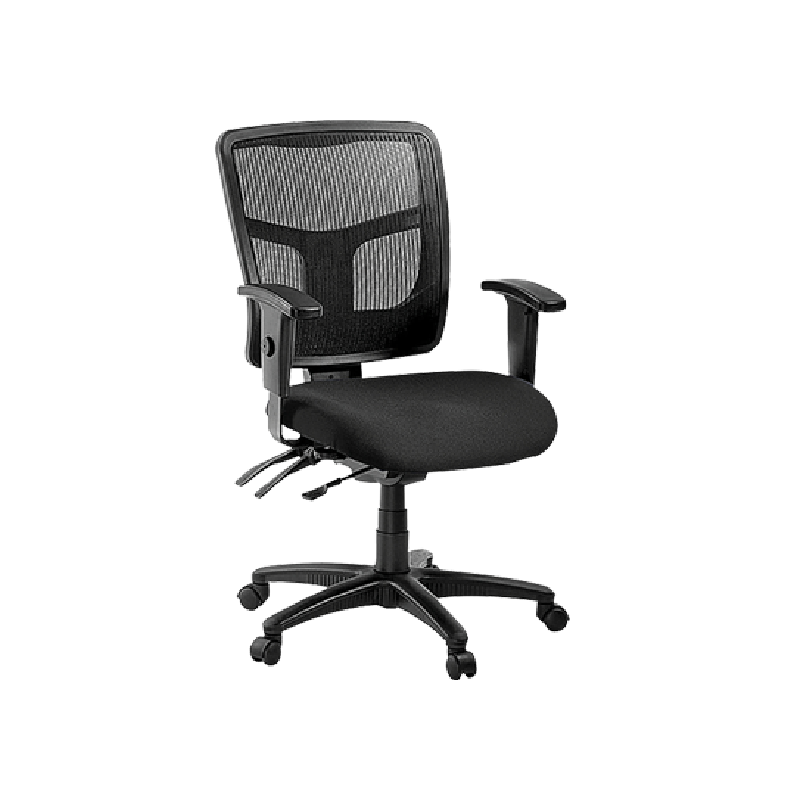
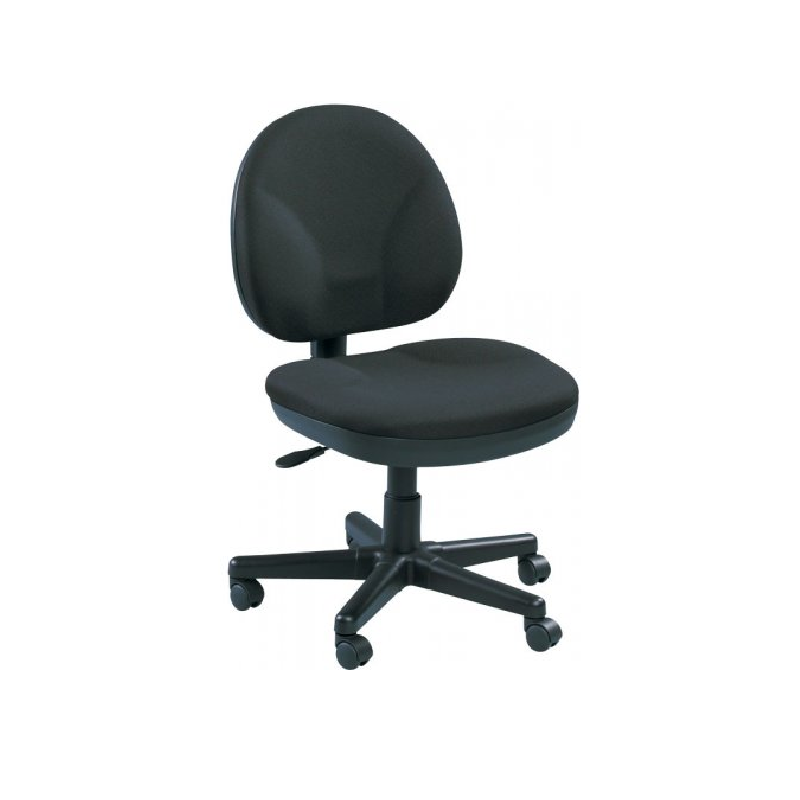
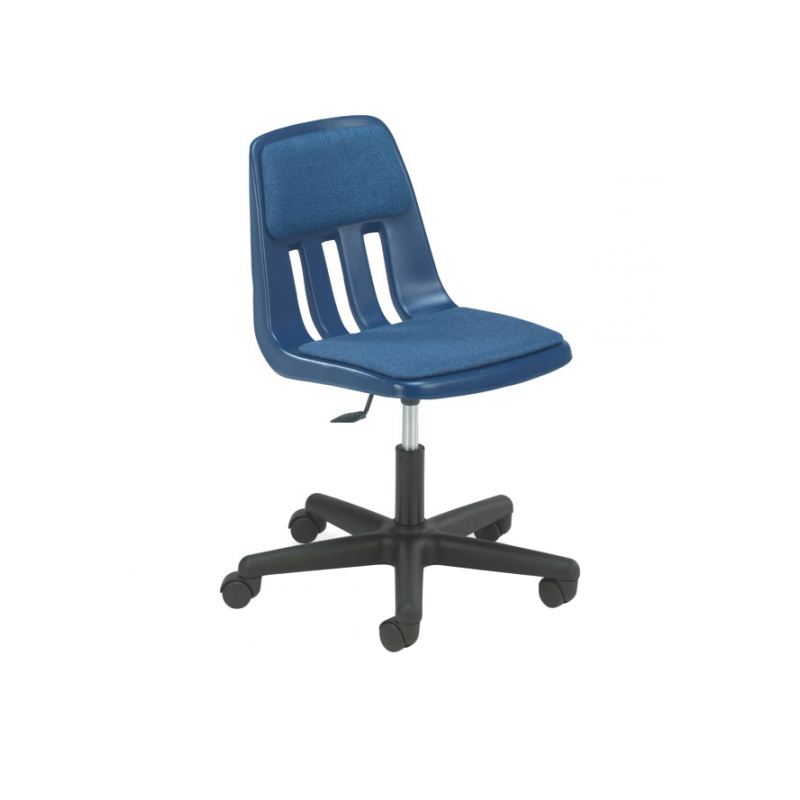
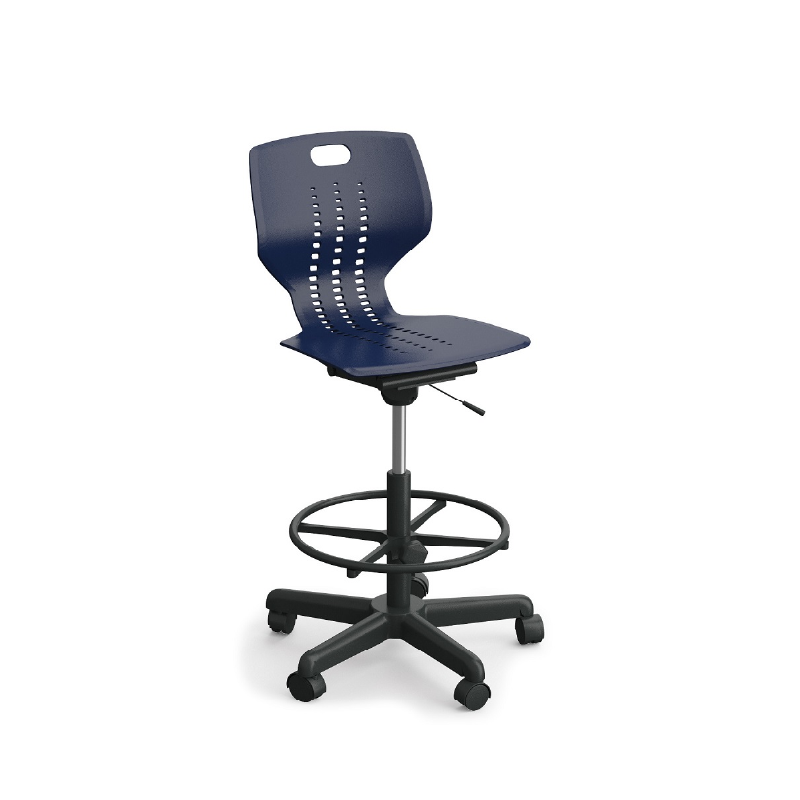
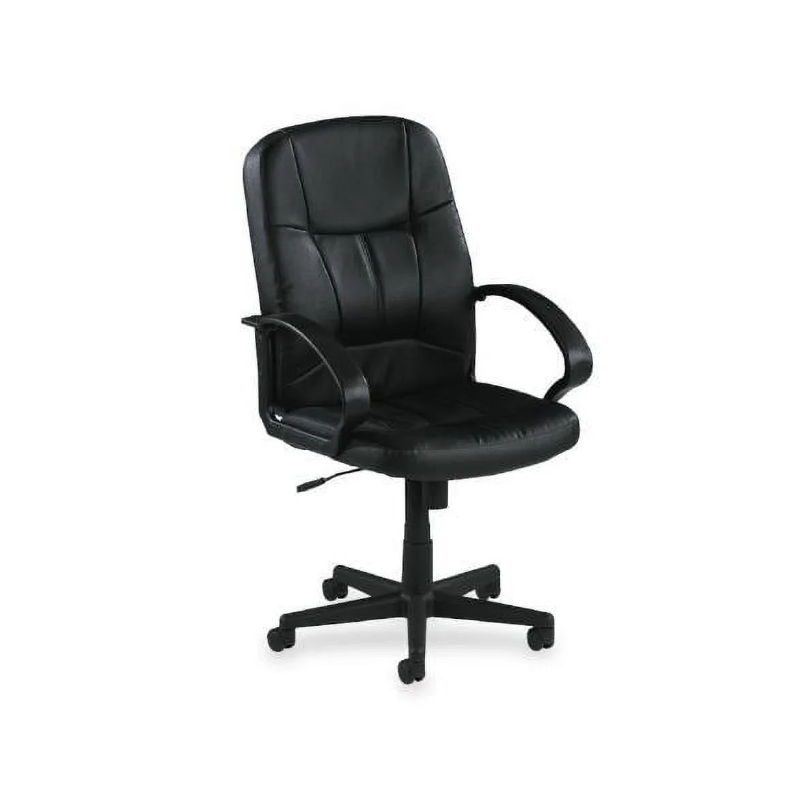
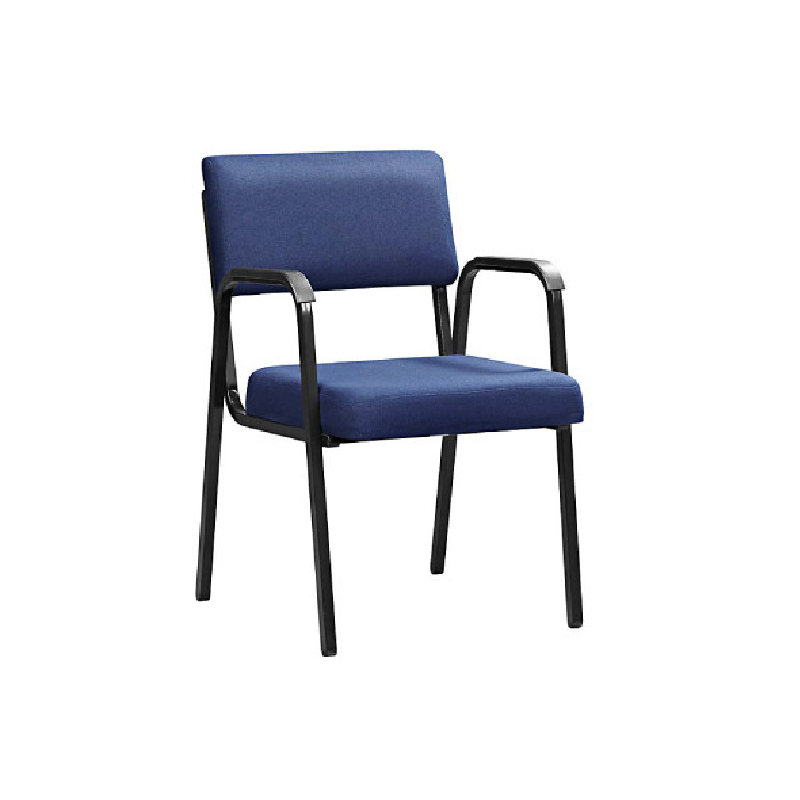
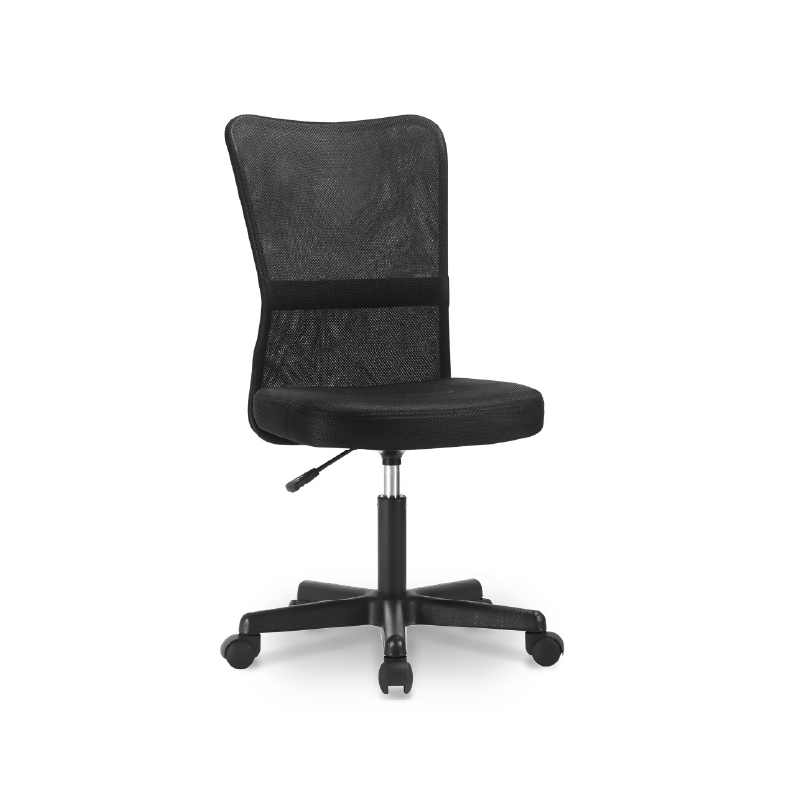
Designed for staff use, teacher chairs often include ergonomic features like padded seats, back support, swivel bases, and adjustable height. Suitable for classroom desks, administrative offices, and meeting areas.
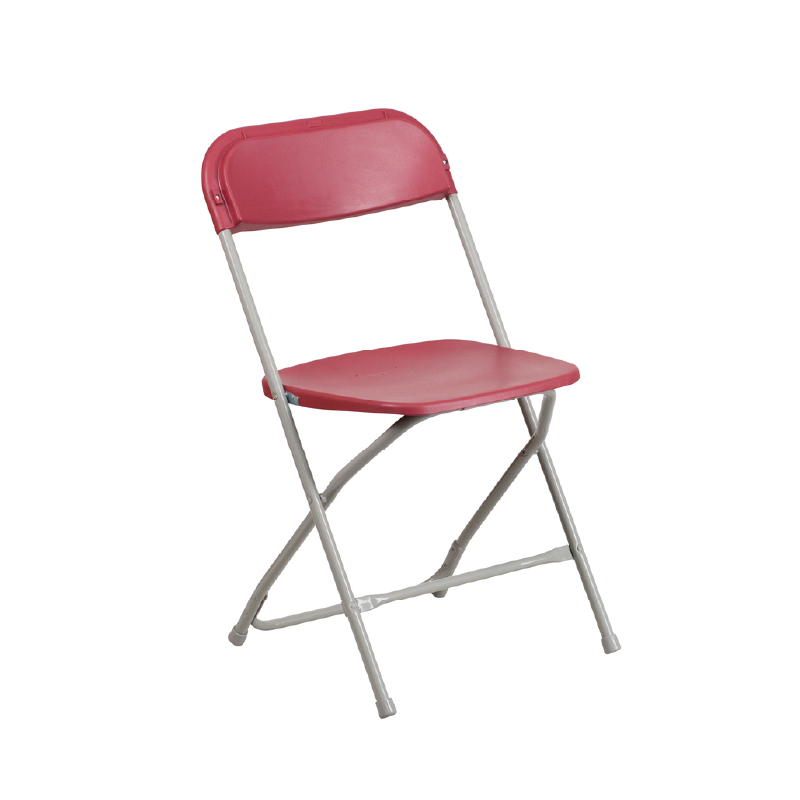
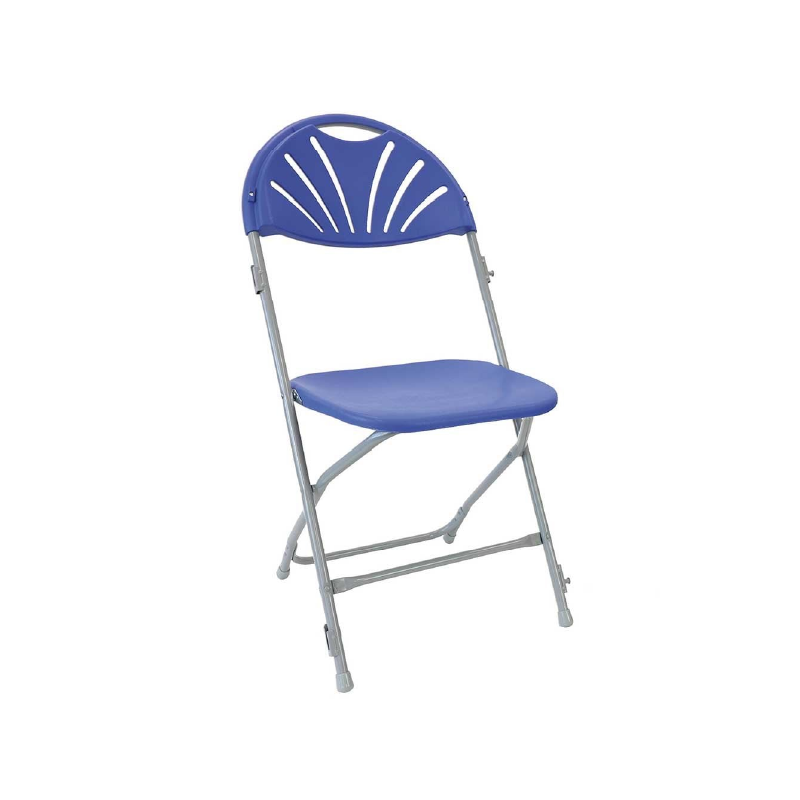
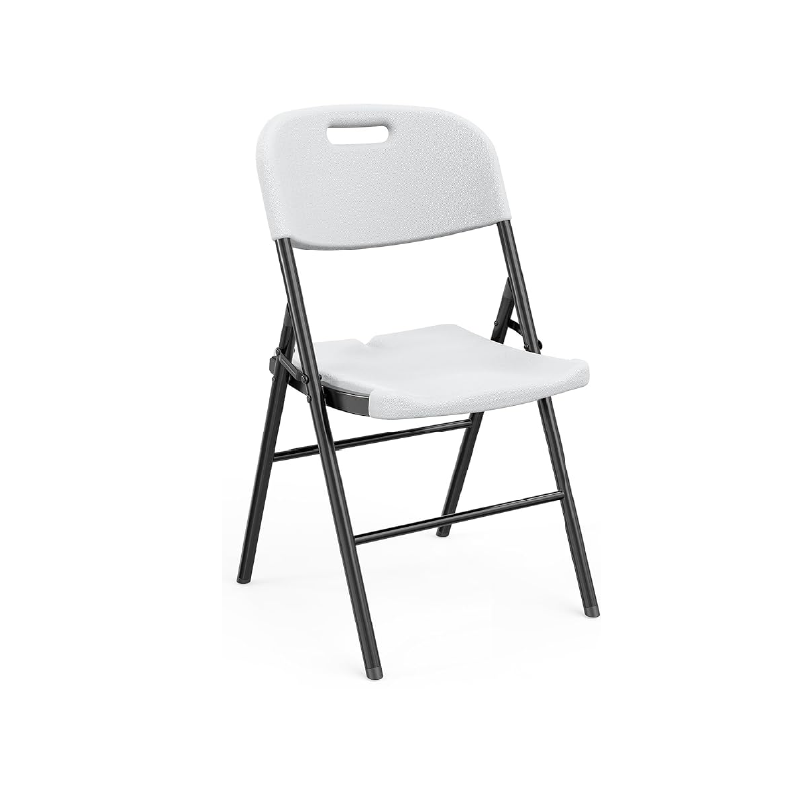
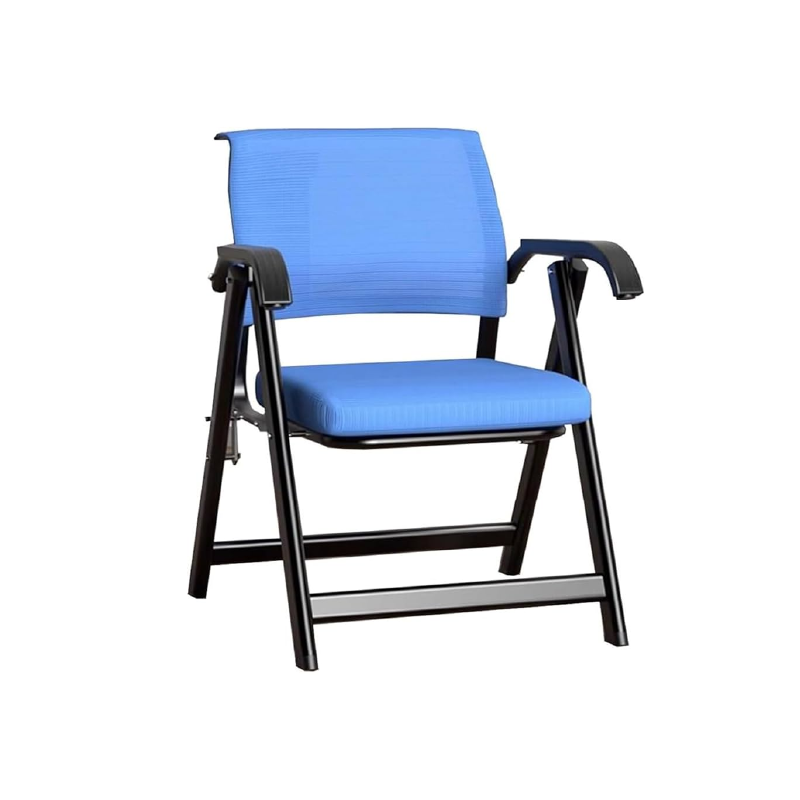
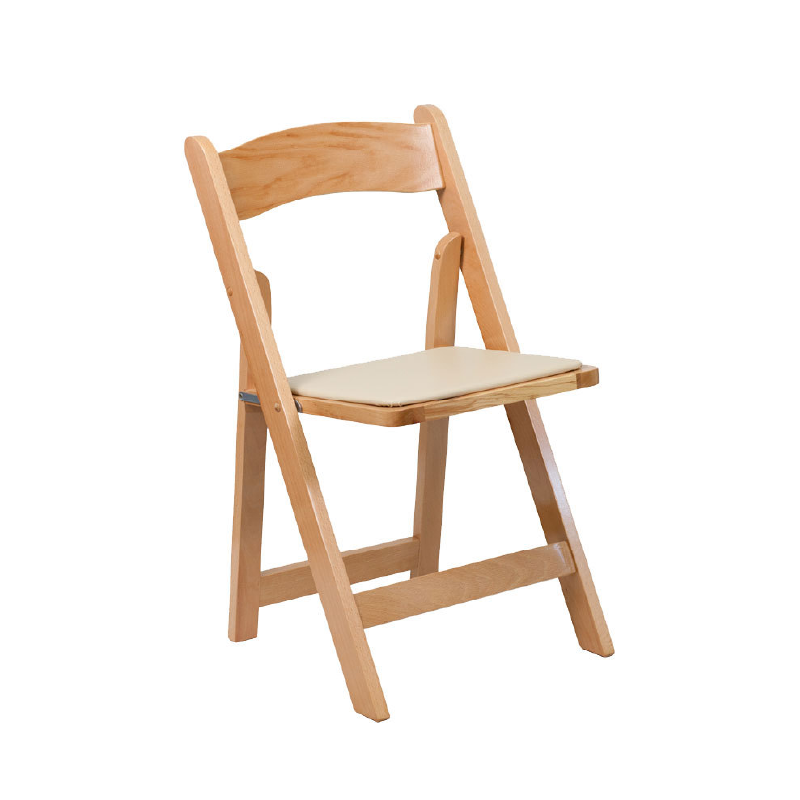
Folding Chairs
Workbenches are heavy-duty tables designed for technical, vocational, or STEM-based classrooms. Constructed with solid tops and robust frames, they support tool usage, assembly work, and hands-on training activities.
View more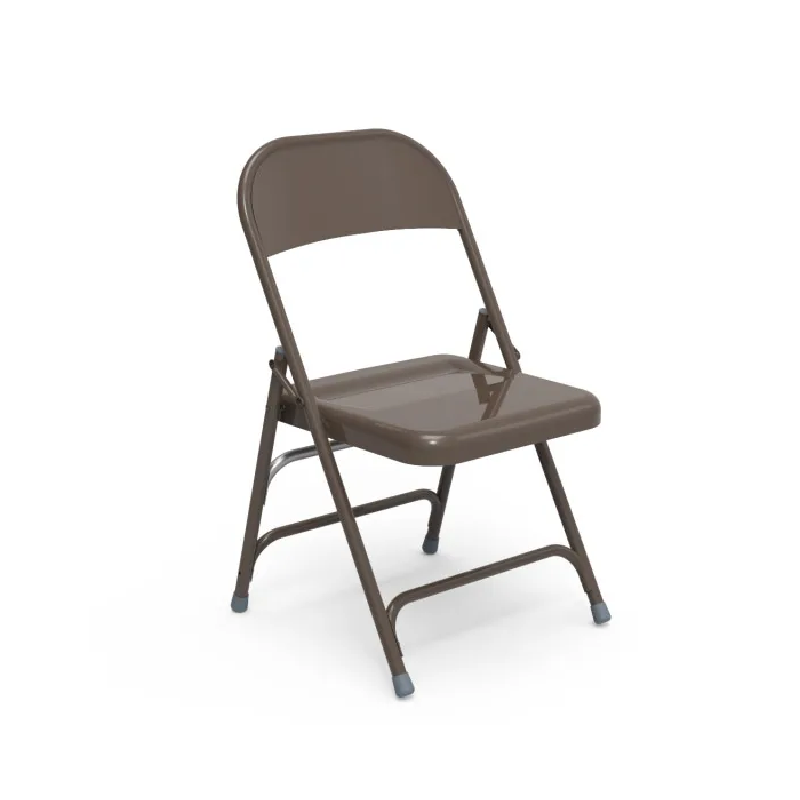
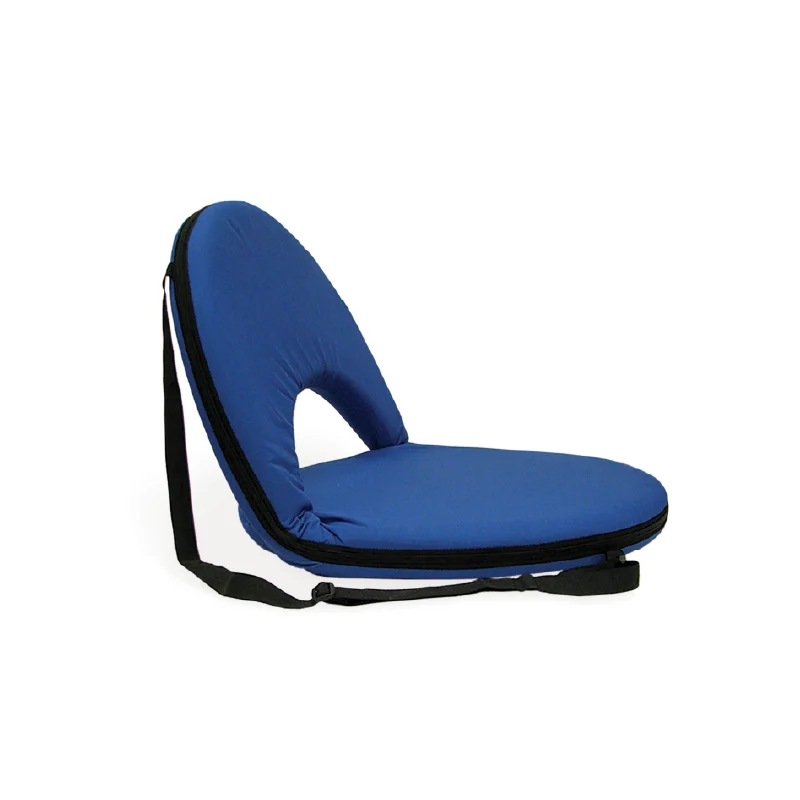
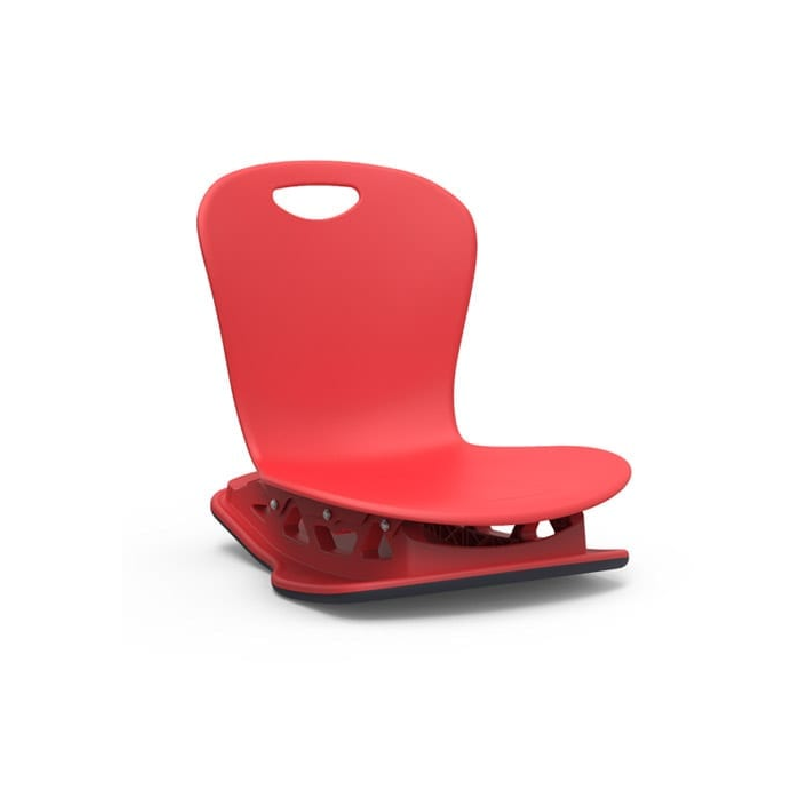
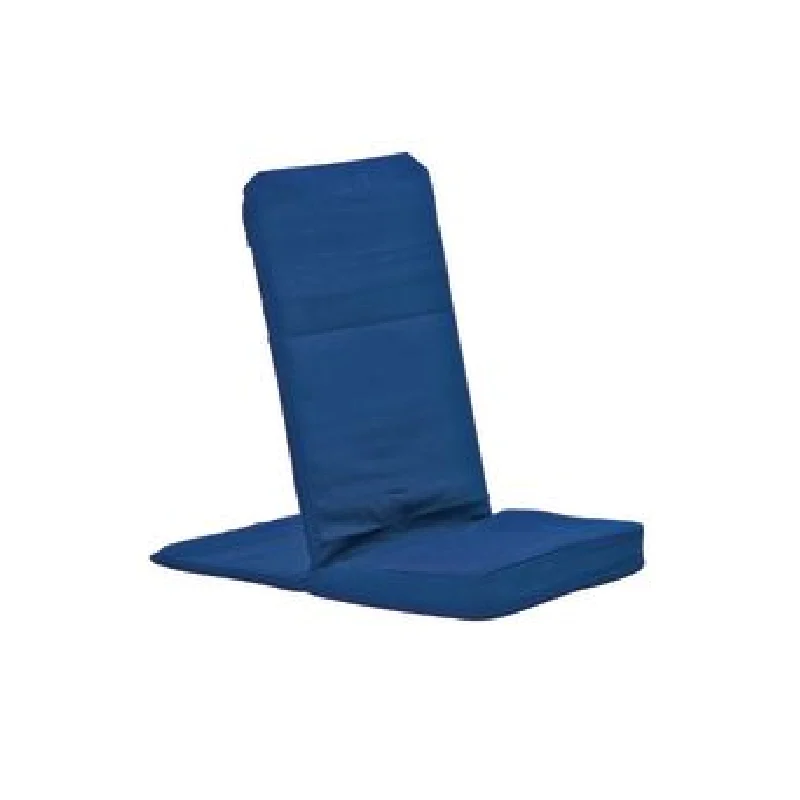
Floor Chairs
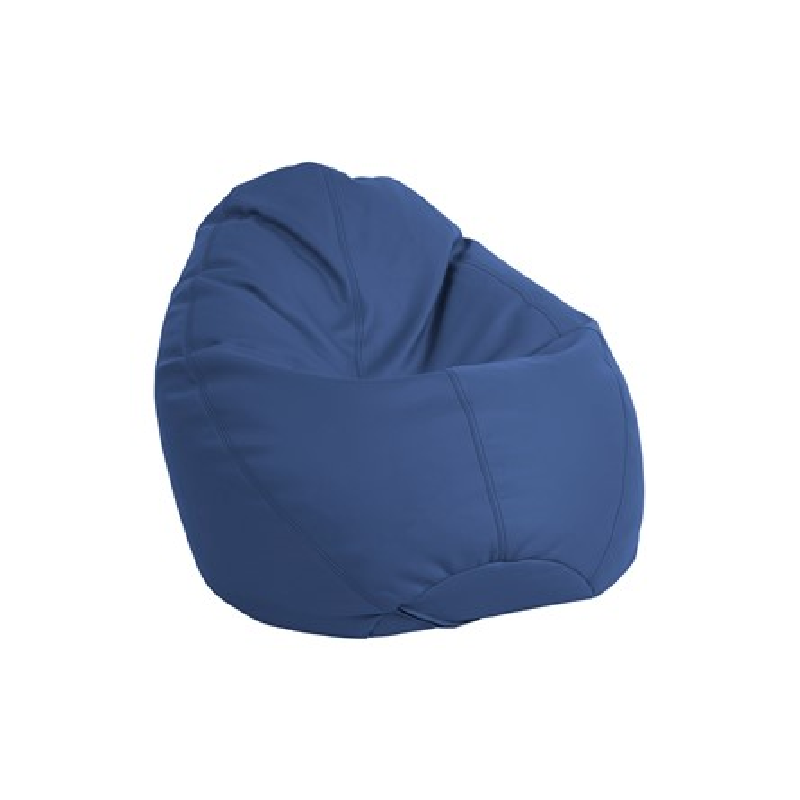
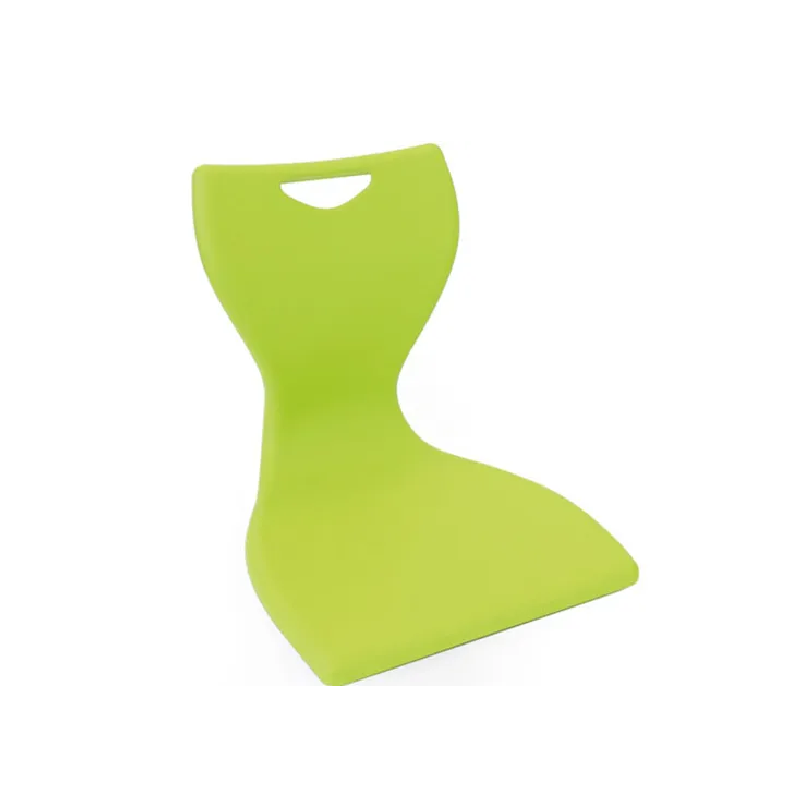
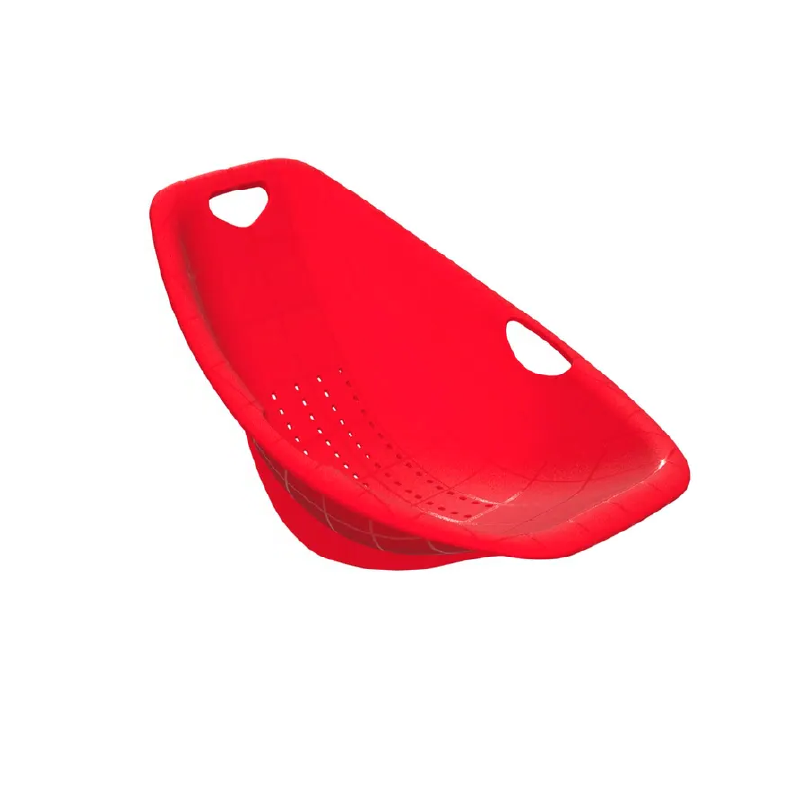
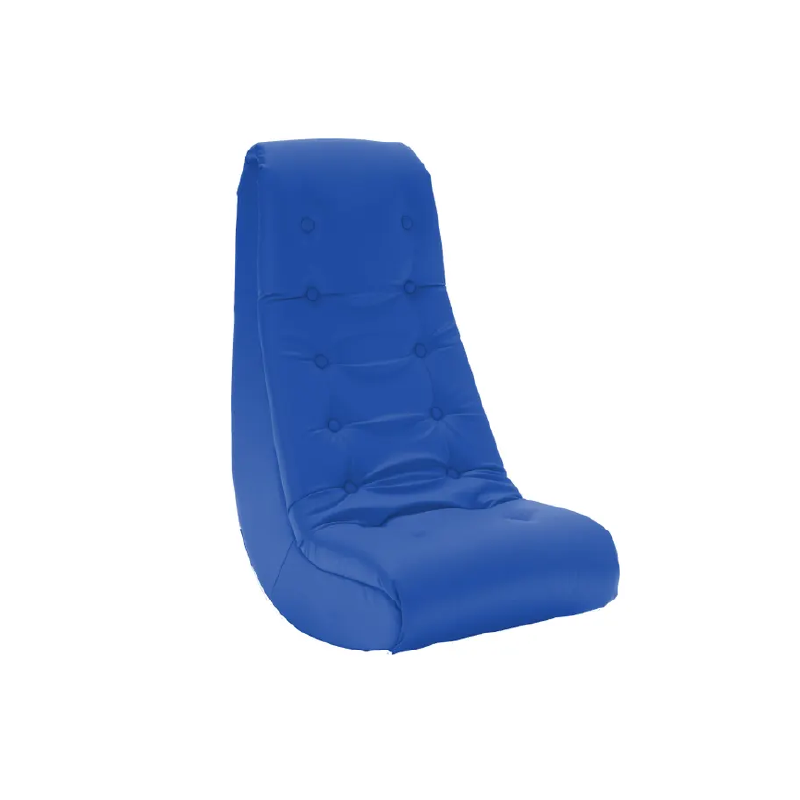
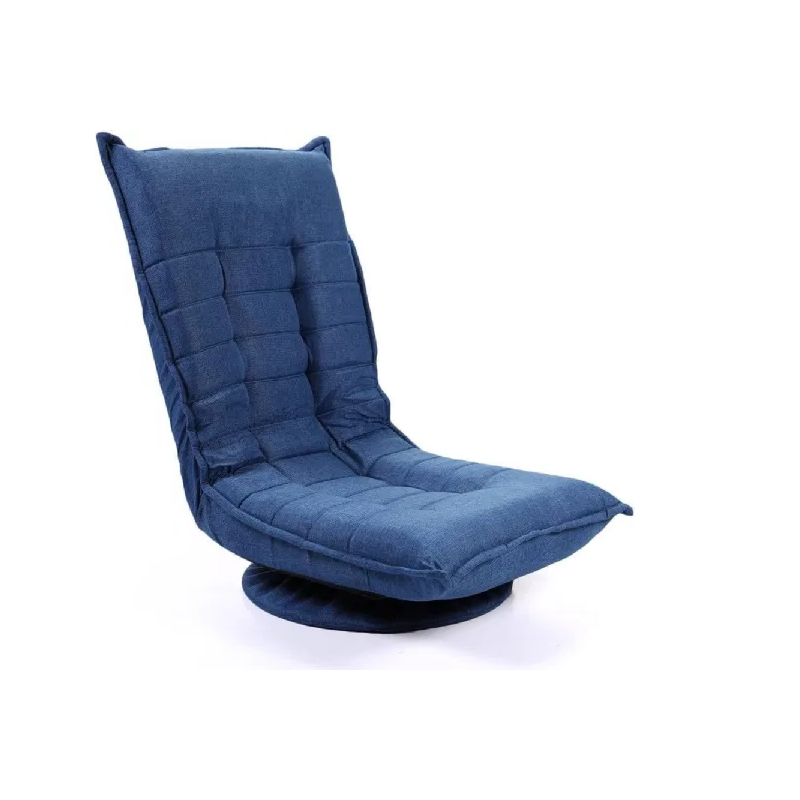
Floor chairs are low-profile seats used in early childhood classrooms or activity zones. Designed with back support and cushioned bases, they provide comfortable seating at ground level for group discussions or play-based learning.
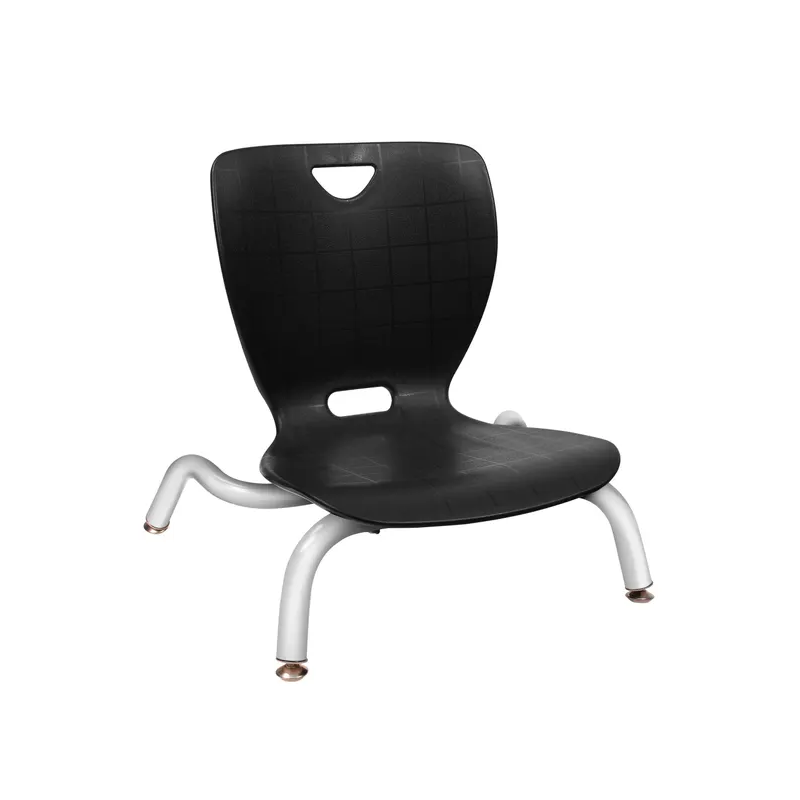
Musical Chairs
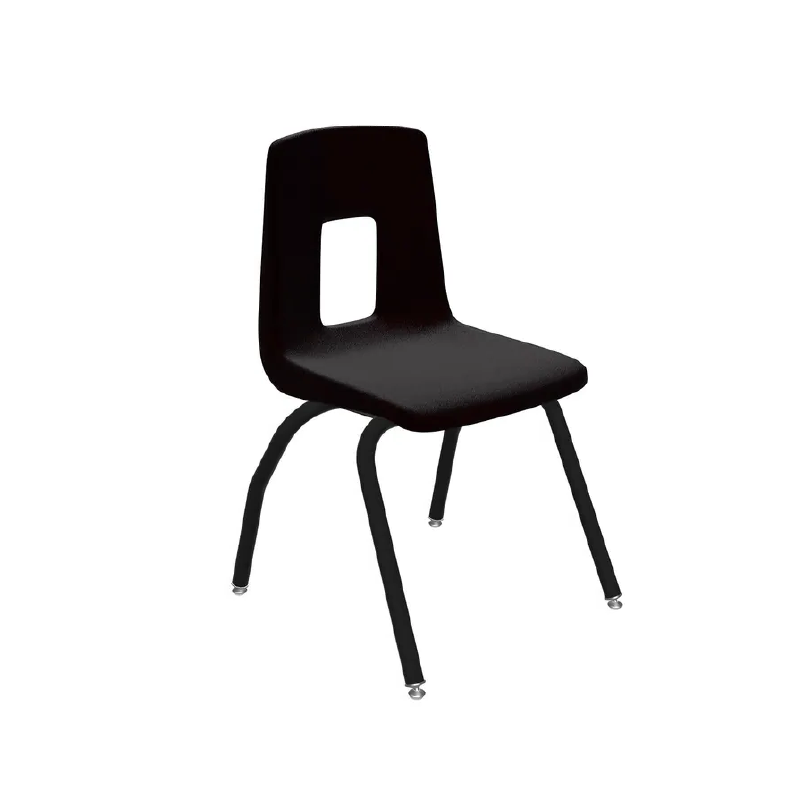
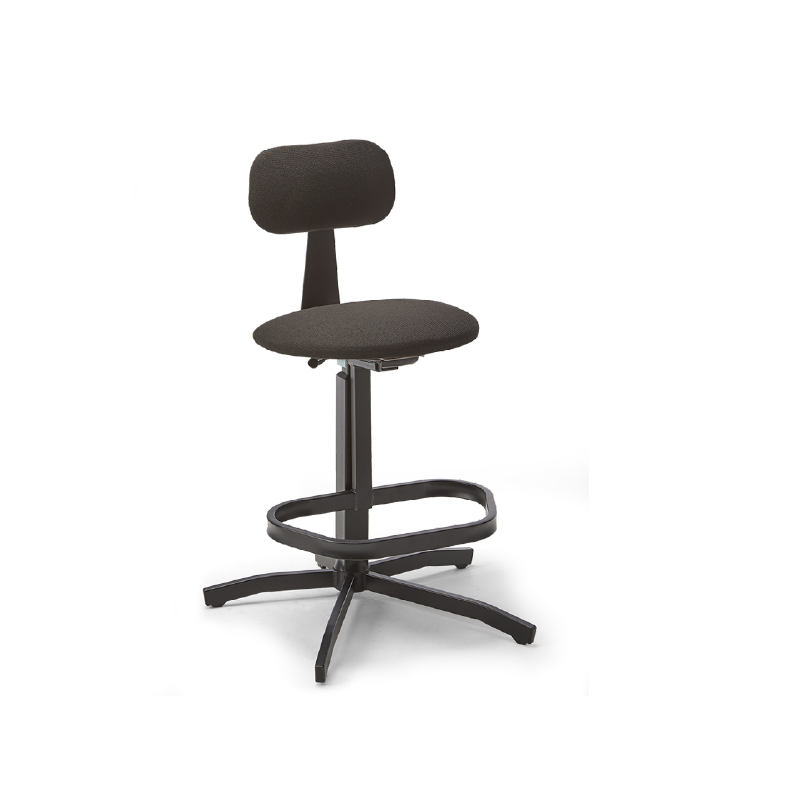
Musical chairs are lightweight and safe for movement-based games in music and activity rooms. Built with smooth edges and stable bases to ensure safety during fast-paced student activities.
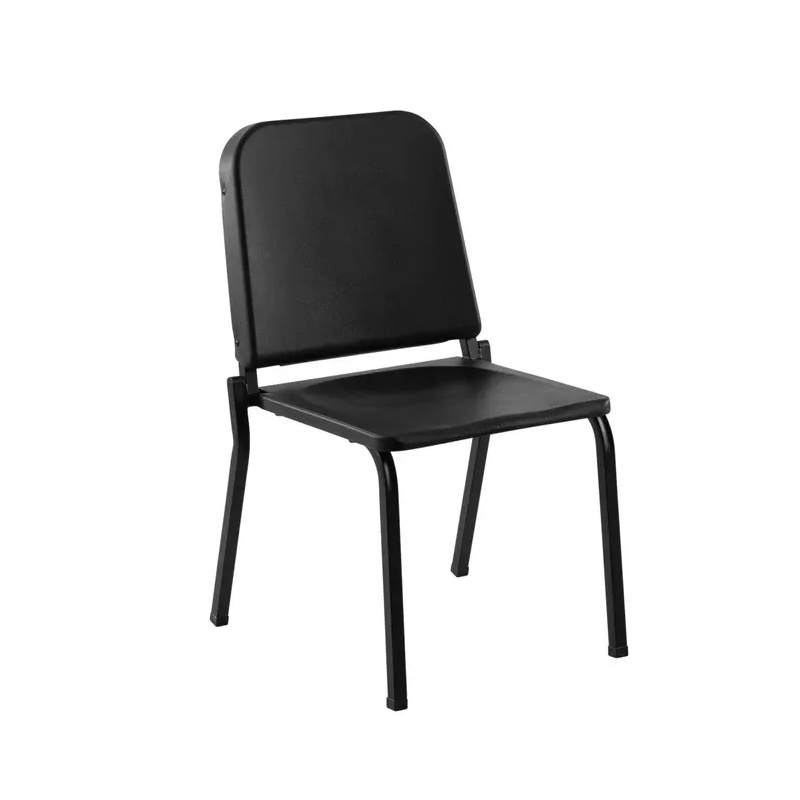
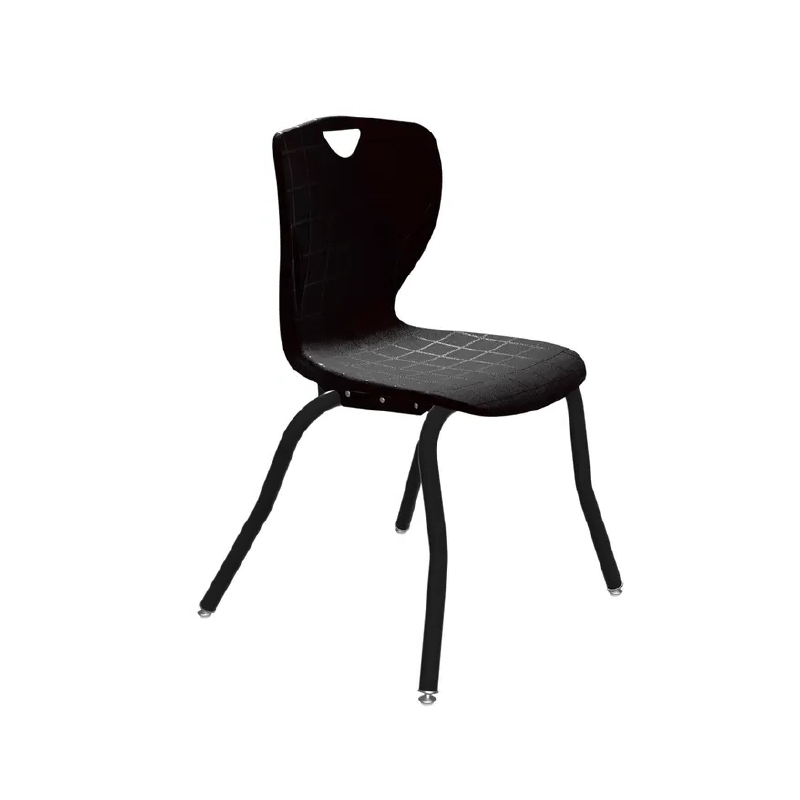
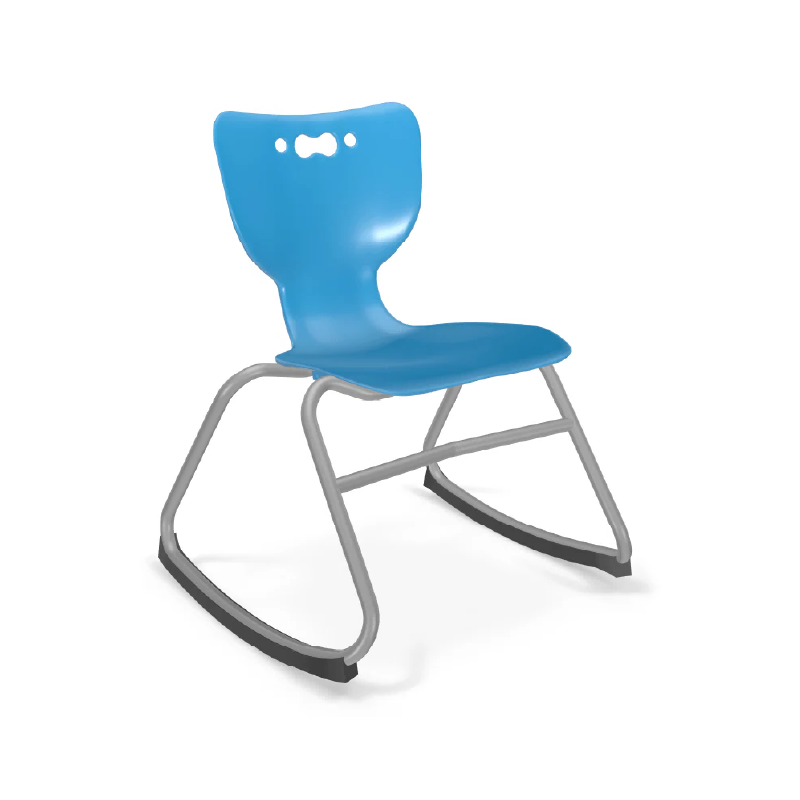
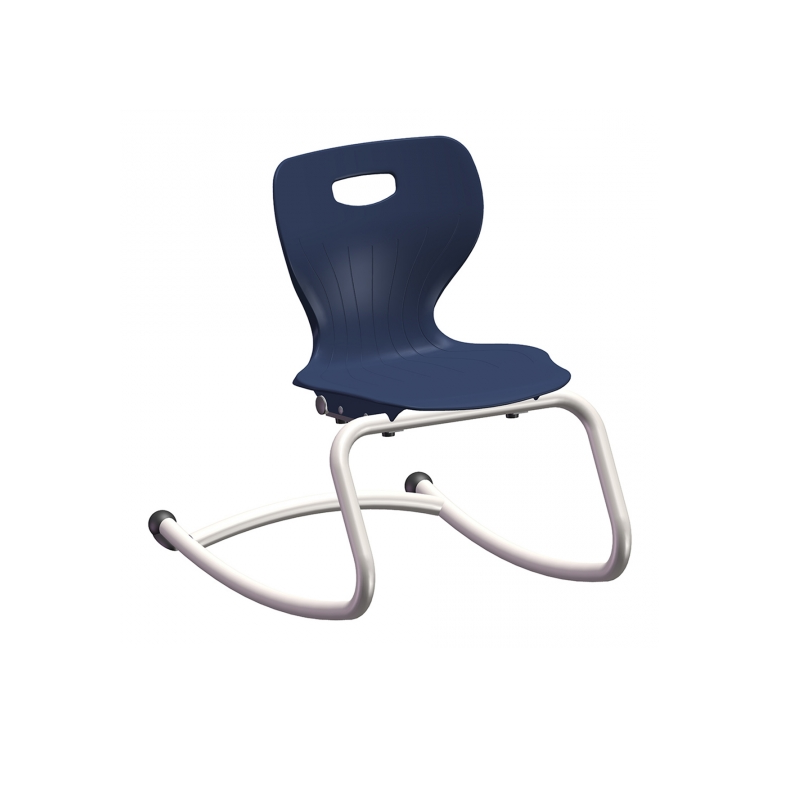
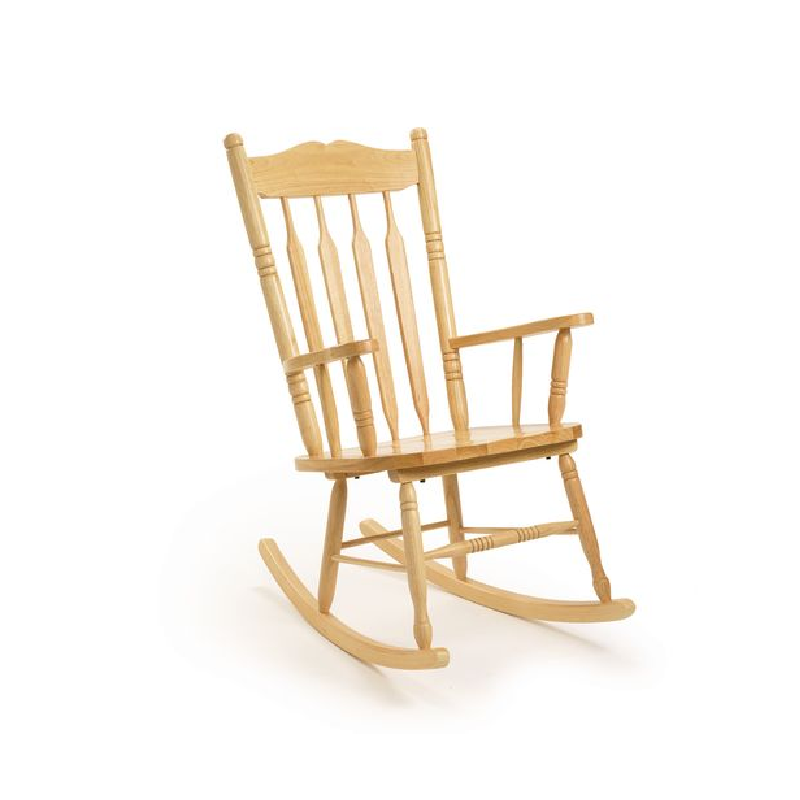
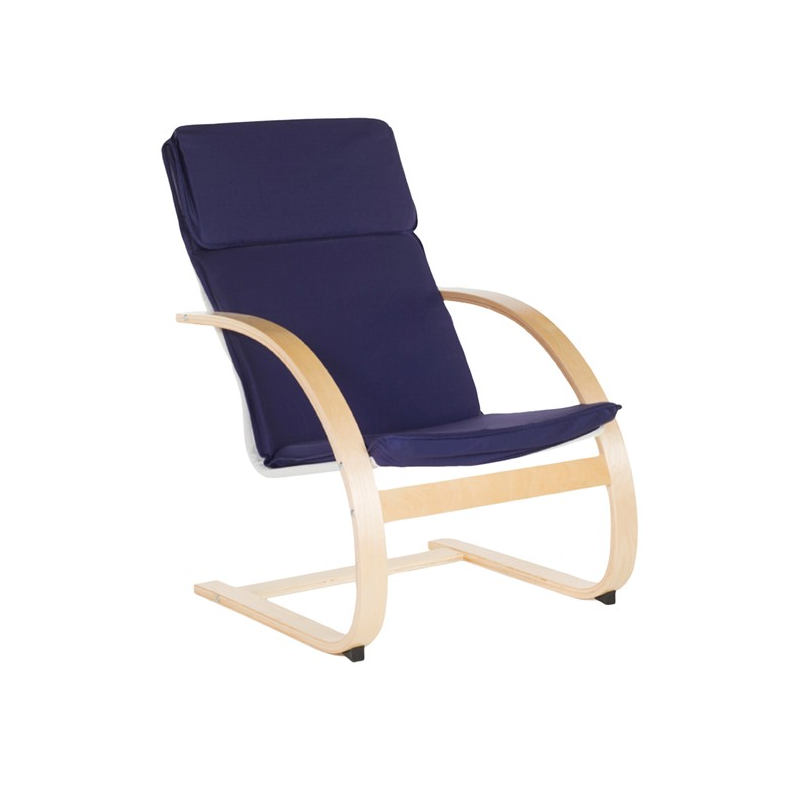
Rocking Chairs
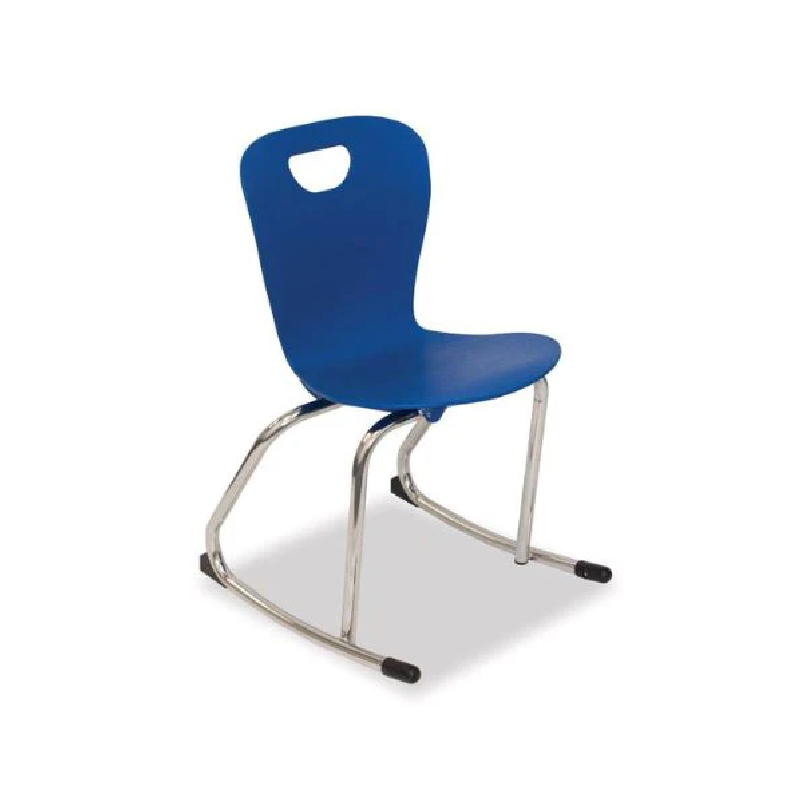
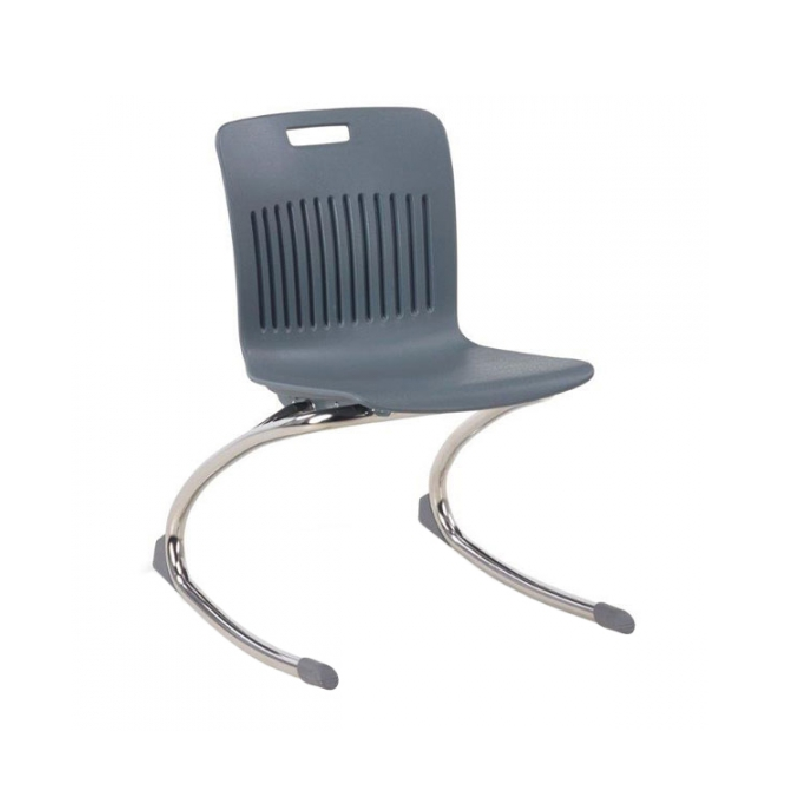
Rocking chairs offer a calming, rhythmic motion, often used in preschool classrooms, reading corners, or sensory spaces. They help reduce anxiety and provide a soothing environment for younger children.
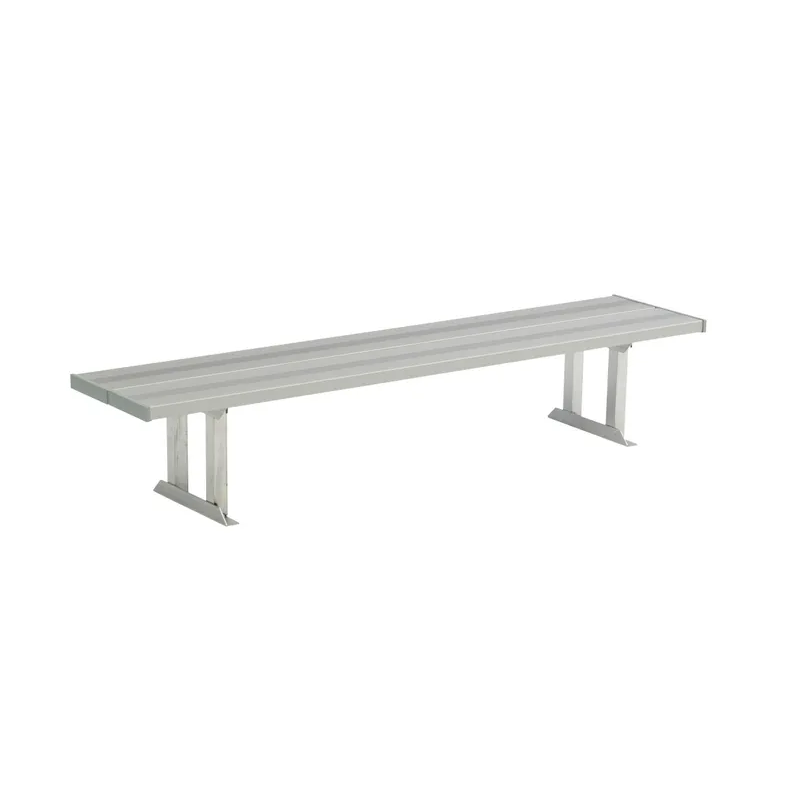
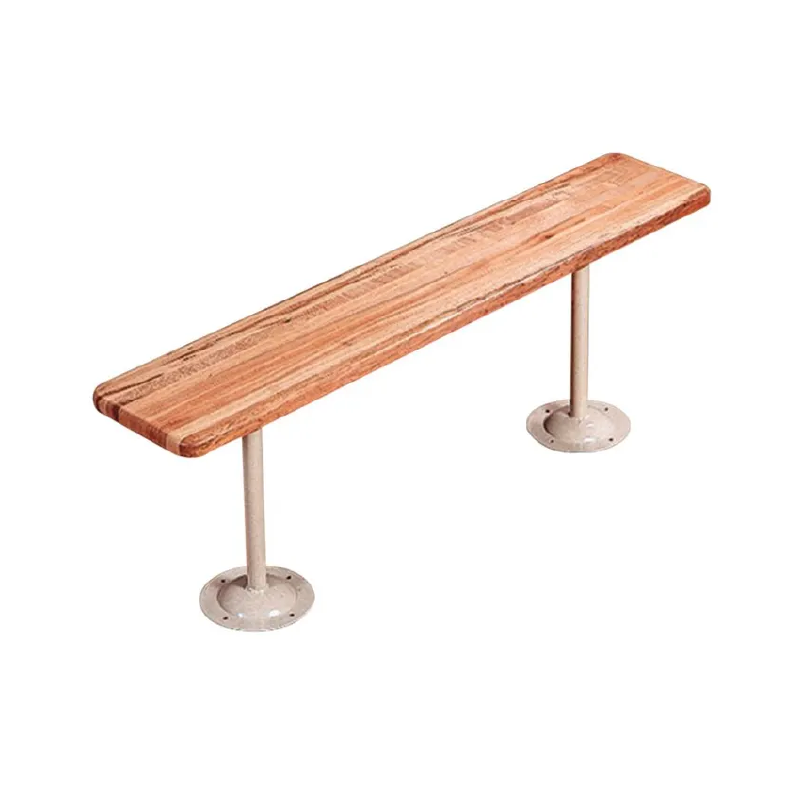
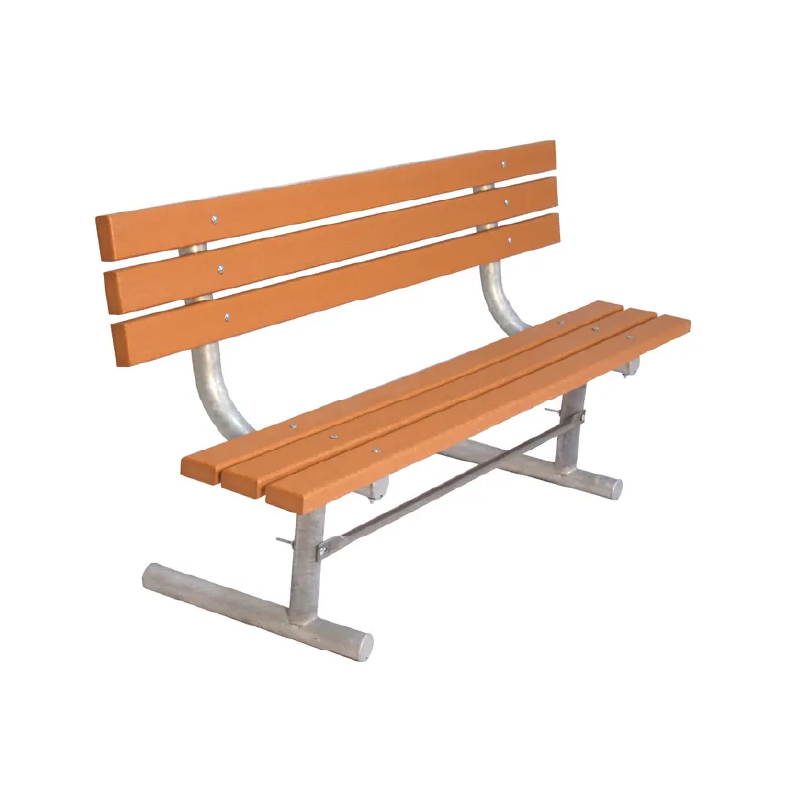
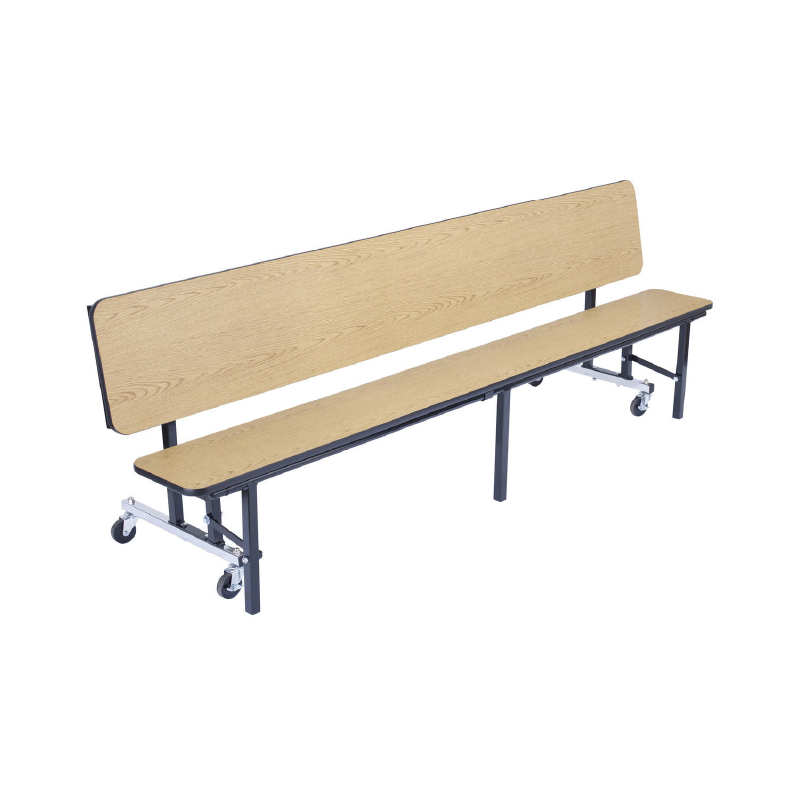
Bench Seating
Bench seating accommodates multiple students on a single unit, ideal for cafeterias, assembly rooms, or group workstations. Designs range from backless wooden benches to padded upholstered versions.Musical chairs are lightweight and safe for movement-based games in music and activity rooms. Built with smooth edges and stable bases to ensure safety during fast-paced student activities.
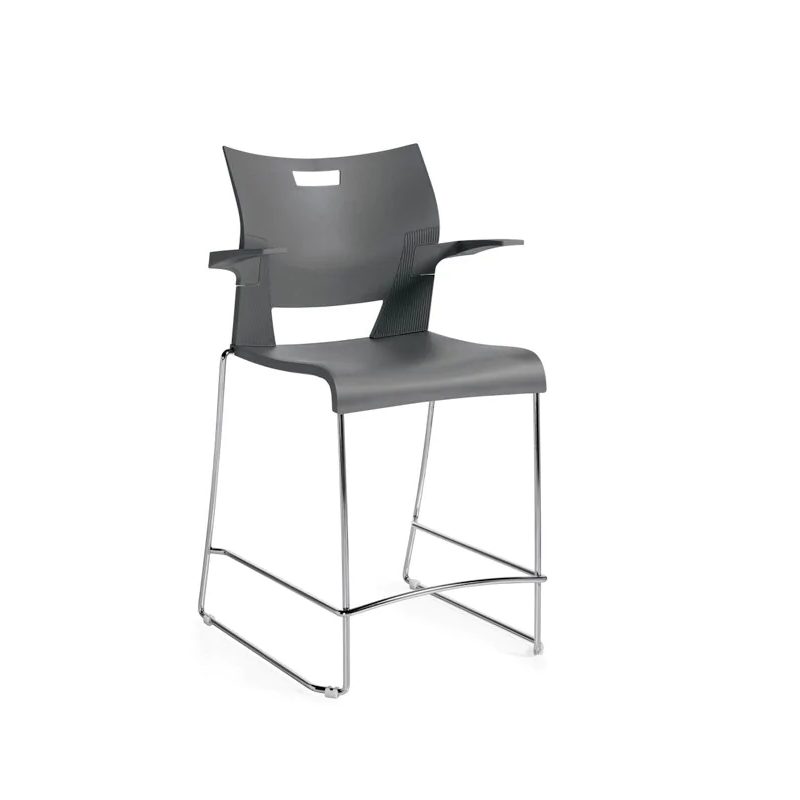
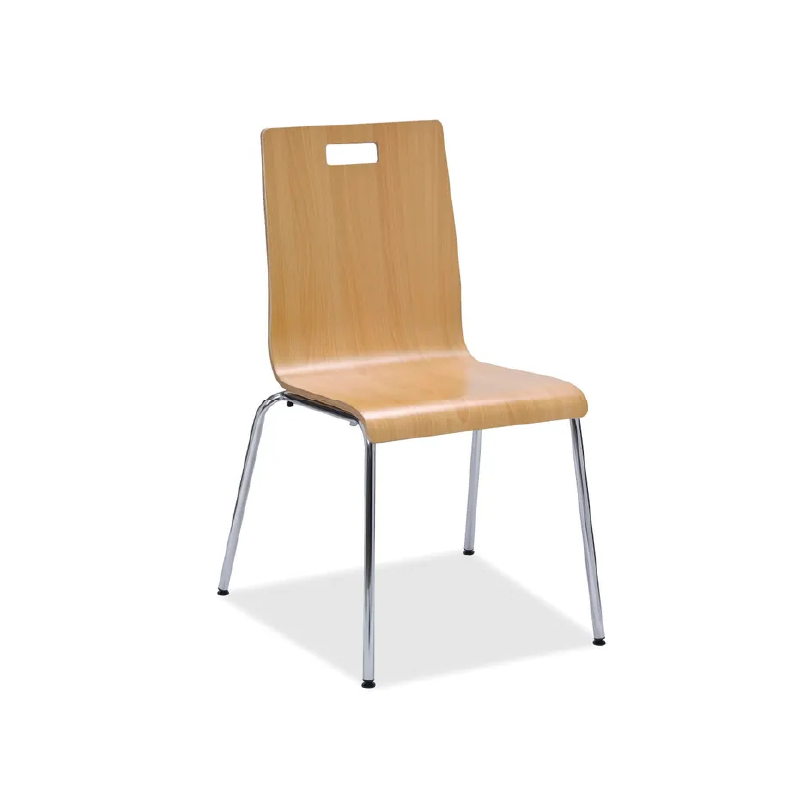
Café Chairs
Café-style school chairs are stylish and compact. They are typically found in dining halls, staff lounges, or student cafés. Made from plastic, wood, or metal, they balance comfort with easy maintenance.
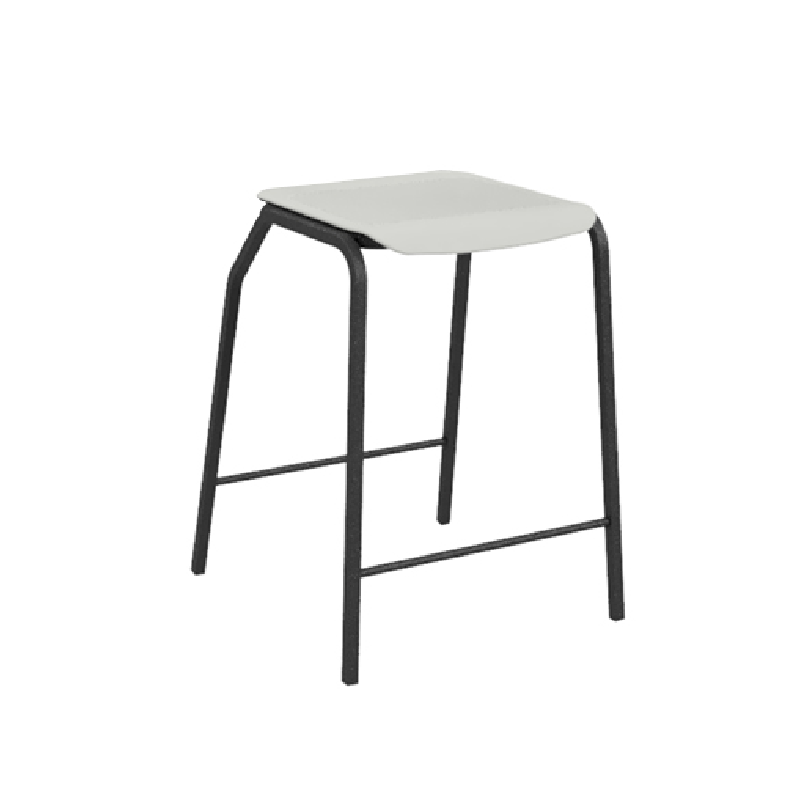
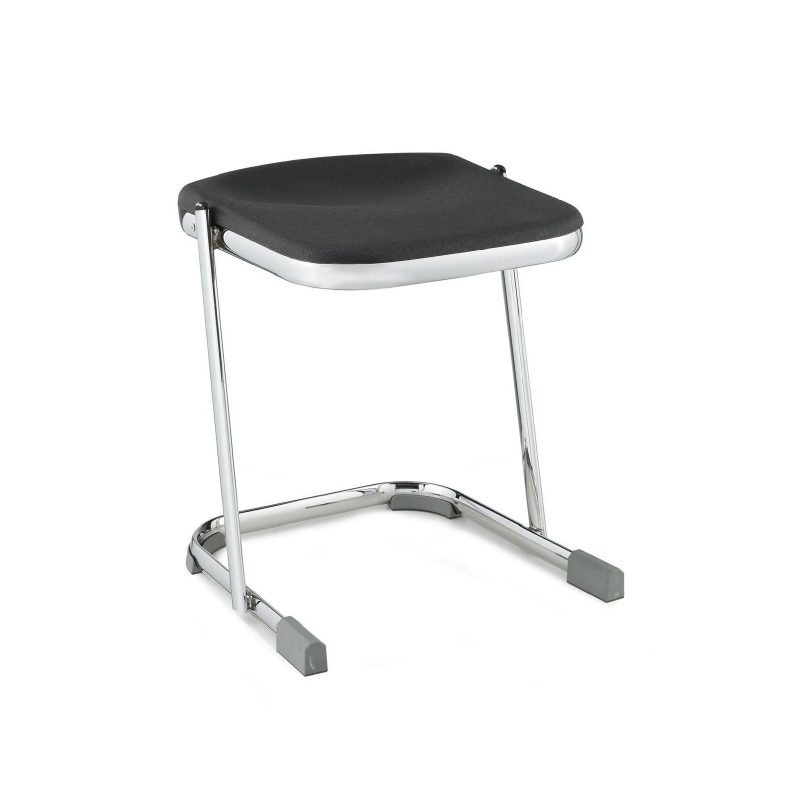
Drawing Stools
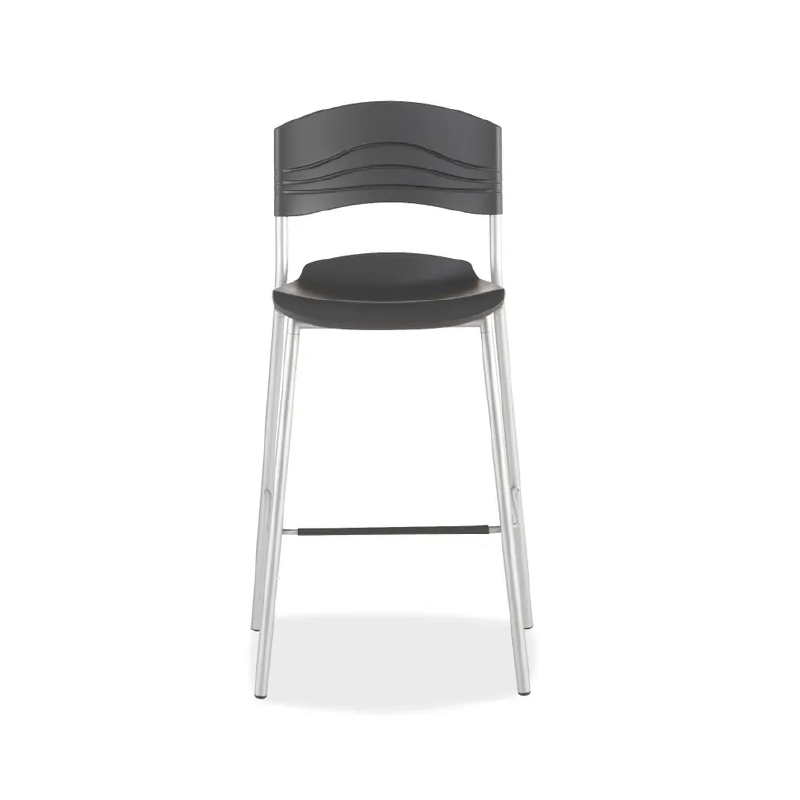
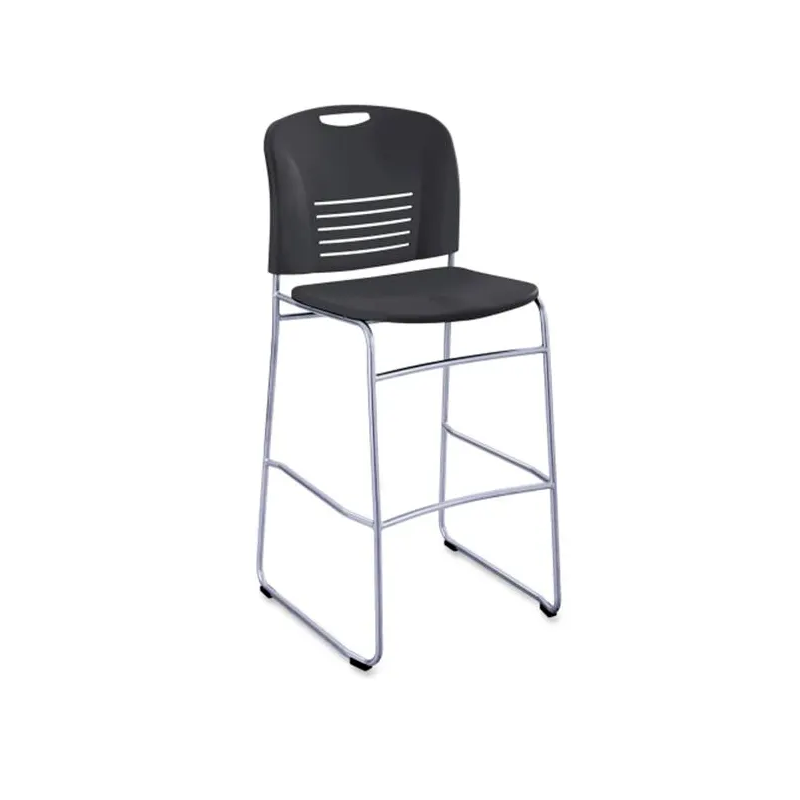
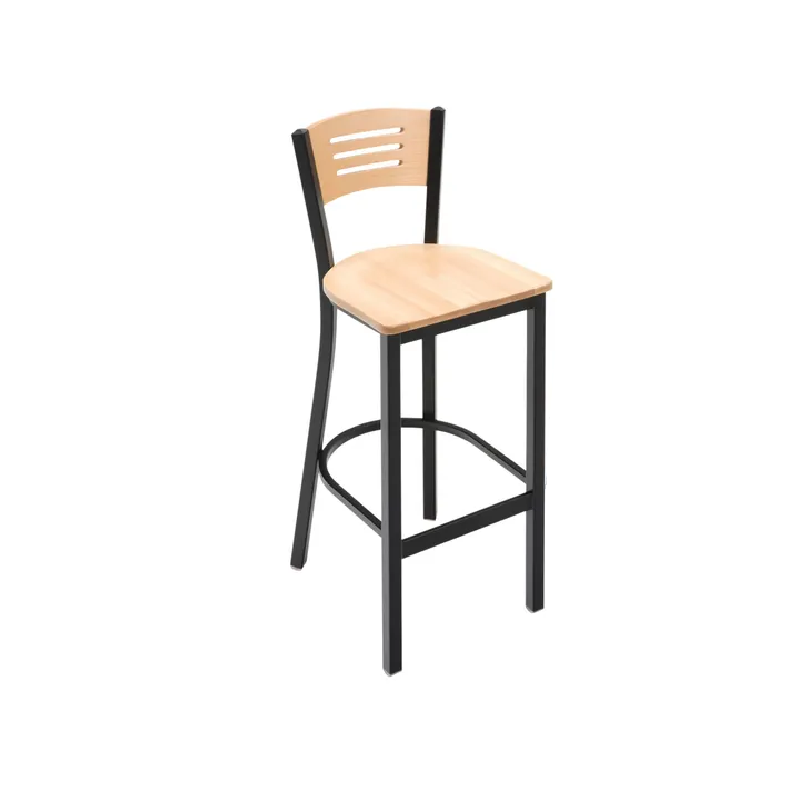
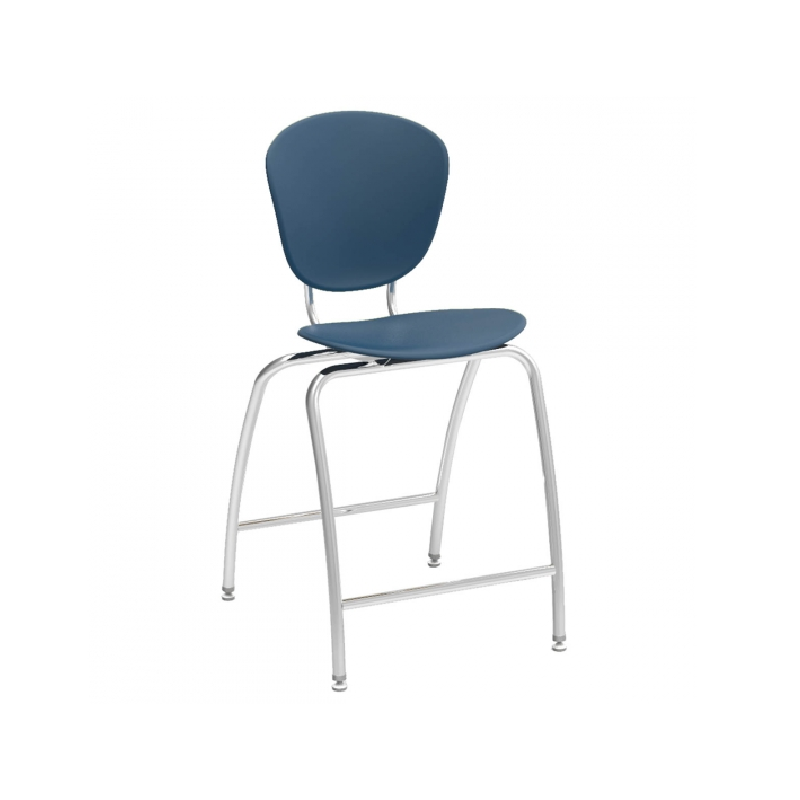
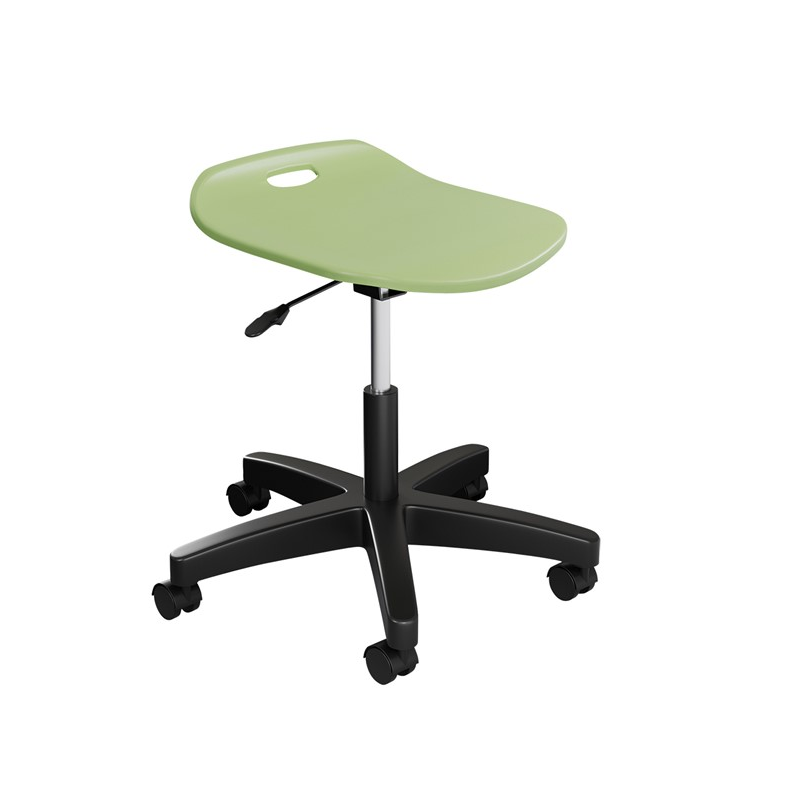
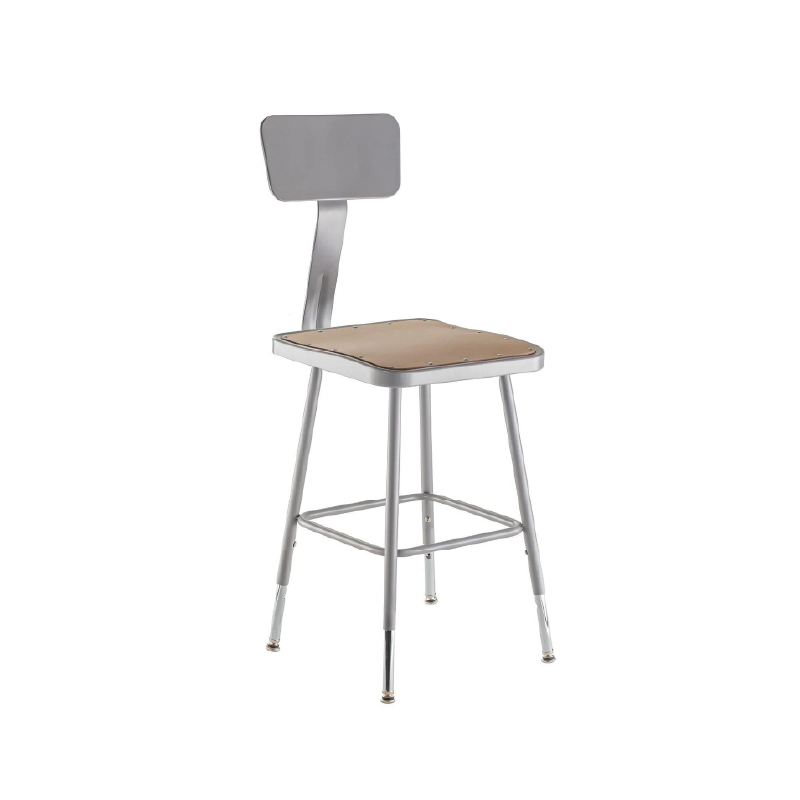
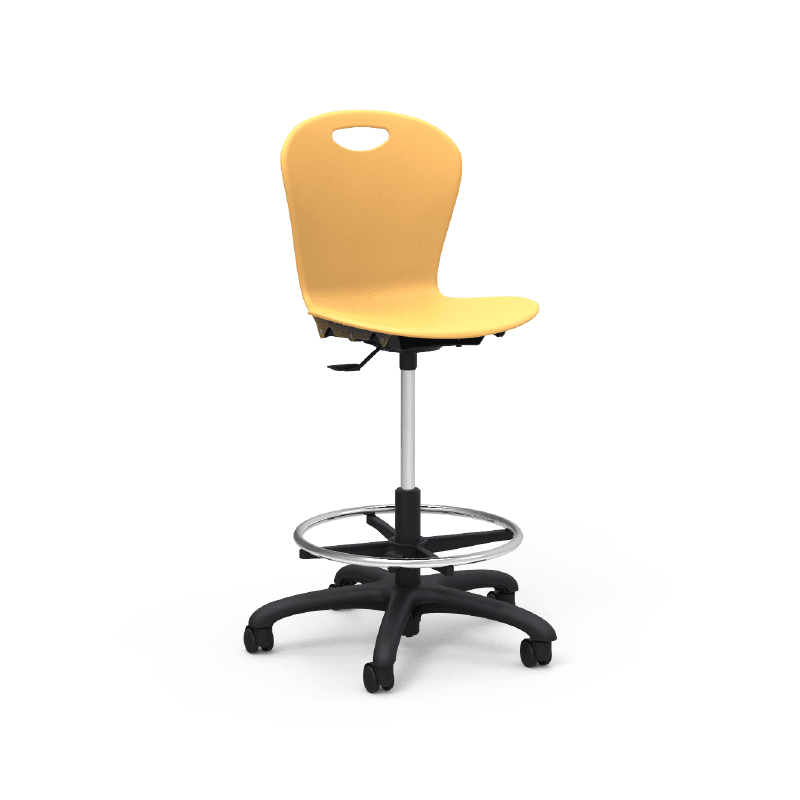
Drawing stools are used in art classrooms and studios, offering elevated seating for sketching, painting, and design. Often include footrests and durable finishes to withstand creative work environments.
Gaming Chairs
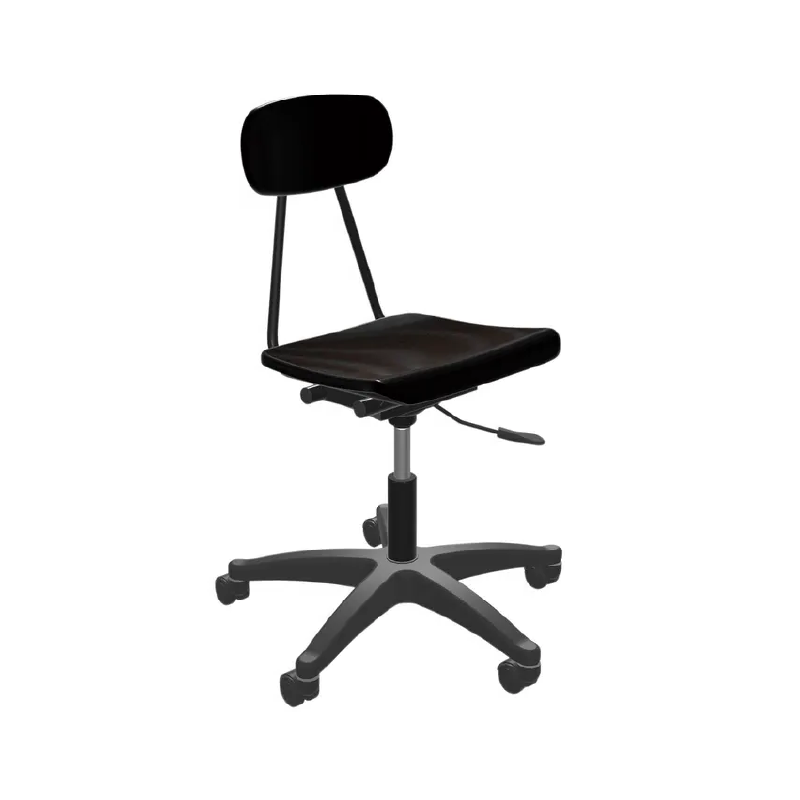
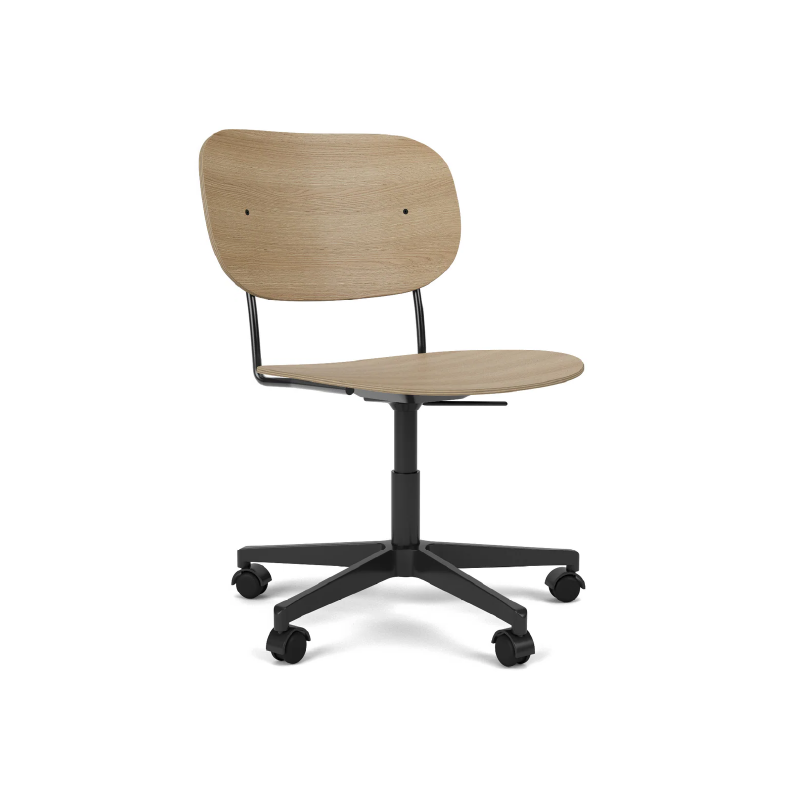
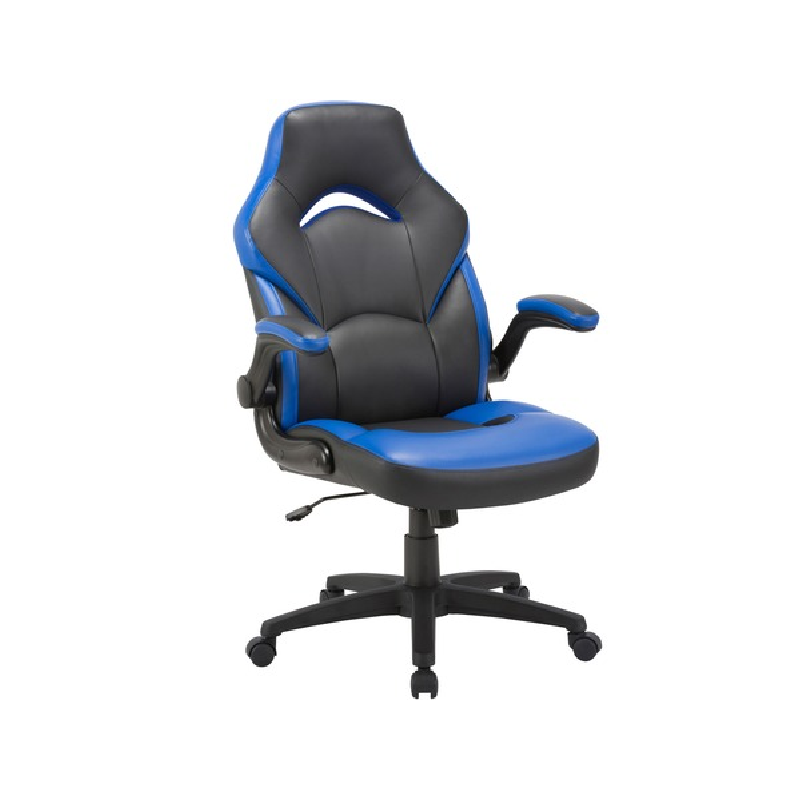
Gaming chairs are ergonomic and visually engaging, offering support during extended computer or esports sessions. Suitable for media rooms or specialized digital learning zones within modern schools.
Laboratory Stools
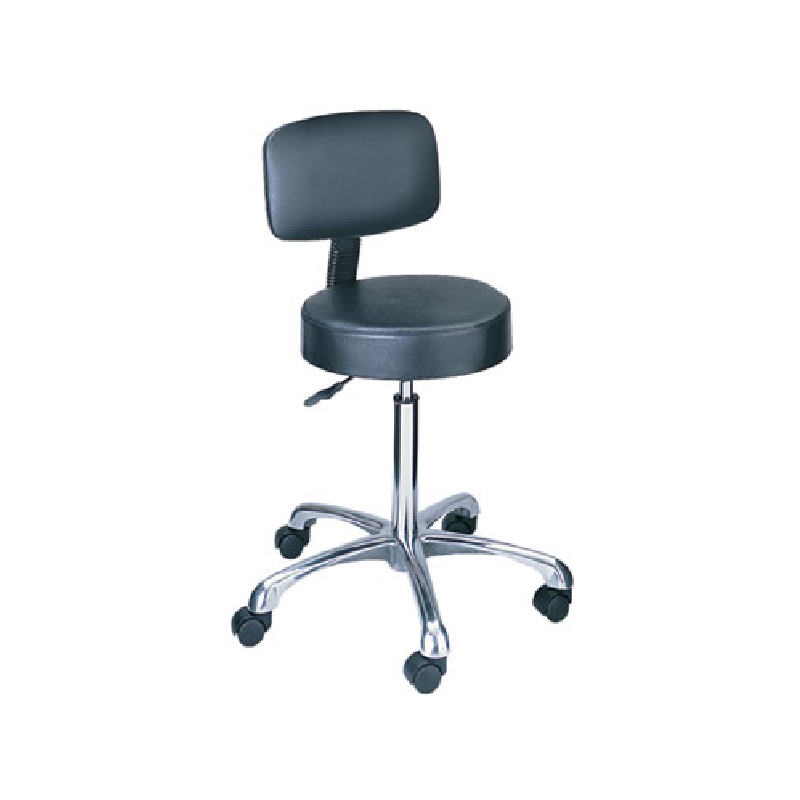
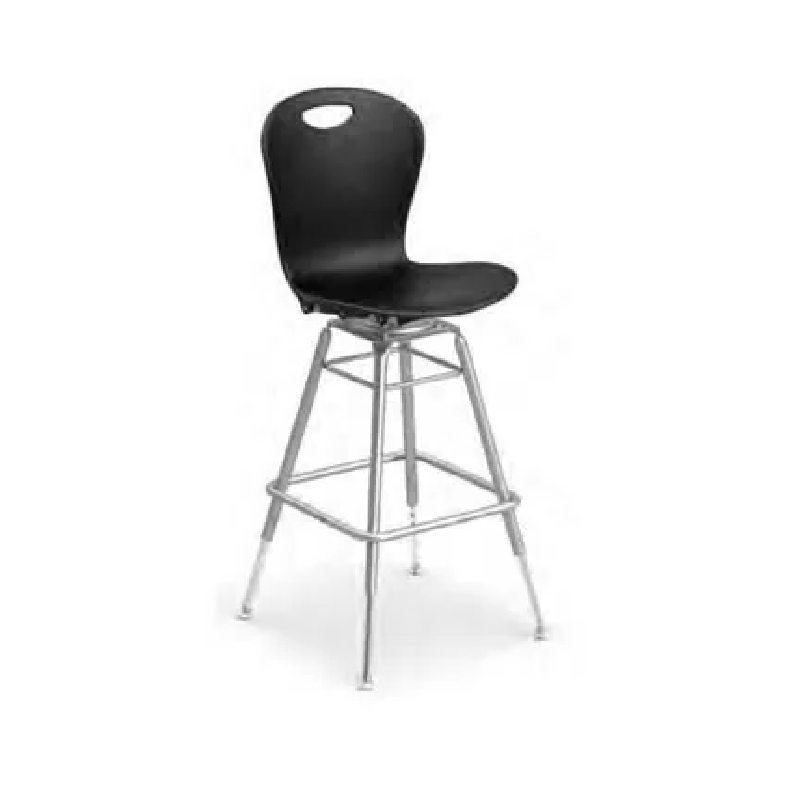
Laboratory stools, designed for science labs and STEM classrooms, are made of chemical-resistant materials and have height-adjustable frames. Their stability and safety features support precision and focus in lab environments.
XIha Montessori: Reliable Manufacturer of School Chairs with Comprehensive Service
With over two decades of experience in educational furniture manufacturing, we specialize in designing and producing high-quality school chairs for classrooms, libraries, laboratories, and multipurpose learning environments. Our strength lies in offering one-stop solutions—from classroom layout planning and product customization to mass production and global delivery. All chairs are built with a focus on ergonomic design, safety, and long-term durability, supporting students across all age groups.
School Chairs Materials: Common Types and Performance Features
The materials used to construct school chairs directly impact their comfort, durability, safety, and performance in learning environments. Educational settings require different material properties based on usage, age group, and maintenance needs. Below are the most commonly used materials for school chairs:
- Polypropylene (Plastic)Lightweight, durable, and impact-resistant. Ideal for stacking chairs and early childhood seating. Easy to clean and available in a wide range of colors, making it suitable for vibrant classroom settings.
- Metal (Steel or Aluminum Frames)Provides structural strength and long-term stability. Steel frames are often powder-coated for rust resistance, while aluminum offers a lighter alternative for mobile or foldable chair designs.
- Wood and PlywoodFound in traditional school chairs or furniture with a natural aesthetic, wood and plywood offer strength and warmth. They are often used in libraries, teacher chairs, or custom seating.
- Laminated MDF or ParticleboardUsed for tablet arm surfaces or chair backs in some models. Laminated finishes offer resistance to wear, scratches, and moisture. Suitable for cost-effective yet practical school chairs.
- Upholstered Foam (Fabric or Vinyl Covering)Found in soft seating, teacher chairs, or library lounge chairs. Provides added comfort with cushioned support. Vinyl is easy to disinfect and water-resistant, while fabric offers a warmer feel.
- Mesh BackingUsed in teacher chairs or task chairs to provide breathable support during extended periods of sitting. Enhances airflow and promotes ergonomic posture.
Key Considerations for Purchasing School Chairs
Selecting the right chairs for a school is a critical decision that impacts student comfort, posture, focus, and institutional reputation. When approaching this task, schools and administrators should evaluate several dimensions. Here are the primary considerations:
Age and Grade Level
One of the first decisions involves matching chair dimensions and features to the students’ developmental stage. Younger children require smaller, lightweight chairs, while older students need sturdier, ergonomically supportive seating. Failure to match sizes can lead to slumped posture, discomfort, and distraction throughout the day.
Learning Style
Furniture should enhance—not hinder—the learning environment. Traditional classroom settings benefit from static chairs that promote forward focus. In contrast, collaborative or project-based classrooms thrive with mobile or swivel chairs that allow quick movement between stations.
Durability and Comfort
Classroom furniture is used heavily. Chairs must withstand repeated sitting, movement, stacking, and occasional misuse. Durability features include reinforced frames, scratch‑resistant surfaces, and components designed for high‑cycle use. Simultaneously, comfort through padded seats, contoured backs, and appropriate seat depth is essential to reduce fatigue and maintain engagement.
Health and Ergonomics
Ergonomic design supports proper spinal alignment, reduces strain on the back, shoulders, and neck, and encourages active, healthy posture—all of which are particularly important as students grow. Chairs with lumbar support, waterfall seat edges, adjustable heights, and breathable materials can significantly improve comfort and reduce musculoskeletal issues stemming from long hours of sitting.
Aesthetics and Design
While function leads the decision process, aesthetics influences the learning environment’s mood and perception. Chair color, shape, and style contribute to a classroom’s ambiance, reinforce school branding, and affect student and parent impressions. Schools may choose vibrant primary colors for younger grades or more muted, modern designs for senior classrooms or specialized spaces.
School Chair Heights by Grade Level
Here is a general guideline to help schools choose chair heights by grade:
| Grade Level | Student Height Range | Recommended Seat Height |
|---|---|---|
| Preschool (3–5 years) | 37" – 43" (94–109 cm) | 10" – 12" (25–30 cm) |
| Kindergarten | 43" – 49" (109–124 cm) | 12" – 14" (30–36 cm) |
| Grades 1–2 | 48" – 54" (122–137 cm) | 14" – 16" (36–41 cm) |
| Grades 3–4 | 54" – 60" (137–152 cm) | 16" – 18" (41–46 cm) |
| Grades 5–6 | 60" – 66" (152–168 cm) | 18" (46 cm) |
| Middle School & Up | 60"+ (152+ cm) | 18" – 19" (46–48 cm) |
Age Groups to Consider
Understanding different age groups helps refine chair features:
Preschool
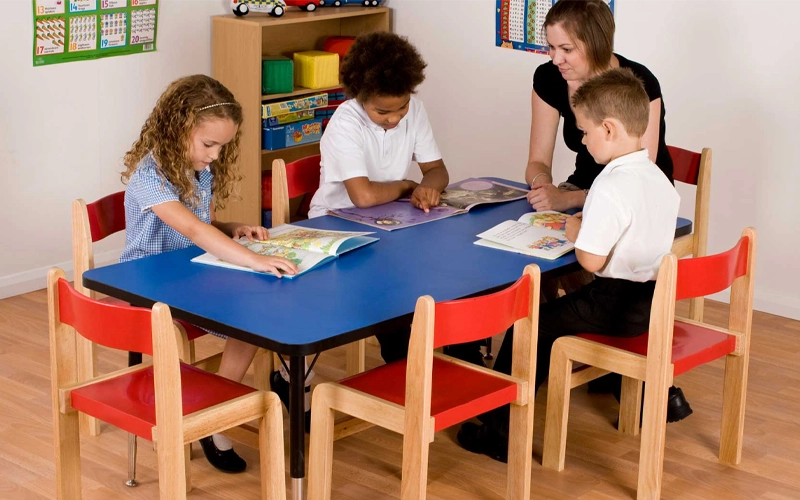
Preschool chairs must be lightweight, colorful, and safe—without sharp edges or pinch points. They should assume that students may climb or distract themselves with furniture, so stability and rounded shapes are essential. The design encourages play, simple cleaning, and durability against rough use. T‑shaped or wide‑based legs help prevent tipping, and smooth surfaces support easy sanitization.
Elementary School
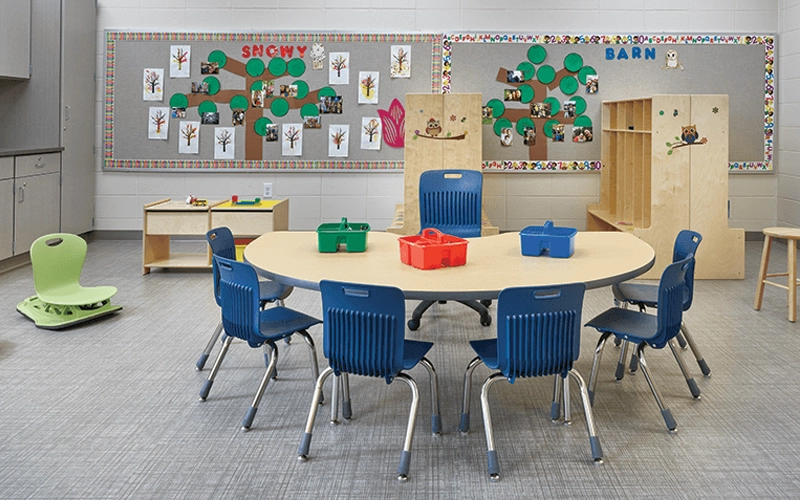
In early elementary grades, children begin sitting for more extended periods. Chairs must be appropriately sized, but comfort features such as contoured backs, supportive seats, and pairing with adjustable or matching-height desks become essential. Colorful but durable finishes help maintain engagement without sacrificing maintenance.
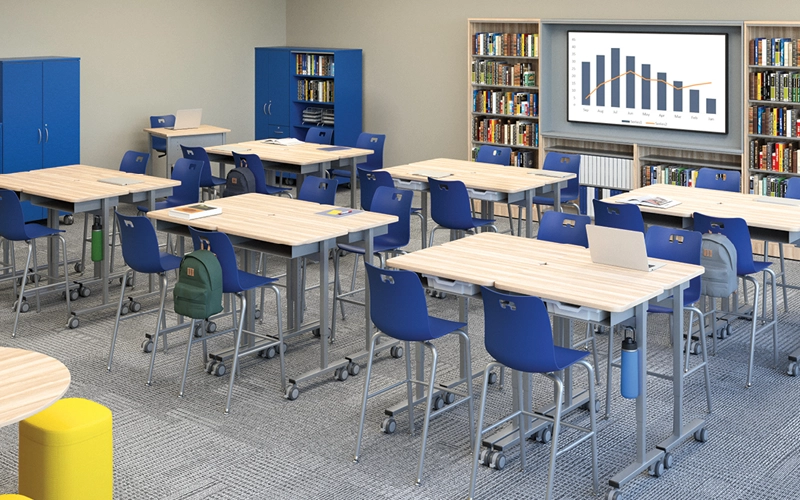
For Middle School Students
Students in middle school benefit from sturdier seating that supports growing bodies. Seat heights rise into the mid‑teens inches, and materials may transition from lightweight plastic to more reinforced plastic or hybrid metal‑plastic designs. Mobility features—like glides, optional small casters, or stackable features—help adapt to varied instructional modes.
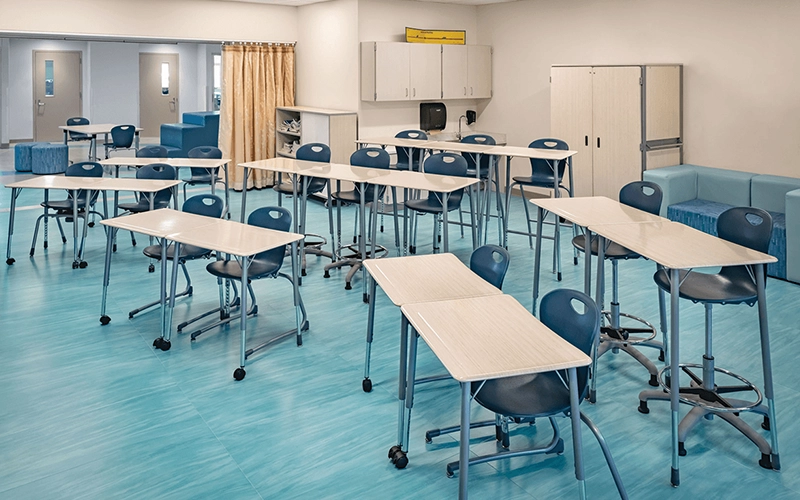
For High School and Above
High school students and adults demand chairs that support longer sessions in diverse settings, such as lecture halls, labs, and libraries. Chairs may include adjustable height mechanisms, frame reinforcements, padded or mesh backs, and ergonomic contouring. Materials often elevate in quality—high‑grade polymers, tubular steel frames, and replaceable seat pads—all designed for longevity and comfort.
Bulk Purchasing and School Furniture Supplier Selection
Large‑scale procurement of school chairs involves strategic planning across multiple factors. Here’s how to approach it:
Evaluating Suppliers
Look beyond catalogs. Vet suppliers based on school-specific experience, logistics reliability, and customer support. Those with previous contracts in your region may offer installation and better service terms. Look for longevity—trust is built over time.
Product Range
Suppliers should offer a variety of models across age groups, ergonomic needs, and color choices. Ideally, a single vendor can furnish the entire school to ensure consistency and streamline ordering.
Requesting and Comparing Quotes
Request detailed quotes that include unit price, volume discounts, shipping, installation, and any taxes or fees. Ensure comparability across suppliers by standardizing the specifications in quote requests. Don’t rely solely on price—include quality, warranty, delivery speed, and service in your decision matrix.
Warranty and After-Sales Service
Chairs get damaged. A good supplier will offer multi-year warranties that cover defects and structural failures. Investigate the ease of warranty claims and whether parts like leg glides or backrests are replaceable.
Certification and Compliance
Ensure the supplier meets regulatory safety standards (like ANSI/BIFMA in the U.S. or EN1729 in the EU). Certifications related to fire retardancy, non-toxicity, and structural safety should be provided upfront.
Sample Evaluation
Request samples to test in real classrooms. Have students and teachers provide feedback on comfort, noise, stability, and usability. A small pilot trial often prevents large-scale purchasing mistakes.
What are the Variations on Common School Chair Leg Styles?
School chair leg styles are more than aesthetics—they influence stability, movement, and flooring preservation. Common variations include:
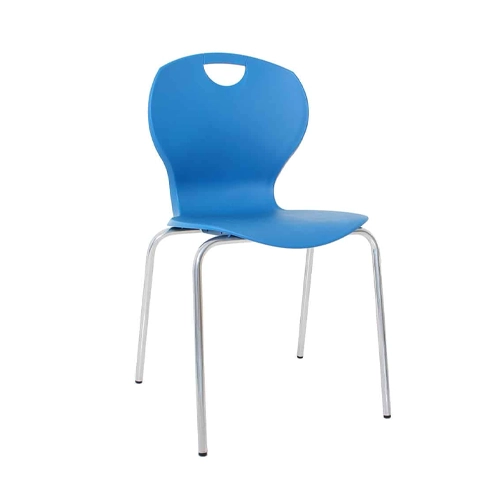
Four-Leg Fixed (Standard Style)
Most traditional design. Four vertical legs offering stable seating with minimal parts. Often stackable, this design suits most classrooms and minimizes rolling. Ideal for general-purpose use.
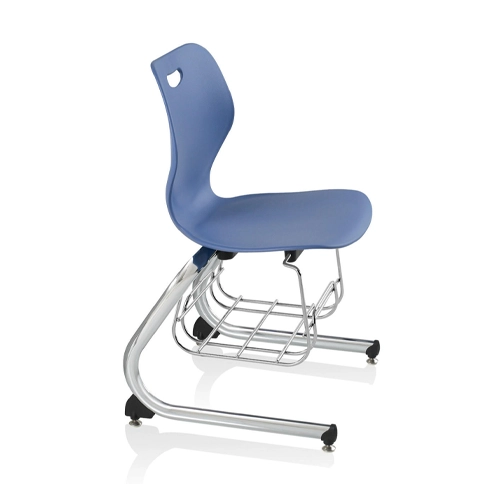
Tubular Steel Skirt/Base (Cantilevered Style)
A continuous U‑shaped or basket‑style base that adds flexibility, slight bounce, and a modern look. Often seen in lecture halls or blended classrooms. The rounded base may distribute pressure but may not be stackable.
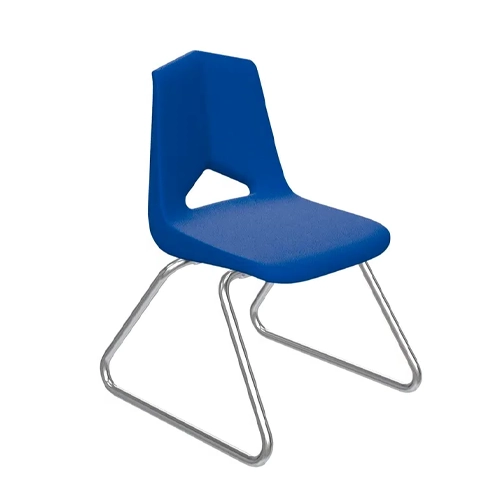
Tube “T” or “Sled” Base
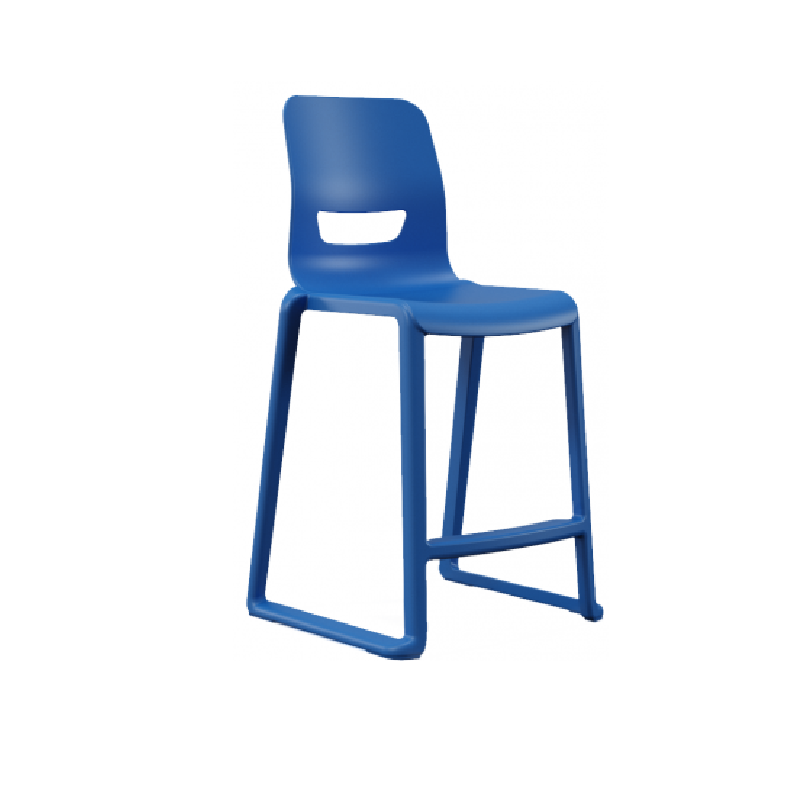
Sled‑style legs run parallel to the floor, minimizing contact and enabling gentle slide. These protect hard floors but aren’t stackable. Common in areas emphasizing quiet and movement, such as libraries.
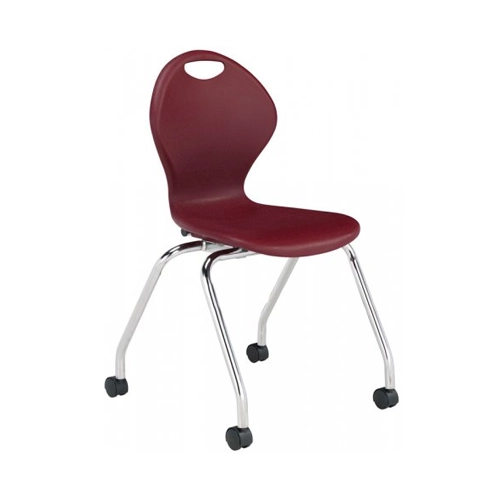
Wheel‑Equipped Casters
Found in labs, offices, or collaborative rooms. Allow mobility, but the casters must include locking features to prevent unintended movement. Best with stable or level flooring surfaces.
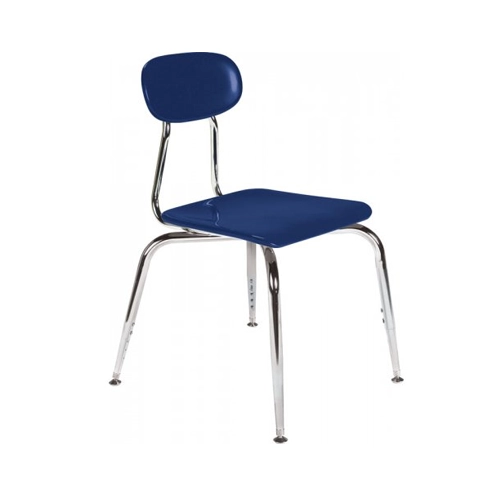
Adjustable‑Height Legs (Telescoping)
These legs allow seat-height adjustments to serve multiple age groups. Useful in multipurpose tables or flexible classrooms. They are more complex mechanically and require proper maintenance to prevent wobble.
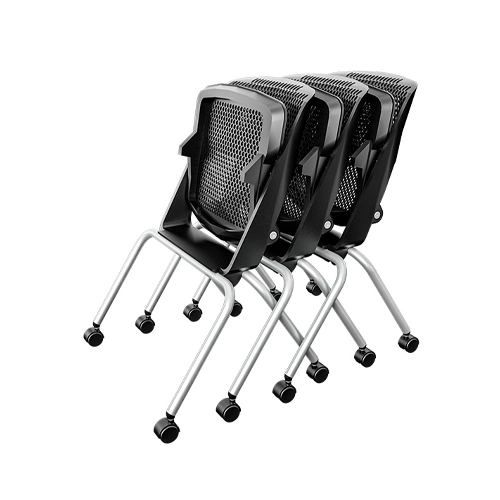
Folding or Nesting Legs
Used in banquet or assembly settings, folding legs enable efficient storage during multi-use events. These are often heavier and require secure locking mechanisms when in use.
Common School Chair Combinations
While it is important to select individual chairs based on height, age group, and usage, many educational institutions benefit from purchasing standardized combinations that offer consistency and ease of management across multiple classrooms or entire campuses.
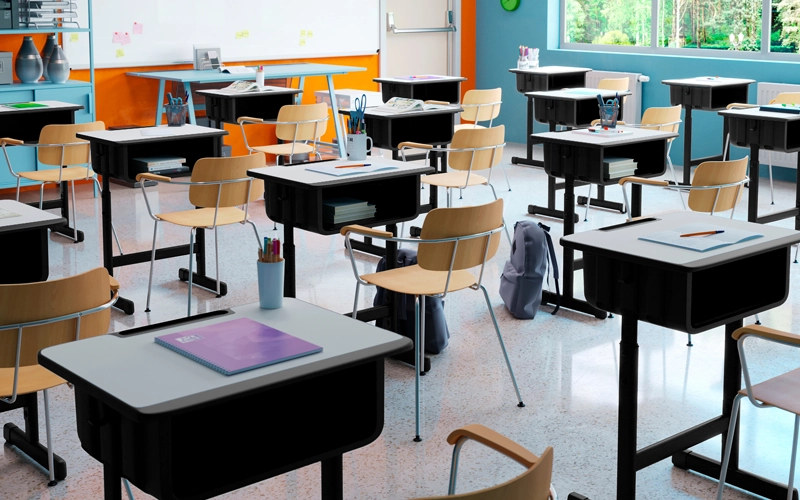
Chair and Desk Sets
Pairing chairs with matching desks ensures proper alignment between seat height and desk surface, reducing strain on students' backs, shoulders, and wrists. While selecting individual chairs based on height, age group, and usage is essential, many educational institutions benefit from purchasing standardized combinations that offer consistency and ease of management across multiple classrooms or entire campuses. These combinations are often sold as sets for:
- Kindergarten with low-height, colorful designs
- Primary school with fixed wooden or molded plastic setups
- Middle and high school with ergonomic and modular configurations
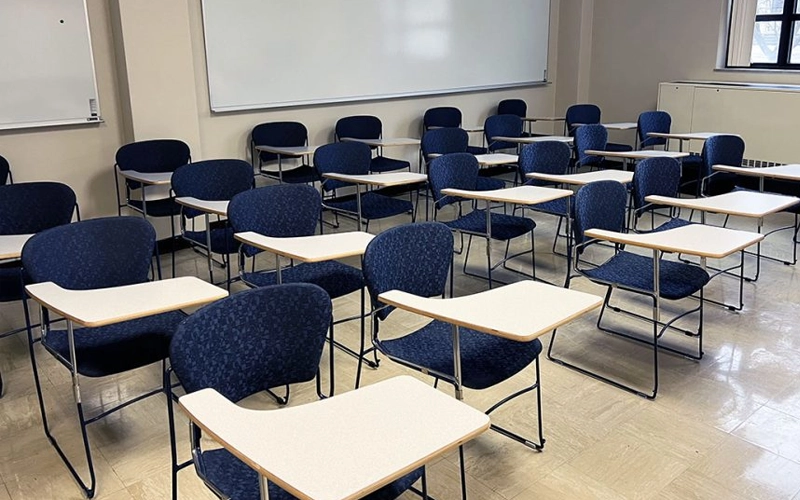
Tablet Arm Chair Combos
A popular solution in lecture-style or testing environments, tablet arm chairs directly integrate a small writing surface into the chair. Ensure that the arm accommodates both right- and left-handed students for inclusivity. This eliminates the need for separate desks and is particularly useful in:
- College auditoriums
- Testing centers
- Adult education classrooms
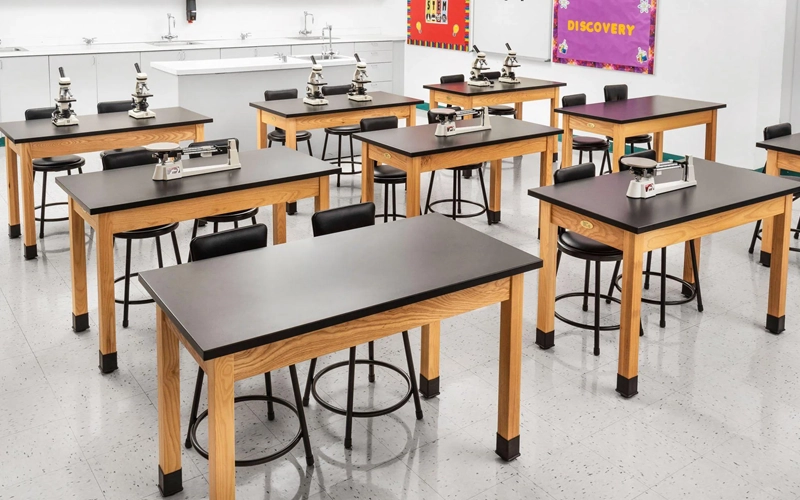
Lab Chair and Table Combinations
Science labs and technical classrooms demand high chairs or stools to match elevated work surfaces. The key is to ensure the chair's stability and safety, especially in rooms with hazardous materials or fragile instruments. These combinations often include:
- High stools with footrests
- Chairs with chemical-resistant finishes
- Height-adjustable swivel bases for flexibility
The Difference Between Wooden Chairs, Plastic Chairs and Metal Chairs
| Feature/Aspect | Wooden Chairs | Plastic Chairs | Metal Chairs |
|---|---|---|---|
| Durability | Moderate – prone to scratches and chips | Good – resists impact and moisture | Excellent – highly durable under stress |
| Weight | Heavy | Lightweight | Medium to heavy |
| Cost | Higher upfront cost | Most affordable | Moderate |
| Comfort | Often comfortable with a warm feel | Varies – some molded for ergonomics | Can be cold and hard without padding |
| Design Flexibility | Traditional and aesthetic appeal | Wide range of colors and styles | Industrial look, less design variety |
| Ideal Use Case | Libraries, administrative offices | Classrooms, multipurpose rooms | Labs, exam halls, high-use classrooms |
| Lifespan | 5–10 years with care | 7–10 years | 10–15 years or more |
Customized School Chair Services Available
Mass-produced furniture doesn’t always meet the needs of every institution. That’s why customization services are increasingly popular, particularly for schools seeking ergonomic diversity, brand alignment, or specific room functionalities.
Custom Colors and Branding
Clients can select colors to match school branding, classroom themes, or institutional identity. We also offer custom logo printing or embossing on chair backs, helping reinforce school pride and visual consistency across campuses.
Custom Sizes and Dimensions
We manufacture non-standard sizes to accommodate unique classroom layouts, student populations with special physical requirements, or hybrid-grade environments. Seat height, backrest width, and frame structure can all be tailored based on your specifications.
Material and Finish Customization
Clients may choose from various finishes to meet hygiene, safety, and durability requirements, including:
- Antimicrobial coatings
- Fire-retardant materials
- Moisture- and stain-resistant upholstery
- Chemical-resistant finishes for lab use
Special Needs Adaptation
Our customization services include solutions for inclusive classrooms. We offer chairs with:
- Wider seats and higher weight capacity
- Armrests and footrests for additional support
- Adjustable-height options
- Chairs compatible with adaptive accessories
Collaborative Design Consultations
Our in-house design specialists work directly with facility managers, architects, and school administrators to develop custom seating solutions for unique classroom configurations, auditoriums, labs, and collaborative spaces. We also assist with layout planning and ergonomic optimization.
Lead-Time Management and Flexible Production Scheduling
We offer priority production slots for customized orders and support staggered deliveries based on your academic calendar or construction timelines. All custom projects have a dedicated manager to ensure smooth communication and on-time fulfillment.
School Chair Maintenance Tips
Even the highest-quality school chairs require regular maintenance. A structured maintenance plan helps extend chair lifespan, reduce emergency repairs, and improve student safety.
Establish a Maintenance Schedule
Develop a monthly or quarterly maintenance calendar. Document findings in a maintenance log to track recurring issues and support future procurement decisions. Assign specific custodial or facilities staff to inspect classroom chairs for topics such as:
- Loose or missing screws
- Cracks in plastic or metal components
- Worn glides or caster wheels
- Stained or ripped upholstery
- Squeaky joints or frame misalignment
Cleaning Procedures by Material Type
Plastic Chairs
Use warm soapy water and a soft cloth. Avoid abrasive scrubbers that scratch the surface. For stubborn grime, diluted vinegar or baking soda paste can work without damaging finishes.
Metal Frames
Wipe down with a damp microfiber cloth. Rust should be treated with steel wool and touched up with paint or rust inhibitor. Avoid soaking to prevent internal corrosion.
Upholstered Seats
Vacuum weekly. Spot clean stains with mild detergent. For vinyl upholstery, use antibacterial sprays approved for school environments.
Wood Components
Use wood-safe polish or cleaner. Avoid soaking wood or exposing it to direct sun for prolonged periods, which may cause warping or fading.
FAQs
1. What is the best material for school chairs?
Polypropylene and metal hybrids offer durability, comfort, and affordability.
2. How do I determine the right size school chair?
Match chair height with student age or refer to standard height charts.
3. Are stackable school chairs durable?
Yes, if designed with strong materials and tested for stacking weight.
4. What’s the average lifespan of a school chair?
High-quality school chairs last between 7 to 15 years, depending on material, usage frequency, and maintenance. Models with reinforced frames, scratch-resistant finishes, and easy-to-replace parts generally offer the best durability and value.
5. What certifications should quality school chairs have?
Look for chairs that comply with ANSI/BIFMA standards, ISO certifications, and Greenguard certification for air quality. If special-use environments are involved (e.g., labs), seek additional chemical or fire safety compliance.
Xiha Montessoris supplies superior preschool furniture and toys to over 500 kindergartens across the globe.
Contact us for a free consultation to customize the perfect solution for your needs.