
Resilience is a learned skill. People often look for the emergency exit before they work through a difficult problem. That’s because we don’t come preloaded with the coping skills we need to be resilient people. We have to figure them out as we go.
Resilience can be particularly difficult to build in children for that very reason. They don’t have the skills to have a “never give up” attitude, so they have to learn them as they go. Which is as much fun as it sounds.
If you’re a parent, here are five things you can do to create emotional resilience in your kids and set them up for success later in life when it comes to tackling their problems head on.
Define Resilience
Resilience is a deceitfully vague word. It seems straightforward enough. But your expectations may be way too low or way too high. Depending on your child’s age, resilience will look very different.
Resilient kids step into situations with “a sense they can figure out what they need to do and can handle what is thrown at them with a sense of confidence,” according to licensed social worker and psychotherapist Lynn Lyons.
Age has a lot to do with defining a child’s ability to confront adversity. For preschoolers and toddlers, that’s not going to be very much. The idea of “pushing” them to overcome certain things isn’t realistic. Parents have a much greater chance of harming a child by pushing resilience then they do coddling them. Set up realistic expectations for them when it comes to handling their fears and anxieties. Their early years need to be spent building up their confidence, not testing it.

Build a Solid Foundation at Home
In terms of raising resilient children, establishing your home as a place of physical and emotional safety is one of the greatest things you can do. Why? Because they will know, whatever happens, they’ll have mom, dad, and their family there to support them.
Here are four ways you can create a home life that fosters resilience.
- Have one-on-one time with each child, without distractions.
- Create family rituals to help your kids feel a part of something bigger and provide predictability in an unpredictable world.
- Model resilient and loving behavior.
- Create and nurture a supportive relationship between you — and other trusted adults — and your child.
Use Small Challenges
You don’t have to march your preschooler up a mountain to teach them about resilience. Instead, take everyday moments to teach them about powering through adversity and managing anxiety. One of the best ways to build resilience in toddlers and preschoolers is to teach them about delayed gratification.
- Use an upcoming birthday or holiday to explain why they can’t open presents RIGHT NOW.
- Play a game where everyone has to take turns.
- When doing something new, walk your child slowly through the steps to succeeding. Once they’ve mastered one part, move on to the next. Riding a bike is a perfect example. Let them hop on the bike to see what they need to learn first. Once they master that, move on to the next step.
Teach Coping Strategies & Skills
Practice makes perfect. That applies to resilience “training,” too. If your child is between 3 and 5 years old, you probably have an idea of what areas they need help being resilient in. One of the best ways to start them down a more resilient path is by teaching them coping strategies. Feeling overwhelmed? Take 10 deep breaths. Feeling angry? Go to a safe space until the anger passes. Getting frustrated that something isn’t working? Ask for help.
Don’t Eliminate Every Risk
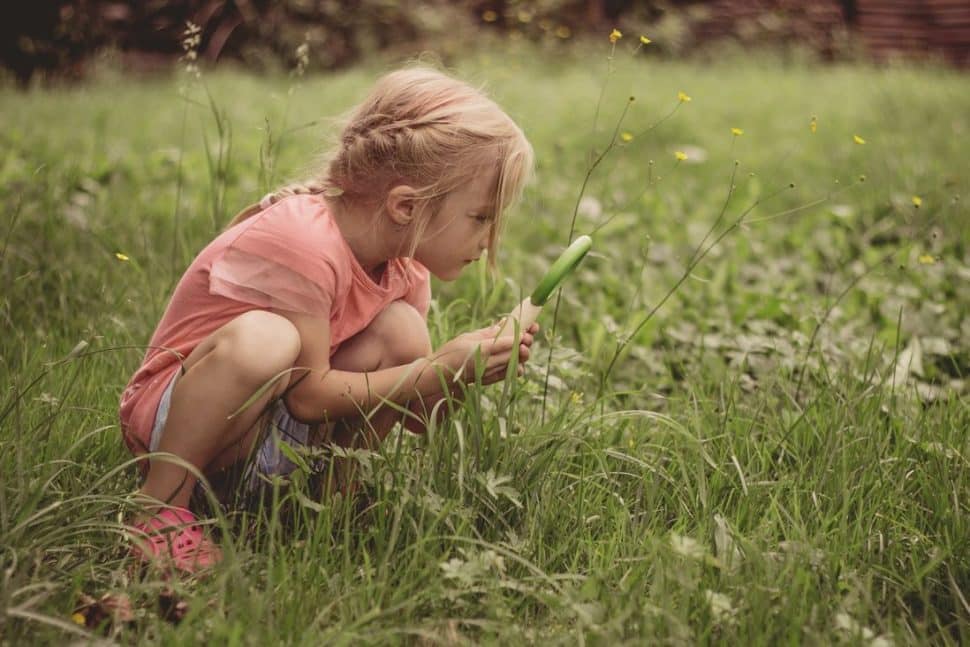
It feels wrong as a parent not to remove risk and difficulty from your child’s life. But remember: resilience in children is about them having the confidence to handle situations on their own. If they know a parent or caregiver will swoop in and fix every problem for them, they can never learn resilience.
Also remember that we’re dealing with toddlers and preschoolers in this context. So they’re still going to depend on you A LOT out of necessity. This isn’t a time to cut the safety net.
Instead of removing obstacles, follow this 1-2-3 to help you.
- Solve the problem on their own – If your child hasn’t engaged with the problem, ask them to try something out on their own.
- Ask for help – Your child asking for help isn’t what we’re trying to avoid. We just want it to be the second thing they do.
- Work together to problem solve – That doesn’t mean just remove the obstacle. Work with your child to problem solve and work together to complete the challenge.
Obviously, some physical and mental challenges are going to be too much for your child. But that doesn’t mean you shouldn’t explain the process anyway. Even if they aren’t big enough to lift the thing in the way or coordinated enough to unscrew or unlatch whatever they are handling, show them how it’s done and let them “help” complete the task … even if they aren’t actually helping

Resilience isn’t learned in a day. It’s layer after layer of experiences working together to give your child the confidence they need to confront their own challenges. If you start taking small steps toward building resilience in your child at a young age, one day you’ll be marveled when they unexpectedly step up to the plate and face a challenge on their own.
Share this article:
Hey, I’m Roger, the founder of Xiha Montessori, a family-run business. We specialize in preschool furniture and educational solutions.
Over the past 20 years, we have helped clients in 55 countries and 2000+ preschools, daycares, and early childcare centers create safe and inspiring learning environments.
This article shares knowledge on making education more effective and enjoyable for children.
Wooden Preschool Furniture Care Guide For Busy Classrooms
Read More »
How to Childproof a Daycare Classroom: A Practical Safety Checklist
Read More »
Daycare Cribs Buying Guide: How to Choose Safe, Practical Sleep Furniture
Read More »
Object Permanence: What Babies Learn and How Montessori Activities Support It
Read More »
Effective Preschool Classroom Rules: How to Create a Safe and Orderly Learning Environment
Read More »
How to Start a Daycare: A Practical Planning Guide
Read More » Roger Cai
Education Specialists
Hey, I’m the author of this post.
Over the past 20 years, we have helped 55 countries and 2000+ Clients, like Preschools, Daycare, and Early Childcare Centres, to create safe and inspiring learning environments.
If you need a purchase or consultation, please contact us for a free product catalog and classroom layout design.