
Adaptive Montessori Furniture for Children with Autism
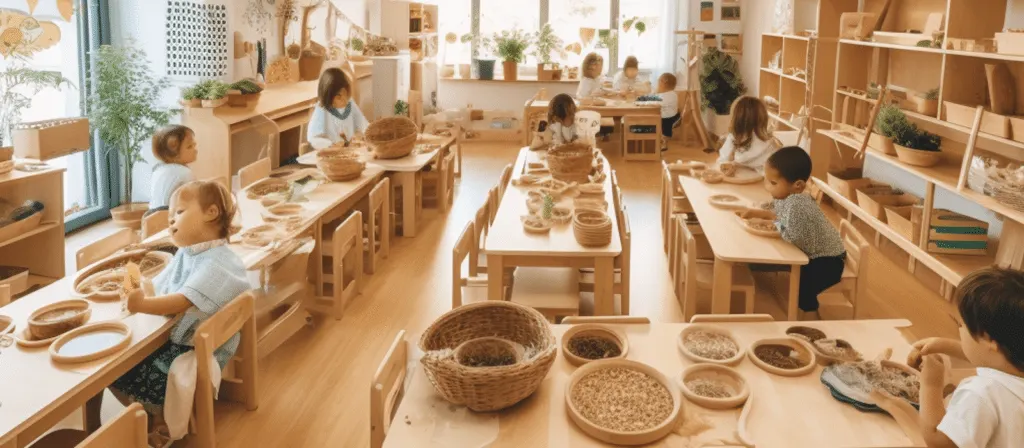
Have you ever wondered how furniture designed with adaptability in mind can make a significant difference in the learning experience of children with autism? In this article, we’ll delve into the world of adaptive Montessori furniture, exploring how it can create an inclusive and supportive learning environment for children with autism.
Adaptive Montessori Furniture for Children with Autism is designed to address the unique needs and challenges that children on the autism spectrum may face in a learning environment. It’s about creating a space where these children can thrive, learn, and grow, tailored to their specific sensory sensitivities, motor skills, and communication preferences.
What is Adaptive Montessori Furniture and How Does it Help?
Adaptive Montessori Furniture combines the principles of the Montessori educational philosophy with adaptive design to create a tailored learning environment for children with autism. It takes into account their sensory sensitivities, motor skills, and specific learning needs, offering a space that fosters independence, engagement, and comfort.
Children with autism often struggle with sensory processing, fine motor skills, and maintaining focus. Traditional classroom furniture may not cater to these challenges, hindering their ability to fully participate in learning activities. Adaptive Montessori Furniture addresses these issues by providing adjustable, sensory-friendly, and inclusive furniture options.
How Does Adaptive Montessori Furniture Work?
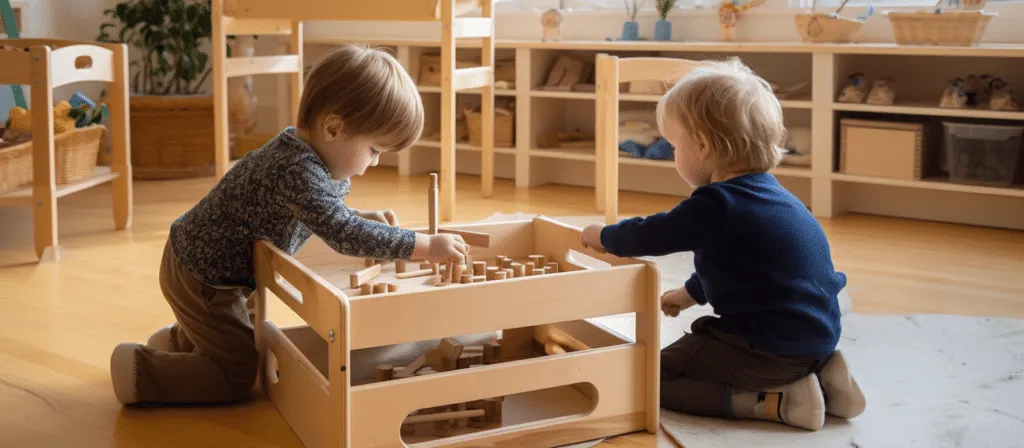
One of the key features of adaptive Montessori furniture is its versatility. Each piece is carefully designed to be adjustable and customizable, allowing children to tailor their environment to their specific needs. For example, our BeeChair desks can be easily adjusted in height, enabling children to find the most comfortable position for their learning activities. This adaptability promotes a sense of ownership and autonomy, empowering children to take control of their learning experience.
The Benefits of Adaptive Montessori Furniture for Children with Autism
The benefits of adaptive Montessori furniture for children with autism are manifold. By providing a supportive and stimulating environment, this furniture can enhance learning outcomes and overall well-being. Here are some key advantages:
- Sensory Integration: Children with autism often have sensory sensitivities. Adaptive Montessori furniture incorporates sensory elements such as soft textures, adjustable lighting, and calming colors, creating a sensory-friendly space that promotes focus and comfort.
- Promotes Independence: The adjustable features of our furniture enable children to independently modify their learning environment, fostering a sense of ownership and autonomy. This independence can have a positive impact on self-confidence and motivation.
- Encourages Concentration: By providing a comfortable and distraction-free space, adaptive Montessori furniture helps children with autism to focus better and concentrate on their tasks. This can lead to improved attention span and academic performance.
- Facilitates Social Interaction: Our furniture is designed to promote collaboration and socialization. For example, our communal tables provide a shared space for group activities, encouraging children to interact and learn from one another.
How Can Adaptive Montessori Furniture Be Integrated into Educational Settings?
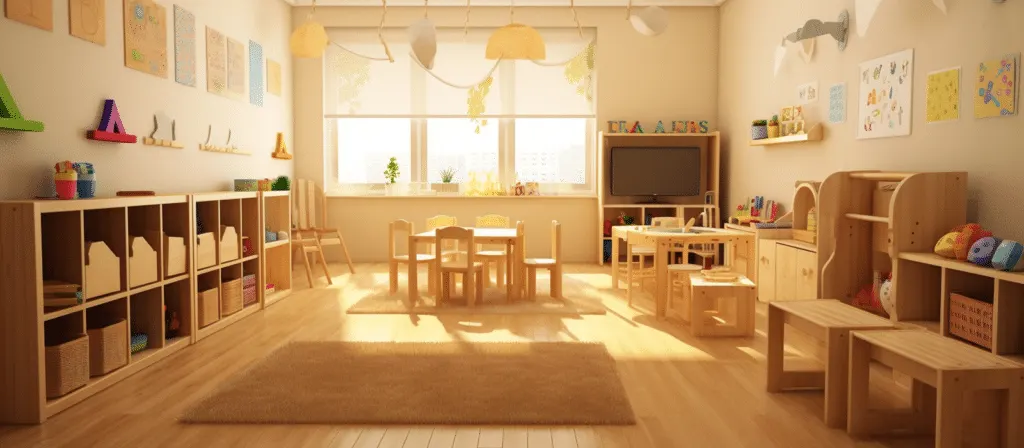
Integrating adaptive Montessori furniture into educational settings requires a holistic approach that involves collaboration between educators, parents, and furniture designers. Here are some strategies to facilitate its implementation:
- Collaborative Planning: Educators and furniture designers should collaborate to create learning environments that are both functional and aesthetically pleasing. By considering the unique needs of children with autism, they can design spaces that maximize engagement and learning.
- Parent Involvement: Parents play a crucial role in advocating for their child’s needs. By actively participating in the selection and placement of adaptive Montessori furniture, parents can ensure that their child’s learning environment is tailored to their specific requirements.
- Training and Support: Educators should receive training on how to effectively utilize adaptive Montessori furniture in the classroom. This includes understanding its features, implementing strategies for individualized learning, and creating a supportive environment for children with autism.
The Future of Adaptive Montessori Furniture
The field of adaptive Montessori furniture is constantly evolving, driven by a deep understanding of the needs of children with autism. As a CEO, I am committed to continuous innovation and improvement, ensuring that our products remain at the forefront of this exciting field. By incorporating cutting-edge technologies and research-backed design principles, we aim to revolutionize learning environments for children with autism.
Conclusion
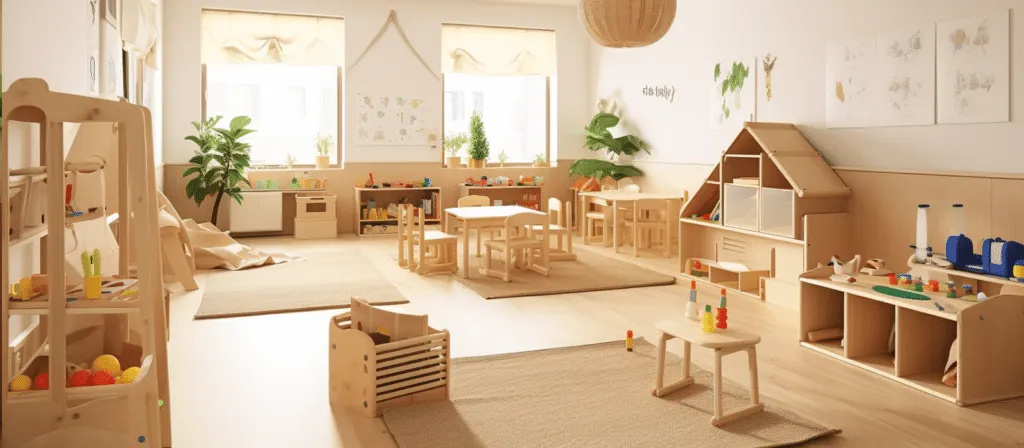
In conclusion, Adaptive Montessori Furniture is revolutionizing the way we approach education for children with autism. By combining the principles of Montessori education with adaptive design, it offers a supportive and engaging learning environment that caters to their unique needs. From sensory-friendly design to adjustable and inclusive features, this furniture promotes independence, engagement, and a sense of belonging for children with autism.

Hey, I’m Roger, the founder of Xiha Montessori, a family-run business. We specialize in preschool furniture and educational solutions.
Over the past 20 years, we have helped clients in 55 countries and 2000+ preschools, daycares, and early childcare centers create safe and inspiring learning environments.
This article shares knowledge on making education more effective and enjoyable for children.

Wooden Preschool Furniture Care Guide For Busy Classrooms
Read More »
How to Childproof a Daycare Classroom: A Practical Safety Checklist
Read More »
Daycare Cribs Buying Guide: How to Choose Safe, Practical Sleep Furniture
Read More »
Object Permanence: What Babies Learn and How Montessori Activities Support It
Read More »
Effective Preschool Classroom Rules: How to Create a Safe and Orderly Learning Environment
Read More »
How to Start a Daycare: A Practical Planning Guide
Read More » Roger Cai
Education Specialists
Hey, I’m the author of this post.
Over the past 20 years, we have helped 55 countries and 2000+ Clients, like Preschools, Daycare, and Early Childcare Centres, to create safe and inspiring learning environments.
If you need a purchase or consultation, please contact us for a free product catalog and classroom layout design.