
Benefits of Sensory-Friendly Furniture in Preschools
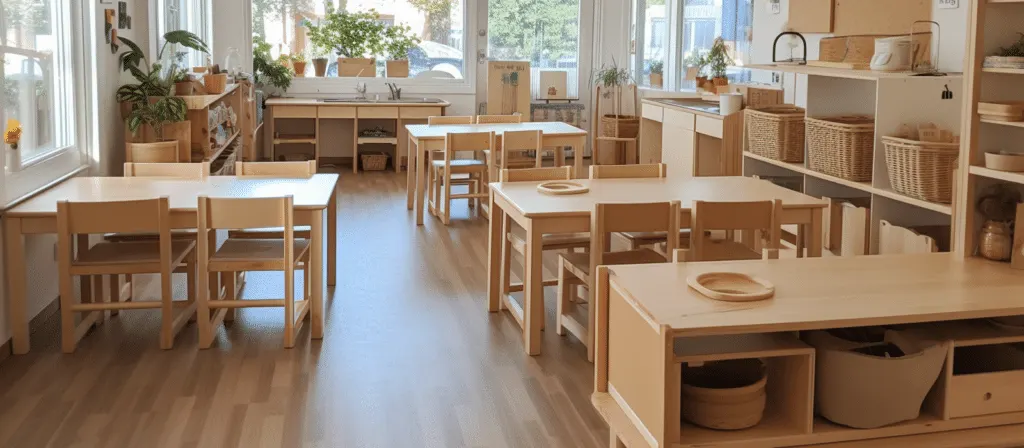
Have you ever wondered how the design of furniture in preschools can impact a child’s development? In this article, we’ll explore a series of questions to uncover the advantages of incorporating sensory-friendly furniture in preschool environments. Discover why these carefully designed pieces of furniture are more than just seats and tables.
Sensory-friendly furniture in preschools is more than just a trend; it’s a game-changer. It fosters comfort, engagement, and development in young children.
What is sensory friendly furniture?
Sensory friendly furniture is designed with the specific needs of children with sensory processing disorders in mind. These disorders can make it challenging for children to process and respond to sensory information, such as touch, sound, and movement. Sensory friendly furniture aims to provide a comfortable and calming environment that promotes focus, engagement, and overall well-being.
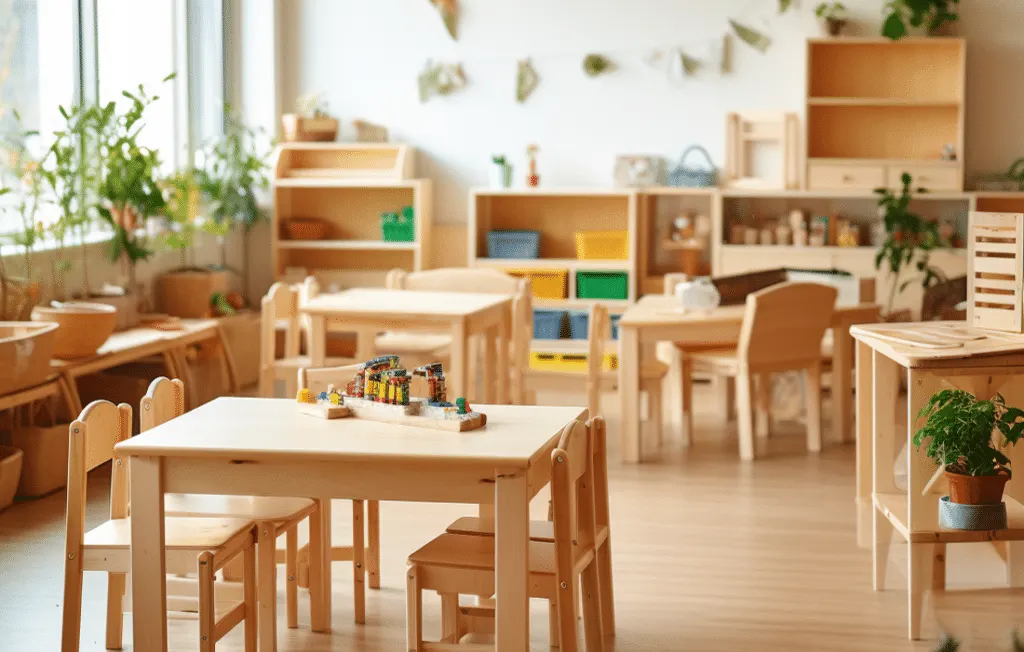
Enhanced comfort and relaxation
One of the primary benefits of sensory friendly furniture is the enhanced comfort and relaxation it provides. Traditional classroom furniture can be rigid and uncomfortable, leading to distractions and discomfort for children. Sensory friendly furniture, on the other hand, is designed to be soft, cushioned, and supportive, creating a cozy and inviting space for children to learn and play.
Improved focus and attention span
When children are comfortable and at ease in their environment, they are more likely to focus and engage in activities. Sensory friendly furniture helps reduce distractions and promotes a sense of calm, enabling children to concentrate on tasks and learn more effectively. This can lead to improved attention spans and better academic performance.
Promotes sensory exploration and development
Sensory friendly furniture is specifically designed to stimulate and support sensory exploration and development. It incorporates various textures, colors, and shapes that engage children’s senses and encourage them to explore the world around them. This type of furniture can be a valuable tool for sensory integration therapy, helping children develop their sensory processing skills.
Encourages social interaction and collaboration
Preschools are not just about individual learning; they also provide opportunities for social interaction and collaboration. Sensory friendly furniture promotes these aspects by creating spaces that are conducive to group activities and communication. Comfortable seating arrangements, such as bean bag chairs or floor cushions, can encourage children to gather together, share ideas, and work together on projects.
Inclusive and accommodating for all children
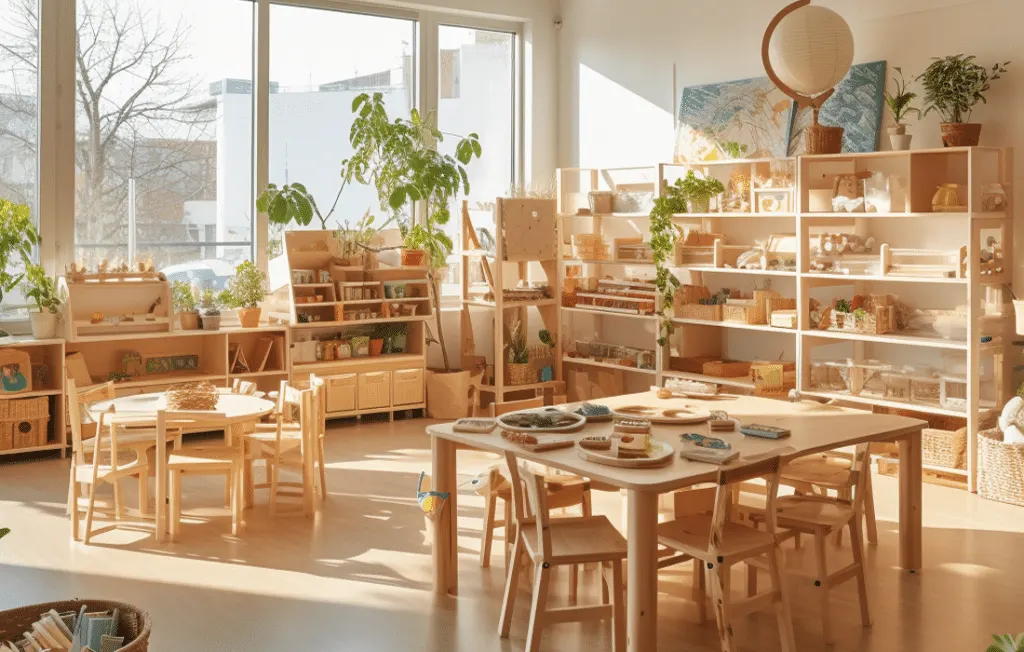
Every child deserves to feel included and supported in their learning environment. Sensory friendly furniture helps create an inclusive atmosphere by accommodating the diverse needs of all children. Whether a child has sensory processing challenges or not, they can benefit from the comfort and versatility that this type of furniture provides.
Reduces anxiety and promotes emotional well-being
Preschool can be an overwhelming and anxiety-inducing experience for some children. Sensory friendly furniture helps create a calming and safe space where children can feel secure and at ease. The soft textures and gentle support provided by this furniture can help reduce anxiety, promote emotional well-being, and create a positive learning environment for all.
Enhances creativity and imaginative play
Imagination and creativity are essential components of early childhood development. Sensory friendly furniture can enhance these aspects by providing children with a comfortable and stimulating environment to engage in imaginative play. Whether it’s a cozy reading nook or a pretend play area, sensory friendly furniture can inspire children’s creativity and foster their imagination.
Promotes gross and fine motor skills
Sensory friendly furniture is not only comfortable but also designed to support the development of gross and fine motor skills. For example, balance balls can improve core strength and stability, while adjustable desks and chairs promote proper posture and hand-eye coordination. By incorporating these elements into preschool classrooms, children have the opportunity to develop their motor skills while engaging in various activities.
Conclusion
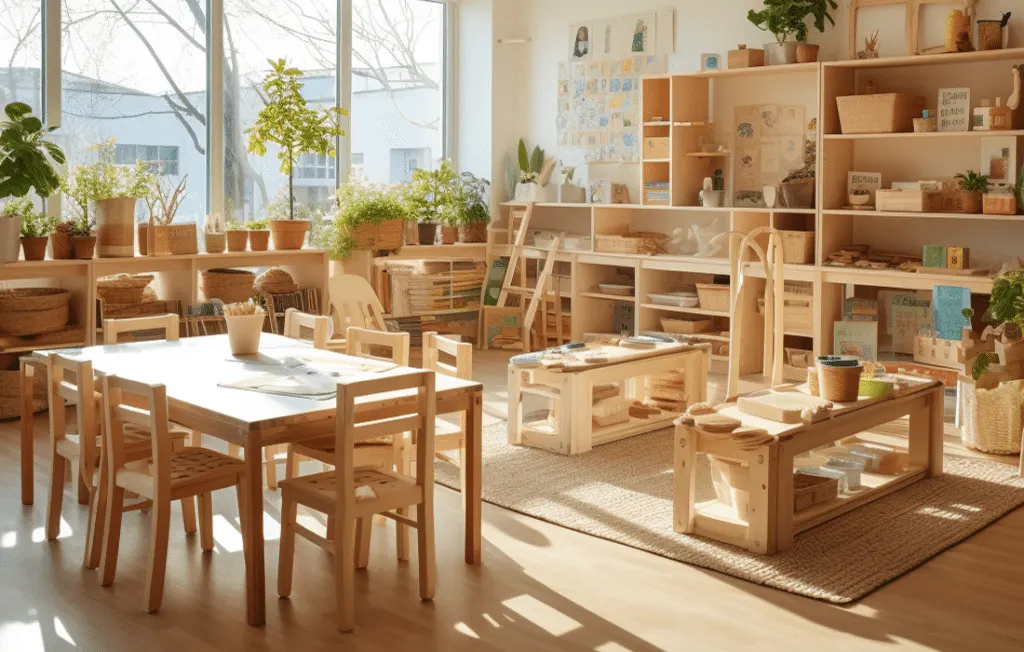
Sensory friendly furniture in preschools offers a myriad of benefits for both children with sensory processing challenges and those without. From enhanced comfort and relaxation to improved focus and attention span, this type of furniture creates an inclusive and accommodating environment for all children. By investing in sensory friendly furniture, preschools can provide a nurturing space that promotes learning, creativity, and overall well-being. Let’s create a future where every child feels supported and empowered to thrive!

Hey, I’m Roger, the founder of Xiha Montessori, a family-run business. We specialize in preschool furniture and educational solutions.
Over the past 20 years, we have helped clients in 55 countries and 2000+ preschools, daycares, and early childcare centers create safe and inspiring learning environments.
This article shares knowledge on making education more effective and enjoyable for children.
Wooden Preschool Furniture Care Guide For Busy Classrooms
Read More »
How to Childproof a Daycare Classroom: A Practical Safety Checklist
Read More »
Daycare Cribs Buying Guide: How to Choose Safe, Practical Sleep Furniture
Read More »
Object Permanence: What Babies Learn and How Montessori Activities Support It
Read More »
Effective Preschool Classroom Rules: How to Create a Safe and Orderly Learning Environment
Read More »
How to Start a Daycare: A Practical Planning Guide
Read More » Roger Cai
Education Specialists
Hey, I’m the author of this post.
Over the past 20 years, we have helped 55 countries and 2000+ Clients, like Preschools, Daycare, and Early Childcare Centres, to create safe and inspiring learning environments.
If you need a purchase or consultation, please contact us for a free product catalog and classroom layout design.