
Creating Inclusive Daycare Environments for All Children

How can we ensure that every child, regardless of their unique needs and abilities, feels welcomed and included in daycare settings? In this article, we’ll explore the essential aspects of creating inclusive daycare environments for all children. From understanding the benefits of inclusivity to implementing practical strategies, we’ll guide you on this important journey.
Creating Inclusive Daycare Environments for All Children is about fostering a sense of belonging, promoting diversity, and providing tailored support. It’s about ensuring that every child, including those with special needs, diverse backgrounds, and varying abilities, can thrive and grow together.
Why is inclusivity important in daycare?
Inclusivity is crucial in daycare environments because every child deserves to feel valued, accepted, and supported. When children are exposed to diverse backgrounds, abilities, and experiences, they develop empathy, understanding, and acceptance. Inclusive daycare settings also promote a sense of belonging and foster positive social interactions among children. By creating an inclusive environment, we are setting the stage for a more inclusive society in the future.

How can we create inclusive daycare environments?
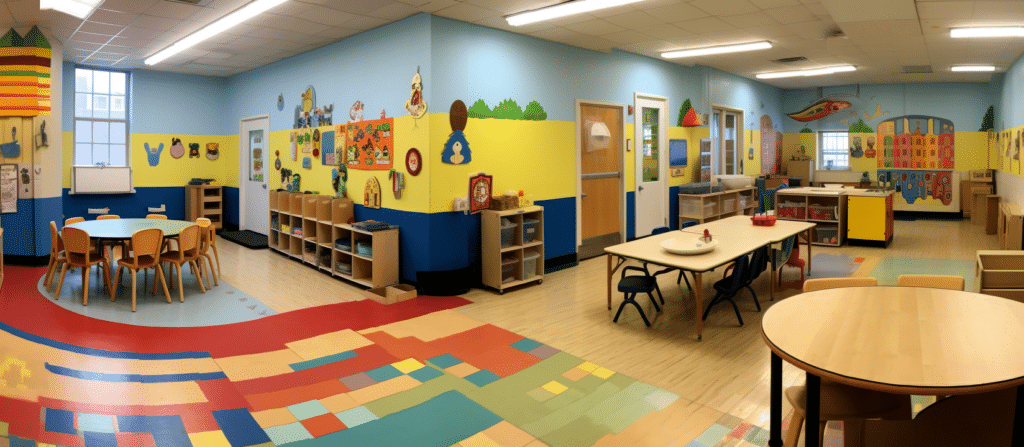
- Providing accessible facilities: It is essential to ensure that daycare facilities are accessible to children of all abilities. This includes having ramps and elevators for children with mobility challenges, accessible bathrooms, and sensory-friendly spaces for children with sensory processing disorders.
- Diverse representation in materials and activities: It is crucial to include materials and activities that reflect the diverse backgrounds and experiences of all children. This can include books, toys, and art supplies that represent different cultures, races, and abilities. By providing diverse options, we promote inclusivity and help children develop a sense of pride in their own identities.
- Training and education for staff: It is essential to provide ongoing training and education for daycare staff to ensure they have the knowledge and skills to support children with diverse needs. This can involve workshops on inclusive practices, understanding different abilities, and strategies for promoting positive social interactions among children.
- Promoting open communication: Creating an inclusive environment requires open communication between parents, caregivers, and staff. Regular meetings, newsletters, and digital platforms can be used to share information, address concerns, and celebrate diversity within the daycare community.
- Encouraging peer relationships: Peer relationships play a vital role in fostering inclusivity. Encourage children to interact and build friendships with peers from different backgrounds, abilities, and cultures. Organize activities that promote collaboration and teamwork, allowing children to learn from each other and appreciate their differences.
- Addressing individual needs: Every child is unique, and it is essential to address individual needs to create an inclusive environment. This may involve providing additional support, accommodations, or modifications to activities to ensure all children can participate and feel included.
- Celebrating diversity: Embrace and celebrate diversity within the daycare environment. Organize multicultural events, celebrate different holidays, and invite families to share their traditions and cultures. By celebrating diversity, we create a sense of belonging and help children develop a positive attitude towards differences.
How can we measure the success of inclusive daycare environments?
Measuring the success of inclusive daycare environments can be challenging, but it is essential to ensure that all children are benefiting from the inclusive practices put in place. Here are a few ways to assess the effectiveness of inclusivity in your daycare:
- Observation and documentation: Observe and document how children interact with one another. Are they inclusive, respectful, and supportive of their peers? Do they show empathy and understanding towards others? These observations can provide valuable insights into the impact of inclusivity on children’s social development.
- Feedback from families: Regularly seek feedback from families and caregivers about their experiences with your daycare. Are they satisfied with the level of inclusivity? Do they feel that their child is being supported and valued? This feedback can help identify areas for improvement and guide future initiatives.
- Inclusion of diverse perspectives: Ensure that your daycare curriculum includes diverse perspectives, experiences, and voices. This will help children develop a broader understanding and appreciation of different cultures, abilities, and backgrounds.
How can inclusive daycare environments benefit all children?
Inclusive daycare environments benefit all children in numerous ways. When children are exposed to diversity, they learn to appreciate differences and develop empathy and acceptance. Inclusive settings also promote social skills, as children learn how to interact with individuals from various backgrounds and abilities. Moreover, inclusive environments foster creativity and problem-solving skills, as children are exposed to different perspectives and ways of thinking.

Conclusion
Creating inclusive daycare environments is essential for providing all children with the opportunity to thrive, learn, and develop. By following the tips mentioned above, we can ensure that daycare settings are inclusive, welcoming, and supportive for children of all backgrounds and abilities. Let’s work together to create a brighter and more inclusive future for our children!

Hey, I’m Roger, the founder of Xiha Montessori, a family-run business. We specialize in preschool furniture and educational solutions.
Over the past 20 years, we have helped clients in 55 countries and 2000+ preschools, daycares, and early childcare centers create safe and inspiring learning environments.
This article shares knowledge on making education more effective and enjoyable for children.

Wooden Preschool Furniture Care Guide For Busy Classrooms
Read More »
How to Childproof a Daycare Classroom: A Practical Safety Checklist
Read More »
Daycare Cribs Buying Guide: How to Choose Safe, Practical Sleep Furniture
Read More »
Object Permanence: What Babies Learn and How Montessori Activities Support It
Read More »
Effective Preschool Classroom Rules: How to Create a Safe and Orderly Learning Environment
Read More »
How to Start a Daycare: A Practical Planning Guide
Read More » Roger Cai
Education Specialists
Hey, I’m the author of this post.
Over the past 20 years, we have helped 55 countries and 2000+ Clients, like Preschools, Daycare, and Early Childcare Centres, to create safe and inspiring learning environments.
If you need a purchase or consultation, please contact us for a free product catalog and classroom layout design.