
Designing a Reggio Emilia Atelier: Furniture and Artistic Expression
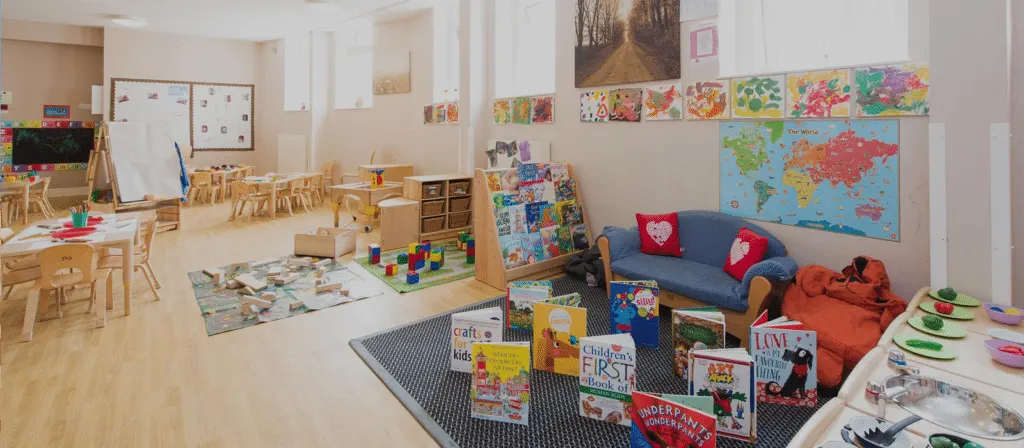
Have you ever heard of Reggio Emilia approach to education? It is a philosophy that originated in Italy and is gaining popularity worldwide. The approach is based on the belief that children are capable and competent learners, and they should be encouraged to explore and express themselves through art and other creative means. One of the key components of the Reggio Emilia approach is the atelier, a studio space where children can engage in artistic expression and experimentation. In this blog post, I will explore the concept of designing a Reggio Emilia atelier, specifically focusing on furniture and artistic expression.
What is a Reggio Emilia atelier?
Before we dive into the specifics of designing a Reggio Emilia atelier, let’s first define what it is. An atelier is a studio space where children can engage in various forms of artistic expression, including painting, drawing, sculpting, and more. The atelier is a central component of the Reggio Emilia approach, as it provides children with a dedicated space to explore their creativity and express themselves through art.
The atelier is not just a physical space; it is also a mindset. Teachers who embrace the Reggio Emilia approach understand that children are natural artists, and they work to create an environment that fosters creativity and artistic expression. An atelier is a place where children can experiment with different materials, learn new techniques, and express themselves in unique and meaningful ways.
What should be included in a Reggio Emilia atelier?
When designing a Reggio Emilia atelier, there are several key elements that should be considered. First and foremost, the space should be well-lit and spacious, with plenty of natural light if possible. The atelier should be stocked with a variety of art materials, including paints, pencils, markers, clay, and other materials that children can use to create their own art.
In addition to art supplies, the atelier should also include various types of furniture that are conducive to artistic expression. For example, tables and chairs should be adjustable to accommodate children of different ages and sizes. There should be plenty of storage space for art supplies, as well as shelves or display areas where children can showcase their finished artwork.
Another important aspect of the atelier is the role of the teacher. Teachers who embrace the Reggio Emilia approach act as facilitators, rather than instructors. They observe and listen to children as they work, providing guidance and support as needed. Teachers should also encourage children to collaborate and share their ideas with one another, fostering a sense of community within the atelier.
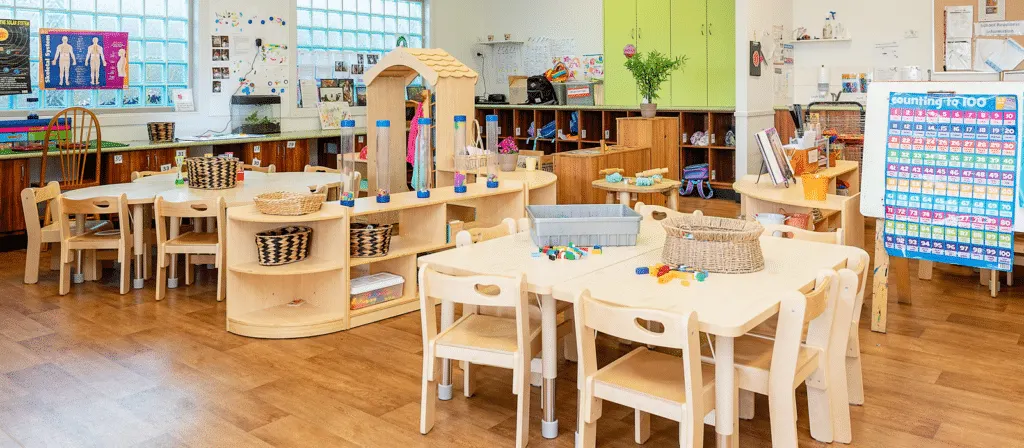
How can furniture enhance artistic expression in a Reggio Emilia atelier?
Furniture plays a crucial role in creating a welcoming and inspiring environment in the atelier. The right furniture can encourage children to explore their creativity and express themselves in new and exciting ways. Here are a few examples of how furniture can enhance artistic expression in a Reggio Emilia atelier:
Adjustable tables and chairs:
As mentioned earlier, tables and chairs should be adjustable to accommodate children of different ages and sizes. This not only ensures that children are comfortable as they work, but it also allows them to work collaboratively with peers of different sizes and abilities.
Display shelves:
Display shelves provide children with a place to showcase their finished artwork. This not only gives them a sense of pride and accomplishment, but it also encourages them to continue creating and experimenting with new materials and techniques.
Light tables:
Light tables are a wonderful addition to any atelier. They provide children with a unique way to explore colors, shapes, and textures. Children can use the light table to trace shapes and patterns, create layered artwork, or experiment with materials that are translucent or transparent.
Natural materials:
Using natural materials in the atelier, such as wooden tables and chairs, can help create a warm and inviting environment. Natural materials also provide children with an opportunity to explore different textures and sensory experiences.
In conclusion, Designing a Reggio Emilia atelier is a rewarding and inspiring process. By creating a dedicated space for artistic expression, children are given the freedom to explore their creativity and express themselves in unique and meaningful ways

Hey, I’m Roger, the founder of Xiha Montessori, a family-run business. We specialize in preschool furniture and educational solutions.
Over the past 20 years, we have helped clients in 55 countries and 2000+ preschools, daycares, and early childcare centers create safe and inspiring learning environments.
This article shares knowledge on making education more effective and enjoyable for children.

Wooden Preschool Furniture Care Guide For Busy Classrooms
Read More »
How to Childproof a Daycare Classroom: A Practical Safety Checklist
Read More »
Daycare Cribs Buying Guide: How to Choose Safe, Practical Sleep Furniture
Read More »
Object Permanence: What Babies Learn and How Montessori Activities Support It
Read More »
Effective Preschool Classroom Rules: How to Create a Safe and Orderly Learning Environment
Read More »
How to Start a Daycare: A Practical Planning Guide
Read More » Roger Cai
Education Specialists
Hey, I’m the author of this post.
Over the past 20 years, we have helped 55 countries and 2000+ Clients, like Preschools, Daycare, and Early Childcare Centres, to create safe and inspiring learning environments.
If you need a purchase or consultation, please contact us for a free product catalog and classroom layout design.