
Designing a Reggio Emilia Inspired Learning Environment with Furniture
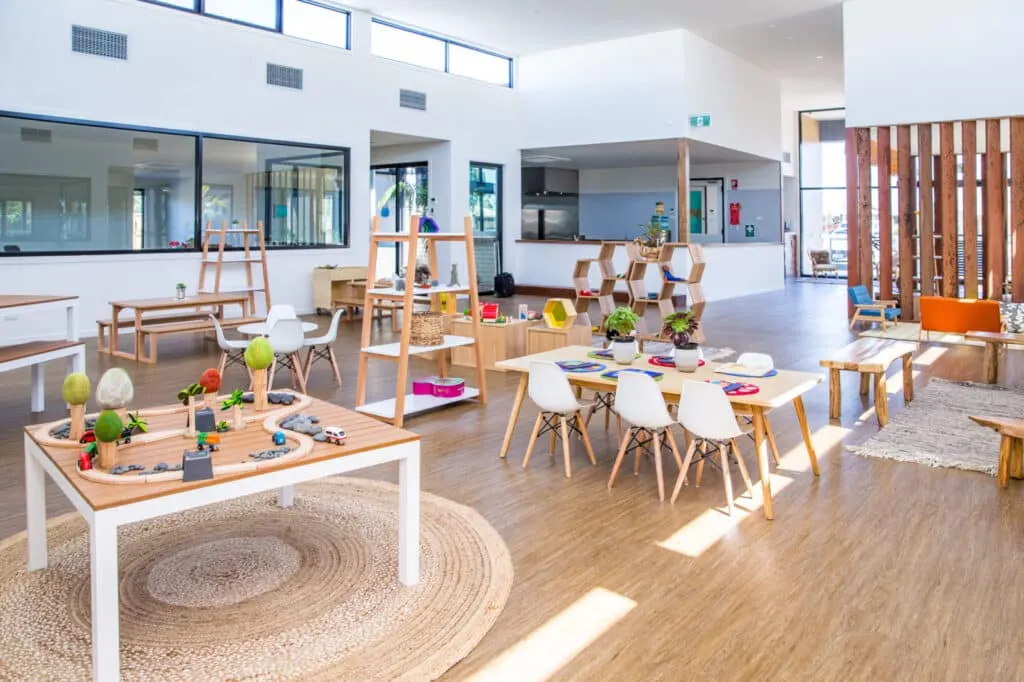
Are you looking to create a learning environment that fosters creativity, exploration, and collaboration? Have you heard about the Reggio Emilia approach to education and wondered how to incorporate it into your classroom design? Look no further, as I share with you some tips on designing a Reggio Emilia-inspired learning environment with furniture.
Discover how to design a Reggio Emilia-inspired learning environment through strategic furniture choices. From creating inviting spaces to fostering collaboration and self-expression, furniture plays a vital role in bringing the Reggio Emilia philosophy to life.
How do we design a Reggio Emilia inspired learning environment with furniture?
- Inviting and Flexible Spaces: Design flexible learning spaces that invite curiosity and accommodate various activities. Incorporate cozy reading corners, collaborative workstations, and areas for quiet reflection. Use furniture arrangements that can be easily rearranged to support different learning experiences and accommodate the changing needs of children.
- Natural Materials and Elements: Choose furniture made from natural materials, such as wood, wicker, and organic fabrics. Incorporate elements of nature, like plants, stones, and natural light, to create a calming and nurturing environment. By connecting children with nature, you inspire a sense of wonder and promote an appreciation for the world around them.
- Displaying and Celebrating Student Work: Design spaces to showcase and celebrate children’s work. Create art galleries, display boards, or hanging systems to exhibit their artwork, projects, and documentation. By valuing their creations and ideas, you foster a sense of pride, accomplishment, and ownership in their learning journey.
- Collaboration and Social Spaces: Integrate furniture that encourages collaboration and social interaction. Include communal tables, group workstations, and comfortable seating areas for discussions and group projects. Create spaces that promote active listening, respectful communication, and the exchange of ideas among children.
- Personalization and Self-expression: Provide opportunities for personalization and self-expression through furniture choices. Allow children to have input in the arrangement and decoration of their learning spaces. Incorporate individual workstations, personal display boards, and storage areas to empower children to showcase their interests, ideas, and progress.
In addition to furniture, lighting plays a crucial role in creating a Reggio Emilia-inspired learning environment. Natural light is preferred, but if that is not possible, using warm-toned lighting can create a cozy and inviting atmosphere. It is also important to have lighting that is adjustable, so that it can be adapted to different activities and moods
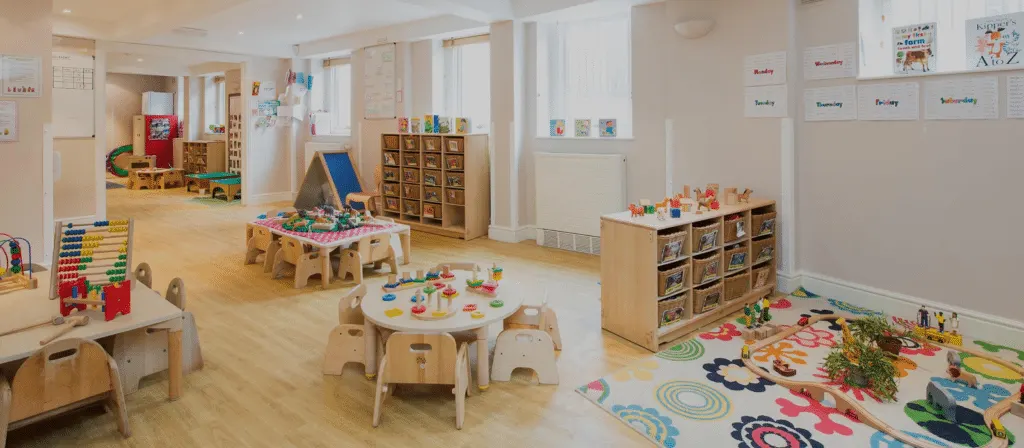
In conclusion, designing a Reggio Emilia-inspired learning environment with furniture is about creating a warm, inviting, and flexible space that encourages exploration, collaboration, and creativity. By using natural and sustainable materials, flexible furniture, child-accessible seating, designated areas, and appropriate lighting, we can create a learning environment that reflects the principles of the Reggio Emilia approach. Let’s create a space where children can thrive and be active participants in their learning!

Hey, I’m Roger, the founder of Xiha Montessori, a family-run business. We specialize in preschool furniture and educational solutions.
Over the past 20 years, we have helped clients in 55 countries and 2000+ preschools, daycares, and early childcare centers create safe and inspiring learning environments.
This article shares knowledge on making education more effective and enjoyable for children.

Wooden Preschool Furniture Care Guide For Busy Classrooms
Read More »
How to Childproof a Daycare Classroom: A Practical Safety Checklist
Read More »
Daycare Cribs Buying Guide: How to Choose Safe, Practical Sleep Furniture
Read More »
Object Permanence: What Babies Learn and How Montessori Activities Support It
Read More »
Effective Preschool Classroom Rules: How to Create a Safe and Orderly Learning Environment
Read More »
How to Start a Daycare: A Practical Planning Guide
Read More » Roger Cai
Education Specialists
Hey, I’m the author of this post.
Over the past 20 years, we have helped 55 countries and 2000+ Clients, like Preschools, Daycare, and Early Childcare Centres, to create safe and inspiring learning environments.
If you need a purchase or consultation, please contact us for a free product catalog and classroom layout design.