
Establishing Boundaries in an Environment of Positivity
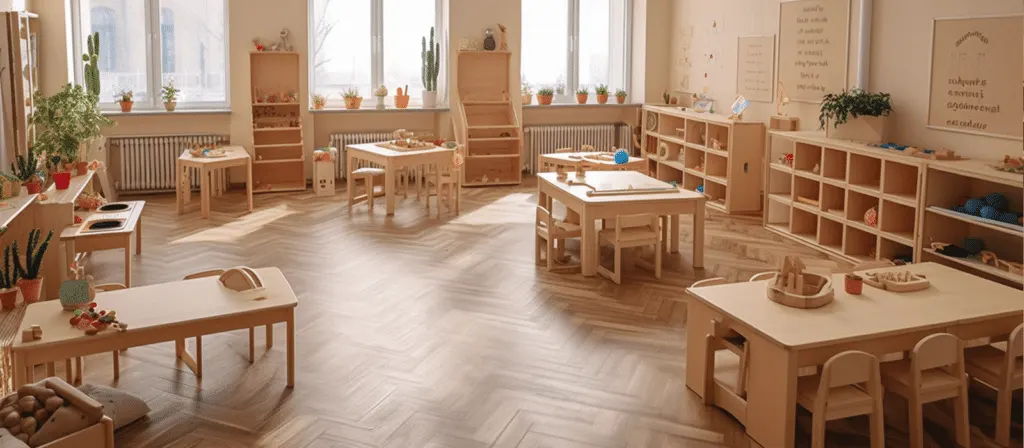
Imagine a world devoid of essential guidelines – a realm where rules are absent, leading to unbridled chaos. Just as a community requires a structure of rules for smooth functioning, a classroom community also thrives on a framework of well-defined boundaries. This article delves into the art of creating boundaries within a “yes” environment, one that fosters safety, encourages risk-taking, and propels meaningful learning experiences.
Crafting Safety within Freedom
In a world bustling with exploration and limitless possibilities, a “yes” environment empowers children to flourish while maintaining safety. Constructing a space that embraces both these facets is a teacher’s delicate task, involving self-reflection, providing secure platforms for risk, and setting clear expectations.
Teacher’s Reflective Role
As expounded in “Creating a ‘Yes’ Environment,” teachers assume the role of play facilitators, readying the classroom to accommodate diverse interests. Boundaries, akin to guiding rails, delineate the play area. Some are palpable – the classroom walls, yard fence – while others are metaphorical, intertwined with the teacher’s voice and guidance, shaping an unrestrictive haven for play. These boundaries extend to agreements, shaping interactions among children and with classroom materials.
A term synonymous with boundaries could be “guidelines.” It’s vital to scrutinize the rationale behind chosen guidelines. Are they universally applicable or tailored to specific children? Do they align with developmental appropriateness? Do they emerge from a single incident, potentially stifling future play? The inertia of tradition should not underpin guidelines. An ongoing evaluation ensures their relevance and effectiveness, fostering a dynamic environment.
Nurturing Risk in a Secure Realm
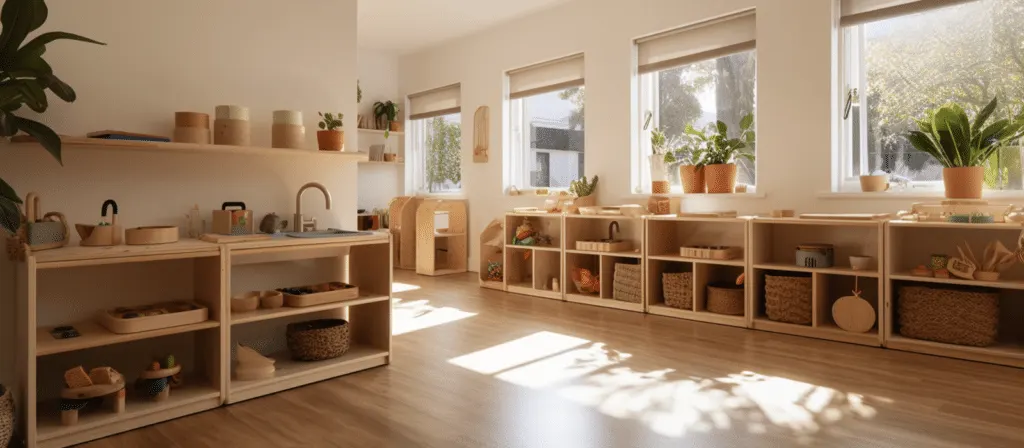
Teachers shoulder the responsibility of crafting an environment where risk-taking flourishes without a barrage of “no’s.” Striking the balance between adventure and safety is a nuanced endeavor. A “reasonably safe” space acknowledges the inevitability of accidents while minimizing preventable risks. This entails eliminating hazards – broken toys, sharp objects – and weaving opportunities for controlled risk-taking.
Consider potential daily safety concerns. In the Gross Motor domain, cushioned surfaces encourage tumbles. The Sensory Area can incorporate anti-slip measures. By choreographing spaces that inherently encourage a “yes,” teachers alleviate stress, fostering an environment where the boundaries blend harmoniously with risk.
Anticipating and Communicating Expectations
Having devised a teacher’s role and bolstered safety, the question arises: what next? Will accidents cease? Will children impeccably follow the rules?
Teachers, as conductors of “yes” play, establish developmentally apt guidelines upfront. Through insightful comprehension of children’s individualities and group dynamics, teachers fine-tune rules that align with children’s capacities and temperaments. These pre-established guidelines preemptively sidestep pitfalls and set a shared understanding.
The flexibility of these guidelines, rooted in an astute grasp of child development, emerges when children’s actions don’t align with expectations. If sitting still during story time isn’t feasible for some, the teacher amends the boundary. A designated space for movement is created, granting autonomy while fostering participation. Communicating such evolving boundaries invites children into the rule-making process, ensuring their ownership.
Guidelines as the Path to Freedom
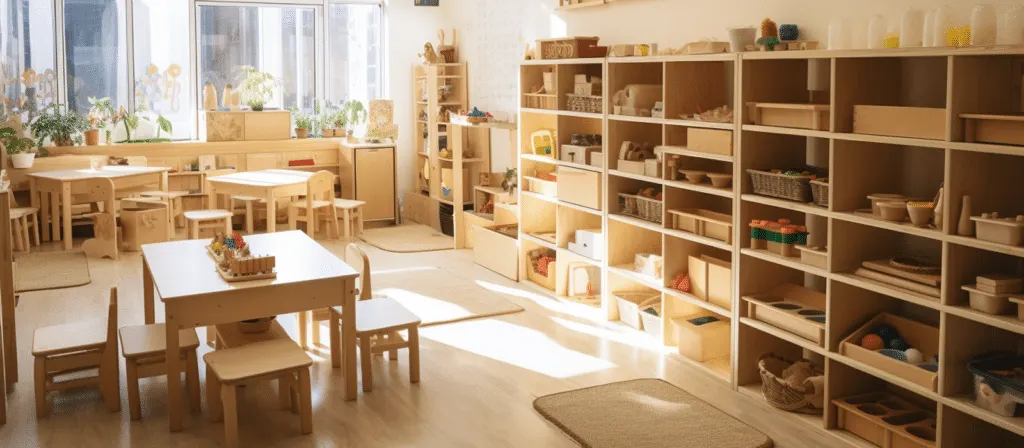
An unswerving commitment to these guidelines is pivotal. Teachers and children jointly cultivate this understanding through daily practice. Consistency reinforces the boundaries’ permanence, transforming them from abstract rules into intuitive behaviors. Daily reminders align children with these guidelines until they internalize them.
Cultivating Autonomous Exploration
Once the framework is ingrained, teachers pivot from rule enforcers to facilitators of uninterrupted exploration. An environment marked by clarity and practice grants children the autonomy to learn and play, unburdened by interruptions.
A “yes” environment doesn’t negate structure or rules. It embodies a meticulously woven fabric of guidelines that foster safety and growth. It entails empathy toward children’s developmental milestones and their diverse needs. Such an environment upholds the foundations for exploration and play, enabling teachers to unhesitatingly say “yes” to each child’s journey of discovery.

Hey, I’m Roger, the founder of Xiha Montessori, a family-run business. We specialize in preschool furniture and educational solutions.
Over the past 20 years, we have helped clients in 55 countries and 2000+ preschools, daycares, and early childcare centers create safe and inspiring learning environments.
This article shares knowledge on making education more effective and enjoyable for children.

Wooden Preschool Furniture Care Guide For Busy Classrooms
Read More »
How to Childproof a Daycare Classroom: A Practical Safety Checklist
Read More »
Daycare Cribs Buying Guide: How to Choose Safe, Practical Sleep Furniture
Read More »
Object Permanence: What Babies Learn and How Montessori Activities Support It
Read More »
Effective Preschool Classroom Rules: How to Create a Safe and Orderly Learning Environment
Read More »
How to Start a Daycare: A Practical Planning Guide
Read More » Roger Cai
Education Specialists
Hey, I’m the author of this post.
Over the past 20 years, we have helped 55 countries and 2000+ Clients, like Preschools, Daycare, and Early Childcare Centres, to create safe and inspiring learning environments.
If you need a purchase or consultation, please contact us for a free product catalog and classroom layout design.