
Exploring the Reggio Emilia Approach
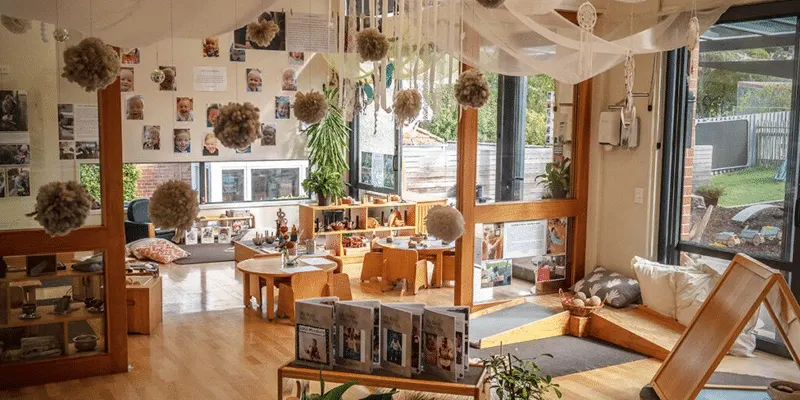
Unlocking Creativity and Collaboration in Early Childhood Education
In the realm of early childhood education, the Reggio Emilia approach stands out for its child-centered philosophy and focus on fostering creativity, exploration, and collaboration. In this comprehensive guide, we will delve into the principles and practices of the Reggio Emilia approach, providing you with a deeper understanding of its significance and how it can benefit your kindergarten or educational setting.
Understanding the Reggio Emilia Approach
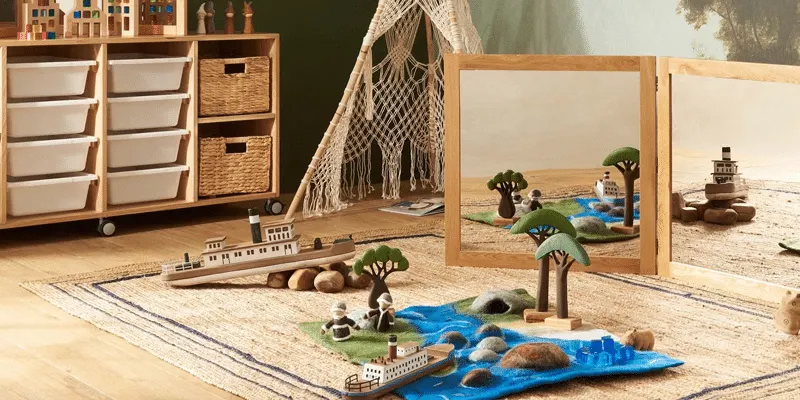
At the core of the Reggio Emilia approach lies a deep respect for the child as an active participant in their own learning journey. Originating from the town of Reggio Emilia in Italy, this approach places great importance on the environment, teachers’ roles, and the value of collaboration and documentation. By creating a rich and stimulating environment, teachers encourage children’s natural curiosity, creativity, and problem-solving skills.
Creating Inspiring Environments
A key aspect of the Reggio Emilia approach is the emphasis on designing beautiful and purposeful environments. These environments serve as a third teacher, inspiring and supporting children’s exploration and engagement. Thoughtfully organized spaces, with flexible and open-ended materials, encourage independent thinking and active participation. By considering the layout, lighting, and display of materials, educators create an environment that sparks curiosity and invites children to delve into hands-on learning experiences.
The Role of the Teacher
In the Reggio Emilia approach, teachers take on the role of facilitators and collaborators rather than mere instructors. Through careful observation and documentation, they gain insights into children’s interests and developmental progress. This knowledge allows teachers to tailor their approach, providing meaningful and individualized experiences that support children’s growth. By fostering a strong relationship with each child and their family, teachers create a collaborative learning community that nurtures holistic development.
Art and Expression
Art is viewed as a vital language for communication, expression, and exploration in the Reggio Emilia approach. Drawing, painting, sculpting, and music serve as powerful tools for children to convey their thoughts, emotions, and ideas. These artistic experiences stimulate creativity, imagination, and critical thinking, allowing children to explore various materials and techniques while developing their fine motor skills and sensory awareness.
Project-Based Learning
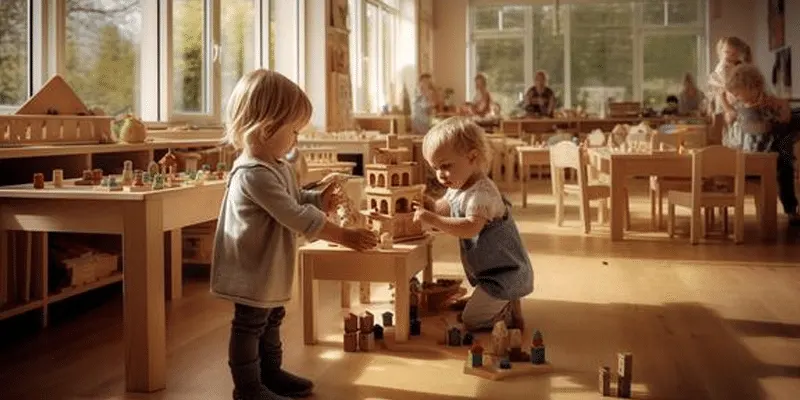
One distinctive feature of the Reggio Emilia approach is project-based learning. Children are encouraged to delve into topics of interest over extended periods, collaborating with peers and teachers to investigate, research, and create. Through project work, children develop critical thinking skills, problem-solving abilities, and a deep understanding of the subject matter. These projects provide opportunities for children to engage in meaningful, hands-on experiences, fostering their natural curiosity and promoting self-directed learning.
Documentation and Reflection
Documentation plays a pivotal role in the Reggio Emilia approach. Teachers carefully observe and document children’s learning processes, making their thinking visible through photographs, recordings, and written observations. Documentation serves as a tool for reflection, assessment, and communication between teachers, children, and parents. By sharing documentation, educators create a collaborative learning community where children, families, and teachers can reflect on and celebrate children’s growth and achievements.
The Reggio Emilia approach offers a unique and comprehensive framework for early childhood education. By embracing its principles and practices, you can create an educational environment that celebrates children’s natural curiosity, imagination, and love for learning. Through an engaging and collaborative approach, children become active participants in their own education, developing the skills and dispositions necessary for lifelong learning and success.
Unlock the potential of your kindergarten or educational setting by embracing the Reggio Emilia approach. Let us support you in creating a vibrant, child-centered learning environment where children thrive, explore, and blossom into confident and capable learners.

Hey, I’m Roger, the founder of Xiha Montessori, a family-run business. We specialize in preschool furniture and educational solutions.
Over the past 20 years, we have helped clients in 55 countries and 2000+ preschools, daycares, and early childcare centers create safe and inspiring learning environments.
This article shares knowledge on making education more effective and enjoyable for children.
Wooden Preschool Furniture Care Guide For Busy Classrooms
Read More »
How to Childproof a Daycare Classroom: A Practical Safety Checklist
Read More »
Daycare Cribs Buying Guide: How to Choose Safe, Practical Sleep Furniture
Read More »
Object Permanence: What Babies Learn and How Montessori Activities Support It
Read More »
Effective Preschool Classroom Rules: How to Create a Safe and Orderly Learning Environment
Read More »
How to Start a Daycare: A Practical Planning Guide
Read More » Roger Cai
Education Specialists
Hey, I’m the author of this post.
Over the past 20 years, we have helped 55 countries and 2000+ Clients, like Preschools, Daycare, and Early Childcare Centres, to create safe and inspiring learning environments.
If you need a purchase or consultation, please contact us for a free product catalog and classroom layout design.