
Foster Creativity
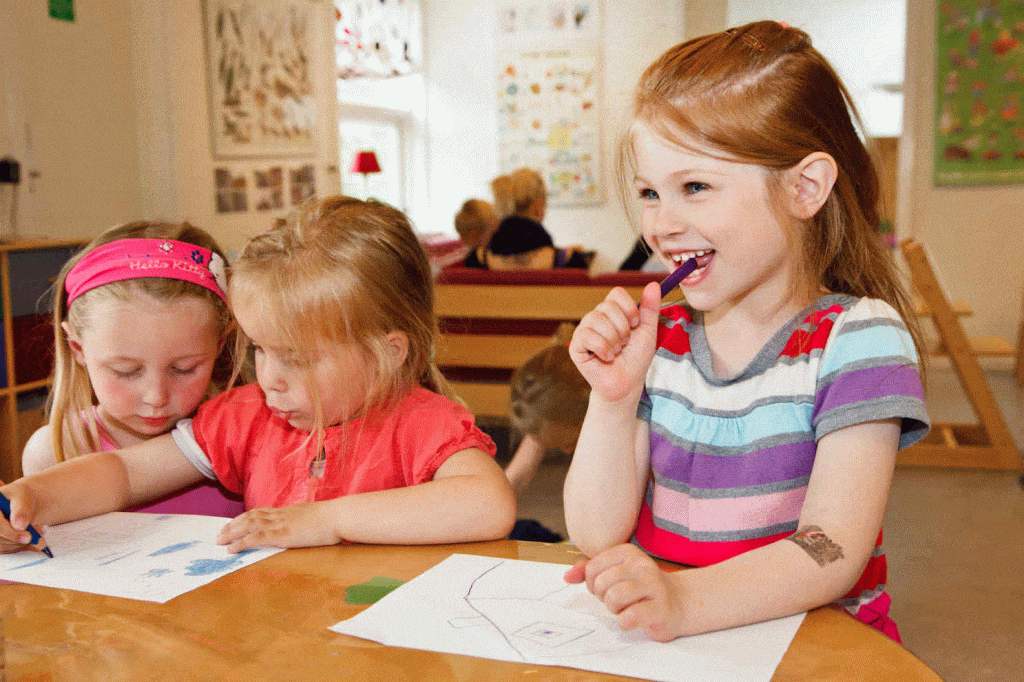
In today’s rapidly changing world, creativity is becoming an increasingly important skill in the workforce. By fostering creativity in children, we are preparing them for a brighter and more adaptable future.
By encouraging creativity, we can help children become more confident, independent thinkers who are better equipped to face the challenges of the future.
How to develop children’s creativity
Fostering Creativity in Children: Techniques and Strategies for Parents and Educators
Creativity is an essential skill for children to develop, as it enables them to think outside the box, solve problems, and express themselves in unique ways. As parents and educators, it is our responsibility to encourage and foster creativity in children.
Techniques for Fostering Creativity
- Encourage Exploration: Give children the freedom to explore and experiment with different materials, activities, and ideas.
- Provide Open-Ended Activities: Open-ended activities, such as art projects and storytelling, encourage children to think creatively and use their imagination.
- Allow for Mistakes: Encourage children to view mistakes as opportunities for learning and growth, rather than failures.
- Foster a Positive Environment: Create a supportive and positive environment where children feel safe to express themselves and their ideas.
- Model Creativity: As parents and educators, we can model creativity by being open-minded, taking risks, and trying new things.
Strategies for Fostering Creativity
- Encourage Divergent Thinking: Divergent thinking involves generating multiple ideas and solutions to a problem. Encourage children to brainstorm and come up with multiple solutions.
- Provide Time and Space for Creativity: Allow for unstructured play and downtime, as this can provide children with the opportunity to think creatively and reflect on their experiences.
- Incorporate Nature and the Outdoors: Spending time in nature can inspire creativity and foster a sense of wonder and curiosity in children.
- Emphasize Process Over Product: Focus on the process of creating, rather than the final product. Encourage children to enjoy the process and have fun with their creations.
- Support Collaboration: Collaboration can inspire creativity by providing children with the opportunity to share ideas and work together to solve problems.
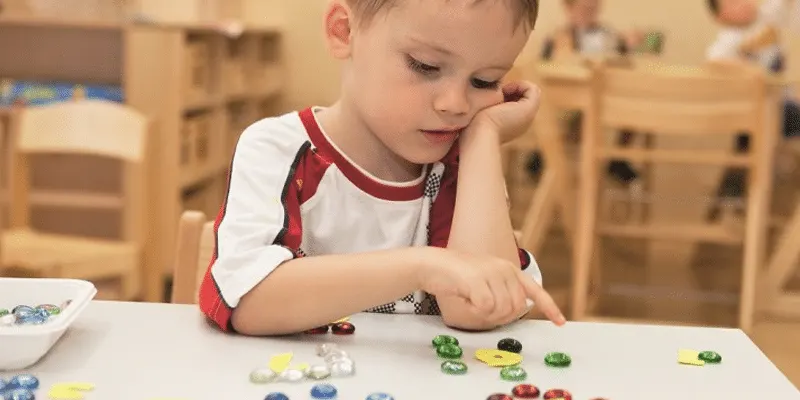
Creating an environment that fosters creativity, communication, and collaboration is essential for young children’s development. Giving children the opportunity to choose their learning experiences each day is important for keeping them engaged and interested. Learning centers and project work provide opportunities for children to make choices, problem-solve, and develop their critical thinking skills. Small group work is especially beneficial for encouraging creative thinking, as each child has a chance to influence decisions, suggest ideas, and work together to find solutions.
Including a variety of unique materials in the classroom can also encourage creativity. Novel materials, such as sparkly fabric or feather dusters, can challenge children to think creatively and discover new ways to use them in their play. Open-ended materials, such as different colored tiles, can also promote flexible thinking and problem-solving. Creative teachers can pose questions or provide supportive comments to encourage children to explore different possibilities.
Communication is another key skill for young children to develop. While they may develop their vocabulary quickly, they also need opportunities to express ideas, listen to others, and reach conclusions. Encouraging children to speak and interact with each other, through activities like building blocks or creating a mural together, can help them develop these skills. Collaboration and active listening can also refine children’s social skills and foster a positive learning environment. A quality communication and collaboration environment may be noisy with talking, disagreements, and brainstorming to find acceptable solutions.
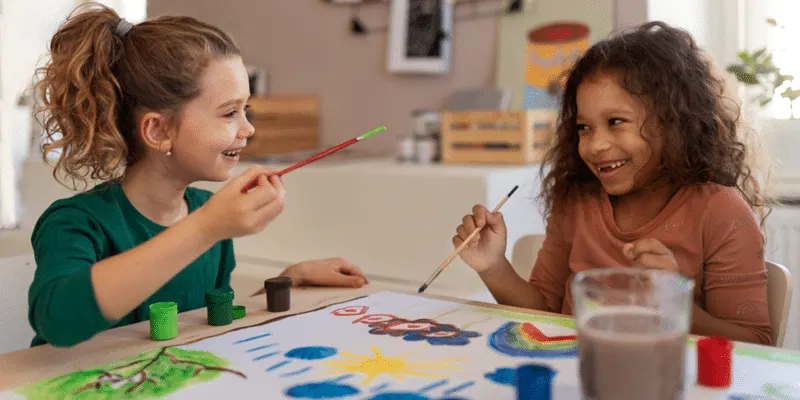
Conclusion: Fostering creativity in children is an ongoing process that requires patience, openness, and support. By providing children with the freedom to explore, creating a positive environment, and incorporating techniques and strategies for fostering creativity, parents and educators can help children develop this important skill and reach their full potential.

Hey, I’m Roger, the founder of Xiha Montessori, a family-run business. We specialize in preschool furniture and educational solutions.
Over the past 20 years, we have helped clients in 55 countries and 2000+ preschools, daycares, and early childcare centers create safe and inspiring learning environments.
This article shares knowledge on making education more effective and enjoyable for children.
Wooden Preschool Furniture Care Guide For Busy Classrooms
Read More »
How to Childproof a Daycare Classroom: A Practical Safety Checklist
Read More »
Daycare Cribs Buying Guide: How to Choose Safe, Practical Sleep Furniture
Read More »
Object Permanence: What Babies Learn and How Montessori Activities Support It
Read More »
Effective Preschool Classroom Rules: How to Create a Safe and Orderly Learning Environment
Read More »
How to Start a Daycare: A Practical Planning Guide
Read More » Roger Cai
Education Specialists
Hey, I’m the author of this post.
Over the past 20 years, we have helped 55 countries and 2000+ Clients, like Preschools, Daycare, and Early Childcare Centres, to create safe and inspiring learning environments.
If you need a purchase or consultation, please contact us for a free product catalog and classroom layout design.