
How Montessori Furniture Encourages Self-Discipline
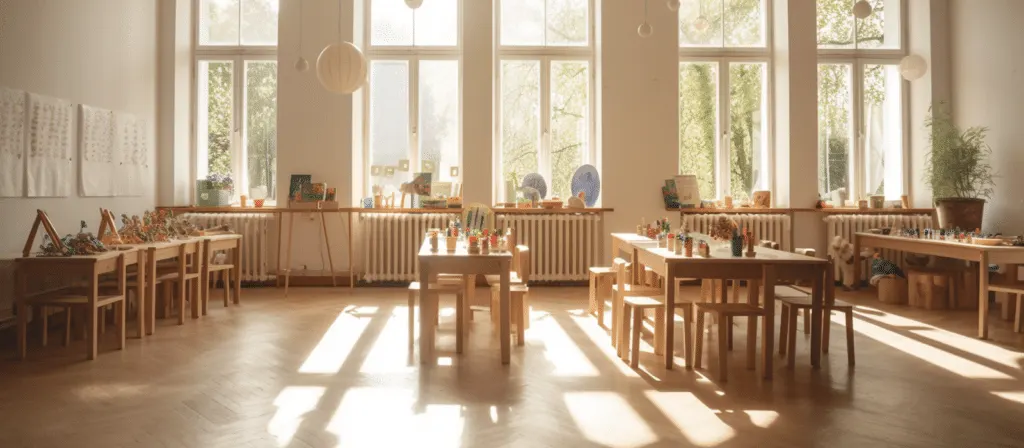
Have you ever wondered how Montessori furniture goes beyond mere aesthetics and actually plays a crucial role in fostering self-discipline in children? In this exploration, we’ll delve into the fascinating ways Montessori furniture design empowers children to develop self-discipline and independence.
Montessori Furniture Encourages Self-Discipline by aligning with the Montessori philosophy, emphasizing independence, order, and purpose in its design. These principles work together to cultivate self-discipline in young learners.
Montessori Furniture: A Brief Introduction
Montessori furniture is specifically designed to cater to the needs of children, based on the principles and teachings of Maria Montessori. It aims to provide an environment that fosters independence, creativity, and self-discipline. Each piece of Montessori furniture is carefully crafted to be child-sized, allowing children to freely explore and engage in their surroundings.
Promoting Independence
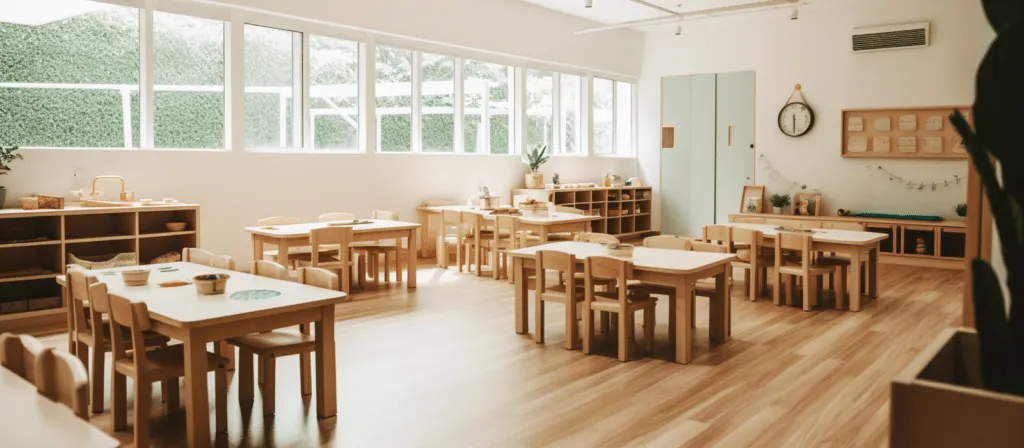
One of the key principles of Montessori education is promoting independence in children. Montessori furniture plays a crucial role in achieving this goal. By providing child-sized furniture, such as tables, chairs, and shelves, children are empowered to take charge of their own space. They can easily access and organize their belongings, fostering a sense of ownership and responsibility.
Encouraging Order and Organization
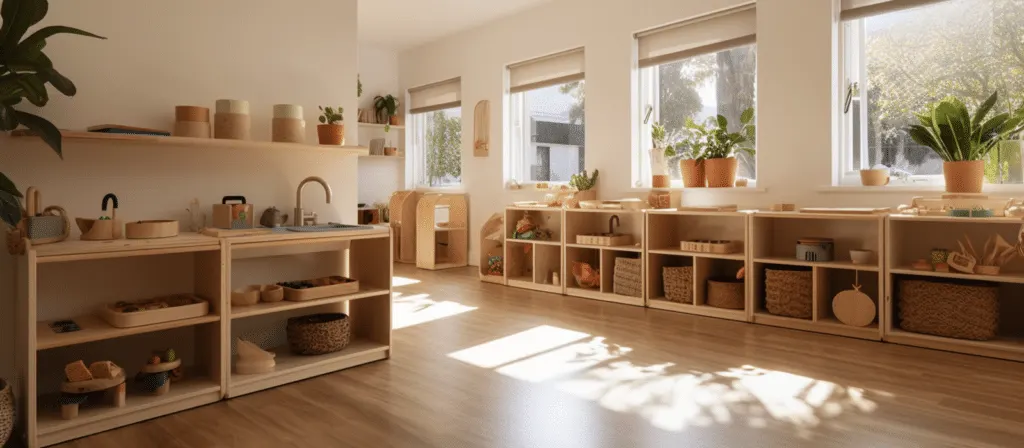
Montessori furniture is designed with the intention of promoting order and organization. Each piece of furniture has a specific purpose and place within the learning environment. For example, a Montessori shelf is divided into compartments, allowing children to neatly arrange their materials and toys. This emphasis on order helps children develop a sense of structure and discipline in their daily lives.
Creating a Sense of Purpose
Montessori furniture is carefully curated to serve a purpose beyond mere aesthetics. Each piece is intentionally designed to meet the developmental needs of children. For example, a Montessori table and chair set is created to facilitate proper posture and ergonomics, promoting healthy sitting habits. By using furniture that is purposefully designed for their needs, children develop a sense of respect and appreciation for their environment.
Encouraging Concentration and Focus
In a world filled with distractions, Montessori furniture provides a conducive environment for children to concentrate and focus on their tasks. The simplicity of the furniture allows children to eliminate unnecessary distractions and fully engage in their activities. With fewer distractions, children can develop better concentration skills and improve their ability to stay focused for longer periods of time.
Promoting Freedom of Movement
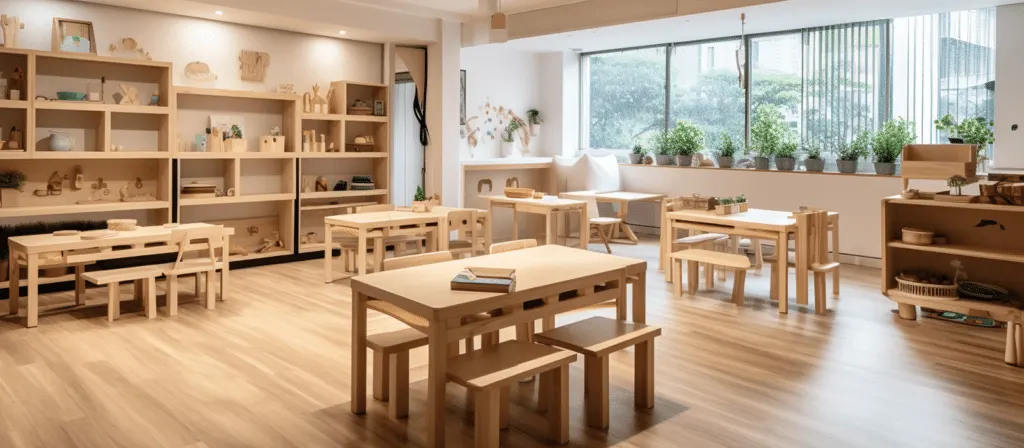
Montessori furniture is designed to allow for freedom of movement. Unlike traditional furniture, which often restricts movement, Montessori furniture encourages children to explore their environment and engage in physical activity. For example, a Montessori floor bed allows children to get in and out of bed independently, promoting a sense of autonomy and freedom.
Developing Problem-Solving Skills
Montessori furniture promotes problem-solving skills by providing children with opportunities to figure things out on their own. For example, a Montessori puzzle shelf allows children to independently solve puzzles and then put them back in their designated spots. This process not only enhances cognitive skills but also teaches children how to approach problems with patience and perseverance.
Enhancing Creativity and Imagination
Montessori furniture encourages creativity and imagination by providing an open-ended learning environment. Unlike traditional furniture, which often limits children’s creativity, Montessori furniture allows children to freely explore and create. Whether it’s building a fort with a set of Montessori building blocks or using a Montessori art table to unleash their artistic talents, children are encouraged to think outside the box and express their individuality.
Conclusion
Montessori furniture plays a significant role in fostering self-discipline in children. By promoting independence, order, purpose, concentration, freedom of movement, problem-solving skills, and creativity, Montessori furniture creates an environment that nurtures self-discipline and personal growth.
So, the next time you’re in need of furniture for your little ones, consider the wonders of Montessori-inspired furniture. It’s a choice that not only adds style to your space but also empowers your child to develop essential life skills.

Hey, I’m Roger, the founder of Xiha Montessori, a family-run business. We specialize in preschool furniture and educational solutions.
Over the past 20 years, we have helped clients in 55 countries and 2000+ preschools, daycares, and early childcare centers create safe and inspiring learning environments.
This article shares knowledge on making education more effective and enjoyable for children.

Wooden Preschool Furniture Care Guide For Busy Classrooms
Read More »
How to Childproof a Daycare Classroom: A Practical Safety Checklist
Read More »
Daycare Cribs Buying Guide: How to Choose Safe, Practical Sleep Furniture
Read More »
Object Permanence: What Babies Learn and How Montessori Activities Support It
Read More »
Effective Preschool Classroom Rules: How to Create a Safe and Orderly Learning Environment
Read More »
How to Start a Daycare: A Practical Planning Guide
Read More » Roger Cai
Education Specialists
Hey, I’m the author of this post.
Over the past 20 years, we have helped 55 countries and 2000+ Clients, like Preschools, Daycare, and Early Childcare Centres, to create safe and inspiring learning environments.
If you need a purchase or consultation, please contact us for a free product catalog and classroom layout design.