
How to Create a Multisensory Learning Space with Furniture?
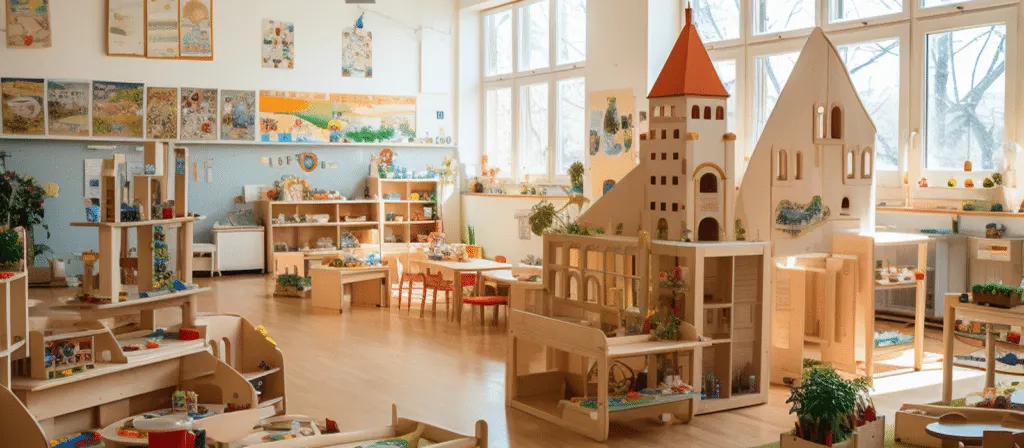
Are you looking to transform your learning environment into a dynamic and engaging space that stimulates all the senses? Whether you’re a teacher, parent, or caregiver, discover the secrets to crafting a multisensory learning space with the right furniture. Dive into this guide and unlock the potential of multisensory learning through creative furniture arrangements.
Incorporating multisensory elements into your learning space can significantly enhance the educational experience. Start by selecting furniture that caters to various senses and encourages active engagement.
Why is a multisensory learning space important?
A multisensory learning space allows learners to engage with information using multiple senses, such as sight, touch, and sound. Research has shown that multisensory learning enhances memory retention, improves focus, and boosts creativity. By incorporating furniture that appeals to different senses, we can create an environment that is conducive to effective learning.
But how exactly can furniture contribute to a multisensory learning space? Let’s dive in and explore some practical strategies.
Choosing Visual Stimulating Furniture
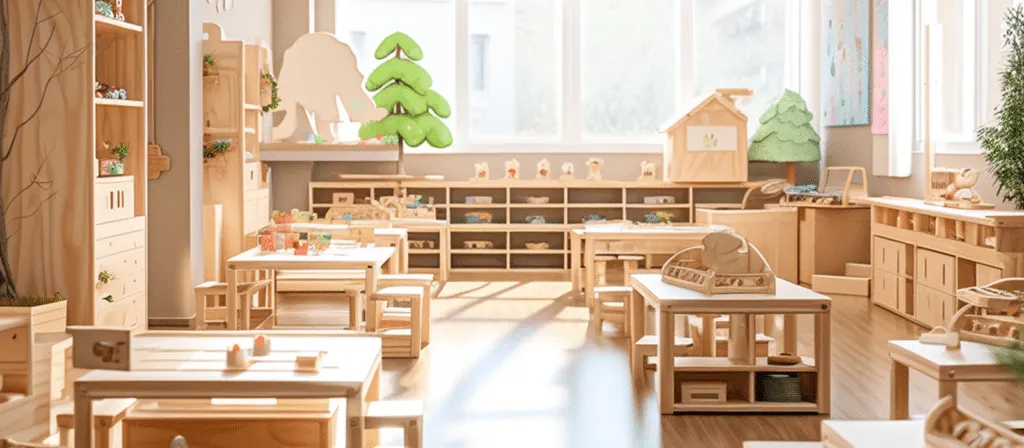
Visual stimulation plays a crucial role in capturing learners’ attention and creating an engaging learning environment. When selecting furniture, opt for designs that are visually appealing and stimulating. Look for vibrant colors, interesting shapes, and patterns that evoke curiosity and spark imagination.
Additionally, consider incorporating furniture with built-in visual features. For example, desks with transparent tabletops allow learners to see and interact with visual aids placed underneath, such as educational posters or diagrams. This not only adds an extra visual element but also promotes hands-on learning.
Incorporating Tactile Elements
Tactile stimulation is another essential aspect of multisensory learning. By incorporating furniture with tactile elements, we can create a space that encourages learners to explore and interact with their surroundings.
Look for furniture with textured surfaces or materials. Chairs with velvet upholstery or desks with a rough wood finish provide learners with tactile feedback, enhancing their sensory experience. Additionally, consider adding manipulatives, such as fidget toys or textured objects, to the learning space. These can be used during lessons to engage the sense of touch and improve focus.
Sound-Absorbing Furniture for a Calm Atmosphere
Creating a calm and focused learning environment is essential for effective learning. Excessive noise can be distracting and hinder concentration. To mitigate noise levels, choose furniture that is designed to absorb sound.
Opt for chairs and desks with built-in sound-absorbing materials. These can help reduce echo and background noise, creating a more peaceful atmosphere for learning. Additionally, consider adding sound-absorbing panels to the walls or ceiling of the learning space. These panels not only reduce noise but can also serve as a decorative element, enhancing the overall aesthetics of the space.
Flexible and Adjustable Furniture for Customization
Every learner is unique, and their learning preferences may vary. To cater to different needs, it’s essential to have furniture that is flexible and adjustable.
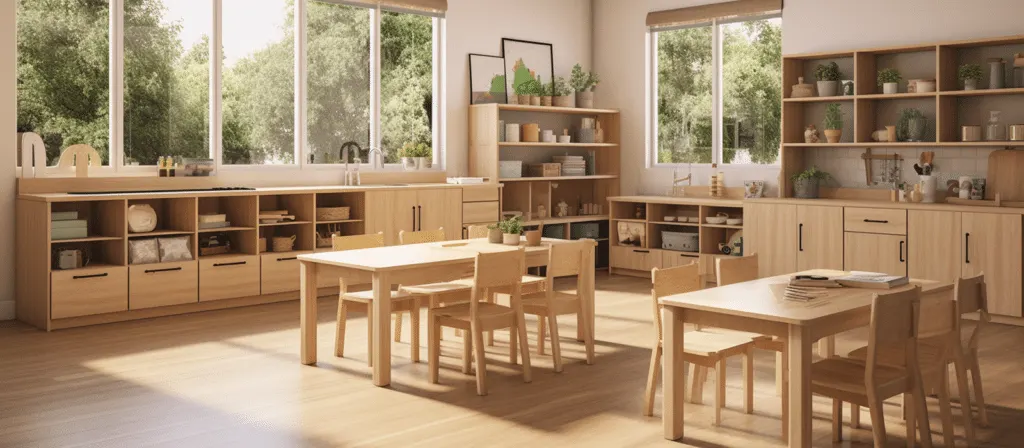
Choose desks and chairs that can be easily customized to accommodate learners of different heights and body types. Adjustable desks allow learners to sit or stand, promoting movement and reducing sedentary behavior. Flexible seating options, such as bean bags or floor cushions, provide learners with the freedom to choose a seating arrangement that suits their comfort level and learning style.
Engaging All the Senses
To create a truly immersive and multisensory learning space, it’s important to engage all the senses. Consider incorporating elements that appeal to the sense of smell and taste, in addition to sight, touch, and sound.
Create designated sensory learning stations within the space. These stations can include items like scented playdough, flavored water for taste experiments, or aromatic plants. By engaging multiple senses simultaneously, learners can deepen their understanding and create strong associations with the information being presented.
Conclusion
Creating a multisensory learning space with furniture is all about engaging learners on multiple levels. By carefully selecting furniture that appeals to different senses, we can create an environment that fosters curiosity, creativity, and effective learning. Remember to choose visually stimulating designs, incorporate tactile elements, consider sound-absorbing features, opt for flexible and adjustable furniture, and engage all the senses for a truly immersive learning experience.

Hey, I’m Roger, the founder of Xiha Montessori, a family-run business. We specialize in preschool furniture and educational solutions.
Over the past 20 years, we have helped clients in 55 countries and 2000+ preschools, daycares, and early childcare centers create safe and inspiring learning environments.
This article shares knowledge on making education more effective and enjoyable for children.

Wooden Preschool Furniture Care Guide For Busy Classrooms
Read More »
How to Childproof a Daycare Classroom: A Practical Safety Checklist
Read More »
Daycare Cribs Buying Guide: How to Choose Safe, Practical Sleep Furniture
Read More »
Object Permanence: What Babies Learn and How Montessori Activities Support It
Read More »
Effective Preschool Classroom Rules: How to Create a Safe and Orderly Learning Environment
Read More »
How to Start a Daycare: A Practical Planning Guide
Read More » Roger Cai
Education Specialists
Hey, I’m the author of this post.
Over the past 20 years, we have helped 55 countries and 2000+ Clients, like Preschools, Daycare, and Early Childcare Centres, to create safe and inspiring learning environments.
If you need a purchase or consultation, please contact us for a free product catalog and classroom layout design.