
How to Create a Sustainable Daycare Furniture Layout?
Are you looking to design a daycare that offers a safe and nurturing environment for children and promotes sustainability and eco-consciousness? Creating a sustainable daycare furniture layout is the answer. In this guide, we’ll explore the steps and strategies to help you design a space that’s eco-friendly, functional, and appealing to children and parents.
By combining eco-friendly materials, thoughtful space planning, and innovative design, you can foster a daycare environment that’s good for children and the planet.
Why is a sustainable daycare furniture layout important?
A sustainable daycare furniture layout goes beyond just arranging furniture in a visually pleasing manner. It takes into consideration factors such as safety, accessibility, and functionality. By creating a layout that promotes sustainability, we contribute to a healthier environment and instill eco-consciousness in young minds. Additionally, a well-planned layout improves the flow of activities, maximizes space utilization, and enhances the overall experience for both children and staff.
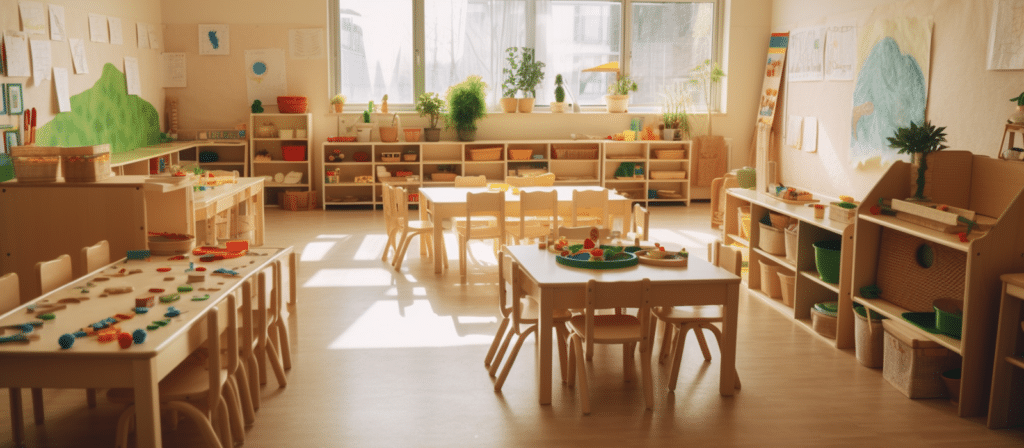
What are the key considerations for a sustainable daycare furniture layout?
- Safety First: The safety of children should be the top priority when designing a daycare furniture layout. Ensure that furniture is sturdy, free from sharp edges, and meets safety standards. Anchor heavy furniture to the wall to prevent tipping accidents.
- Age-Appropriate Arrangement: Consider the age group of the children in the daycare center and arrange the furniture accordingly. For infants, prioritize cribs and changing stations, while preschoolers may require tables and chairs for activities and crafts.
- Accessibility and Mobility: Create an environment that allows easy movement for children and caregivers. Leave ample space between furniture to prevent overcrowding and ensure wheelchair accessibility if needed.
- Natural Lighting and Ventilation: Maximize natural lighting and ventilation by placing furniture strategically near windows and ensuring unobstructed airflow. This not only reduces the need for artificial lighting and air conditioning but also promotes a healthier indoor environment.
- Sustainable Materials: Choose furniture made from sustainable and non-toxic materials. Opt for eco-friendly options such as bamboo, recycled plastic, or FSC-certified wood. Avoid furniture with harmful chemicals, such as formaldehyde or flame retardants.
- Versatility and Flexibility: Invest in furniture that can be easily adjusted or repurposed as the needs of the daycare center change. This ensures longevity and reduces the need for frequent replacements.
How can I optimize the layout for different activity areas?
- Play Areas: Designate separate play areas for different age groups, considering their developmental needs. Include age-appropriate toys, soft play structures, and comfortable seating options. Create zones for active play, quiet play, and imaginative play.
- Learning Spaces: Create dedicated areas for learning activities such as reading corners, art stations, and science exploration areas. Ensure that these spaces are well-equipped with appropriate furniture and materials.
- Rest and Nap Areas: Design cozy and comfortable spaces for children to rest and nap. Provide cribs, cots, or mats along with soft lighting and soothing music. Ensure proper supervision and maintain a quiet environment.
- Dining Areas: Allocate a space for meals and snacks. Choose child-sized tables and chairs that are easy to clean and maintain. Consider using eco-friendly and non-toxic tableware and utensils.
- Storage Solutions: Incorporate ample storage options to keep the daycare center organized. Use bins, shelves, and cubbies to store toys, books, art supplies, and personal belongings. Encourage children to participate in tidying up after activities.
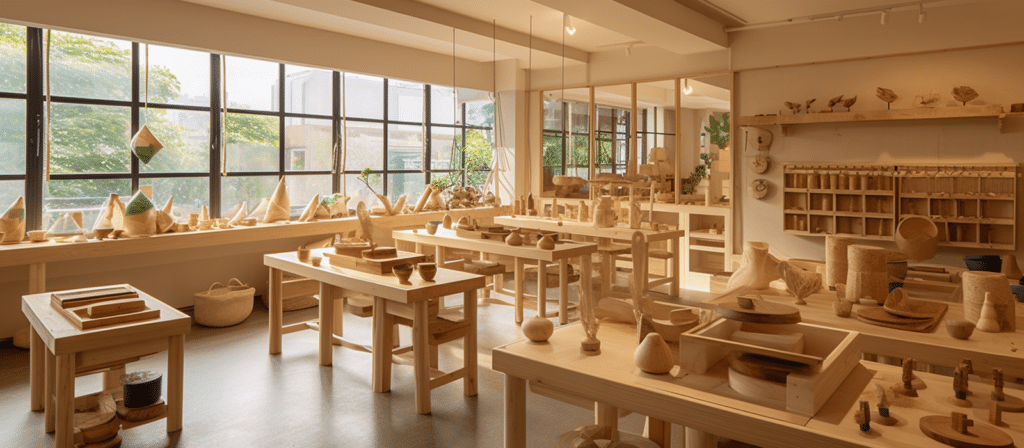
What are some additional tips for a sustainable daycare furniture layout?
- Use rugs or mats made from natural fibers to define different areas and provide a soft play surface.
- Incorporate plants and natural elements to create a calming and stimulating environment.
- Consider using open shelving to display toys and materials, encouraging children to engage in independent play and exploration.
- Involve children in the design process by seeking their input and incorporating their ideas. This fosters a sense of ownership and empowers them to care for their environment.
Conclusion
Creating a sustainable daycare furniture layout requires careful consideration of safety, functionality, and eco-consciousness. By prioritizing these aspects, we can design a space that not only meets the needs of children and caregivers but also supports a sustainable future. Remember, a well-designed daycare center is not only visually appealing but also contributes to the overall well-being and growth of the children in our care. Let’s create nurturing environments that inspire young minds and promote a love for the planet we call home.

Hey, I’m Roger, the founder of Xiha Montessori, a family-run business. We specialize in preschool furniture and educational solutions.
Over the past 20 years, we have helped clients in 55 countries and 2000+ preschools, daycares, and early childcare centers create safe and inspiring learning environments.
This article shares knowledge on making education more effective and enjoyable for children.
Wooden Preschool Furniture Care Guide For Busy Classrooms
Read More »
How to Childproof a Daycare Classroom: A Practical Safety Checklist
Read More »
Daycare Cribs Buying Guide: How to Choose Safe, Practical Sleep Furniture
Read More »
Object Permanence: What Babies Learn and How Montessori Activities Support It
Read More »
Effective Preschool Classroom Rules: How to Create a Safe and Orderly Learning Environment
Read More »
How to Start a Daycare: A Practical Planning Guide
Read More » Roger Cai
Education Specialists
Hey, I’m the author of this post.
Over the past 20 years, we have helped 55 countries and 2000+ Clients, like Preschools, Daycare, and Early Childcare Centres, to create safe and inspiring learning environments.
If you need a purchase or consultation, please contact us for a free product catalog and classroom layout design.