
Montessori Cultural Area: Furniture for Global Awareness
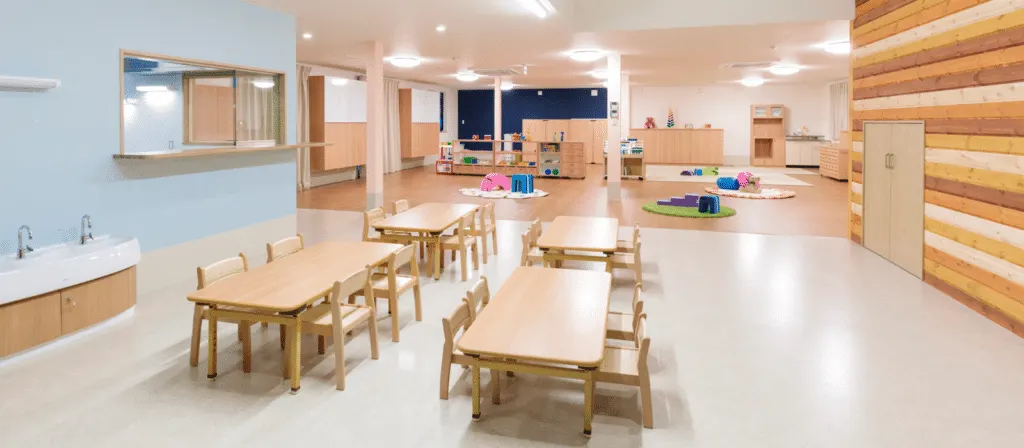
Are you familiar with the Montessori cultural area? It is a unique space within a Montessori classroom that is dedicated to fostering global awareness and understanding. This area is specifically designed to provide children with a hands-on experience of different cultures, traditions, and the natural world around them. One essential aspect of creating an effective Montessori cultural area is the selection of appropriate furniture. In this blog post, we will explore the importance of Montessori cultural area furniture for promoting global awareness and how it can enhance the learning experience for children.
Why is Montessori cultural area furniture so significant?
The furniture in a Montessori cultural area serves multiple purposes. It not only provides a comfortable and inviting space for children to explore and engage with various materials but also reflects the cultural diversity of the world. By incorporating furniture that represents different cultures and traditions, children are exposed to a broader perspective and gain an understanding and appreciation for the world’s diversity.
But how does Montessori cultural area furniture achieve this?
Montessori cultural area furniture is carefully chosen to reflect the cultural aesthetics of different regions. For example, authentic furniture pieces from various countries can be selected to create a multicultural environment. These pieces can include tables, chairs, shelves, and even rugs that are characteristic of different cultures. The presence of such furniture allows children to visually connect with different parts of the world, sparking their curiosity and encouraging exploration.
The benefits of Montessori cultural area furniture for global awareness
Cultural Appreciation: Montessori cultural area furniture enables children to learn about and appreciate different cultures. By interacting with furniture that represents diverse traditions, children develop a sense of respect and understanding for cultural differences. This early exposure fosters an inclusive mindset and teaches children to value diversity.
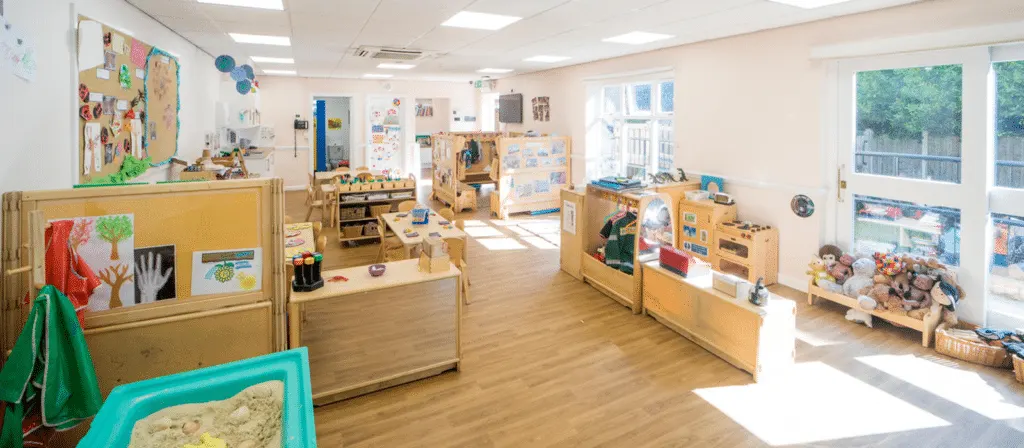
Hands-on Learning: Montessori classrooms emphasize hands-on learning experiences. By incorporating culturally diverse furniture, children can engage in practical activities related to different cultures. For example, they can set up a small tea ceremony using furniture from Japan or create a traditional meal using utensils from a specific country. These activities not only promote global awareness but also enhance fine motor skills and encourage creativity.
Language Development: Montessori cultural area furniture can be accompanied by language materials, such as books, flashcards, or labels in different languages. This integration allows children to associate the furniture with its cultural context, helping them develop early language skills and vocabulary. By learning the names of furniture pieces in different languages, children expand their linguistic abilities while also gaining cultural knowledge.
Environmental Consciousness: Montessori education emphasizes environmental awareness. By incorporating sustainable and eco-friendly furniture options in the cultural area, children can learn about the importance of responsible consumption and the impact of our choices on the environment. Using materials like bamboo or recycled wood for furniture not only aligns with Montessori principles but also teaches children to be mindful of their ecological footprint.
How to select the right Montessori cultural area furniture
When choosing furniture for a Montessori cultural area, it is essential to consider the following factors:
Authenticity:
Opt for furniture that accurately represents the cultural aesthetics of different regions. Seek out pieces that are authentic and reflective of the cultures they represent. This authenticity enhances the learning experience for children and ensures a genuine appreciation for different traditions.
Durability:
Montessori classrooms are designed to withstand the active engagement of children. Choose furniture that is durable, safe, and able to withstand daily use. This way, children can freely explore and interact with the furniture without any concerns about damage or safety hazards.
Versatility:
Select furniture that is versatile and adaptable to different cultural activities and learning experiences. Look for pieces that can be easily rearranged or repurposed to accommodate various cultural explorations and allow for flexibility in the learning environment.
Comfort:
Comfort is key when it comes to furniture selection. Ensure that the furniture provides a comfortable and inviting space for children to engage in activities. Consider factors such as height, cushioning, and ergonomic design to create a welcoming environment that encourages exploration and learning.
Conclusion
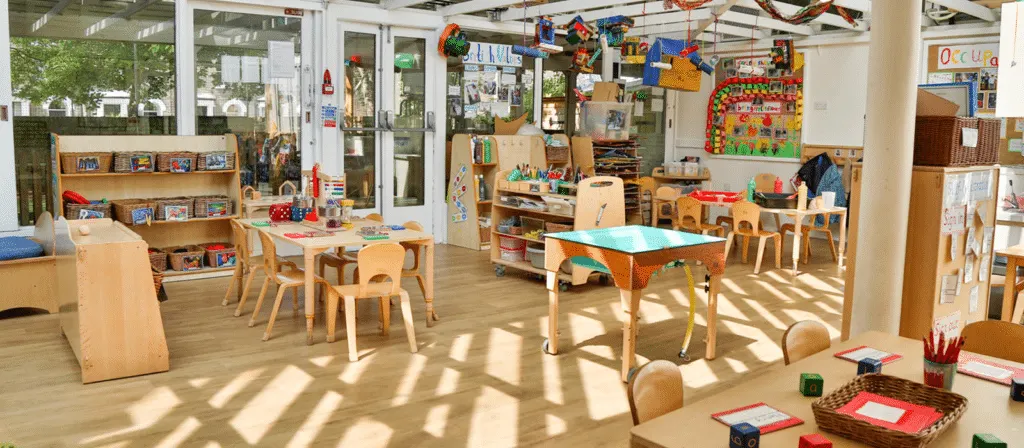
Montessori cultural area furniture plays a crucial role in promoting global awareness and understanding among children. By carefully selecting furniture that reflects different cultures and traditions, children are exposed to a diverse and inclusive learning environment. This exposure fosters cultural appreciation, hands-on learning experiences, language development, and environmental consciousness. By incorporating Montessori cultural area furniture, educators can create an enriching space that encourages children to explore, engage, and develop a global perspective from an early age.

Hey, I’m Roger, the founder of Xiha Montessori, a family-run business. We specialize in preschool furniture and educational solutions.
Over the past 20 years, we have helped clients in 55 countries and 2000+ preschools, daycares, and early childcare centers create safe and inspiring learning environments.
This article shares knowledge on making education more effective and enjoyable for children.

Wooden Preschool Furniture Care Guide For Busy Classrooms
Read More »
How to Childproof a Daycare Classroom: A Practical Safety Checklist
Read More »
Daycare Cribs Buying Guide: How to Choose Safe, Practical Sleep Furniture
Read More »
Object Permanence: What Babies Learn and How Montessori Activities Support It
Read More »
Effective Preschool Classroom Rules: How to Create a Safe and Orderly Learning Environment
Read More »
How to Start a Daycare: A Practical Planning Guide
Read More » Roger Cai
Education Specialists
Hey, I’m the author of this post.
Over the past 20 years, we have helped 55 countries and 2000+ Clients, like Preschools, Daycare, and Early Childcare Centres, to create safe and inspiring learning environments.
If you need a purchase or consultation, please contact us for a free product catalog and classroom layout design.