
Montessori Furniture for Math and Numeracy Skills Development
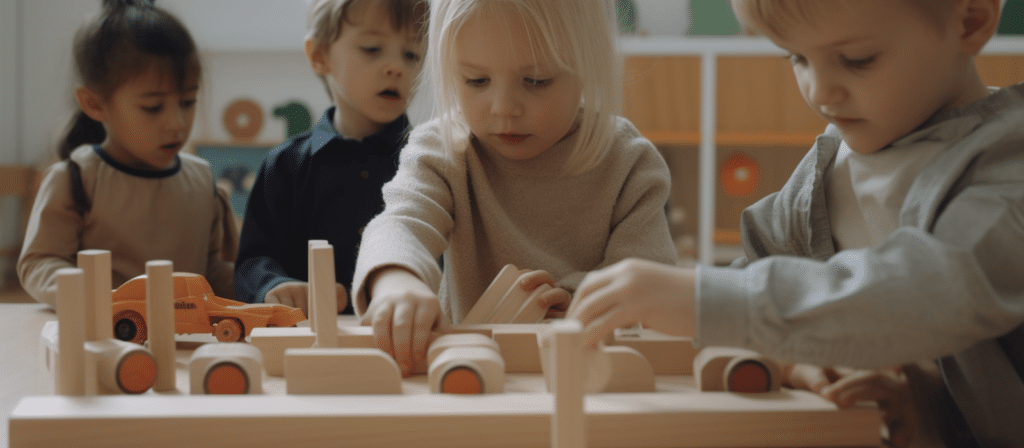
Are you curious about how Montessori furniture can play a pivotal role in nurturing math and numeracy skills in young learners? Join us on an exploration of Montessori furniture designed to ignite mathematical thinking, foster problem-solving abilities, and lay the foundation for a lifelong love of numbers.
Montessori education is known for its hands-on approach and emphasis on independent learning. By incorporating specially designed furniture, we can create a conducive environment for children to explore and understand mathematical concepts. Join me as I delve into the world of Montessori furniture and its role in promoting math and numeracy skills development.
Why is Montessori furniture important for math and numeracy skills?
Montessori furniture is specifically designed to promote hands-on learning and independent exploration. It encourages children to engage with their environment and develop their cognitive abilities. When it comes to math and numeracy skills, Montessori furniture provides the perfect platform for children to learn and grow. From number puzzles to counting beads, these furniture pieces not only make learning fun but also facilitate a deeper understanding of mathematical concepts.
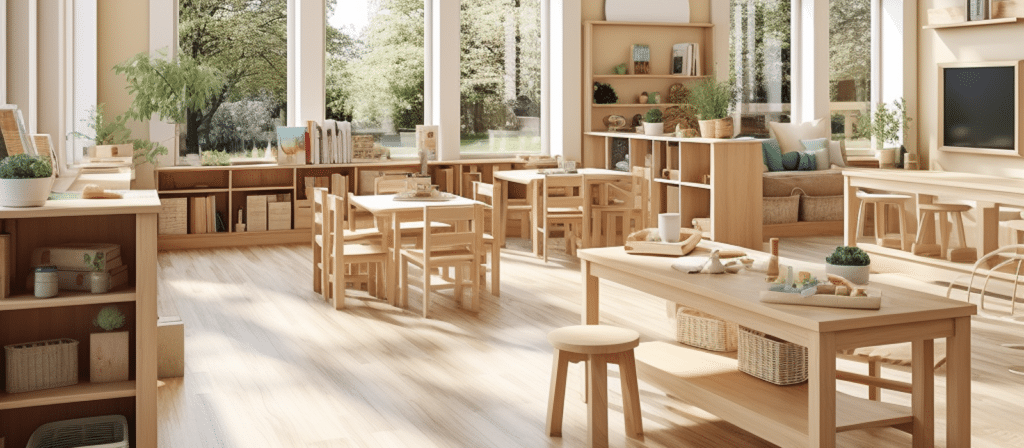
Did you know that the height of a table or chair can impact a child’s ability to focus and engage in math activities?
Research has shown that when children are comfortable and have furniture that is proportionate to their size, they are more likely to stay engaged and actively participate in learning. This is why Montessori furniture is carefully crafted to meet the specific needs of young learners.
Montessori furniture for math and numeracy skills development includes various elements that facilitate hands-on learning. One such example is the use of manipulative materials. These materials are designed to be visually appealing and encourage children to interact with them. From counting beads to number rods, these manipulatives provide a tangible representation of abstract mathematical concepts. Children can touch, move, and manipulate the materials, allowing them to develop a concrete understanding of numbers, quantities, and basic operations.
Another important aspect of Montessori furniture is the mathematics shelf. This shelf is specifically dedicated to storing math materials, keeping them organized and easily accessible to children. By having a designated space for math activities, children develop a sense of order and responsibility. They learn to choose materials independently and return them to their proper place after use. This promotes a sense of ownership and accountability, which are valuable skills for life.
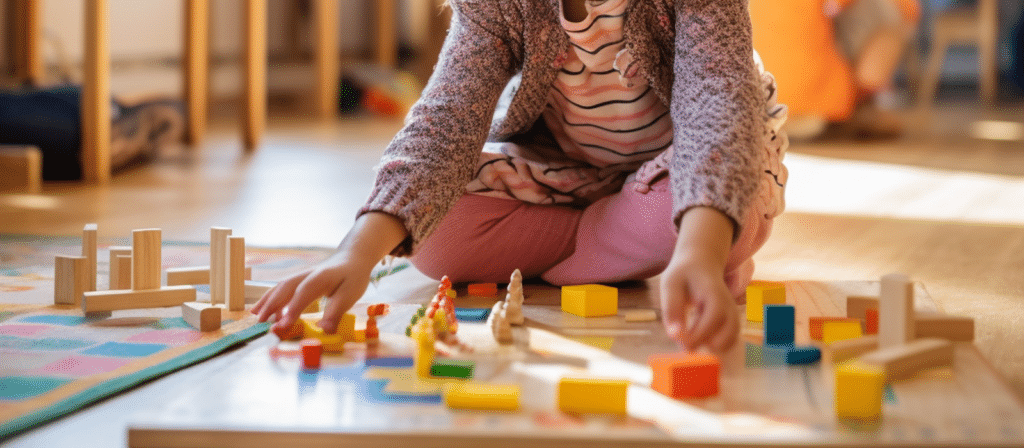
Montessori furniture also includes work tables that are suitable for individual or group activities. These tables are typically low to the ground, allowing children to comfortably sit on the floor while working. The open design of the tables promotes collaboration and social interaction among children. They can work together on math puzzles, games, or other activities, fostering a sense of teamwork and cooperation.
In addition to furniture, another key component of Montessori math education is the use of real-life examples. Montessori classrooms often incorporate everyday objects, such as fruits, vegetables, or toys, to teach mathematical concepts. For example, children can learn about addition and subtraction by counting and manipulating apples or connecting blocks. This hands-on approach helps children make connections between abstract math concepts and their real-world applications.
How does Montessori furniture promote math and numeracy skills development?
Montessori furniture plays a crucial role in supporting math and numeracy skills development in several ways:
- Independence: Child-sized furniture enables children to choose and use materials independently, promoting self-directed learning.
- Comfort and Concentration: Properly sized furniture ensures children are comfortable and minimizes distractions, allowing them to focus on math activities for longer periods.
- Manipulative Materials: Montessori furniture provides a dedicated space for storing manipulative materials, encouraging hands-on exploration and understanding of mathematical concepts.
- Collaboration: Low work tables promote collaboration and social interaction among children, fostering teamwork and cooperation.
- Real-Life Connections: Montessori furniture allows for the use of real-life examples, helping children understand the practical applications of math in their daily lives.
By incorporating Montessori furniture into learning spaces, whether at school or at home, we create an environment that supports and enhances math and numeracy skills development in children.
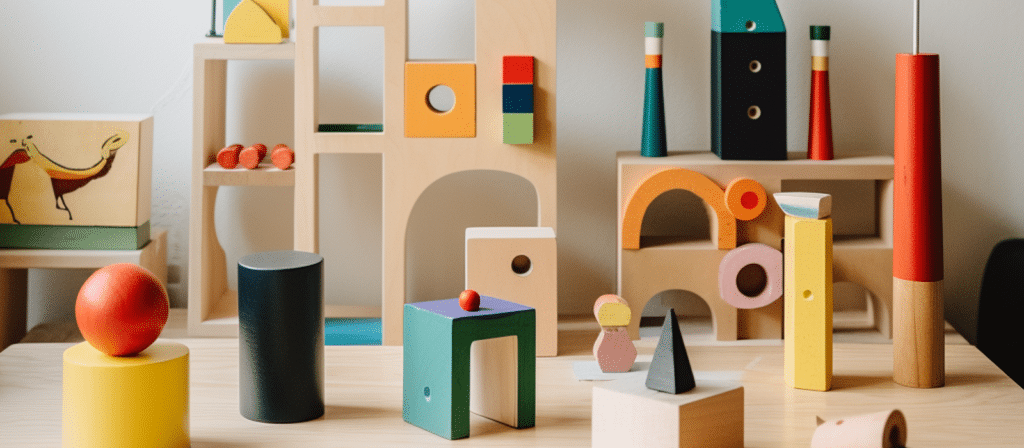
What are some examples of Montessori furniture for math and numeracy skills?
There are various types of Montessori furniture specifically designed to enhance math and numeracy skills. Here are a few examples:
- Number Puzzles: These puzzles consist of wooden or plastic pieces that children can arrange to form numbers. They help develop number recognition and counting skills.
- Bead Frames: Bead frames are a staple in Montessori classrooms. They consist of rows of beads that children can slide to perform addition, subtraction, and multiplication operations.
- Shape Sorters: Shape sorters are not just for developing fine motor skills; they also help children understand geometric shapes and spatial reasoning.
- Fraction Boards: Fraction boards provide a hands-on way for children to grasp the concept of fractions by manipulating different-sized pieces.
Conclusion
Montessori furniture plays a crucial role in the development of math and numeracy skills in children. By providing hands-on, interactive learning experiences, these furniture pieces help children grasp mathematical concepts in a fun and engaging way. Whether it’s counting beads, arranging numbers, or exploring geometric shapes, Montessori furniture offers a unique learning environment that fosters a love for math and numeracy. So why not give your child the gift of Montessori furniture and watch their mathematical abilities flourish?

Hey, I’m Roger, the founder of Xiha Montessori, a family-run business. We specialize in preschool furniture and educational solutions.
Over the past 20 years, we have helped clients in 55 countries and 2000+ preschools, daycares, and early childcare centers create safe and inspiring learning environments.
This article shares knowledge on making education more effective and enjoyable for children.
Wooden Preschool Furniture Care Guide For Busy Classrooms
Read More »
How to Childproof a Daycare Classroom: A Practical Safety Checklist
Read More »
Daycare Cribs Buying Guide: How to Choose Safe, Practical Sleep Furniture
Read More »
Object Permanence: What Babies Learn and How Montessori Activities Support It
Read More »
Effective Preschool Classroom Rules: How to Create a Safe and Orderly Learning Environment
Read More »
How to Start a Daycare: A Practical Planning Guide
Read More » Roger Cai
Education Specialists
Hey, I’m the author of this post.
Over the past 20 years, we have helped 55 countries and 2000+ Clients, like Preschools, Daycare, and Early Childcare Centres, to create safe and inspiring learning environments.
If you need a purchase or consultation, please contact us for a free product catalog and classroom layout design.