
Montessori Furniture for Music and Movement Education
Are you curious about how Montessori furniture can transform the way children experience music and movement education? In this article, we’ll explore the exciting world of Montessori-inspired furniture designed to enhance the learning experience in these vital areas.
Montessori Furniture for Music and Movement Education is designed with a deep understanding of how children learn and develop through sensory experiences, movement, and self-expression. These purpose-built pieces of furniture are not just functional; they are essential tools that facilitate holistic learning.
What is Montessori furniture and why is it important?
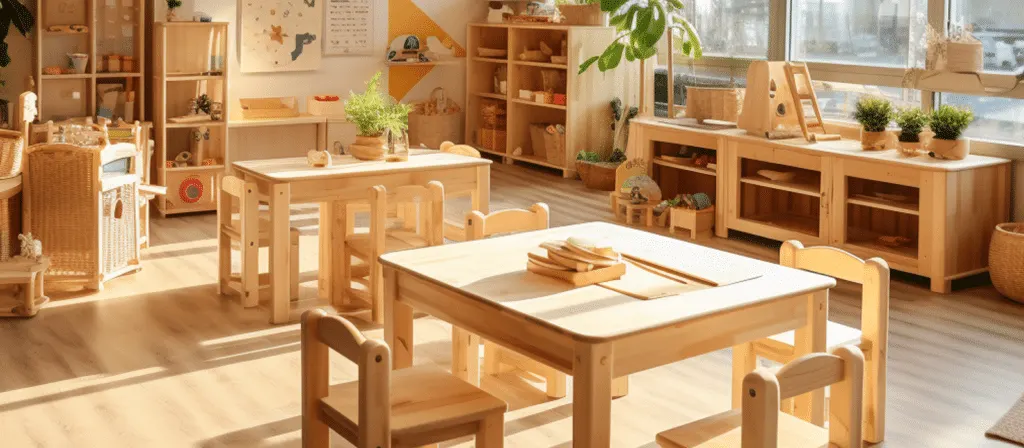
Montessori furniture refers to furniture that is specifically designed to meet the needs of children in a Montessori environment. It is child-sized, aesthetically pleasing, and promotes exploration, independence, and concentration. In music and movement education, having the right furniture can make a significant difference in a child’s learning experience.
How does Montessori furniture enhance music education?
In music education, it is crucial to create an environment that encourages exploration and creativity. Montessori furniture plays a vital role in achieving this. For example, a small, child-sized table and chair set allows children to comfortably engage in activities such as playing musical instruments, writing songs, or even conducting their own mini-orchestra. The furniture’s size and design empower children to take ownership of their learning journey.
What about movement education?
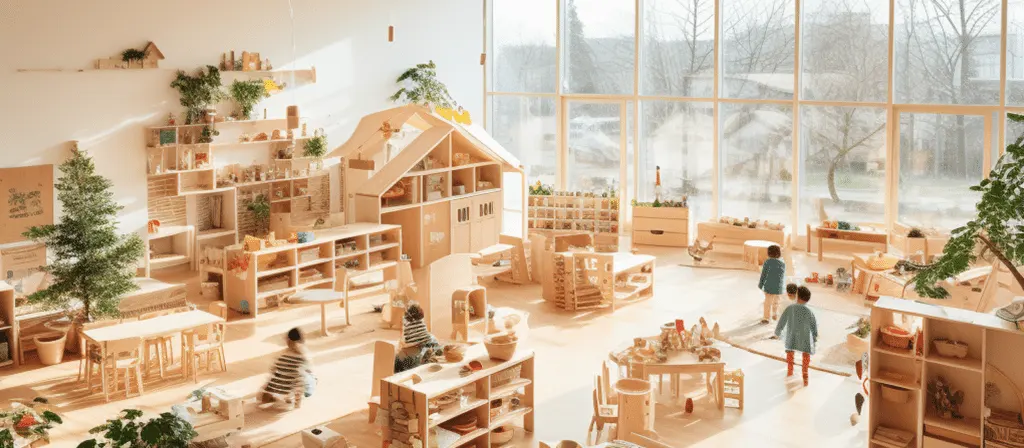
Movement education is an essential aspect of a child’s development. It helps improve coordination, balance, and gross motor skills. Montessori furniture designed for movement education includes items like climbing structures, balance beams, and exercise balls. These pieces of furniture not only provide opportunities for physical activity but also promote problem-solving skills, spatial awareness, and creativity.
How can Montessori furniture be integrated into the classroom?
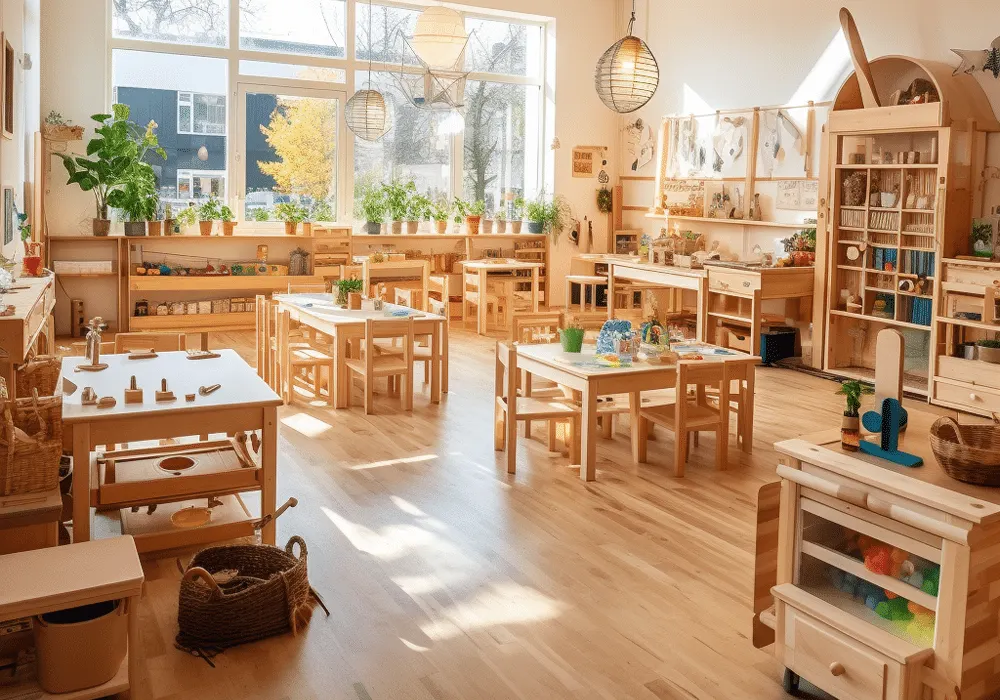
Integrating Montessori furniture into the classroom requires thoughtful planning and consideration. Here are a few ideas on how to incorporate it effectively:
- Flexible Seating Options: Provide a variety of seating options, such as bean bags, floor cushions, and stools, to cater to different learning preferences and styles. This allows children to choose a seating arrangement that best suits their needs, promoting comfort and focus.
- Music Workstations: Create dedicated workstations equipped with child-sized instruments like xylophones, drums, and keyboards. Arrange the furniture in a way that encourages collaboration and group activities, fostering a sense of community and shared learning.
- Movement Zones: Designate specific areas in the classroom for movement activities. Install climbing structures, balance boards, and mats to encourage physical exploration and play. These zones can also be used for group games and activities that promote teamwork and cooperation.
What are the benefits of using Montessori furniture for music and movement education?
The benefits of incorporating Montessori furniture into music and movement education are numerous:
- Engagement and Focus: Montessori furniture creates an inviting and child-centered environment, promoting engagement and focus during music and movement activities.
- Independence and Confidence: Child-sized furniture empowers children to take control of their learning journey, fostering independence and building confidence.
- Creativity and Exploration: Montessori furniture provides opportunities for creative expression and exploration, allowing children to discover their musical and physical abilities.
- Collaboration and Social Skills: Furniture arrangements that encourage collaboration promote teamwork and the development of essential social skills.
- Physical Development: Movement furniture like climbing structures and balance beams support gross motor skill development, coordination, and body awareness.
- Aesthetics: Montessori furniture is aesthetically pleasing, creating an inviting and inspiring learning environment that appeals to children’s senses.
In conclusion
Montessori furniture plays a crucial role in enhancing music and movement education. By providing child-centered, aesthetically pleasing, and purpose-built furniture, we can create an environment that fosters creativity, independence, and engagement. Incorporating Montessori furniture into the classroom allows children to explore their musical and physical abilities, promoting holistic development and a lifelong love for music and movement.

Hey, I’m Roger, the founder of Xiha Montessori, a family-run business. We specialize in preschool furniture and educational solutions.
Over the past 20 years, we have helped clients in 55 countries and 2000+ preschools, daycares, and early childcare centers create safe and inspiring learning environments.
This article shares knowledge on making education more effective and enjoyable for children.
Wooden Preschool Furniture Care Guide For Busy Classrooms
Read More »
How to Childproof a Daycare Classroom: A Practical Safety Checklist
Read More »
Daycare Cribs Buying Guide: How to Choose Safe, Practical Sleep Furniture
Read More »
Object Permanence: What Babies Learn and How Montessori Activities Support It
Read More »
Effective Preschool Classroom Rules: How to Create a Safe and Orderly Learning Environment
Read More »
How to Start a Daycare: A Practical Planning Guide
Read More » Roger Cai
Education Specialists
Hey, I’m the author of this post.
Over the past 20 years, we have helped 55 countries and 2000+ Clients, like Preschools, Daycare, and Early Childcare Centres, to create safe and inspiring learning environments.
If you need a purchase or consultation, please contact us for a free product catalog and classroom layout design.