
Montessori Mathematics Area Furniture for Hands on Learning
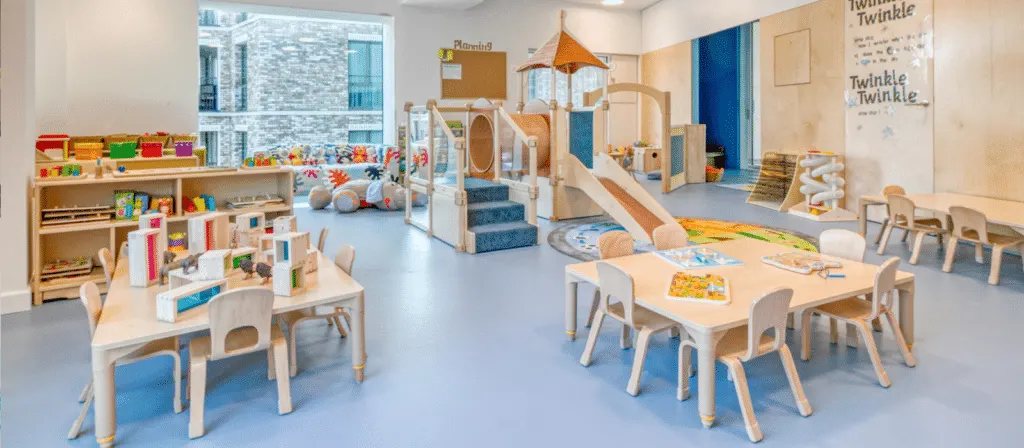
Have you ever wondered what kind of furniture is used in a Montessori classroom to teach math concepts to young children? As a Montessori teacher and business owner, I can tell you that the right furniture plays a crucial role in creating a hands-on learning environment for children to develop their mathematical skills. In this blog post, I will explain the importance of Montessori mathematics area furniture and why it is worth the investment.
What is the Montessori Mathematics Area?
The Montessori Mathematics Area is a dedicated space within the classroom where children can engage in a range of mathematical activities. The area is designed to help children explore and understand mathematical concepts through hands-on learning. Montessori Mathematics Area furniture plays a crucial role in facilitating this type of learning.
One of the key features of Montessori mathematics area furniture is its adaptability. The furniture is designed to be modular, which means that it can be arranged in different configurations to suit the needs of individual children or groups of children. This adaptability makes it easy for teachers to tailor their lessons to the needs of each child, which is an important aspect of the Montessori approach.
Another important feature of Montessori mathematics area furniture is its emphasis on hands-on learning. The furniture is designed to be used as a tool for children to explore mathematical concepts through touch and manipulation. For example, the Montessori golden beads, which are used to teach place value, are arranged on a special shelf that is designed to make it easy for children to access and manipulate the beads.
In addition to the golden beads, Montessori mathematics area furniture includes a variety of other materials that are used to teach different mathematical concepts. For example, the Montessori spindle box is used to teach children about the concept of zero, while the Montessori number rods are used to teach children about length and measurement.
Montessori mathematics area furniture is also designed to encourage independence and self-directed learning. The furniture is arranged in a way that makes it easy for children to access the materials they need, and the materials themselves are designed to be self-correcting, which allows children to learn from their mistakes without the need for constant adult intervention.
Why is hands-on learning important?
Hands-on learning is a proven method of learning for young children. It allows children to engage with materials and concepts in a more meaningful and memorable way. When children use their hands to manipulate materials and engage with concepts, they are more likely to retain the information and develop a deeper understanding of the subject matter. In the context of mathematics, hands-on learning can help children develop a strong foundation in mathematical concepts and prepare them for more advanced mathematical concepts in the future.
What types of furniture are used in the Montessori Mathematics Area?
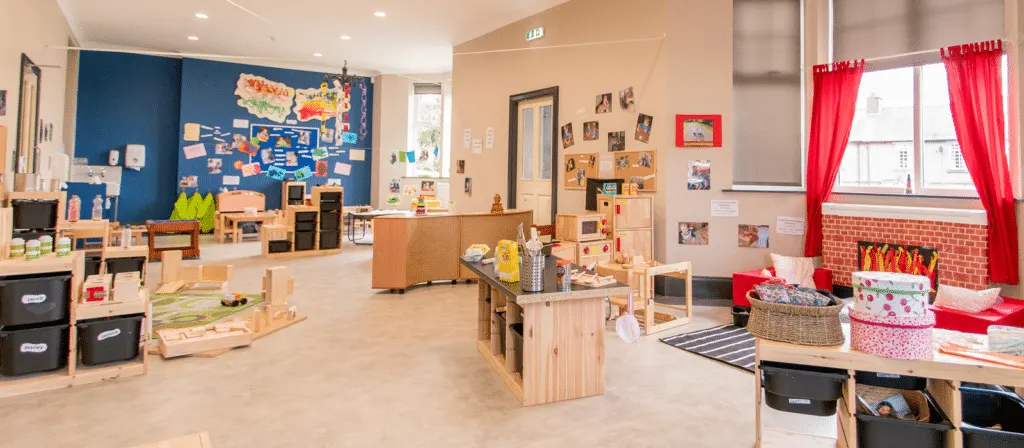
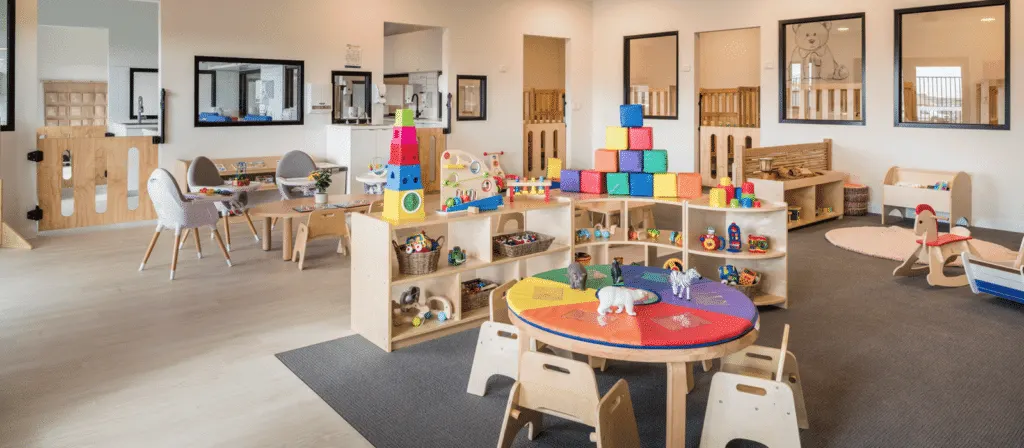
The Montessori Mathematics Area is equipped with a range of furniture designed to facilitate hands-on learning. Some of the most common types of furniture include:
Tables: Tables are used to provide children with a dedicated workspace for mathematical activities. They are typically low to the ground and designed to be easily accessible for children.
Shelves: Shelves are used to store and organize mathematical materials and activities. They are typically open so that children can easily see and access the materials they need.
Mats: Mats are used to define workspaces and provide children with a designated area for activities. They are typically made of soft, durable materials that can withstand frequent use.
How does Montessori Mathematics Area furniture facilitate hands-on learning?
Montessori Mathematics Area furniture is specifically designed to facilitate hands-on learning. Tables are low to the ground so that children can easily access materials and work comfortably. Shelves are open so that children can easily see and access materials. Mats define workspaces and provide children with a designated area for activities. All of these elements work together to create an environment that is conducive to hands-on learning.
In addition to the design of the furniture itself, the materials used in the Montessori Mathematics Area are also carefully selected to facilitate hands-on learning. For example, the use of concrete materials allows children to explore mathematical concepts through touch and manipulation. This type of hands-on learning is essential for young children and helps them to develop a deeper understanding of mathematical concepts.
What are the benefits of hands-on learning in the Montessori Mathematics Area?
Hands-on learning in the Montessori Mathematics Area has a range of benefits for children. Some of the most significant benefits include:
Improved understanding of mathematical concepts: Hands-on learning allows children to explore mathematical concepts in a more meaningful and memorable way. This type of learning can help children develop a deeper understanding of mathematical concepts and prepare them for more advanced mathematical concepts in the future.
Increased engagement: Hands-on learning is more engaging for young children than traditional forms of learning. When children are actively engaged in their learning, they are more likely to retain information and develop a love of learning.
Improved problem-solving skills: When children engage in hands-on learning, they are forced to think critically and problem-solve. This type of learning can help children develop important problem-solving skills that will serve them well throughout their lives.
In conclusion, Montessori Mathematics Area furniture plays a crucial role in facilitating hands-on learning in the Montessori Mathematics Area. Tables, shelves, and mats are designed to create an environment that is conducive to hands-on learning, while the use of concrete materials allows children to explore mathematical concepts through touch and manipulation. Hands-on learning has a range of benefits for children, including improved understanding of mathematical concepts, increased engagement, and improved problem-solving skills. By providing children with the opportunity to engage in hands-on learning, we can help them develop a strong foundation in mathematics and prepare them for success in the future.

Hey, I’m Roger, the founder of Xiha Montessori, a family-run business. We specialize in preschool furniture and educational solutions.
Over the past 20 years, we have helped clients in 55 countries and 2000+ preschools, daycares, and early childcare centers create safe and inspiring learning environments.
This article shares knowledge on making education more effective and enjoyable for children.
Wooden Preschool Furniture Care Guide For Busy Classrooms
Read More »
How to Childproof a Daycare Classroom: A Practical Safety Checklist
Read More »
Daycare Cribs Buying Guide: How to Choose Safe, Practical Sleep Furniture
Read More »
Object Permanence: What Babies Learn and How Montessori Activities Support It
Read More »
Effective Preschool Classroom Rules: How to Create a Safe and Orderly Learning Environment
Read More »
How to Start a Daycare: A Practical Planning Guide
Read More » Roger Cai
Education Specialists
Hey, I’m the author of this post.
Over the past 20 years, we have helped 55 countries and 2000+ Clients, like Preschools, Daycare, and Early Childcare Centres, to create safe and inspiring learning environments.
If you need a purchase or consultation, please contact us for a free product catalog and classroom layout design.