
Montessori vs. Waldorf Furniture: Comparing Educational Philosophies

Are you torn between Montessori and Waldorf educational philosophies and wondering how their furniture choices impact learning environments? Join us on a journey to compare and contrast these two distinct educational approaches through the lens of furniture design. Let’s explore how Montessori and Waldorf furniture reflect their unique educational philosophies and their implications on children’s development.
Montessori vs. Waldorf Furniture: Comparing Educational Philosophies delves into the fundamental differences in furniture design between Montessori and Waldorf educational settings. By understanding the principles that underlie their furniture choices, we can gain insights into their respective approaches to education.
What is Montessori Furniture?
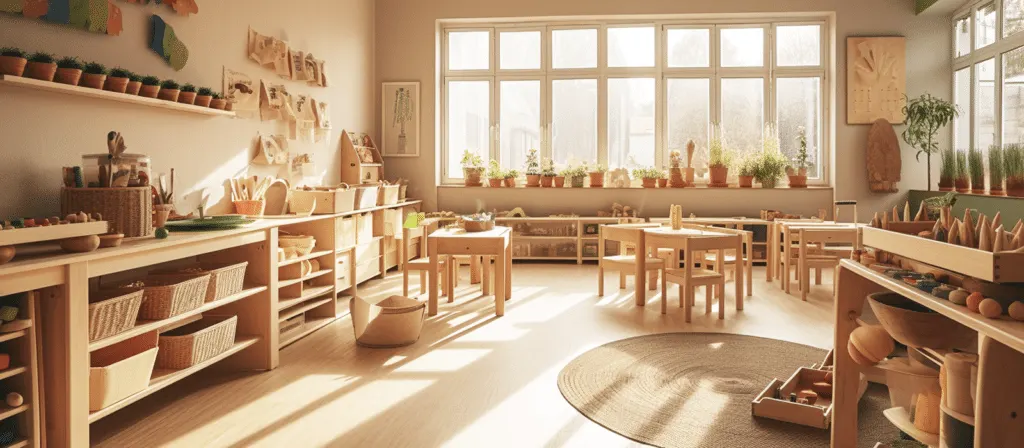
Montessori education, developed by Dr. Maria Montessori, emphasizes independence, self-directed learning, and hands-on experiences. Montessori furniture is specifically designed to foster these principles. It is characterized by its simplicity, functionality, and child-sized proportions. Montessori classrooms typically feature low tables and chairs that allow children to comfortably engage in activities at their own pace. The furniture is often made from natural materials such as wood, promoting a connection with nature and a sense of calmness in the learning environment.
Montessori furniture encourages children to take ownership of their learning journey. It empowers them to independently choose their activities and materials, promoting self-discipline and a sense of responsibility. The open layout of Montessori classrooms allows children to move freely and explore different learning areas, fostering a sense of autonomy and creativity.
What is Waldorf Furniture?
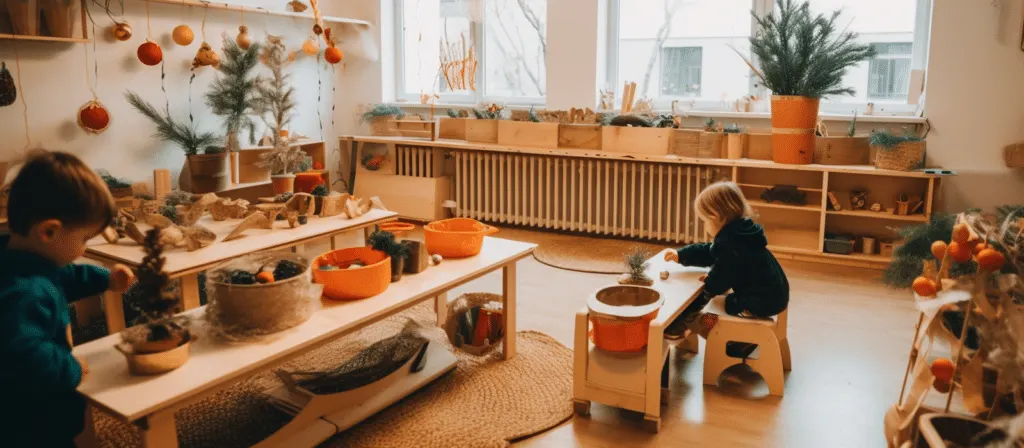
Waldorf education, inspired by the teachings of Rudolf Steiner, focuses on holistic development and nurturing the different aspects of a child’s being – body, mind, and spirit. Waldorf furniture reflects this philosophy by incorporating elements of natural beauty, warmth, and enchantment. It often features curved lines, earthy tones, and soft materials to create a cozy and nurturing learning environment.
Waldorf classrooms typically have a central gathering space with circular tables and chairs, creating a sense of community and fostering social interaction. The furniture is intentionally designed to be aesthetically pleasing and harmonious, aiming to stimulate the child’s imagination and sense of wonder. Waldorf education places a strong emphasis on storytelling, art, and imaginative play, and the furniture is carefully chosen to support these activities.
Comparing Educational Philosophies
While both Montessori and Waldorf education share a commitment to fostering a child’s holistic development, they have distinct approaches to learning and consequently, their furniture choices vary. Here are some key differences between the two:
- Philosophy of Learning: Montessori education focuses on individualized, self-directed learning, while Waldorf education emphasizes creativity, imagination, and a holistic approach to education.
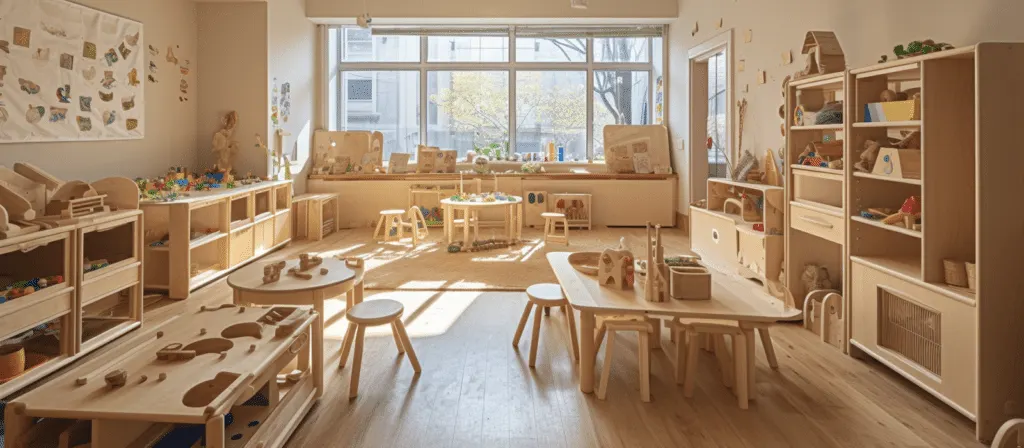
- Furniture Design: Montessori furniture is minimalistic, functional, and child-sized, allowing children to independently engage in activities. In contrast, Waldorf furniture is aesthetically pleasing, with curved lines and soft materials, creating a cozy and imaginative learning environment.
- Role of the Teacher: In Montessori education, the teacher serves as a facilitator, observing and guiding the child’s learning journey. In Waldorf education, the teacher takes on a more active role, leading activities, storytelling, and fostering a sense of wonder.
- Focus on Nature: Montessori education often incorporates natural materials, such as wood, to create a connection with the natural world. Waldorf education also values nature but focuses more on creating a sense of enchantment and beauty within the classroom.
- Approach to Play: Montessori education emphasizes purposeful play and hands-on experiences, while Waldorf education places a strong emphasis on imaginative play and storytelling.
Comparing Furniture Design: Montessori vs Waldorf
When comparing Montessori and Waldorf furniture, it’s important to consider their underlying educational philosophies. Montessori furniture prioritizes functionality and accessibility, enabling children to engage in independent activities and develop practical life skills. On the other hand, Waldorf furniture focuses on creating a nurturing and imaginative environment that stimulates creativity and fosters a connection with nature.
Both approaches have their merits, and the choice between Montessori and Waldorf furniture ultimately depends on the educational philosophy you align with and the specific needs of your learning environment. As the CEO of Beechair, I believe in offering a range of furniture options that cater to different educational philosophies and support the diverse needs of schools and educational institutions.
The Impact of Furniture on Learning
Furniture plays a crucial role in creating an effective learning environment. It not only affects the physical comfort of students but also influences their concentration, engagement, and overall learning experience. By carefully selecting furniture that aligns with your educational philosophy, you can enhance the effectiveness of your teaching methods and create a space that inspires children to learn and grow.
Which Approach is Right for You?
As with any educational philosophy, the choice between Montessori and Waldorf furniture ultimately depends on your personal beliefs, values, and educational goals. Both approaches have been proven to be effective in nurturing children’s development and creating engaging learning environments. It is important to consider the unique needs of your students and the learning outcomes you wish to achieve.
At Beechair, we understand the importance of providing furniture solutions that align with your educational philosophy. Whether you lean towards the simplicity and functionality of Montessori furniture or the enchanting and imaginative qualities of Waldorf furniture, we can help you create a learning space that supports your vision.
Conclusion
In the debate between Montessori and Waldorf furniture, there is no right or wrong answer. Both educational philosophies have their strengths and offer unique approaches to learning. Montessori furniture promotes independence, self-discipline, and hands-on exploration, while Waldorf furniture nurtures creativity, imagination, and a sense of wonder. Ultimately, the choice between the two depends on your educational goals and the needs of your students.

Hey, I’m Roger, the founder of Xiha Montessori, a family-run business. We specialize in preschool furniture and educational solutions.
Over the past 20 years, we have helped clients in 55 countries and 2000+ preschools, daycares, and early childcare centers create safe and inspiring learning environments.
This article shares knowledge on making education more effective and enjoyable for children.

Wooden Preschool Furniture Care Guide For Busy Classrooms
Read More »
How to Childproof a Daycare Classroom: A Practical Safety Checklist
Read More »
Daycare Cribs Buying Guide: How to Choose Safe, Practical Sleep Furniture
Read More »
Object Permanence: What Babies Learn and How Montessori Activities Support It
Read More »
Effective Preschool Classroom Rules: How to Create a Safe and Orderly Learning Environment
Read More »
How to Start a Daycare: A Practical Planning Guide
Read More » Roger Cai
Education Specialists
Hey, I’m the author of this post.
Over the past 20 years, we have helped 55 countries and 2000+ Clients, like Preschools, Daycare, and Early Childcare Centres, to create safe and inspiring learning environments.
If you need a purchase or consultation, please contact us for a free product catalog and classroom layout design.