
Music and Movement: Incorporating Preschool Furniture for Creative Expression
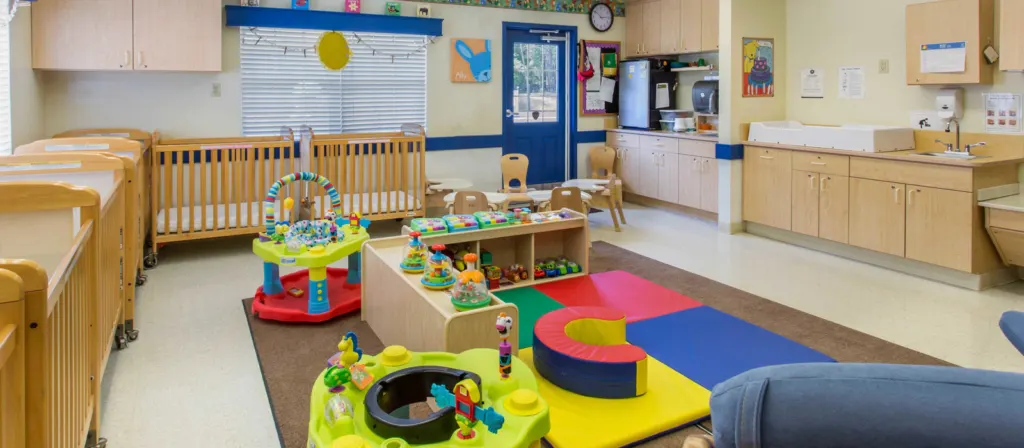
Are you looking for ways to enhance creative expression in your preschool? Join us as we delve into the exciting realm of music and movement, exploring how the right preschool furniture can empower children to unleash their creativity and express themselves through rhythmic sounds and physical expression.
Music and Movement: Incorporating Preschool Furniture for Creative Expression is a powerful way to engage children in imaginative play, develop motor skills, and foster self-expression. By incorporating carefully selected furniture that complements music and movement activities, you can create an environment that inspires children to explore their creativity and engage in joyful self-expression.
Why Music and Movement?
Music and movement are integral parts of a child’s development. They provide opportunities for self-expression, physical coordination, and social interaction. When children engage in music and movement activities, they are not only having fun but also developing essential skills that will benefit them throughout their lives. Research has shown that music and movement can enhance cognitive abilities, improve coordination, and boost self-confidence. So, how can preschool furniture contribute to this creative journey?
Enhancing the Music and Movement Experience with Preschool Furniture
Preschool furniture plays a vital role in creating an environment that is conducive to music and movement activities. By providing the right furniture, we can facilitate children’s exploration and encourage their creativity. Here are some ways in which preschool furniture can enhance the music and movement experience:
- Flexible Seating Options
Having a variety of seating options allows children to choose what works best for them during music and movement activities. Whether it’s sitting on cushions, bean bags, or small chairs, the ability to select their preferred seating arrangement empowers children to feel comfortable and engaged. Flexible seating also promotes collaboration and interaction among peers, as children can easily move their seats to form groups or join in circle time activities. - Musical Instrument Storage
Proper storage of musical instruments is essential for maintaining a well-organized and inviting music and movement area. Preschool furniture with built-in storage compartments or shelves ensures that instruments are easily accessible and neatly stored when not in use. This encourages children to take ownership of their musical instruments, fostering a sense of responsibility and organization. - Dance Mirrors
Dance mirrors are an excellent addition to any music and movement area. They enable children to observe their movements and expressions, fostering self-awareness and body coordination. Preschool furniture with built-in mirrors or easily attachable mirrors can transform any space into a dance studio, allowing children to explore different dance styles and express themselves freely. - Interactive Music Stations
Integrating interactive music stations into preschool furniture can elevate the music and movement experience. These stations can consist of colorful buttons, keys, or touch-sensitive surfaces that produce various sounds and rhythms. By incorporating these interactive elements into furniture, children can actively participate in creating and manipulating music, stimulating their imagination and enhancing their sense of control. - Cozy Reading Nooks
Music and movement activities can be energizing, but it’s also important to provide children with opportunities to unwind and relax. Cozy reading nooks within the music and movement area, equipped with soft cushions and child-sized furniture, create a calm and inviting space. This allows children to take a break, explore books related to music and movement, or simply engage in quiet reflection.
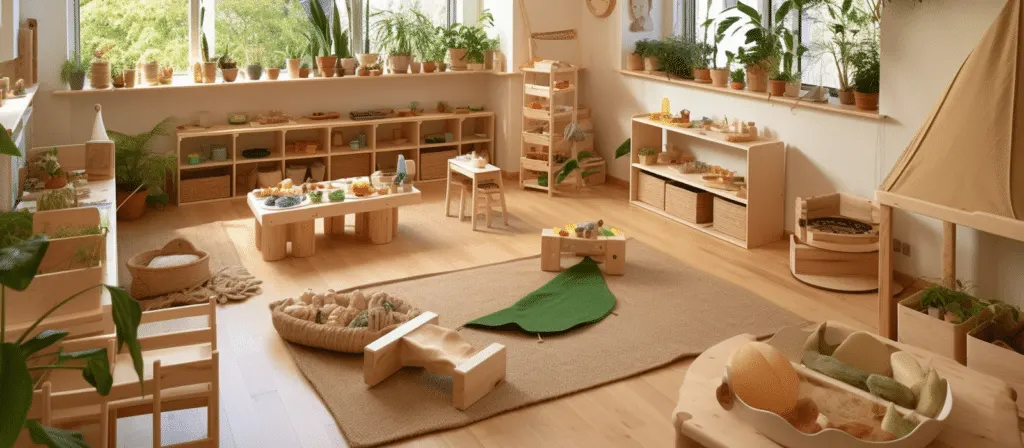
The Impact of Music and Movement on Early Childhood Development
The incorporation of preschool furniture into music and movement activities has a profound impact on early childhood development. By engaging in music and movement experiences, children develop essential skills such as:
- Cognitive Development: Music and movement activities stimulate various areas of the brain, enhancing memory, attention, and problem-solving skills.
- Physical Development: Dancing, jumping, and playing musical instruments improve balance, coordination, and overall motor skills.
- Emotional Development: Music has the power to evoke emotions and allows children to explore and express their feelings through movement.
- Social Development: Participating in group music and movement activities promotes teamwork, communication, and cooperation.
By providing the right preschool furniture that supports music and movement, we are creating an environment where children can flourish and unleash their creativity.
Incorporating preschool furniture into music and movement activities is a powerful way to enhance the learning experience for young children. By offering flexible seating options, appropriate storage solutions, dance mirrors, interactive music stations, and cozy reading nooks, we are creating an environment that fosters creativity, self-expression, and holistic development. Let’s continue to embrace the connection between music, movement, and preschool furniture to provide children with the best possible foundation for their future endeavors.

Hey, I’m Roger, the founder of Xiha Montessori, a family-run business. We specialize in preschool furniture and educational solutions.
Over the past 20 years, we have helped clients in 55 countries and 2000+ preschools, daycares, and early childcare centers create safe and inspiring learning environments.
This article shares knowledge on making education more effective and enjoyable for children.
Wooden Preschool Furniture Care Guide For Busy Classrooms
Read More »
How to Childproof a Daycare Classroom: A Practical Safety Checklist
Read More »
Daycare Cribs Buying Guide: How to Choose Safe, Practical Sleep Furniture
Read More »
Object Permanence: What Babies Learn and How Montessori Activities Support It
Read More »
Effective Preschool Classroom Rules: How to Create a Safe and Orderly Learning Environment
Read More »
How to Start a Daycare: A Practical Planning Guide
Read More » Roger Cai
Education Specialists
Hey, I’m the author of this post.
Over the past 20 years, we have helped 55 countries and 2000+ Clients, like Preschools, Daycare, and Early Childcare Centres, to create safe and inspiring learning environments.
If you need a purchase or consultation, please contact us for a free product catalog and classroom layout design.