
Practical Tips for Preschool Furniture Arrangement
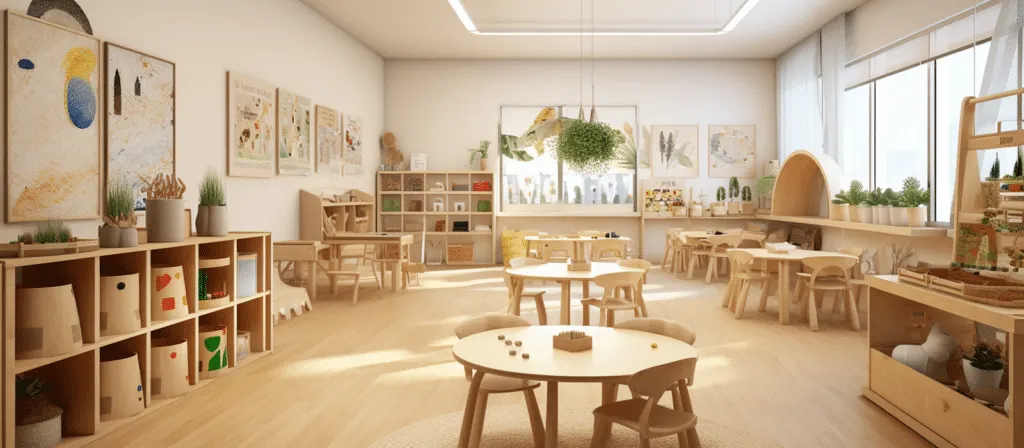
Are you tasked with setting up a preschool classroom? Wondering how to arrange the furniture for an optimal learning environment? Creating a well-organized and engaging space is crucial for young learners. In this article, we’ll explore practical tips for preschool furniture arrangement to ensure a conducive and effective learning environment.
Effective furniture arrangement in a preschool classroom can enhance safety, learning, and engagement. Let’s dive into these strategies for creating an ideal learning space for young children.
Why is furniture arrangement important in a preschool?
Preschool furniture arrangement plays a crucial role in creating an environment that promotes learning, exploration, and social interaction. When furniture is arranged strategically, it can:
- Facilitate smooth traffic flow: By ensuring that there is ample space for children to move around, furniture arrangement can prevent congestion and encourage independence.
- Promote collaboration: Creating small group areas with appropriately sized tables and chairs can encourage children to work together, share ideas, and collaborate on projects.
- Enhance teacher supervision: Properly arranged furniture allows teachers to have a clear view of all students, ensuring their safety and enabling effective classroom management.
- Support different learning activities: By arranging furniture to cater to different learning areas, such as reading corners, art stations, and sensory play areas, children are provided with opportunities for diverse learning experiences.
Now that we understand the importance of preschool furniture arrangement, let’s dive into some practical tips!
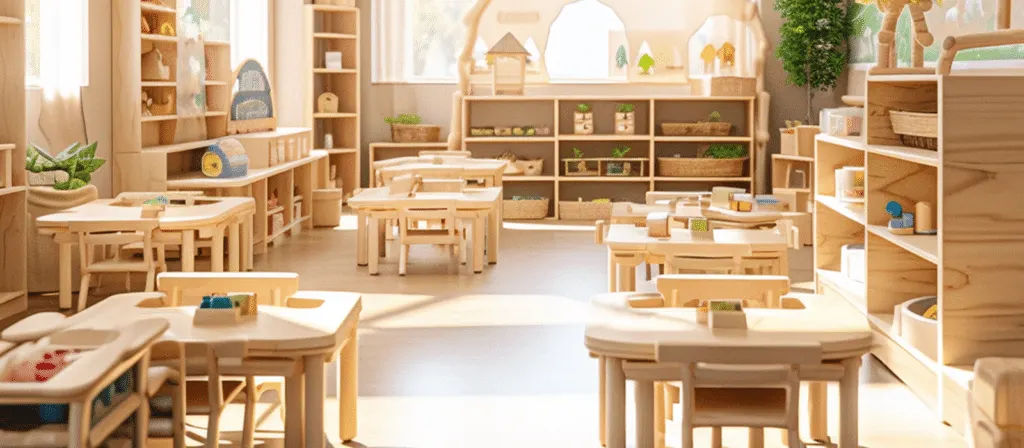
Tip 1: Create distinct learning zones
To maximize the learning potential of your preschool space, it’s important to create distinct learning zones. Each zone should be dedicated to a specific activity or learning area. For example, you can have a cozy reading nook with comfortable chairs and a bookshelf, a designated art area with tables and art supplies, and a sensory play area with mats and sensory bins.
By clearly defining these zones, children will understand the purpose of each area and be more engaged in the activities provided. It also helps in organizing materials and resources, making it easier for both teachers and students to access what they need.
Tip 2: Consider age-appropriate furniture
Choosing age-appropriate furniture is essential for the comfort and safety of preschoolers. It’s important to select chairs, tables, and other furniture items that are suitable for their size and developmental stage. Child-sized furniture not only promotes good posture but also encourages a sense of independence and ownership.
Additionally, incorporating furniture with rounded edges and sturdy construction ensures the safety of young children. At BeeChair, we offer a wide range of age-appropriate furniture options that are both functional and aesthetically pleasing.
Tip 3: Allow for flexible seating arrangements
Flexibility is key when it comes to preschool furniture arrangement. Allowing for different seating arrangements not only accommodates various learning activities but also caters to the individual needs and preferences of children. Consider incorporating options such as bean bags, floor cushions, and wobble stools alongside traditional chairs and tables.
Flexible seating encourages children to find the most comfortable and productive learning position for themselves. It also promotes a sense of choice and autonomy, which can positively impact their engagement and focus.
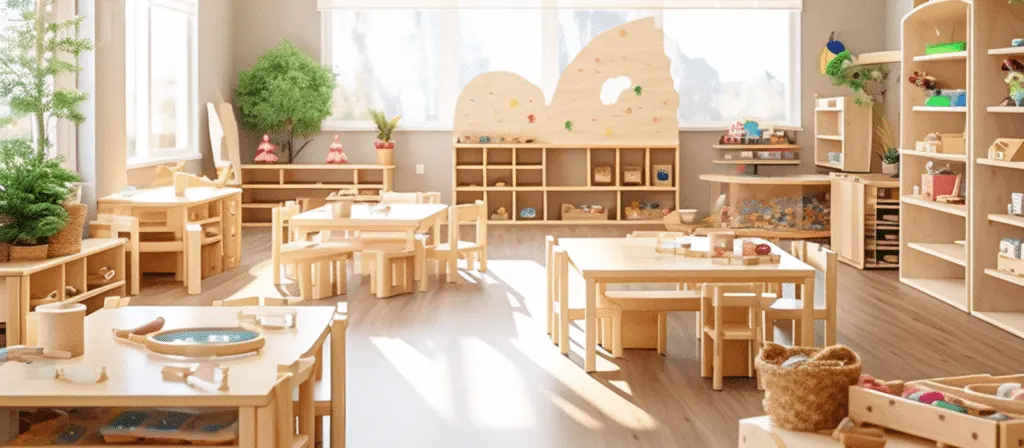
Tip 4: Optimize natural light and classroom flow
Natural light has a significant impact on the learning environment. When arranging furniture, make sure to maximize the use of natural light by positioning desks and workstations near windows. Adequate natural light not only enhances the overall ambiance but also positively affects children’s mood, behavior, and concentration.
Additionally, consider the flow of the classroom. Arrange furniture to allow for easy movement between different learning zones and minimize distractions. Avoid placing furniture in direct pathways or blocking access to essential areas.
Tip 5: Engage children in the process
Involving children in the furniture arrangement process can foster a sense of ownership and pride in their learning environment. Encourage them to participate in decision-making by asking for their input on where certain furniture items should be placed. This not only promotes their critical thinking skills but also helps them develop a sense of responsibility and respect for the classroom.
By following these practical tips, you can create a preschool environment that is both functional and inspiring. Remember, the key is to create distinct learning zones, choose age-appropriate furniture, allow for flexibility, optimize natural light, and engage children in the process. With a well-arranged classroom, you’ll be providing young learners with the best possible environment to explore, learn, and grow.
Conclusion
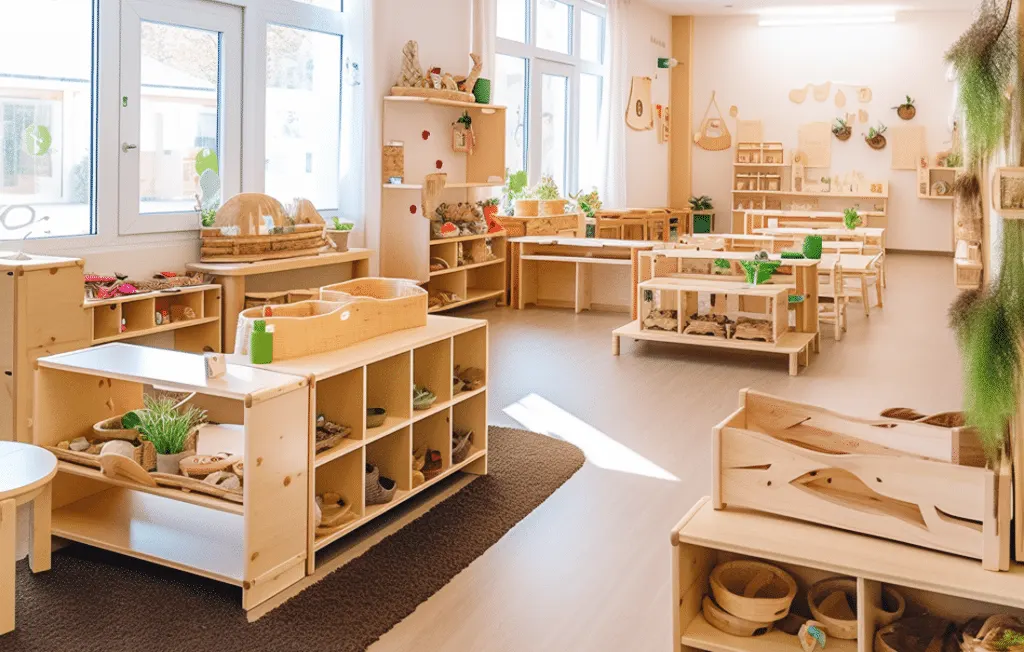
In conclusion, preschool furniture arrangement is a critical aspect of creating an effective learning environment. By carefully considering the layout, choosing age-appropriate furniture, allowing for flexibility, optimizing natural light, and involving children in the process, we can create classrooms that inspire and support young learners.

Hey, I’m Roger, the founder of Xiha Montessori, a family-run business. We specialize in preschool furniture and educational solutions.
Over the past 20 years, we have helped clients in 55 countries and 2000+ preschools, daycares, and early childcare centers create safe and inspiring learning environments.
This article shares knowledge on making education more effective and enjoyable for children.

Wooden Preschool Furniture Care Guide For Busy Classrooms
Read More »
How to Childproof a Daycare Classroom: A Practical Safety Checklist
Read More »
Daycare Cribs Buying Guide: How to Choose Safe, Practical Sleep Furniture
Read More »
Object Permanence: What Babies Learn and How Montessori Activities Support It
Read More »
Effective Preschool Classroom Rules: How to Create a Safe and Orderly Learning Environment
Read More »
How to Start a Daycare: A Practical Planning Guide
Read More » Roger Cai
Education Specialists
Hey, I’m the author of this post.
Over the past 20 years, we have helped 55 countries and 2000+ Clients, like Preschools, Daycare, and Early Childcare Centres, to create safe and inspiring learning environments.
If you need a purchase or consultation, please contact us for a free product catalog and classroom layout design.