
Preschool Furniture Safety Guidelines Every School Should Follow
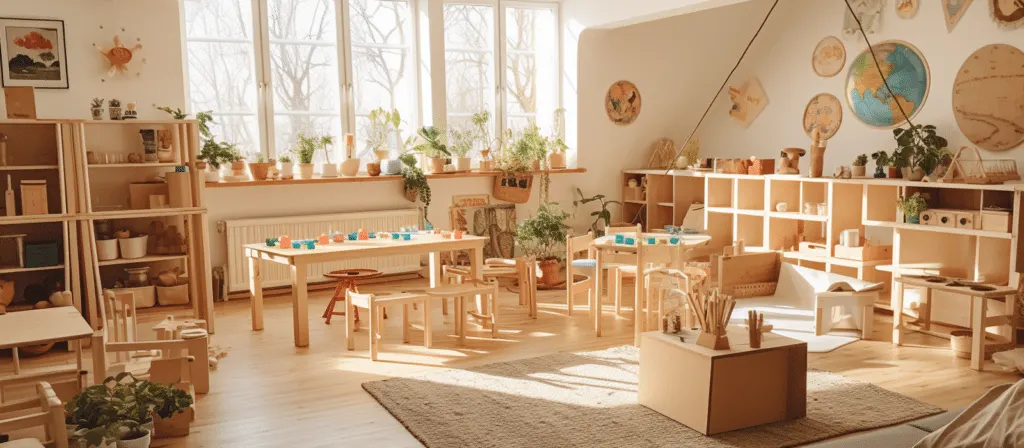
Are you concerned about creating a safe and secure learning environment for young children in your preschool? Preschool furniture safety is paramount to ensure the well-being of students. In this article, we’ll address the critical question: “Preschool Furniture Safety Guidelines Every School Should Follow.” We’ll provide you with essential insights and recommendations to help you create a safe and nurturing space for your young learners.
Preschool Furniture Safety Guidelines Every School Should Follow are a set of essential rules and recommendations that ensure the safety and well-being of young children in educational environments. These guidelines encompass various aspects of preschool furniture, from design and construction to maintenance and use. By adhering to these guidelines, schools can significantly reduce the risk of accidents and injuries among their students.
Why is preschool furniture safety important?
Preschool furniture safety is of utmost importance because young children are more vulnerable to accidents and injuries. Their curiosity and lack of awareness of potential dangers can put them at risk. By implementing proper safety guidelines, we can minimize the chances of accidents and create a secure learning environment for our little learners.
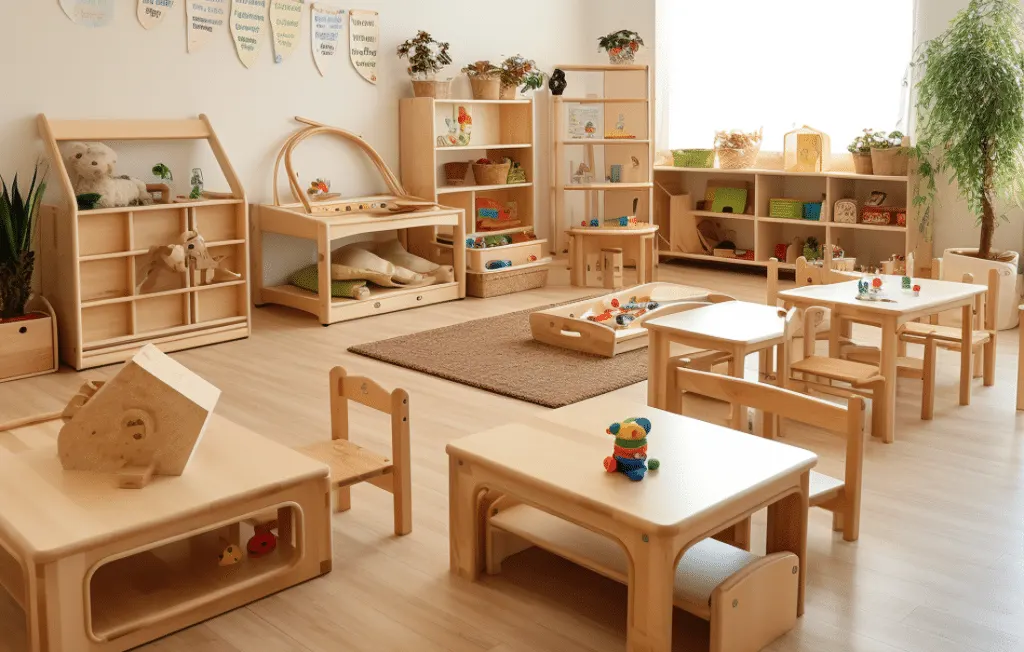
One of the key aspects of preschool furniture safety is selecting age-appropriate furniture that meets safety standards. Children’s furniture should be designed specifically for their developmental needs, providing a balance between comfort and safety. This includes chairs, tables, shelves, and other pieces of furniture that children interact with daily.
What are the essential preschool furniture safety guidelines?
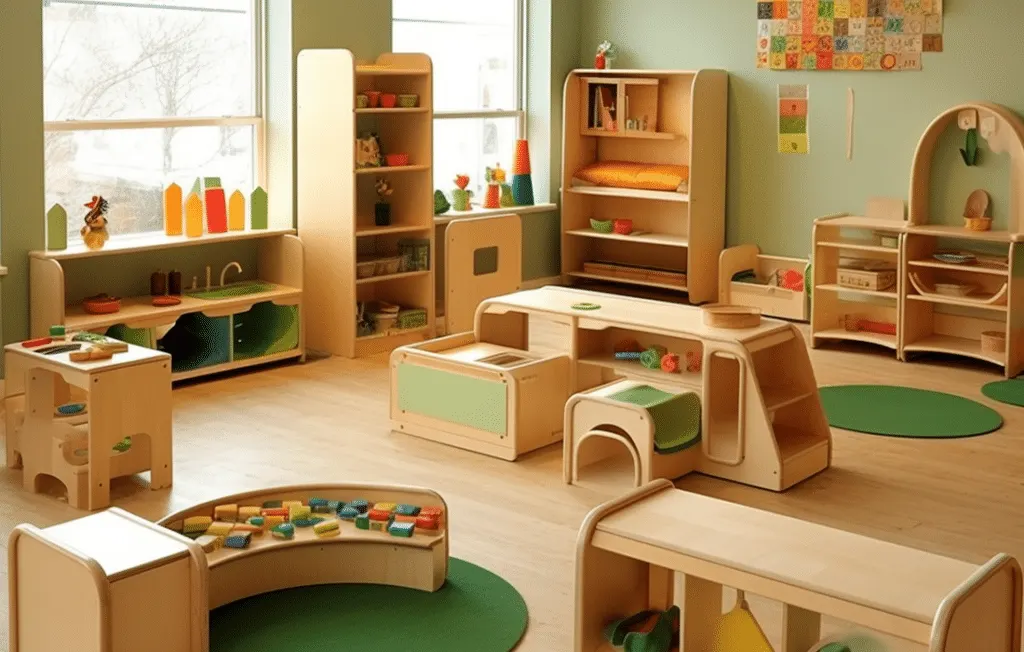
- Sturdy Construction: Preschool furniture should be sturdy and stable to prevent tipping over. It’s crucial to choose furniture made of high-quality materials that can withstand the active nature of young children. Avoid furniture with sharp edges or corners that could potentially cause injuries.
- Non-Toxic Materials: Ensure that all preschool furniture is made from non-toxic materials. Children have a tendency to explore objects by putting them in their mouths, so it’s crucial to choose furniture that is free from harmful substances such as lead or phthalates.
- Proper Height and Size: Furniture should be appropriately sized for preschoolers. Chairs and tables should be at a height that allows children to sit comfortably with their feet touching the ground. This promotes good posture and reduces the risk of falls.
- Secure Fixtures: All furniture fixtures, such as screws and bolts, should be secure and regularly checked for any signs of wear and tear. Loose or unstable fixtures can pose a serious risk to children’s safety.
- **Slip-Resistant: **Choose furniture with slip-resistant features to prevent accidents, especially on smooth surfaces. Non-slip grips on chair and table legs can provide added stability and reduce the risk of falls.
- Easy to Clean: Preschool furniture should be easy to clean and maintain. Choose materials that are resistant to spills and stains, making it easier to keep the furniture clean and hygienic.
- Proper Storage: Adequate storage solutions are essential in preschools. Furniture with built-in storage compartments can help keep the classroom organized and reduce the risk of tripping over cluttered spaces.
- Regular Inspections: Regularly inspect all preschool furniture to identify any signs of damage or potential hazards. Fix or replace furniture that shows signs of wear and tear to ensure the continued safety of the children.
By following these preschool furniture safety guidelines, we can create a safe and conducive environment for our little ones to learn and grow. Safety should always be a top priority in every preschool setting.
Where can I find resources for preschool furniture safety?
When it comes to preschool furniture safety, it’s essential to stay updated on the latest guidelines and regulations. The following resources can provide valuable information:
- Consumer Product Safety Commission (CPSC): The CPSC website offers guidelines and safety standards for various consumer products, including children’s furniture. It’s a reliable resource for staying informed about the latest safety requirements.
- National Association for the Education of Young Children (NAEYC): NAEYC provides resources and guidelines specifically tailored to early childhood education. They offer valuable insights into creating safe and developmentally appropriate learning environments.
- Preschool Furniture Manufacturers: Reputable preschool furniture manufacturers often provide safety guidelines and resources on their websites. They understand the importance of safety and can offer valuable insights into selecting the right furniture for your preschool.
- Local Child Safety Organizations: Check with local child safety organizations or regulatory bodies for specific guidelines and resources related to preschool furniture safety. They may offer workshops or training sessions on creating safe learning environments.
In conclusion
Ensuring preschool furniture safety is vital for the well-being of our children. By following the guidelines mentioned above and staying informed about the latest safety standards, we can create secure and nurturing environments for our little learners. Let’s prioritize the safety of our children and provide them with the best possible preschool experience.
Remember, a safe preschool environment sets the stage for a bright future!

Hey, I’m Roger, the founder of Xiha Montessori, a family-run business. We specialize in preschool furniture and educational solutions.
Over the past 20 years, we have helped clients in 55 countries and 2000+ preschools, daycares, and early childcare centers create safe and inspiring learning environments.
This article shares knowledge on making education more effective and enjoyable for children.
Wooden Preschool Furniture Care Guide For Busy Classrooms
Read More »
How to Childproof a Daycare Classroom: A Practical Safety Checklist
Read More »
Daycare Cribs Buying Guide: How to Choose Safe, Practical Sleep Furniture
Read More »
Object Permanence: What Babies Learn and How Montessori Activities Support It
Read More »
Effective Preschool Classroom Rules: How to Create a Safe and Orderly Learning Environment
Read More »
How to Start a Daycare: A Practical Planning Guide
Read More » Roger Cai
Education Specialists
Hey, I’m the author of this post.
Over the past 20 years, we have helped 55 countries and 2000+ Clients, like Preschools, Daycare, and Early Childcare Centres, to create safe and inspiring learning environments.
If you need a purchase or consultation, please contact us for a free product catalog and classroom layout design.