
Promoting Active Learning with Flexible Preschool Furniture
Are you looking to create an environment that fosters active learning and engagement among preschoolers? Discover the transformative power of flexible preschool furniture in cultivating a dynamic and interactive learning experience. Join us as we explore how the right furniture choices can ignite curiosity, encourage exploration, and promote active participation in the classroom.
Promoting Active Learning with Flexible Preschool Furniture is essential for empowering children to take an active role in their educational journey. By providing versatile and adaptable furniture options, educators can create an environment that encourages movement, collaboration, and hands-on learning experiences.
What is active learning?
Active learning is an approach to education that encourages children to engage with their learning environment and take an active role in the learning process. It goes beyond passive listening and encourages hands-on exploration, problem-solving, and critical thinking.
So how can flexible preschool furniture support this approach?
Flexible furniture allows children to have control over their learning environment. By providing a variety of seating options such as bean bags, floor cushions, and adjustable tables, children can choose the seating arrangement that best suits their learning style and comfort level. This freedom of choice empowers children and increases their motivation to actively participate in learning activities.
Moreover, flexible furniture promotes movement and physical activity. Traditional classroom setups with rigid desks and chairs can restrict movement and make learning a sedentary experience. On the other hand, flexible furniture encourages children to move around, change positions, and collaborate with their peers. This not only helps improve their physical health but also enhances their cognitive abilities and concentration.
Another advantage of flexible preschool furniture is its adaptability to different learning styles and activities. For example, a classroom setup that can easily transition from individual workstations to group discussion areas allows teachers to accommodate various teaching methods and adapt to the needs of different children. This flexibility ensures that every child has the opportunity to engage in their preferred learning style and maximize their learning potential.
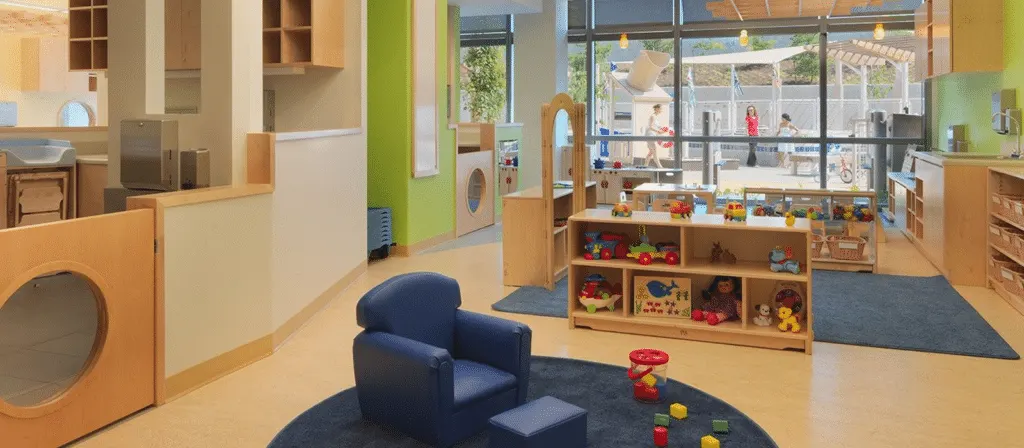
In addition to its practical benefits, flexible furniture can also create a visually appealing and stimulating learning environment. Bright colors, interesting shapes, and unique designs can capture children’s attention and spark their curiosity. When children are excited and engaged by their surroundings, they are more likely to actively participate in learning activities and retain information.
Now, let’s address some common questions related to promoting active learning with flexible preschool furniture:
Can flexible furniture be used in all areas of a preschool?
Absolutely! Flexible furniture can be incorporated into various areas of a preschool, including classrooms, libraries, play areas, and even outdoor spaces. The key is to assess the specific needs of each area and choose furniture that supports the intended activities and promotes active engagement.
Are there any safety concerns with flexible furniture?
Safety is always a top priority when it comes to children’s furniture. It’s important to ensure that the furniture is sturdy, meets safety standards, and is age-appropriate. Additionally, teaching children proper use and handling of the furniture is essential to prevent accidents.
How can teachers encourage children to use flexible furniture effectively?
Teachers play a crucial role in promoting active learning with flexible furniture. They can create a positive and inclusive classroom culture that encourages children to explore different seating options and experiment with various learning arrangements. Setting clear expectations and providing guidance on using the furniture appropriately can also help children make the most of their learning environment.
By harnessing the potential of flexible preschool furniture, educators can create an environment that promotes active learning, fosters creativity, and nurtures a love for exploration. Dynamic seating arrangements, multi-functional spaces, dedicated learning zones, and personalized stations all contribute to an engaging and interactive classroom that empowers children to be active participants in their own education. Remember, the right preschool furniture enhances the learning experience, encouraging curiosity, and facilitating meaningful engagement for young learners.

Hey, I’m Roger, the founder of Xiha Montessori, a family-run business. We specialize in preschool furniture and educational solutions.
Over the past 20 years, we have helped clients in 55 countries and 2000+ preschools, daycares, and early childcare centers create safe and inspiring learning environments.
This article shares knowledge on making education more effective and enjoyable for children.
Wooden Preschool Furniture Care Guide For Busy Classrooms
Read More »
How to Childproof a Daycare Classroom: A Practical Safety Checklist
Read More »
Daycare Cribs Buying Guide: How to Choose Safe, Practical Sleep Furniture
Read More »
Object Permanence: What Babies Learn and How Montessori Activities Support It
Read More »
Effective Preschool Classroom Rules: How to Create a Safe and Orderly Learning Environment
Read More »
How to Start a Daycare: A Practical Planning Guide
Read More » Roger Cai
Education Specialists
Hey, I’m the author of this post.
Over the past 20 years, we have helped 55 countries and 2000+ Clients, like Preschools, Daycare, and Early Childcare Centres, to create safe and inspiring learning environments.
If you need a purchase or consultation, please contact us for a free product catalog and classroom layout design.