
Promoting Independence with Montessori Kitchen Furniture
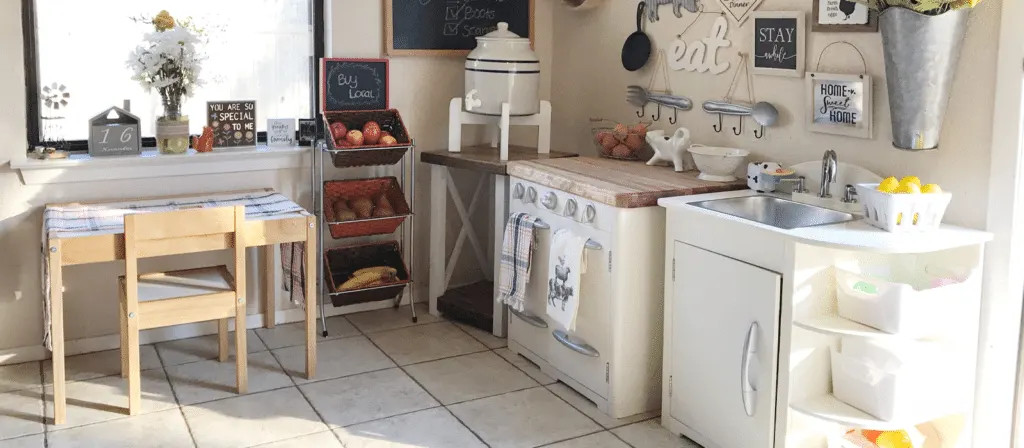
Have you ever wondered how Montessori kitchen furniture can empower children to become more independent and capable in the heart of the home? Join us on a journey as we explore the innovative world of Montessori kitchen design, where child-sized furniture plays a pivotal role in fostering self-sufficiency and instilling life skills from an early age.
Promoting Independence with Montessori Kitchen Furniture is achieved by crafting an environment that encourages children to actively participate in meal preparation, cooking, and everyday tasks. Montessori kitchen furniture is specifically designed to meet the needs and proportions of young learners, empowering them to engage in meaningful activities safely and independently.
Why Montessori Kitchen Furniture?
Montessori education emphasizes the importance of hands-on learning and self-directed activities. By incorporating Montessori principles into the design of kitchen furniture, we can create an environment that encourages children to explore and engage with everyday tasks. This approach not only enhances their practical life skills but also boosts their confidence and self-esteem.
Why is promoting independence in children important?
Promoting independence in children is essential for their overall development. When children are given the opportunity to take on age-appropriate tasks and responsibilities, they build confidence, develop problem-solving skills, and learn to become self-reliant. The kitchen is a great place to foster independence, as it offers numerous opportunities for children to contribute and engage in meaningful activities.
How can Montessori kitchen furniture support independence?
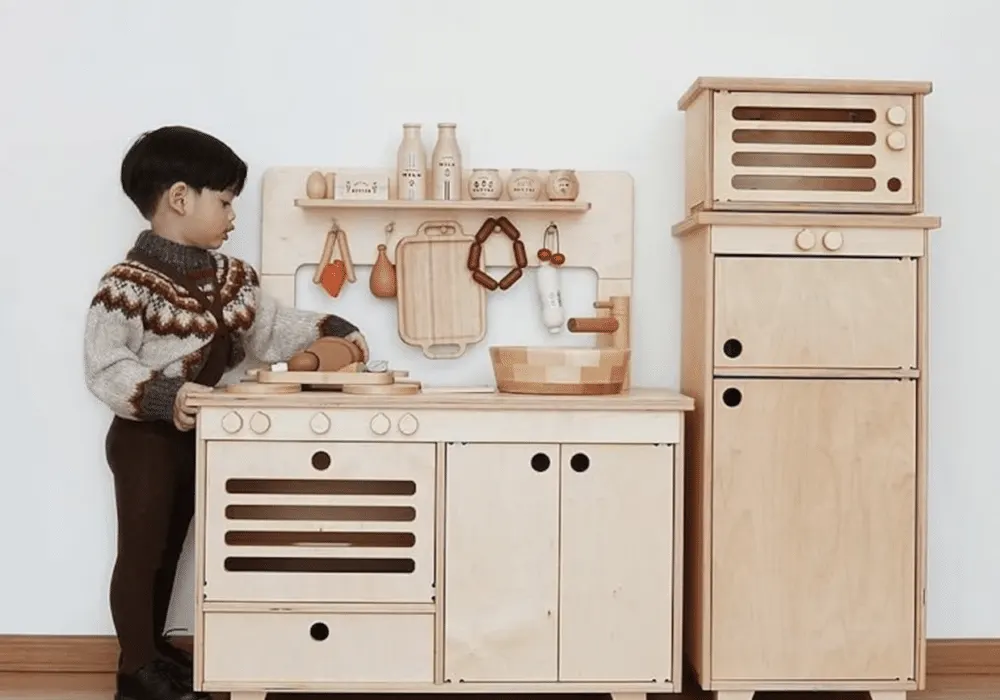
Montessori kitchen furniture is specifically designed to cater to the needs and abilities of children. It is child-sized, allowing them to easily access and use the furniture without relying on adult assistance. For example, a Montessori kitchen stool or step ladder enables children to safely reach countertops or sinks, giving them the ability to wash fruits and vegetables or assist with meal preparation. By having their own designated workspace, children can actively participate in cooking and cleaning tasks, fostering a sense of ownership and accomplishment.
What are the benefits of children participating in kitchen activities?
When children are actively involved in kitchen activities, they develop a range of important skills and qualities. Here are some of the benefits:
- Fine motor skills: Activities such as stirring, cutting, and pouring help children refine their fine motor skills and hand-eye coordination.
- Mathematical concepts: Measuring ingredients, counting, and following recipes introduce children to basic mathematical concepts in a practical and meaningful way.
- Language development: Engaging in conversations about food, recipes, and cooking techniques enhances vocabulary and language skills.
- Sense of responsibility: Taking on tasks like setting the table, cleaning up, and washing dishes instills a sense of responsibility and contributes to the development of good habits.
- Healthy eating habits: By involving children in meal preparation, they develop a greater appreciation for nutritious food and are more likely to make healthier food choices.
How can I create a Montessori-inspired kitchen at home?
Creating a Montessori-inspired kitchen doesn’t have to be complicated or expensive. Here are some tips to get you started:
- Child-sized furniture: Invest in child-sized furniture such as tables, chairs, and stools that are specifically designed for little ones. This will allow them to comfortably and safely engage in kitchen activities.
- Accessible storage: Provide low shelves or cabinets where children can access their own plates, cups, and utensils. This encourages them to independently set the table and put away their dishes after meals.
- Safe tools: Equip your kitchen with child-friendly tools such as knives with rounded edges, peelers with finger guards, and small mixing bowls. This ensures that children can safely participate in food preparation.
- Involve them in meal planning: Allow children to be part of the meal planning process by letting them choose ingredients, suggest recipes, and create shopping lists. This promotes decision-making skills and encourages them to take ownership of their meals.
Conclusion
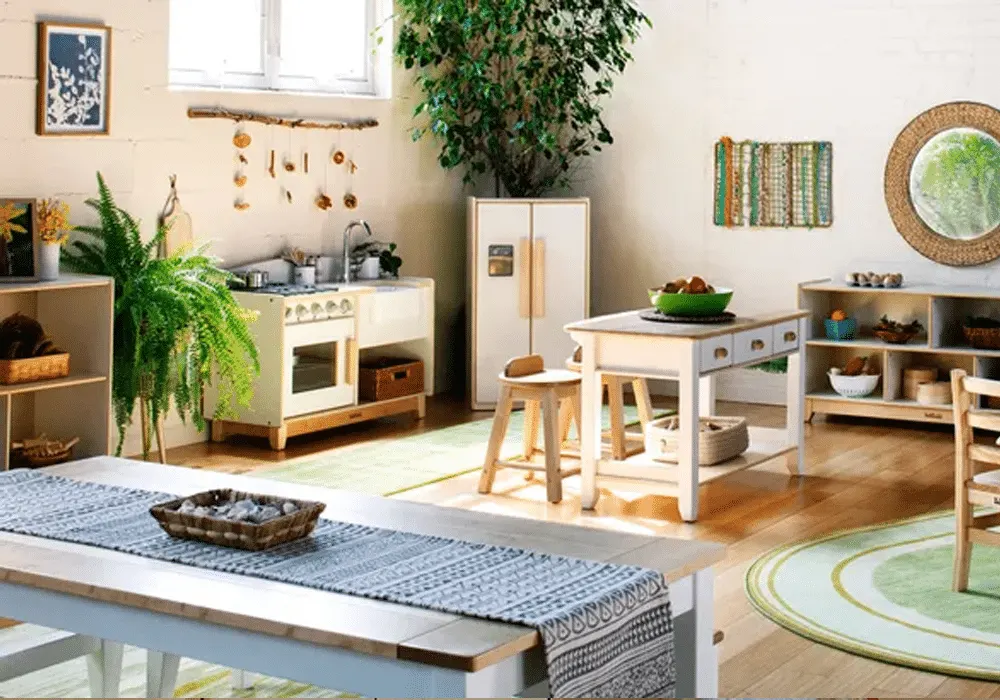
Incorporating Montessori principles into kitchen furniture can have a profound impact on a child’s development. By promoting practical life skills, independence, fine motor skills, healthy eating habits, cognitive skills, and a sense of community, Montessori kitchen furniture empowers children to become confident, self-sufficient individuals.

Hey, I’m Roger, the founder of Xiha Montessori, a family-run business. We specialize in preschool furniture and educational solutions.
Over the past 20 years, we have helped clients in 55 countries and 2000+ preschools, daycares, and early childcare centers create safe and inspiring learning environments.
This article shares knowledge on making education more effective and enjoyable for children.
Wooden Preschool Furniture Care Guide For Busy Classrooms
Read More »
How to Childproof a Daycare Classroom: A Practical Safety Checklist
Read More »
Daycare Cribs Buying Guide: How to Choose Safe, Practical Sleep Furniture
Read More »
Object Permanence: What Babies Learn and How Montessori Activities Support It
Read More »
Effective Preschool Classroom Rules: How to Create a Safe and Orderly Learning Environment
Read More »
How to Start a Daycare: A Practical Planning Guide
Read More » Roger Cai
Education Specialists
Hey, I’m the author of this post.
Over the past 20 years, we have helped 55 countries and 2000+ Clients, like Preschools, Daycare, and Early Childcare Centres, to create safe and inspiring learning environments.
If you need a purchase or consultation, please contact us for a free product catalog and classroom layout design.