
Supporting Social-emotional Development with Montessori Furniture
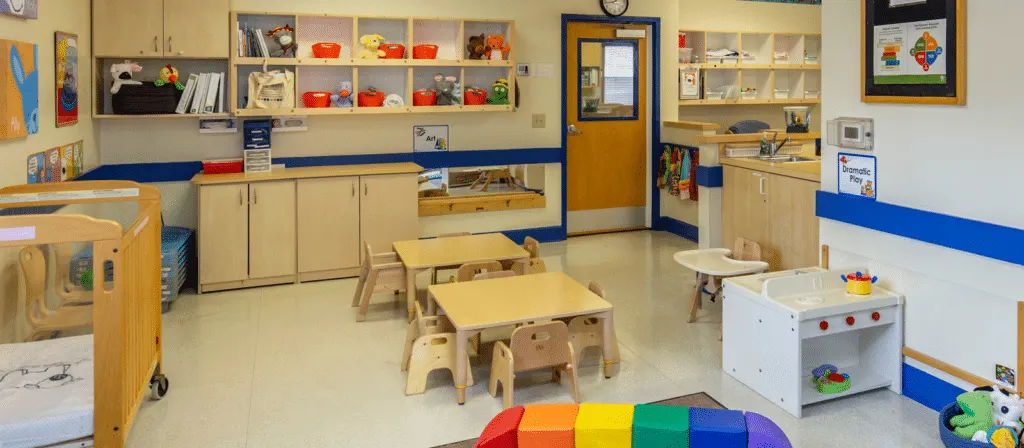
How can Montessori furniture positively impact the social and emotional development of young learners? Discover the power of purposeful furniture design in creating an environment that nurtures children’s social skills, emotional well-being, and overall growth. Join us as we explore the ways in which Montessori furniture can support the social and emotional development of children and foster a sense of community and belonging.
One area that we focus on is social-emotional development, which is crucial for individuals of all ages. In this blog post, I will discuss how Montessori furniture can play a role in supporting social-emotional development and why it is a valuable addition to any space.
Why is social-emotional development important?
Before we dive into the benefits of Montessori furniture, let’s first understand why social-emotional development is important. Social-emotional development refers to the ability to understand and manage emotions, form positive relationships, show empathy, and make responsible decisions. It is a lifelong process that starts from infancy and continues throughout adulthood. Developing strong social-emotional skills can lead to improved mental health, better relationships, and overall well-being.
How can Montessori furniture support social-emotional development?
Montessori furniture is designed with the principles of the Montessori educational approach in mind. This approach emphasizes independence, freedom of movement, and hands-on learning. By incorporating Montessori furniture into homes, schools, and other environments, we can create spaces that promote social-emotional development in the following ways:
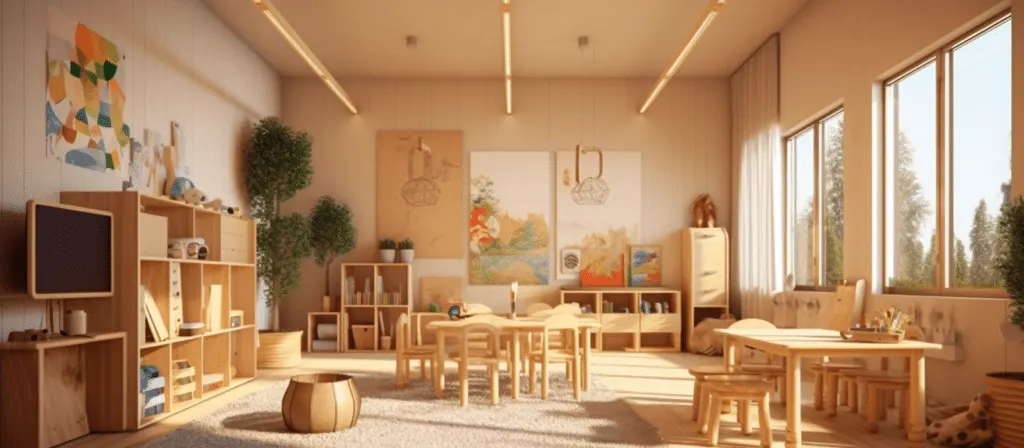
- Encouraging independence: Montessori furniture, such as child-sized tables and chairs, allows children to have a sense of ownership and control over their environment. This promotes independence and self-confidence, which are essential components of social-emotional development.
- Fostering collaboration: Montessori furniture is often designed to accommodate multiple individuals. Whether it’s a large communal table or a group seating area, this type of furniture encourages collaboration, communication, and teamwork. By working together on tasks or projects, individuals develop important social skills, such as cooperation and problem-solving.
- Creating a calm and inviting atmosphere: The design of Montessori furniture focuses on simplicity, natural materials, and aesthetically pleasing elements. This creates a calming and inviting atmosphere that promotes a sense of well-being and comfort. Feeling safe and secure in one’s environment is crucial for social-emotional development.
- Promoting movement and sensory exploration: Montessori furniture is often designed to allow for freedom of movement and sensory exploration. For example, low shelves with open storage compartments encourage children to choose and return materials independently, promoting motor skills and decision-making. Furniture that incorporates sensory elements, such as textured surfaces or different textures, can also stimulate the senses and enhance social-emotional development.
- Supporting emotional regulation: Montessori furniture can provide a safe and comfortable space for individuals to regulate their emotions. For example, a cozy reading nook with soft cushions and blankets can be a soothing space for relaxation and self-reflection. Having designated areas for different activities can also help individuals manage their emotions by providing structure and routine.
- Encouraging mindfulness and self-awareness: Montessori furniture can facilitate mindfulness and self-awareness by providing individuals with opportunities for reflection and self-expression. For example, a dedicated art corner with a small table and art supplies can encourage creativity and self-expression. Having a designated space for mindfulness activities, such as yoga or meditation, can also promote self-awareness and emotional well-being.
By incorporating Montessori furniture into our spaces, we can create environments that support social-emotional development and contribute to overall well-being. Whether it’s a children’s playroom, a classroom, or even a home office, the principles of Montessori can be applied to enhance social-emotional learning for individuals of all ages.
Supporting social-emotional development is crucial for individuals of all ages. Montessori furniture provides a valuable tool for creating spaces that promote independence, collaboration, emotional regulation, and mindfulness. By incorporating Montessori principles into our environments, we can support the social-emotional well-being of individuals and create spaces that foster growth, learning, and connection.

Hey, I’m Roger, the founder of Xiha Montessori, a family-run business. We specialize in preschool furniture and educational solutions.
Over the past 20 years, we have helped clients in 55 countries and 2000+ preschools, daycares, and early childcare centers create safe and inspiring learning environments.
This article shares knowledge on making education more effective and enjoyable for children.

Wooden Preschool Furniture Care Guide For Busy Classrooms
Read More »
How to Childproof a Daycare Classroom: A Practical Safety Checklist
Read More »
Daycare Cribs Buying Guide: How to Choose Safe, Practical Sleep Furniture
Read More »
Object Permanence: What Babies Learn and How Montessori Activities Support It
Read More »
Effective Preschool Classroom Rules: How to Create a Safe and Orderly Learning Environment
Read More »
How to Start a Daycare: A Practical Planning Guide
Read More » Roger Cai
Education Specialists
Hey, I’m the author of this post.
Over the past 20 years, we have helped 55 countries and 2000+ Clients, like Preschools, Daycare, and Early Childcare Centres, to create safe and inspiring learning environments.
If you need a purchase or consultation, please contact us for a free product catalog and classroom layout design.