
The Benefits of Montessori Preschool Furniture for Early Childhood Development
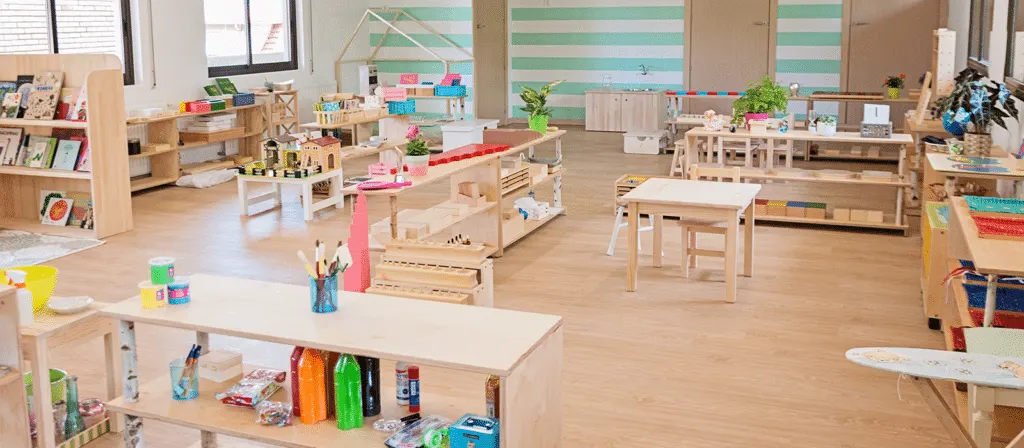
Are you searching for the perfect furniture to foster optimal development in your child? Look no further than Montessori preschool furniture. But wait, what exactly sets it apart? Why should you choose Montessori furniture for your little one? Let’s explore the remarkable benefits it offers.
Montessori preschool furniture is specifically designed to cater to the unique needs of early childhood development. Its child-centered approach empowers children to develop independence, concentration, and a love for learning. With thoughtfully crafted furniture that promotes exploration and self-guided discovery, Montessori classrooms provide a nurturing environment where children thrive.
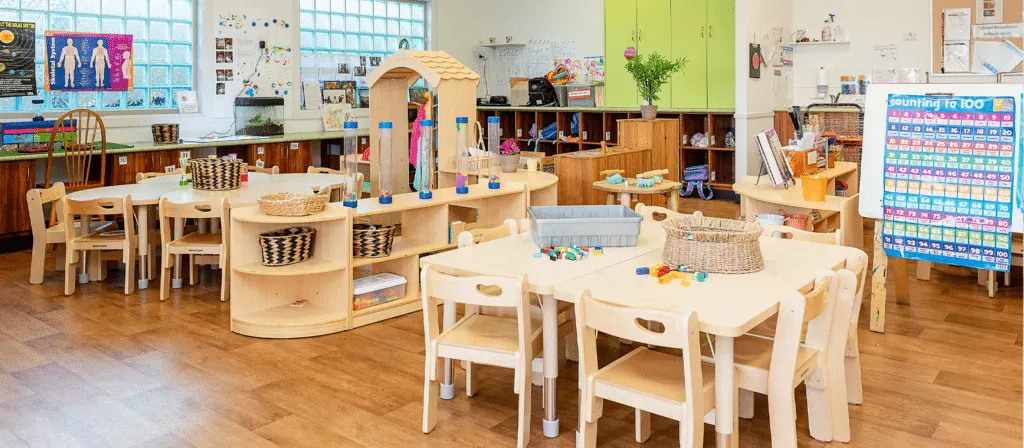
Unlock the full potential of your child’s growth with Montessori preschool furniture, and witness their incredible journey of self-discovery unfold.
1. Empowering Independence:
Montessori furniture encourages children to make choices, develop decision-making skills, and accomplish tasks independently. Child-sized tables and chairs allow them to comfortably engage in activities without reliance on adult assistance. Accessible shelves and storage units enable children to select and return materials, fostering a sense of ownership and responsibility.
2. Fostering Concentration:
Montessori furniture creates an environment free from distractions, enabling children to focus deeply on their activities. Each piece of furniture serves a specific purpose, ensuring materials are easily accessible and neatly organized. The minimalistic design and clutter-free spaces promote concentration, allowing children to immerse themselves in tasks and explore concepts at their own pace.
3. Cultivating a Love for Learning:
Montessori furniture sparks curiosity and instills a lifelong passion for learning. Open-ended materials, such as wooden blocks, puzzles, and sensory objects, encourage exploration, creativity, and problem-solving. Child-sized workstations, equipped with appropriate tools and materials, invite children to engage in hands-on experiences and follow their natural interests, fostering a deep sense of engagement and intrinsic motivation.
4. Creating Order and Beauty:
Montessori environments are meticulously organized to teach children the importance of order and instill a sense of harmony. Furniture, shelves, and storage units are designed to be visually appealing and easily accessible to children. With designated spaces for each material and an emphasis on tidiness, children develop an appreciation for aesthetics, orderliness, and respect for their environment.
5. Nurturing Social Skills:
Collaborative spaces in Montessori classrooms, such as communal tables and group workstations, promote cooperation, communication, and social interaction. Children learn to respect others’ workspaces, take turns, and engage in group activities. The layout of the furniture encourages peer collaboration, problem-solving, and the development of essential interpersonal skills, preparing children for future social interactions.
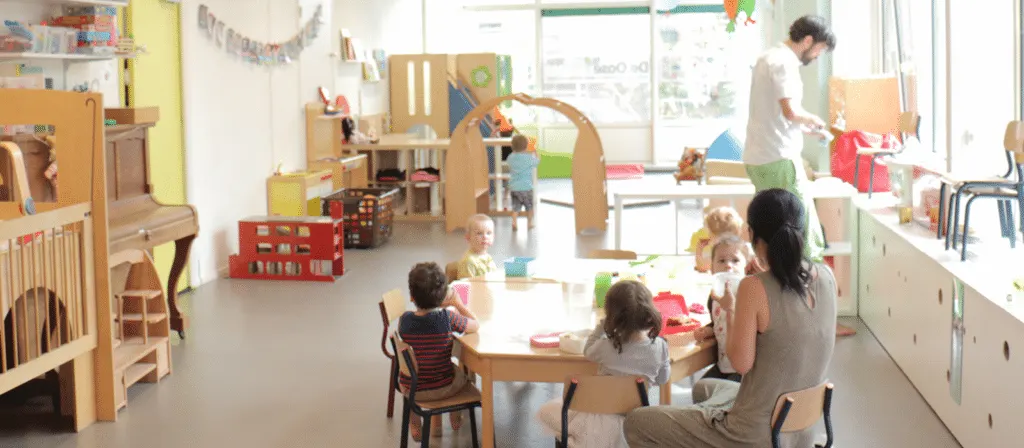
Investing in Montessori preschool furniture is investing in your child’s holistic development. The child-centric design principles, emphasis on independence, concentration, love for learning, order, and social skills make Montessori classrooms a haven for growth and exploration. Witness the transformative power of Montessori furniture as your child blossoms into a confident, independent, and lifelong learner.
Remember, the environment plays a crucial role in shaping your child’s development, and Montessori preschool furniture paves the way for a remarkable educational journey.

Hey, I’m Roger, the founder of Xiha Montessori, a family-run business. We specialize in preschool furniture and educational solutions.
Over the past 20 years, we have helped clients in 55 countries and 2000+ preschools, daycares, and early childcare centers create safe and inspiring learning environments.
This article shares knowledge on making education more effective and enjoyable for children.
Wooden Preschool Furniture Care Guide For Busy Classrooms
Read More »
How to Childproof a Daycare Classroom: A Practical Safety Checklist
Read More »
Daycare Cribs Buying Guide: How to Choose Safe, Practical Sleep Furniture
Read More »
Object Permanence: What Babies Learn and How Montessori Activities Support It
Read More »
Effective Preschool Classroom Rules: How to Create a Safe and Orderly Learning Environment
Read More »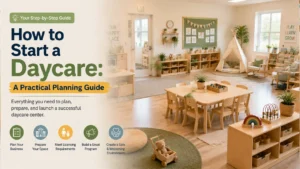
How to Start a Daycare: A Practical Planning Guide
Read More » Roger Cai
Education Specialists
Hey, I’m the author of this post.
Over the past 20 years, we have helped 55 countries and 2000+ Clients, like Preschools, Daycare, and Early Childcare Centres, to create safe and inspiring learning environments.
If you need a purchase or consultation, please contact us for a free product catalog and classroom layout design.