
The Impact of Montessori Furniture on Classroom Behavior
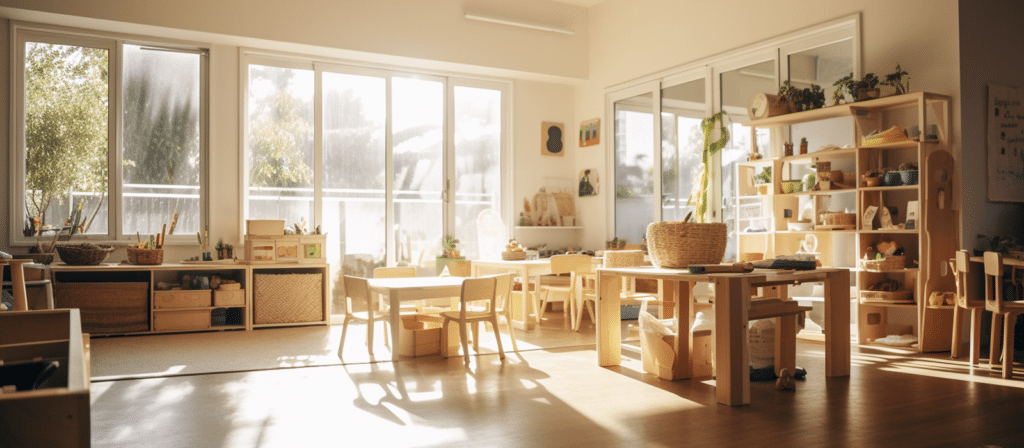
Have you ever wondered how classroom furniture can influence students’ behavior? The answer lies in the Montessori approach, where furniture plays a pivotal role in shaping a conducive learning environment. In this blog, we’ll delve into the intriguing realm of Montessori furniture and its profound impact on classroom behavior.
The Impact of Montessori Furniture on Classroom Behavior is substantial. Montessori furniture isn’t just about aesthetics; it’s a catalyst for positive behavioral change. It’s meticulously designed to promote independence, focus, and a sense of responsibility among students.
What is Montessori Furniture and How Does it Work?
Montessori furniture is specifically designed to create a learning environment that promotes independence, freedom of movement, and self-directed learning. It includes items such as child-sized tables and chairs, shelves, and other classroom materials that are easily accessible to children.
The design philosophy behind Montessori furniture is based on the teachings of Maria Montessori, an Italian physician and educator. According to her approach, children learn best when they have the freedom to choose their activities and work at their own pace. The furniture is designed to support this approach by allowing children to move freely and engage in activities that interest them.

Does Montessori Furniture Really Make a Difference?
Research has shown that the use of Montessori furniture in classrooms can have a positive impact on children’s behavior and learning outcomes. A study conducted by the American Montessori Society found that children who were exposed to Montessori materials and furniture showed greater levels of independence, concentration, and self-discipline compared to those in traditional classrooms[^1].
One of the key reasons why Montessori furniture is effective is that it promotes a sense of ownership and responsibility among children. When they have their own designated workspace and materials, they feel a sense of pride and are more motivated to take care of their environment. This, in turn, leads to better behavior and a more focused learning atmosphere.
How Does Montessori Furniture Influence Classroom Behavior?
The design of Montessori furniture encourages children to engage in purposeful and meaningful activities. For example, the child-sized tables and chairs allow children to sit comfortably and work at their own pace. This promotes a sense of autonomy and independence, as they can choose the activity they want to engage in and move freely between different materials.
Moreover, the organization and accessibility of materials in Montessori classrooms help children develop order and concentration skills. The shelves are arranged in a visually appealing and orderly manner, making it easy for children to find the materials they need. This reduces distractions and allows them to focus on the task at hand.

Can Montessori Furniture Help with Classroom Management?
Absolutely! Montessori furniture plays a crucial role in classroom management. By providing children with a structured and purposeful environment, it minimizes disruptive behavior and encourages self-regulation.
The child-sized furniture promotes a sense of respect for personal space and boundaries. Children learn to wait their turn, share materials, and respect the work of others. This fosters a sense of community and cooperation among students.
Additionally, the design of Montessori furniture encourages movement and physical activity. Children are free to choose their work area and can easily shift between different activities. This helps channel their energy in a productive and constructive way, reducing the likelihood of restlessness or disruptive behavior.
How Does Montessori Furniture Support Different Learning Styles?
Montessori furniture is designed to accommodate different learning styles and preferences. The open-ended nature of the materials allows children to explore and learn through hands-on experiences. Visual learners can engage with colorful and visually appealing materials, while kinesthetic learners can move around and manipulate objects.
The flexibility and adaptability of Montessori furniture also cater to individual learning needs. Children can choose their own work area and adapt it to their comfort and learning preferences. Some might prefer to work on the floor, while others may choose to sit at a table. This customization helps create an inclusive learning environment that supports all students.

Conclusion
In conclusion, Montessori furniture has a significant impact on classroom behavior. By promoting independence, concentration, and self-discipline, it creates a positive learning environment where children thrive. The design and organization of the furniture encourage autonomy, order, and cooperation among students. Additionally, it supports different learning styles and preferences, making it an effective tool for educators.

Hey, I’m Roger, the founder of Xiha Montessori, a family-run business. We specialize in preschool furniture and educational solutions.
Over the past 20 years, we have helped clients in 55 countries and 2000+ preschools, daycares, and early childcare centers create safe and inspiring learning environments.
This article shares knowledge on making education more effective and enjoyable for children.
Wooden Preschool Furniture Care Guide For Busy Classrooms
Read More »
How to Childproof a Daycare Classroom: A Practical Safety Checklist
Read More »
Daycare Cribs Buying Guide: How to Choose Safe, Practical Sleep Furniture
Read More »
Object Permanence: What Babies Learn and How Montessori Activities Support It
Read More »
Effective Preschool Classroom Rules: How to Create a Safe and Orderly Learning Environment
Read More »
How to Start a Daycare: A Practical Planning Guide
Read More » Roger Cai
Education Specialists
Hey, I’m the author of this post.
Over the past 20 years, we have helped 55 countries and 2000+ Clients, like Preschools, Daycare, and Early Childcare Centres, to create safe and inspiring learning environments.
If you need a purchase or consultation, please contact us for a free product catalog and classroom layout design.