
The Impact of Preschool Furniture on Classroom Behavior
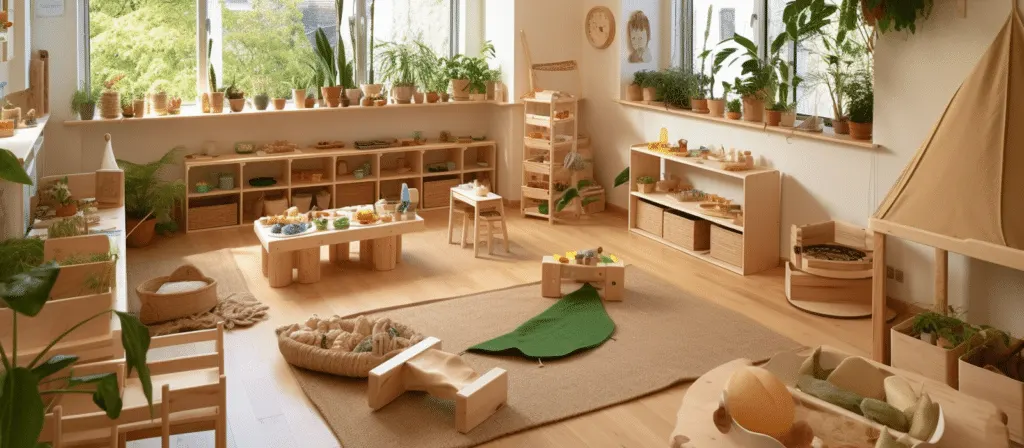
Have you ever considered how the choice of furniture in a preschool classroom can influence children’s behavior and learning experiences? In this article, we’ll explore the profound impact that preschool furniture has on classroom behavior. From seating arrangements to interactive learning spaces, we’ll delve into the fascinating ways furniture shapes the educational environment.
The Impact of Preschool Furniture on Classroom Behavior: Preschool furniture significantly affects children’s behavior, engagement, and overall classroom dynamics. The right furniture choices can foster cooperation, creativity, and a positive learning atmosphere, while inappropriate selections may hinder learning and disrupt classroom harmony.
When children enter a preschool classroom, they are met with a world of possibilities. The furniture in the room sets the stage for their educational journey, providing them with a comfortable and conducive environment for learning. Studies have shown that the design and layout of preschool furniture can have a significant impact on children’s behavior and engagement in the classroom.
One of the key aspects of preschool furniture is its ability to promote collaboration and social interaction among students. By providing seating arrangements that encourage face-to-face interaction, such as circular tables or group pods, children are more likely to engage in conversations, share ideas, and work together on projects. This fosters a sense of community and teamwork, enhancing their social skills and overall behavior in the classroom.

Research has also indicated that the use of ergonomic furniture in preschool classrooms can have a positive effect on children’s physical health and well-being. Adjustable chairs and desks that cater to different body sizes and postures promote proper alignment and reduce the risk of discomfort or musculoskeletal issues. When children are physically comfortable, they are more likely to stay focused and engaged in their learning activities, leading to improved classroom behavior.
In addition to promoting collaboration and physical health, the design and aesthetics of preschool furniture can also influence children’s emotional well-being and behavior. Bright and vibrant colors, such as those found in our BeeChair collection, can create a stimulating and inviting environment, evoking positive emotions and enhancing children’s mood. Furthermore, having a variety of seating options, such as bean bags, floor cushions, and rocking chairs, can provide children with opportunities to choose the seating that best suits their individual needs and preferences. This sense of autonomy and personalization can lead to increased engagement and better behavior in the classroom.
How do different types of furniture affect classroom behavior?
Now that we understand the importance of preschool furniture in shaping classroom behavior, let’s explore the impact of different types of furniture on children’s learning experience.
- Chairs: The type of chair a child sits on can greatly affect their comfort and posture. Ergonomic chairs with adjustable heights and lumbar support are ideal for promoting good posture and reducing discomfort. Uncomfortable chairs can lead to fidgeting and distractions, negatively impacting classroom behavior.
- Desks and Tables: The size and height of desks and tables should be suitable for children’s age and height. A properly sized desk allows children to have enough space for their materials and encourages organization. Research has shown that organized and clutter-free workspaces can improve focus and behavior in the classroom.
- Storage and Shelving: Adequate storage solutions are essential for maintaining a tidy and organized classroom. When children have designated spaces for their belongings, they are more likely to take ownership of their materials and develop a sense of responsibility. This can positively impact their behavior and reduce distractions caused by clutter.
- Soft Seating and Reading Nooks: Creating cozy and comfortable spaces for reading and relaxation can promote a calm and peaceful atmosphere in the classroom. Soft seating options, such as bean bags or floor cushions, invite children to unwind and engage in quiet activities, fostering a sense of tranquility and focus.
By carefully selecting and incorporating the right preschool furniture into the classroom, educators can create an environment that supports positive behavior, enhances learning experiences, and ultimately sets the stage for a successful educational journey.

Conclusion
The impact of preschool furniture on classroom behavior should not be underestimated. From promoting collaboration and social interaction to enhancing physical health and emotional well-being, the design and functionality of furniture play a crucial role in shaping children’s behavior and engagement in the classroom. As educators, it is essential to invest in high-quality, ergonomic, and aesthetically pleasing furniture that meets the unique needs of young learners. By doing so, we can create an environment that fosters positive behavior, encourages active participation, and ultimately sets the stage for a lifelong love of learning.

Hey, I’m Roger, the founder of Xiha Montessori, a family-run business. We specialize in preschool furniture and educational solutions.
Over the past 20 years, we have helped clients in 55 countries and 2000+ preschools, daycares, and early childcare centers create safe and inspiring learning environments.
This article shares knowledge on making education more effective and enjoyable for children.

Wooden Preschool Furniture Care Guide For Busy Classrooms
Read More »
How to Childproof a Daycare Classroom: A Practical Safety Checklist
Read More »
Daycare Cribs Buying Guide: How to Choose Safe, Practical Sleep Furniture
Read More »
Object Permanence: What Babies Learn and How Montessori Activities Support It
Read More »
Effective Preschool Classroom Rules: How to Create a Safe and Orderly Learning Environment
Read More »
How to Start a Daycare: A Practical Planning Guide
Read More » Roger Cai
Education Specialists
Hey, I’m the author of this post.
Over the past 20 years, we have helped 55 countries and 2000+ Clients, like Preschools, Daycare, and Early Childcare Centres, to create safe and inspiring learning environments.
If you need a purchase or consultation, please contact us for a free product catalog and classroom layout design.