
The Impact of Preschool Furniture on Learning Outcomes
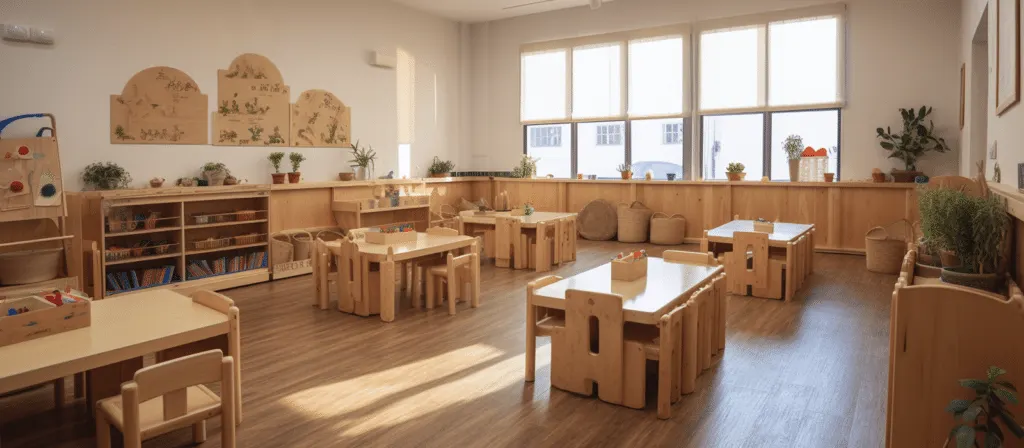
Have you ever wondered how the choice of furniture in a preschool setting can influence a child’s learning journey? In this exploration, we will delve into the crucial role that preschool furniture plays in shaping learning outcomes, shedding light on its profound impact on children’s development.
The Impact of Preschool Furniture on Learning Outcomes is profound and multifaceted. It encompasses a range of factors that affect a child’s educational journey, from physical comfort to cognitive development. The choice of furniture directly influences a child’s ability to engage with the learning environment, leading to a significant impact on their overall educational experience.
What is the impact of preschool furniture on learning outcomes?
Research has shown that the physical environment has a profound influence on children’s behavior and cognitive development. When it comes to preschool furniture, the design and functionality can either enhance or hinder the learning process. By providing comfortable and appropriately sized chairs and tables, we can create an environment that promotes engagement, concentration, and active participation.
For instance, studies have found that ergonomic chairs and tables can improve posture, reduce fatigue, and increase focus among young learners. When children are comfortable and properly supported, they are more likely to stay engaged in activities and maintain better concentration. On the other hand, uncomfortable or poorly designed furniture can lead to distractions, discomfort, and even physical discomfort, which can negatively impact learning outcomes.

In addition to comfort, the organization and functionality of preschool furniture also play a crucial role in promoting a conducive learning environment. Adequate storage solutions and easily accessible materials can help create an organized space that encourages independence, exploration, and creativity. When children can easily find and access the materials they need, they can spend more time actively learning and less time searching or waiting for assistance.
Furthermore, the design and aesthetics of preschool furniture can also have a psychological impact on children. Bright and visually stimulating furniture can create a sense of excitement and curiosity, making the learning environment more inviting and engaging. By incorporating playful and interactive elements into furniture design, we can spark children’s imagination and encourage hands-on learning experiences.
How does the choice of materials impact learning outcomes?
When it comes to preschool furniture, the choice of materials is another crucial factor to consider. High-quality, durable materials not only ensure the longevity of the furniture but also contribute to the overall safety and well-being of children. Furniture made from non-toxic and eco-friendly materials not only reduces health risks but also promotes a sustainable and environmentally conscious mindset among young learners.
Moreover, the use of natural materials such as wood can have a positive impact on children’s sensory experiences. Wood furniture provides a tactile and warm sensation, creating a more inviting and comfortable learning environment. Research suggests that exposure to natural elements can improve children’s cognitive function, attention span, and overall well-being.

How can flexible furniture enhance learning outcomes?
Flexibility is another key aspect of preschool furniture that can greatly impact learning outcomes. As children grow and develop, their needs and learning styles change. By providing furniture that is adjustable and adaptable, we can accommodate diverse learning preferences and promote inclusivity.
For example, furniture that can be easily rearranged or transformed can facilitate collaborative learning and group activities. It allows children to work together, share ideas, and develop important social and communication skills. Additionally, flexible furniture can also support individualized learning by providing options for different seating positions, such as standing desks or alternative seating options like bean bags or floor cushions.
What about the role of aesthetics in learning outcomes?
While the functionality and practicality of preschool furniture are crucial, aesthetics should not be overlooked. The visual appeal of the learning environment can have a profound impact on children’s mood, motivation, and overall engagement. By creating an aesthetically pleasing and visually stimulating space, we can inspire creativity, curiosity, and a love for learning.
The use of vibrant colors, playful designs, and age-appropriate themes in preschool furniture can create an environment that excites and inspires young learners. By incorporating elements of nature, storytelling, or favorite characters, we can spark imagination and connect learning to children’s interests and experiences.
In conclusion
Providing the right preschool furniture for art and creative expression is crucial in fostering children’s imagination, creativity, and cognitive development. Investing in quality furniture such as art easels, tables, supply carts, and display boards creates an environment that supports and encourages children’s artistic pursuits. Let’s give our little artists the tools they need to unleash their creativity and create masterpieces!

Hey, I’m Roger, the founder of Xiha Montessori, a family-run business. We specialize in preschool furniture and educational solutions.
Over the past 20 years, we have helped clients in 55 countries and 2000+ preschools, daycares, and early childcare centers create safe and inspiring learning environments.
This article shares knowledge on making education more effective and enjoyable for children.
Wooden Preschool Furniture Care Guide For Busy Classrooms
Read More »
How to Childproof a Daycare Classroom: A Practical Safety Checklist
Read More »
Daycare Cribs Buying Guide: How to Choose Safe, Practical Sleep Furniture
Read More »
Object Permanence: What Babies Learn and How Montessori Activities Support It
Read More »
Effective Preschool Classroom Rules: How to Create a Safe and Orderly Learning Environment
Read More »
How to Start a Daycare: A Practical Planning Guide
Read More » Roger Cai
Education Specialists
Hey, I’m the author of this post.
Over the past 20 years, we have helped 55 countries and 2000+ Clients, like Preschools, Daycare, and Early Childcare Centres, to create safe and inspiring learning environments.
If you need a purchase or consultation, please contact us for a free product catalog and classroom layout design.