
The Montessori Prepared Environment

A Montessori classroom is a meticulously crafted environment, designed to meet the developmental needs of children and foster a love of learning.Every piece of furniture and every corner of the Montessori classroom prepared environment is designed for a purpose
Montessori classrooms are unique learning spaces designed to cater to children’s developmental stages. Montessori environments are more than just a place for children to learn academic skills; they are spaces where children develop holistically, including emotional, social, physical, and cognitive growth.
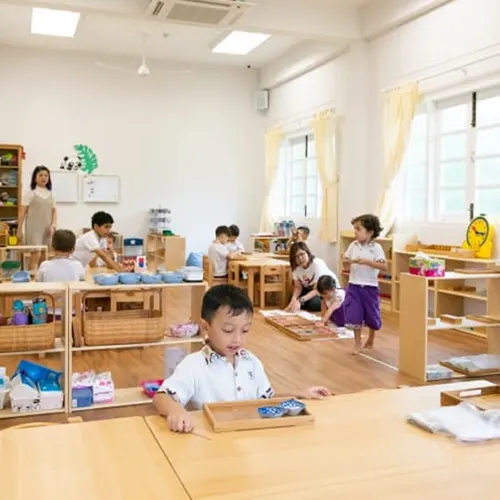
Features of the Prepared Environment
- Child-Centric Design
- Developmentally Appropriate Materials
- Order and Simplicity
- Freedom within Structure
- Aesthetic and Clean
- Natural and Real-Life Materials
- Autonomy and Independence
- Integration of Nature
- Culturally Diverse and Inclusive
The Prepared Environmen
1.Child-Centric Design
In montessori prepared environmen, every aspect of the environment is designed from the child’s point of view; the furniture is child-sized, allowing for easy access and promoting independence, and this design philosophy extends to all elements including the height of the shelves, the size of the materials, and even the artwork on display, making for such a child-centered environment that makes them feel valued and empowered.
2.Developmentally Appropriate Materials
The materials in the Montessori classroom prepared environmen are not only age-appropriate, but cater to the different stages of children’s development. Montessori materials challenge and engage children, helping them develop cognitive, motor, and problem-solving skills. From simple puzzles for the youngest learners to more complex materials for older children, each has been chosen to support and stimulate learning at every stage.
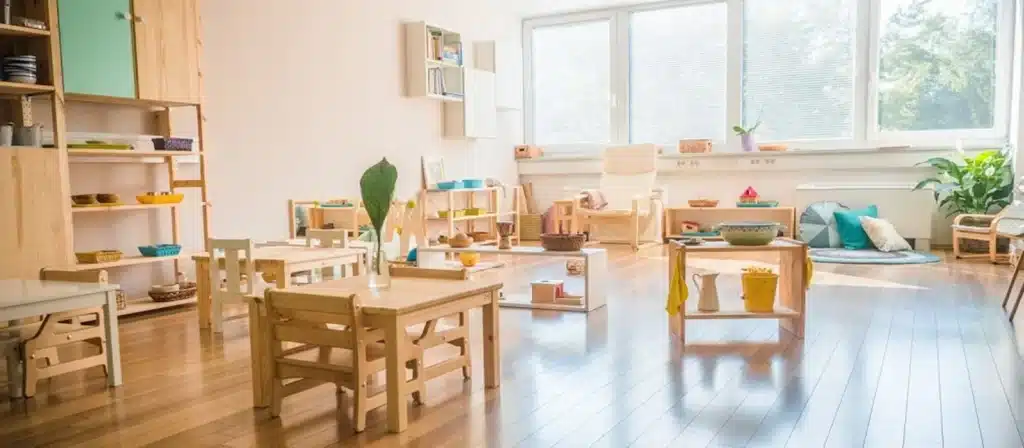
3.Order and Simplicity
The Montessori classroom prepared environmenis characterized by a sense of order and simplicity. The environment is carefully organized, with each program having a specific location. This order is crucial because it helps children understand and navigate their surroundings independently. The simplicity of the design and the arrangement of materials reduces distractions and allows children to focus on their learning tasks.
4.Freedom within Structure
The concept of freedom in structure is the foundation of the Montessori classroom. Children are free to choose their activities, but within a structured framework set by the educator. This approach allows children to explore and learn at their own pace, fostering a sense of independence while ensuring a balanced and well-rounded learning environment.
5.Aesthetic and Clean
Aesthetics play an important role in the Montessori preparation environment. Classrooms are not only kept clean and tidy, but also aesthetically pleasing. The use of natural colors, soft lighting and beautiful materials create a calm and inviting space. This emphasis on beauty and cleanliness helps foster an appreciation for the environment and encourages children to maintain and care for their space.
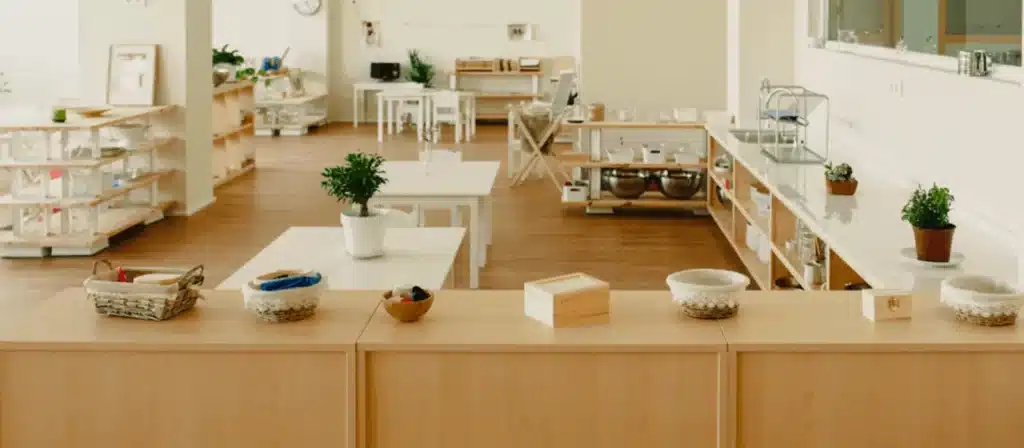
6.Natural and Real-Life Materials
Montessori classrooms emphasize the use of natural and real-life materials. These materials are chosen for their tactility and connection to the real world. These materials combine elements of wood, metal and glass, and avoid the use of plastics wherever possible, helping children to develop a stronger connection with nature and an understanding of the importance of sustainability.
7.Autonomy and Independence
The Montessori method emphasizes the development of children’s autonomy and independence. The classroom preparation environment is designed to allow children to do things for themselves – from choosing activities to getting dressed and preparing snacks. This empowerment builds confidence, self-reliance and responsibility.
8.Integration of Nature
Nature is seamlessly integrated into the Montessori classroom, whether through the use of natural light, houseplants, or materials derived from nature, and this integration fosters a deep respect for and understanding of the prepared environment, as well as endless opportunities for children to learn about and connect with the natural world.

9.Culturally Diverse and Inclusive
Montessori classrooms epitomize the world, embracing cultural diversity and inclusiveness. Classrooms feature materials and activities that reflect a wide range of cultures and traditions, promoting an understanding of and respect for diversity. This exposure helps children develop a global perspective and appreciation for different cultures.
Conclusion
The Montessori classroom environment is a thoughtfully designed space that respects and responds to the needs of the child. At Xiha Montessori, we are dedicated to supporting this environment by providing high-quality, tailored furniture and materials. Our commitment goes beyond business – it’s about contributing to a world where children can grow as confident, competent, and compassionate individuals.
Share this article:
Hey, I’m Roger, the founder of Xiha Montessori, a family-run business. We specialize in preschool furniture and educational solutions.
Over the past 20 years, we have helped clients in 55 countries and 2000+ preschools, daycares, and early childcare centers create safe and inspiring learning environments.
This article shares knowledge on making education more effective and enjoyable for children.
Wooden Preschool Furniture Care Guide For Busy Classrooms
Read More »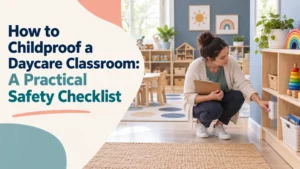
How to Childproof a Daycare Classroom: A Practical Safety Checklist
Read More »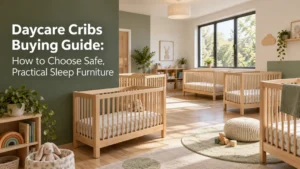
Daycare Cribs Buying Guide: How to Choose Safe, Practical Sleep Furniture
Read More »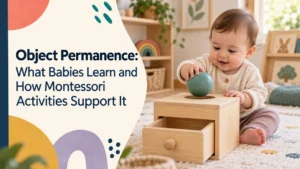
Object Permanence: What Babies Learn and How Montessori Activities Support It
Read More »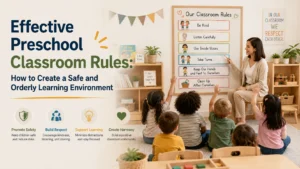
Effective Preschool Classroom Rules: How to Create a Safe and Orderly Learning Environment
Read More »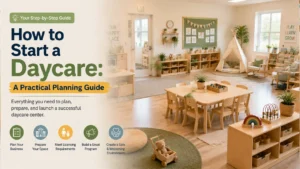
How to Start a Daycare: A Practical Planning Guide
Read More » Roger Cai
Education Specialists
Hey, I’m the author of this post.
Over the past 20 years, we have helped 55 countries and 2000+ Clients, like Preschools, Daycare, and Early Childcare Centres, to create safe and inspiring learning environments.
If you need a purchase or consultation, please contact us for a free product catalog and classroom layout design.