
The Role of Reggio Emilia Furniture in Documentation and Reflection
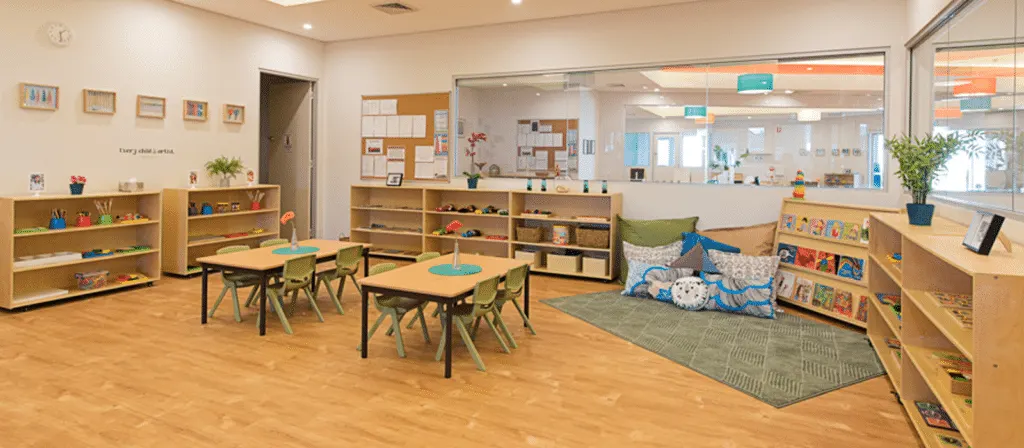
Ever wondered how Reggio Emilia furniture can transform the process of documentation and reflection in educational settings? Curious about the role of purposeful furniture in capturing and honoring children’s learning journeys? Join us as we embark on a captivating exploration of the profound impact Reggio Emilia furniture holds in the realm of documentation and reflection.
Discover how Reggio Emilia furniture serves as a catalyst for documentation and reflection, fostering a culture of deep learning and meaningful connections. Through thoughtfully designed furniture, the learning environment becomes a canvas for capturing children’s experiences, thoughts, and reflections, amplifying their voices and celebrating their unique learning paths.
What is Reggio Emilia furniture?
Reggio Emilia furniture refers to the specific type of furniture used in Reggio Emilia-inspired classrooms. It is often made of natural materials such as wood and incorporates open-ended design elements that encourage exploration and creativity. This furniture is carefully selected and arranged to create a learning environment that supports documentation and reflection.
How does Reggio Emilia furniture support documentation?
Documentation is an integral part of the Reggio Emilia approach. It involves the process of capturing and showcasing children’s learning experiences through various forms such as photographs, videos, and written observations. Reggio Emilia furniture plays a crucial role in facilitating this documentation process.
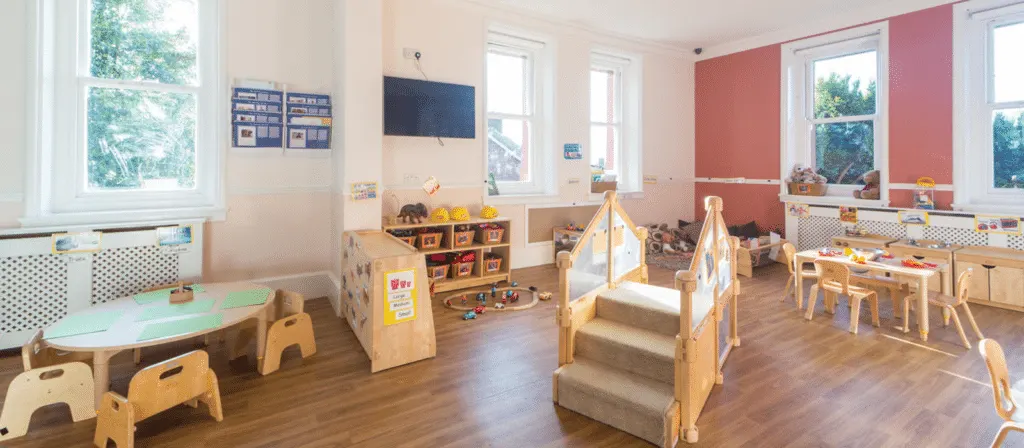
One key feature of Reggio Emilia furniture is its versatility. The furniture is designed to be easily movable and rearrangeable, allowing educators to create different learning spaces and display areas for documentation. For example, tables with wheels can be easily moved around to create collaborative workspaces where children can engage in group projects and document their progress.
Furthermore, Reggio Emilia furniture often includes built-in storage spaces and display shelves. These storage spaces provide a designated area for storing documentation materials such as photographs, artwork, and written observations. Display shelves allow children’s work to be prominently showcased, providing a visual representation of their learning journey.
How does Reggio Emilia furniture promote reflection?
Reflection is a key component of the Reggio Emilia approach as it encourages children to think critically about their learning experiences. Reggio Emilia furniture supports reflection by creating an environment that fosters independent thinking and self-expression.
One way Reggio Emilia furniture promotes reflection is through its open-ended design. Unlike traditional classroom furniture that may restrict movement and exploration, Reggio Emilia furniture allows children to freely navigate their learning environment. For example, floor cushions and soft seating options provide comfortable spaces for quiet reflection and introspection.
Additionally, Reggio Emilia furniture often incorporates natural elements such as plants and natural light. These elements create a calming and inviting atmosphere that encourages children to engage in deep thinking and reflection. Natural lighting also enhances the visibility of documentation materials, making it easier for children to reflect on their own and others’ work.
The impact of Reggio Emilia furniture on learning
The use of Reggio Emilia furniture in early childhood education settings has been shown to have a positive impact on children’s learning and development. The flexible and adaptable nature of the furniture allows for personalized learning experiences and promotes a sense of ownership and autonomy among children.
Research has also indicated that the use of Reggio Emilia furniture enhances children’s creativity and problem-solving skills. The open-ended design of the furniture encourages exploration and experimentation, providing children with opportunities to think critically and come up with innovative solutions.
Furthermore, the use of Reggio Emilia furniture promotes collaboration and social interaction among children. The movable furniture and collaborative workspaces create a sense of shared ownership and provide opportunities for children to work together, share ideas, and engage in meaningful conversations.
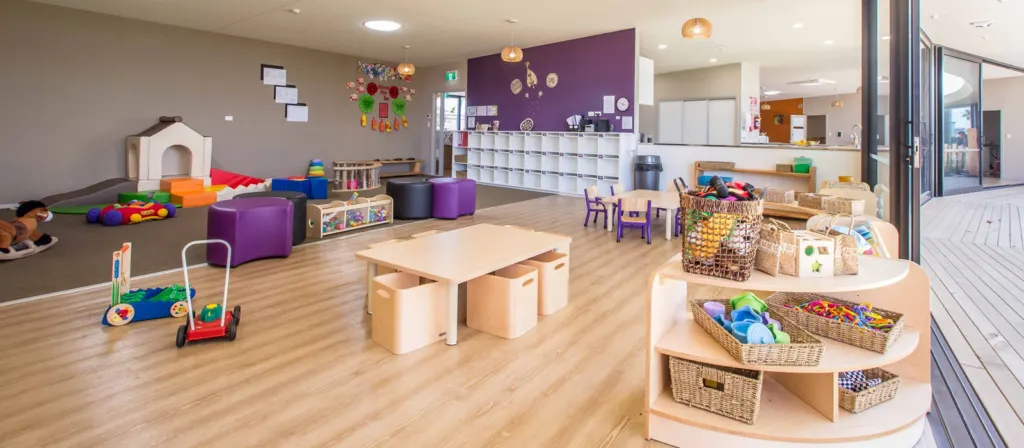
In conclusion, Reggio Emilia furniture plays a vital role in supporting documentation and reflection in early childhood education. Its versatile design allows for easy display and storage of documentation materials, while its open-ended nature promotes independent thinking and self-reflection. By creating a learning environment that fosters exploration, creativity, and collaboration, Reggio Emilia furniture contributes to children’s overall learning and development.

Hey, I’m Roger, the founder of Xiha Montessori, a family-run business. We specialize in preschool furniture and educational solutions.
Over the past 20 years, we have helped clients in 55 countries and 2000+ preschools, daycares, and early childcare centers create safe and inspiring learning environments.
This article shares knowledge on making education more effective and enjoyable for children.
Wooden Preschool Furniture Care Guide For Busy Classrooms
Read More »
How to Childproof a Daycare Classroom: A Practical Safety Checklist
Read More »
Daycare Cribs Buying Guide: How to Choose Safe, Practical Sleep Furniture
Read More »
Object Permanence: What Babies Learn and How Montessori Activities Support It
Read More »
Effective Preschool Classroom Rules: How to Create a Safe and Orderly Learning Environment
Read More »
How to Start a Daycare: A Practical Planning Guide
Read More » Roger Cai
Education Specialists
Hey, I’m the author of this post.
Over the past 20 years, we have helped 55 countries and 2000+ Clients, like Preschools, Daycare, and Early Childcare Centres, to create safe and inspiring learning environments.
If you need a purchase or consultation, please contact us for a free product catalog and classroom layout design.