
What are the five main components of Montessori Method?
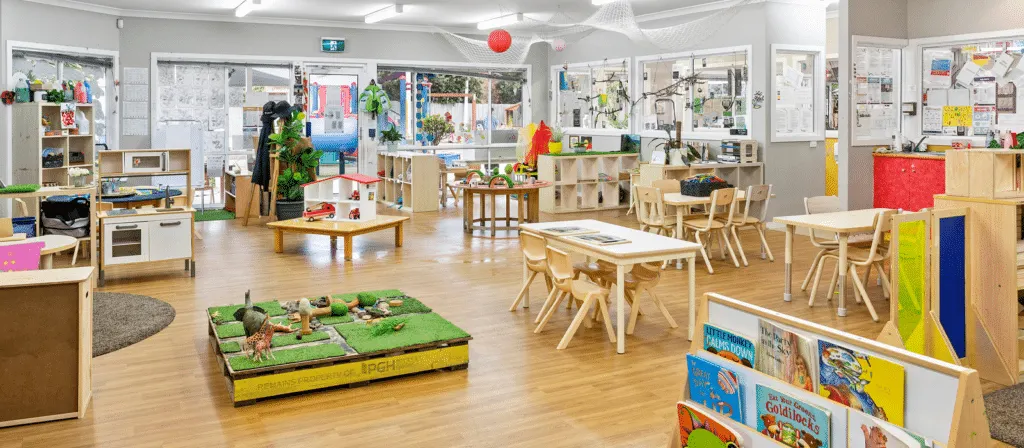
Curious about the foundational elements that shape the Montessori Method? Join us on a journey of discovery as we unravel the five main components that form the essence of this innovative approach to education.
The Montessori Method encompasses five key components that are fundamental to its philosophy and approach to learning. These components include a prepared environment, mixed-age classrooms, self-directed activity, hands-on materials, and a trained Montessori teacher.
Prepared Environment
The Montessori classroom is meticulously prepared to meet the needs and interests of the children. It is a carefully designed space that encourages exploration, independence, and learning. Each area is thoughtfully arranged with developmentally appropriate materials that are accessible and inviting. The prepared environment promotes freedom of movement, order, and a sense of calm, allowing children to fully engage in their learning experiences.
Mixed-Age Classrooms
One distinguishing feature of Montessori education is the presence of mixed-age classrooms. Children of different ages learn together, fostering a sense of community, cooperation, and collaboration. Older children serve as mentors and role models, while younger children are inspired by their peers. The mixed-age dynamic promotes social skills, empathy, and the opportunity for children to learn at their own pace, regardless of their age.
Self-Directed Learning
In the Montessori Method, children are encouraged to follow their own interests and take an active role in their learning journey. Self-directed learning allows children to choose their activities from a carefully curated selection of materials. This approach cultivates intrinsic motivation, independence, and a love for learning. Through self-directed exploration, children develop a sense of ownership, critical thinking skills, and the ability to make choices based on their individual needs.
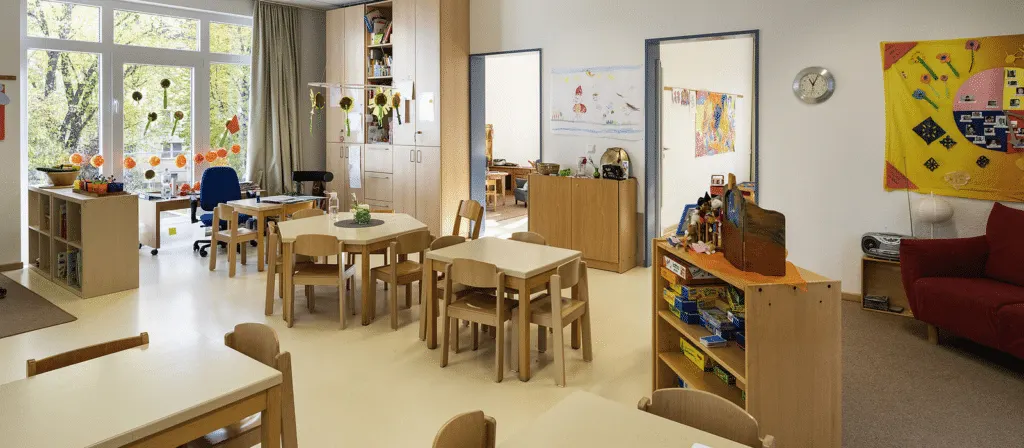
Purposeful Montessori Materials
Montessori materials are specifically designed to support hands-on learning and promote independent discovery. These materials are carefully selected to address various developmental areas, including sensorial exploration, language development, mathematics, cultural studies, and practical life skills. The materials are designed to be self-correcting, allowing children to learn from their own mistakes and develop problem-solving abilities.
Trained Montessori Teachers
Montessori teachers play a crucial role in creating a nurturing and supportive learning environment. They undergo specialized training to understand child development, observe individual needs, and provide appropriate guidance. Montessori teachers serve as facilitators, observing each child’s progress and offering guidance and support when needed. They create a peaceful, respectful atmosphere where children feel valued, encouraged, and empowered to explore and learn.
Conclusion
The Montessori Method is founded upon five essential components: the prepared environment, mixed-age classrooms, self-directed learning, purposeful Montessori materials, and trained Montessori teachers. By embracing these principles, Montessori education promotes holistic development, independence, critical thinking, and a lifelong love for learning. Whether you are a parent, educator, or simply interested in educational approaches, understanding the five main components of the Montessori Method provides valuable insights into this innovative and effective educational philosophy.

Hey, I’m Roger, the founder of Xiha Montessori, a family-run business. We specialize in preschool furniture and educational solutions.
Over the past 20 years, we have helped clients in 55 countries and 2000+ preschools, daycares, and early childcare centers create safe and inspiring learning environments.
This article shares knowledge on making education more effective and enjoyable for children.
Wooden Preschool Furniture Care Guide For Busy Classrooms
Read More »
How to Childproof a Daycare Classroom: A Practical Safety Checklist
Read More »
Daycare Cribs Buying Guide: How to Choose Safe, Practical Sleep Furniture
Read More »
Object Permanence: What Babies Learn and How Montessori Activities Support It
Read More »
Effective Preschool Classroom Rules: How to Create a Safe and Orderly Learning Environment
Read More »
How to Start a Daycare: A Practical Planning Guide
Read More » Roger Cai
Education Specialists
Hey, I’m the author of this post.
Over the past 20 years, we have helped 55 countries and 2000+ Clients, like Preschools, Daycare, and Early Childcare Centres, to create safe and inspiring learning environments.
If you need a purchase or consultation, please contact us for a free product catalog and classroom layout design.