
What is Montessori furniture made of?
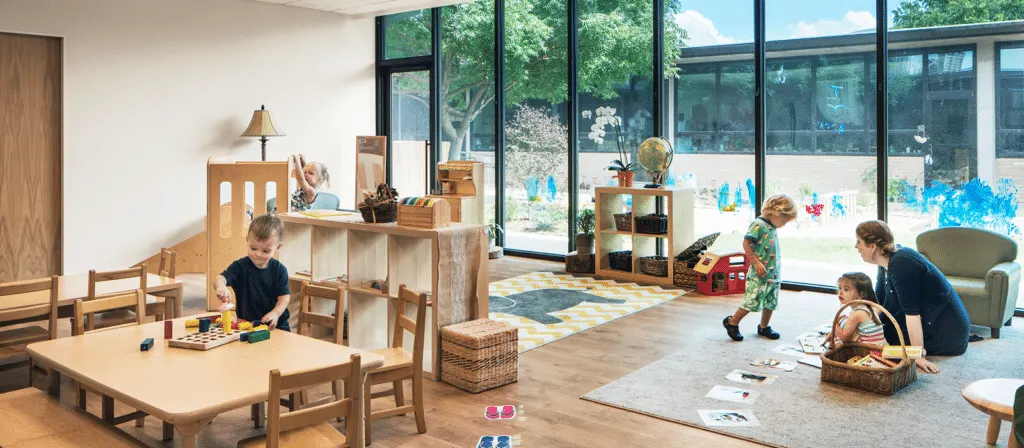
Curious about the materials that make up Montessori furniture? Wondering what goes into crafting these purposeful and engaging learning tools? Join us on a journey of discovery as we unveil the secrets behind the composition of Montessori furniture. Let’s explore the materials that bring this educational philosophy to life and create a nurturing environment for children.
Montessori furniture is primarily made of natural, sustainable materials. Wood is one of the most commonly used materials in Montessori furniture. It is durable, visually appealing, and provides a warm and inviting atmosphere. The wood used is typically sourced from responsibly managed forests to ensure its sustainability. Oak, birch, and beech are popular choices due to their strength and versatility.
Another material often found in Montessori furniture is natural fibers, such as cotton or wool. These materials are used for upholstery, cushions, and rugs. Natural fibers are preferred over synthetic materials due to their breathability, comfort, and eco-friendly nature. Natural fibers also provide a sensory experience for children, allowing them to explore different textures and develop their tactile senses.
In addition to wood and natural fibers, Montessori furniture may incorporate elements of metal and glass. Metal frames or accents are used to provide stability and durability to pieces such as shelves or tables. Glass is used for items like mirrors, which are essential in Montessori environments to promote self-awareness and independence.
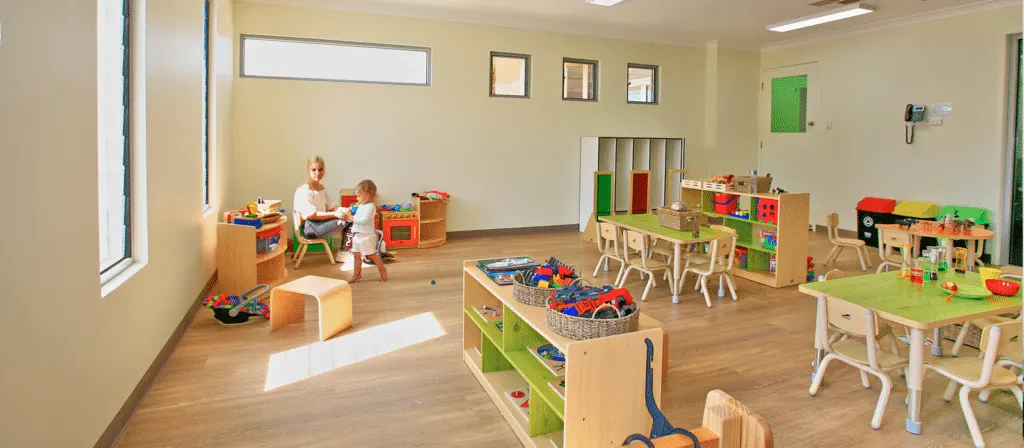
Montessori furniture is designed with a focus on simplicity and functionality. The pieces are often low to the ground, allowing children to easily access them and encouraging independent movement. Open shelving is commonly used to display materials and toys, making them easily accessible and encouraging children to take ownership of their learning environment.
One of the key principles of Montessori education is the use of natural materials to connect children with the natural world. By using furniture made from natural materials, children are able to develop a deeper appreciation for the environment and the importance of sustainability. They learn to care for their surroundings and understand the impact of their choices.
The use of natural materials in Montessori furniture also aligns with the idea of creating a calm and inviting space. Natural materials have a soothing effect on the senses, promoting a sense of peace and tranquility. This is particularly important in Montessori environments, as it allows children to focus and concentrate on their activities without unnecessary distractions.
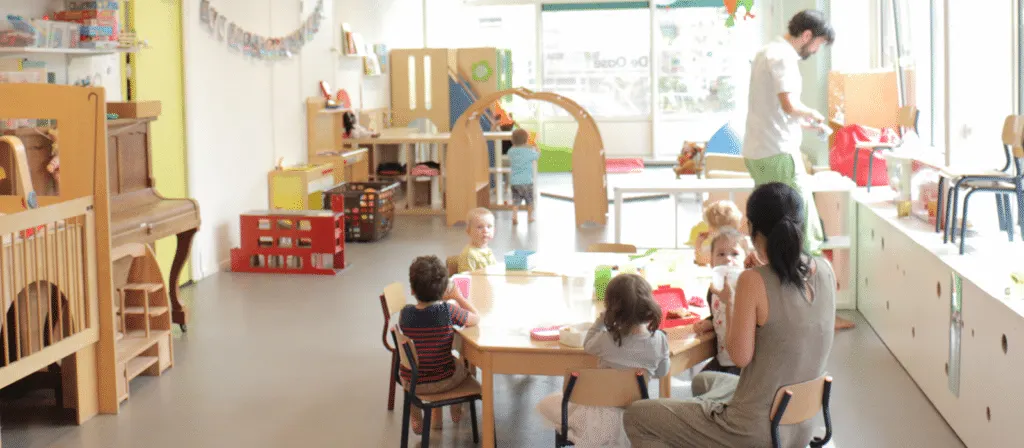
In Conclusion, Montessori furniture is carefully crafted using natural woods, metal components, natural fibers, glass, and environmentally friendly finishes. These materials not only provide durability and aesthetic appeal but also foster a connection with nature, promote sensory exploration, and contribute to a safe and nurturing learning environment for children.
Embrace the blend of craftsmanship, quality materials, and purposeful design in Montessori furniture, as they create an environment that supports children’s independence, exploration, and holistic development. Experience the beauty and functionality of Montessori furniture as it transforms classrooms into vibrant and engaging spaces for young learners to thrive.

Hey, I’m Roger, the founder of Xiha Montessori, a family-run business. We specialize in preschool furniture and educational solutions.
Over the past 20 years, we have helped clients in 55 countries and 2000+ preschools, daycares, and early childcare centers create safe and inspiring learning environments.
This article shares knowledge on making education more effective and enjoyable for children.

Wooden Preschool Furniture Care Guide For Busy Classrooms
Read More »
How to Childproof a Daycare Classroom: A Practical Safety Checklist
Read More »
Daycare Cribs Buying Guide: How to Choose Safe, Practical Sleep Furniture
Read More »
Object Permanence: What Babies Learn and How Montessori Activities Support It
Read More »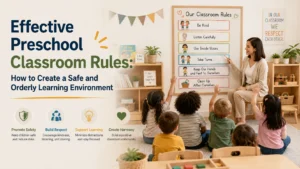
Effective Preschool Classroom Rules: How to Create a Safe and Orderly Learning Environment
Read More »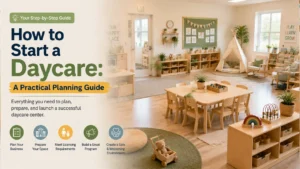
How to Start a Daycare: A Practical Planning Guide
Read More » Roger Cai
Education Specialists
Hey, I’m the author of this post.
Over the past 20 years, we have helped 55 countries and 2000+ Clients, like Preschools, Daycare, and Early Childcare Centres, to create safe and inspiring learning environments.
If you need a purchase or consultation, please contact us for a free product catalog and classroom layout design.