
What is Montessori Sensitive Period?
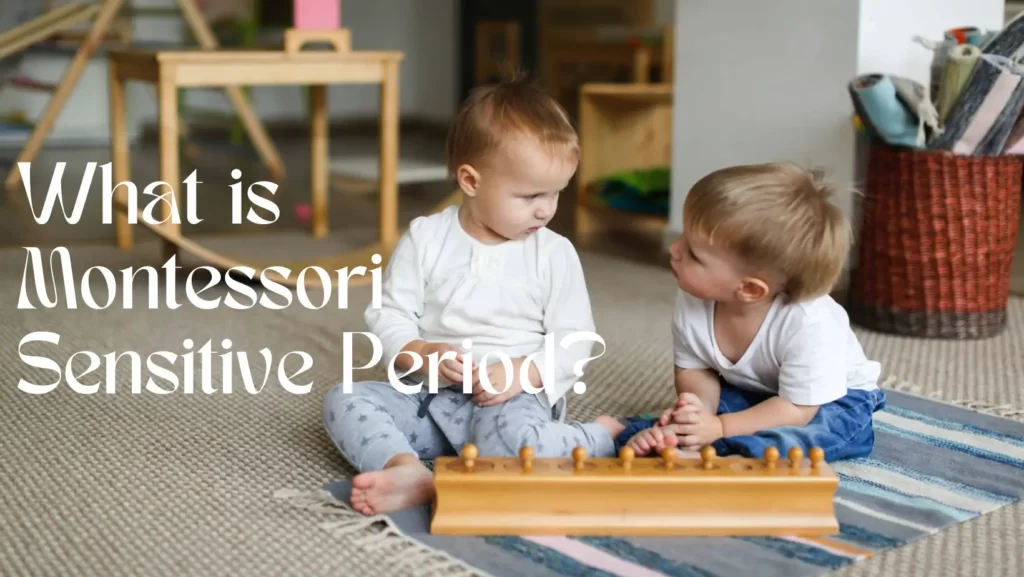
The sensitive period encourages children to do the unthinkable. During this time, adults may be in awe of what a child can do. It is also during these periods that children may become frustrated when adults try to help them or intervene.
“When a particular sensitiveness is aroused in a child, it is like a light that shines on some objects but not others, making of them his whole world” – Maria Montessori
Maria Montessori once said that children go through definite periods in which they uncover psychic aptitudes and conceivable outcomes which afterwards disappear. Children experience various phases of delicate periods all through their early years at specific times from birth and six years old (to age six).
Sensitive period is a term used by Montessori to describe a period of intense interest and development from birth to age 6. The current term is “optimal learning time” and it describes this period very well.
Sensitive Period For Movement
Age:Birth to 4 years
From birth to about age 4, children go through a period of motor sensitivity. This is when they learn to control and coordinate their bodies. It starts with basic movements, such as grasping, and reaches milestones such as sitting, standing, walking, and eventually running.
During this time, children are exploring their physical abilities and developing spatial awareness. It is important to provide them with a safe and stimulating environment where they can move freely and refine their motor skills.
Sensitive Period For Language
Age:Birth to 6 years
The Sensitive Period for Language extends from birth to about 6 years. This is a time when children’s brains are primed to absorb language. It begins with cooing and babbling and evolves into forming words, sentences, and complex language structures. During these formative years, children benefit from being exposed to a rich language environment. This includes engaging conversations, storytelling, and reading.
Sensitive Period For Sensorial Exploration/Experience
Age:Birth to 6 years
The Sensorial Exploration/Experience period spans from birth to 6 years. This is when children learn and develop by using their senses. They are particularly sensitive to differences in size, shape, color, sound, texture, and weight. Activities like sorting, matching, and categorizing help children make sense of the world.
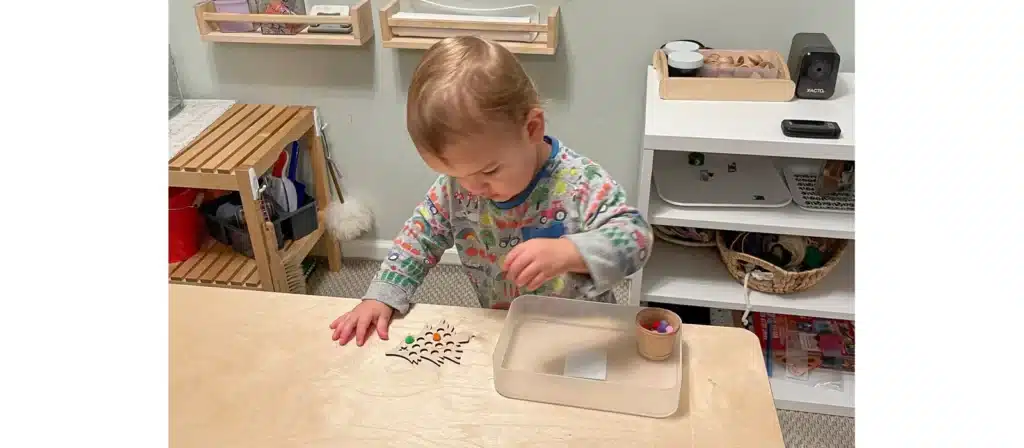
Sensitive Period For Small Objects
Age:18 months to 3 years
Between 18 months and 3 years, children enter a Sensitive Period for Small Objects. This is a time when their focus shifts to smaller items, aiding in the development of fine motor skills and hand-eye coordination. Activities like threading beads, puzzles, and using utensils are important during this stage. They not only help in refining motor skills but also in developing concentration and problem-solving abilities.
Sensitive Period For Order
Age:1 to 3 years
From 1 to 3 years, children experience the Sensitive Period for Order. This is when they begin to understand and crave consistency in their environment. They start to make sense of the world by recognizing patterns and sequences. A structured environment with a predictable routine helps children feel secure and aids in their cognitive development.
Sensitive Period For Social Interaction
Age:2.5 to 6 years
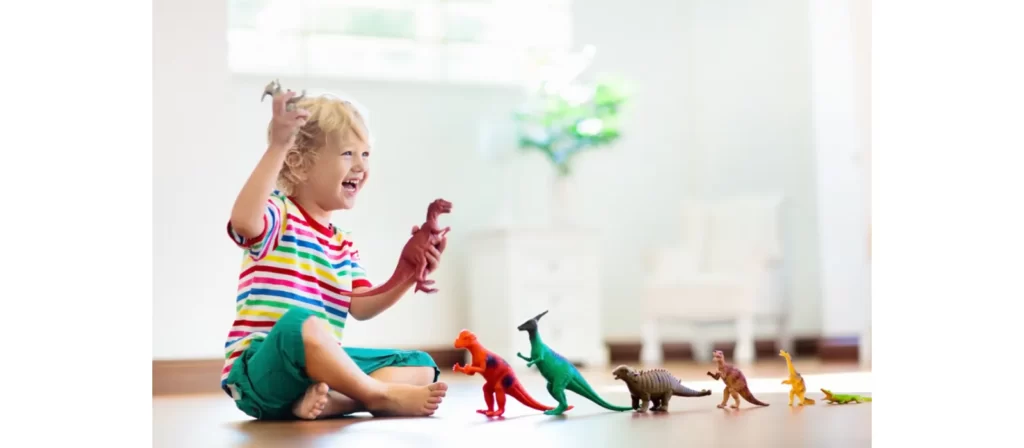
The Sensitive Period for Social Interaction, from about 2.5 to 6 years, is when children become particularly attuned to social cues and start to understand the importance of relationships. They learn to cooperate, share, and empathize with others. This period is crucial for developing social skills that will be used throughout their lives.

Hey, I’m Roger, the founder of Xiha Montessori, a family-run business. We specialize in preschool furniture and educational solutions.
Over the past 20 years, we have helped clients in 55 countries and 2000+ preschools, daycares, and early childcare centers create safe and inspiring learning environments.
This article shares knowledge on making education more effective and enjoyable for children.
Wooden Preschool Furniture Care Guide For Busy Classrooms
Read More »
How to Childproof a Daycare Classroom: A Practical Safety Checklist
Read More »
Daycare Cribs Buying Guide: How to Choose Safe, Practical Sleep Furniture
Read More »
Object Permanence: What Babies Learn and How Montessori Activities Support It
Read More »
Effective Preschool Classroom Rules: How to Create a Safe and Orderly Learning Environment
Read More »
How to Start a Daycare: A Practical Planning Guide
Read More » Roger Cai
Education Specialists
Hey, I’m the author of this post.
Over the past 20 years, we have helped 55 countries and 2000+ Clients, like Preschools, Daycare, and Early Childcare Centres, to create safe and inspiring learning environments.
If you need a purchase or consultation, please contact us for a free product catalog and classroom layout design.