
What is the best age for Montessori?
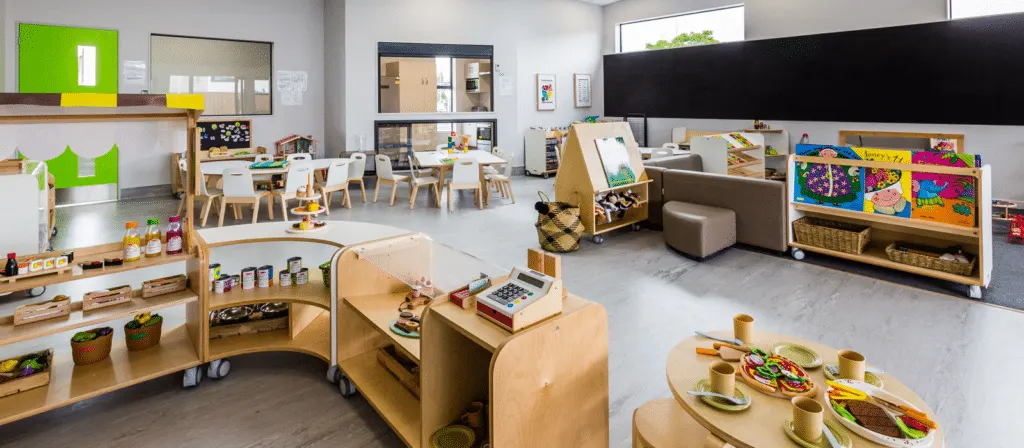
Curious about the optimal age for introducing your child to Montessori education? Join us as we unravel the mysteries and explore the ideal age range for embracing the Montessori approach. Discover when your child can benefit the most from this innovative educational method.
The Montessori approach is designed to accommodate children across various age groups, starting from infancy to adolescence. However, the critical period for Montessori education typically begins around 2.5 to 3 years old when children have developed basic motor skills, language abilities, and a growing sense of independence.
What is the best age to introduce Montessori education?
The answer may surprise you: there is no one-size-fits-all age for starting Montessori.
The Montessori approach can be beneficial for children of various ages, from infancy to adolescence. Each stage of a child’s development presents unique opportunities for growth and learning within a Montessori environment. This flexibility is one of the many strengths of the Montessori method.
Infancy and Toddlerhood: The Foundation of Montessori
In the early years of a child’s life, from birth to around three years old, the Montessori approach focuses on fostering independence, motor skills, and language development. Montessori environments for infants and toddlers typically include materials that encourage sensory exploration, coordination, and language acquisition.
During this stage, children are like sponges, absorbing everything around them. Montessori materials, such as the famous pink tower or the knobbed cylinders, provide opportunities for sensory stimulation and refinement of fine motor skills. Starting Montessori at this age can lay a strong foundation for later learning.
Preschool and Kindergarten: The Magic of Montessori
Preschool and kindergarten are often the most popular age ranges for starting Montessori education. At this stage, children are typically between three and six years old, and their curiosity and eagerness to learn are at an all-time high.
In a Montessori preschool classroom, children engage in a wide range of activities that promote independence, concentration, and a love for learning. They work with hands-on materials, explore nature, develop social skills, and learn at their own pace. The mixed-age classrooms provide opportunities for older children to mentor and younger children to be inspired by their peers.
Starting Montessori at this age allows children to develop a solid foundation in math, language, practical life skills, and cultural subjects. They become confident and independent learners who are well-prepared for the next stage of their education.
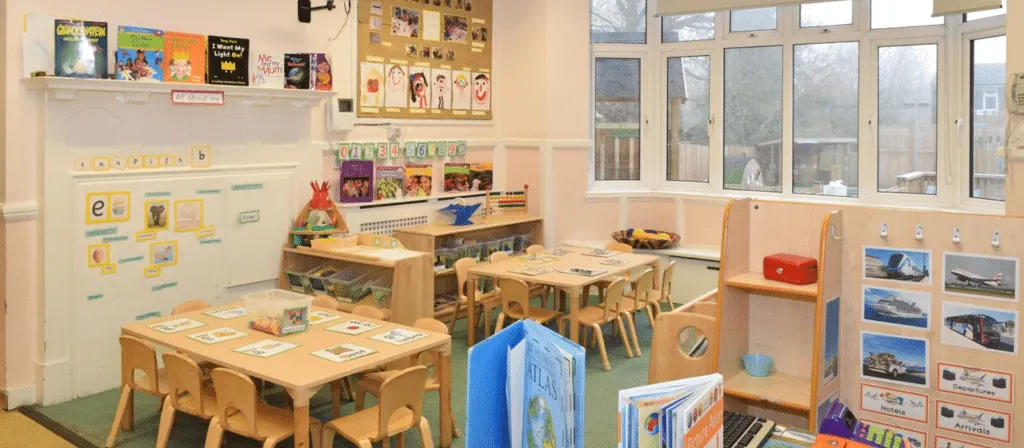
Elementary and Beyond: Montessori for Older Children
While Montessori is often associated with preschool and kindergarten, the approach extends beyond early childhood education. Montessori elementary programs cater to children between six and twelve years old, and they build upon the foundation established in the earlier years.
In the elementary years, Montessori classrooms encourage children to delve deeper into their interests, engage in research, and collaborate with their peers. The curriculum expands to include subjects like history, geography, biology, and geometry. Children work on long-term projects, develop critical thinking skills, and become active participants in their own education.
Starting Montessori at the elementary level can be a transformative experience for older children. They develop a love for learning, become self-directed learners, and gain a deep understanding of the interconnectedness of knowledge.
Conclusion
The best age for Montessori education depends on the individual child and their unique needs and interests. Montessori principles can be applied from infancy to adolescence, providing a nurturing and stimulating environment for children to grow and thrive.
Whether you choose to start Montessori in infancy, preschool, or beyond, the key is to provide an environment that fosters independence, hands-on learning, and a love for knowledge.

Hey, I’m Roger, the founder of Xiha Montessori, a family-run business. We specialize in preschool furniture and educational solutions.
Over the past 20 years, we have helped clients in 55 countries and 2000+ preschools, daycares, and early childcare centers create safe and inspiring learning environments.
This article shares knowledge on making education more effective and enjoyable for children.
Wooden Preschool Furniture Care Guide For Busy Classrooms
Read More »
How to Childproof a Daycare Classroom: A Practical Safety Checklist
Read More »
Daycare Cribs Buying Guide: How to Choose Safe, Practical Sleep Furniture
Read More »
Object Permanence: What Babies Learn and How Montessori Activities Support It
Read More »
Effective Preschool Classroom Rules: How to Create a Safe and Orderly Learning Environment
Read More »
How to Start a Daycare: A Practical Planning Guide
Read More » Roger Cai
Education Specialists
Hey, I’m the author of this post.
Over the past 20 years, we have helped 55 countries and 2000+ Clients, like Preschools, Daycare, and Early Childcare Centres, to create safe and inspiring learning environments.
If you need a purchase or consultation, please contact us for a free product catalog and classroom layout design.