
Why are Montessori toys so simple?
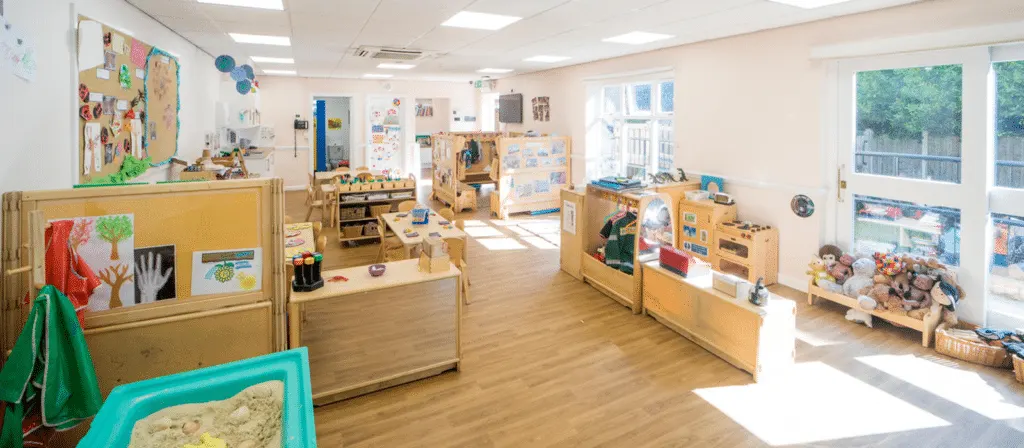
Have you ever wondered why Montessori toys stand out for their simplicity? Why do they often lack flashy features or complex designs? Join us on a journey to discover the underlying philosophy behind Montessori toys and explore why simplicity holds a profound impact on children’s learning and development.
In a world filled with flashy and overwhelming toys, Montessori toys take a different approach. They embrace simplicity to promote essential aspects of early childhood development, including concentration, independence, creativity, and problem-solving skills. By focusing on open-ended materials and uncluttered designs, Montessori toys allow children to engage in meaningful exploration and self-directed learning.
What is the Montessori approach?
The Montessori approach to education was developed by Dr. Maria Montessori in the early 1900s. It is based on the idea that children learn best through hands-on experiences and independent exploration. The Montessori method emphasizes the importance of creating a prepared environment that is conducive to learning and allows children to engage in activities that promote their natural development.
The role of simplicity in Montessori toys
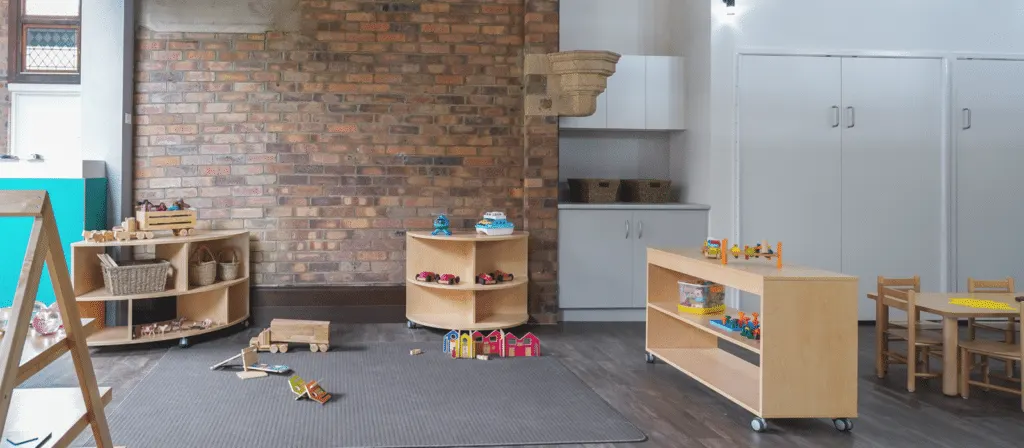
Montessori toys are intentionally designed to be simple and uncluttered. They typically feature natural materials such as wood and are free from flashy lights, sounds, and electronic components. This simplicity serves a purpose in supporting a child’s development in several ways.
- Fostering concentration and focus
One of the main goals of Montessori education is to help children develop concentration and focus. By providing toys that are simple in design, without any unnecessary distractions, children are able to fully engage with the toy and concentrate on the task at hand. This allows them to develop their attention span and problem-solving skills - Encouraging creativity and imagination
Simple toys provide a blank canvas for a child’s imagination to flourish. Without predetermined functions or outcomes, children are free to explore and create their own narratives and scenarios. This open-ended play promotes creativity, problem-solving, and critical thinking skills. - Promoting independence and self-directed learning
Montessori toys are designed to be self-correcting, meaning that children can easily see if they have made a mistake and rectify it on their own. This promotes independence and self-directed learning, as children can engage with the toys without constant adult intervention. Simple toys allow children to take ownership of their learning and develop a sense of autonomy. - Supporting sensory exploration and development
Montessori toys often incorporate sensory elements, such as different textures, colors, and shapes. These sensory experiences stimulate a child’s senses and help them develop their fine motor skills, hand-eye coordination, and spatial awareness. Simple toys with sensory elements allow children to explore and learn through their senses in a focused and meaningful way.
Are Montessori toys effective?
Research and anecdotal evidence suggest that Montessori toys are indeed effective in promoting child development. A study conducted by Angeline Lillard, a professor of psychology at the University of Virginia, found that children who attended Montessori schools showed higher levels of academic and social skills compared to those in traditional educational settings. The simplicity and purposeful design of Montessori toys play a significant role in creating an environment that supports learning and development.
In conclusion, the simplicity of Montessori toys is not a design flaw but rather a deliberate choice. These toys are intentionally created with a focus on fostering concentration, encouraging creativity, promoting independence, and supporting sensory exploration. By providing children with simple, open-ended toys, we allow them to engage in meaningful play, develop important skills, and cultivate a love for learning.

Hey, I’m Roger, the founder of Xiha Montessori, a family-run business. We specialize in preschool furniture and educational solutions.
Over the past 20 years, we have helped clients in 55 countries and 2000+ preschools, daycares, and early childcare centers create safe and inspiring learning environments.
This article shares knowledge on making education more effective and enjoyable for children.
Wooden Preschool Furniture Care Guide For Busy Classrooms
Read More »
How to Childproof a Daycare Classroom: A Practical Safety Checklist
Read More »
Daycare Cribs Buying Guide: How to Choose Safe, Practical Sleep Furniture
Read More »
Object Permanence: What Babies Learn and How Montessori Activities Support It
Read More »
Effective Preschool Classroom Rules: How to Create a Safe and Orderly Learning Environment
Read More »
How to Start a Daycare: A Practical Planning Guide
Read More » Roger Cai
Education Specialists
Hey, I’m the author of this post.
Over the past 20 years, we have helped 55 countries and 2000+ Clients, like Preschools, Daycare, and Early Childcare Centres, to create safe and inspiring learning environments.
If you need a purchase or consultation, please contact us for a free product catalog and classroom layout design.