
Why Ergonomic Preschool Furniture Benefits Young Learners?
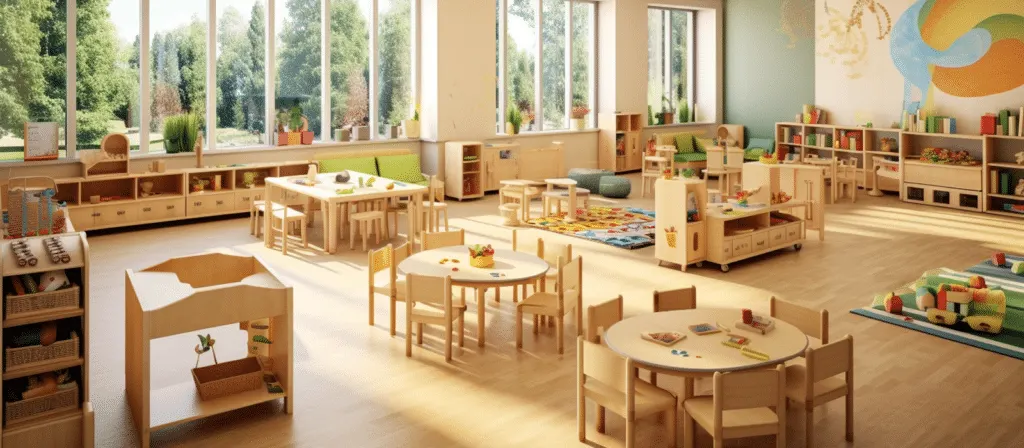
Have you ever wondered why ergonomic preschool furniture is becoming increasingly popular in early education settings? In this article, we will explore the importance of ergonomic design in preschool furniture and how it can greatly benefit the development and learning experiences of young children.
Ergonomic preschool furniture is specially designed with the unique needs and physical characteristics of young children in mind. It promotes proper posture, comfort, and engagement during learning activities, leading to improved focus, concentration, and overall well-being.
What is ergonomic furniture?
Ergonomic furniture is designed to support the natural posture and movements of the human body. It takes into account factors such as body size, growth, and the need for movement. By providing proper support and adjustability, ergonomic furniture promotes healthy sitting habits and reduces the risk of musculoskeletal disorders.

How does ergonomic preschool furniture benefit young learners?
- Promotes better posture: Ergonomic furniture is designed to support the natural curves of the spine, promoting good posture from an early age. This is crucial because poor posture can lead to discomfort, fatigue, and even long-term health issues. By providing proper support, ergonomic furniture helps children maintain a healthy sitting position.
- Enhances concentration and focus: When children are comfortable and properly supported, they can focus better on their tasks. Ergonomic chairs and desks allow young learners to sit for longer periods without feeling discomfort or distraction. This, in turn, improves their concentration and attention span, leading to better learning outcomes.
- Encourages movement and active learning: Young children have a natural need for movement and exploration. Ergonomic preschool furniture, such as adjustable desks and chairs, allows them to change their sitting positions and move freely. This promotes active learning and engagement, as children can easily transition from sitting to standing or even kneeling positions.
- Prevents musculoskeletal disorders: Musculoskeletal disorders, such as back pain and repetitive strain injuries, are becoming increasingly common among children. By using ergonomic furniture, we can help prevent these issues from developing in the first place. Proper support and adjustability reduce the strain on young bodies, keeping them healthy and pain-free.
What about other benefits?
Apart from the ones I mentioned earlier, ergonomic preschool furniture offers several other benefits. Let’s explore them:
- Boosts creativity and productivity: When children are comfortable and supported, their creativity and productivity soar. Ergonomic furniture allows young learners to focus their energy on their tasks rather than being distracted by discomfort or poor posture.
- Promotes independence and self-regulation: Ergonomic furniture, with its adjustable features, empowers children to take control of their learning environment. They can easily adjust their chairs and desks to their preferred height, fostering a sense of independence and self-regulation.
- Supports inclusive learning: Every child is unique, and ergonomic furniture recognizes this. With adjustable features, it caters to the diverse needs and body sizes of young learners, promoting inclusivity in the classroom.

In conclusion
Ergonomic preschool furniture is not just a luxury but a necessity in today’s learning environments. It provides the support, comfort, and flexibility that young learners need to thrive. By promoting better posture, enhancing concentration, and preventing musculoskeletal disorders, ergonomic furniture sets the stage for a positive and engaging learning experience. So, let’s invest in the well-being of our little ones and create classrooms that prioritize their comfort and growth.

Hey, I’m Roger, the founder of Xiha Montessori, a family-run business. We specialize in preschool furniture and educational solutions.
Over the past 20 years, we have helped clients in 55 countries and 2000+ preschools, daycares, and early childcare centers create safe and inspiring learning environments.
This article shares knowledge on making education more effective and enjoyable for children.

Wooden Preschool Furniture Care Guide For Busy Classrooms
Read More »
How to Childproof a Daycare Classroom: A Practical Safety Checklist
Read More »
Daycare Cribs Buying Guide: How to Choose Safe, Practical Sleep Furniture
Read More »
Object Permanence: What Babies Learn and How Montessori Activities Support It
Read More »
Effective Preschool Classroom Rules: How to Create a Safe and Orderly Learning Environment
Read More »
How to Start a Daycare: A Practical Planning Guide
Read More » Roger Cai
Education Specialists
Hey, I’m the author of this post.
Over the past 20 years, we have helped 55 countries and 2000+ Clients, like Preschools, Daycare, and Early Childcare Centres, to create safe and inspiring learning environments.
If you need a purchase or consultation, please contact us for a free product catalog and classroom layout design.