
Why is preschool classroom design important?
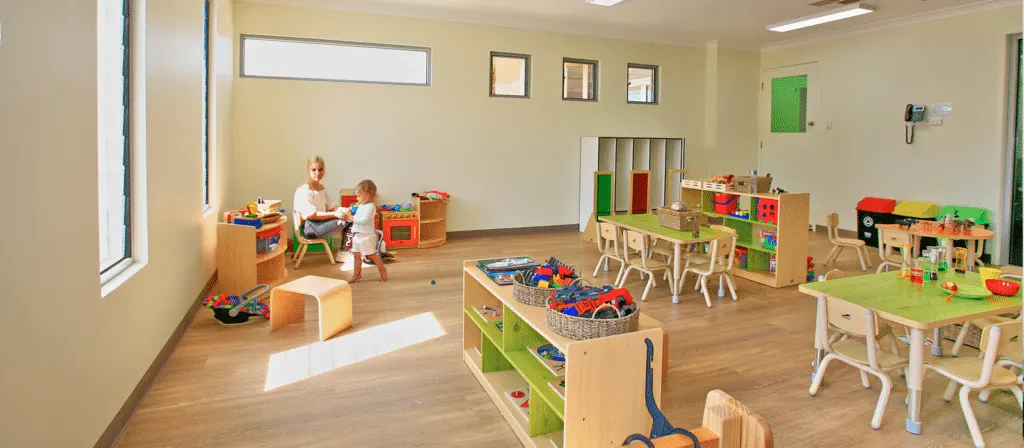
Have you ever wondered why preschool classroom design holds such significance? Curious about the impact it has on young learners’ growth and development? Join us as we unravel the secrets behind the importance of preschool classroom design and how it shapes the learning experience for children.
Discover why the design of a preschool classroom plays a vital role in fostering a nurturing, engaging, and effective learning environment for young minds. From creating a sense of belonging to optimizing learning outcomes, we’ll explore the transformative power of thoughtful classroom design.
What makes preschool classroom design so important?
Preschoolers are at a critical stage of their development, where they are constantly absorbing information from their surroundings. The design of their learning environment can greatly influence their cognitive, social, and emotional development. A well-designed classroom can foster a sense of belonging, encourage creativity and curiosity, and support the development of important skills.
A Welcoming and Engaging Space
When children step into a preschool classroom, they should feel a sense of excitement and belonging. The design of the classroom sets the tone for their learning experience. By creating a warm and inviting atmosphere, we are encouraging children to actively engage in their surroundings and feel a sense of ownership over their learning environment. Bright colors, comfortable seating, and visually appealing displays can instantly captivate their attention and foster a positive attitude towards learning.
Facilitating Exploration and Play
Preschoolers thrive on hands-on learning experiences and exploration. A well-designed classroom provides ample opportunities for children to engage in different types of play and exploration. Learning centers or stations, such as a reading corner, a sensory table, a block area, and an art station, allow children to freely explore their interests and develop various skills. These designated spaces not only encourage creativity and imaginative play but also help children build social skills, problem-solving abilities, and fine and gross motor skills.
Promoting Independence and Organization
Preschool is a time when children begin to develop a sense of independence and self-reliance. A thoughtfully designed classroom promotes independence by providing easily accessible materials and resources. Low shelves with labeled bins and containers allow children to independently choose and return materials, promoting organization and a sense of responsibility. Clear visual cues, such as picture labels, can help children easily locate and put away items, fostering a sense of order and reducing frustration.
Supporting Different Learning Styles
Every child is unique and has their own preferred learning style. A well-designed classroom takes into consideration the diverse needs and learning styles of its students. By incorporating different areas and materials that cater to auditory, visual, and kinesthetic learners, educators can create an inclusive environment that supports all children in their learning journey. For instance, a quiet corner with headphones can provide a space for children who prefer a quieter learning environment, while a large carpeted area can accommodate those who thrive in a more interactive and hands-on setting.
Creating a Calm and Positive Atmosphere
Preschoolers are sensitive to their surroundings and the overall atmosphere of the classroom greatly influences their emotions and behavior. A clutter-free and well-organized classroom can contribute to a sense of calmness and tranquility, allowing children to focus better on their tasks. Soft lighting, natural elements, and comfortable seating areas can also help create a peaceful and welcoming ambiance. Additionally, the use of positive affirmations, inspirational posters, and student artwork can foster a sense of pride and create a positive and uplifting environment for both students and educators.
Encouraging Collaboration and Communication
Preschool classroom design plays a vital role in promoting collaboration and communication among young learners. By arranging furniture and materials in a way that encourages interaction and group work, educators can facilitate peer-to-peer learning and cooperative play. Round tables, group seating areas, and shared project spaces can encourage children to work together, share ideas, and develop important social skills. In addition, the strategic placement of visual aids and resources can stimulate conversation and language development.
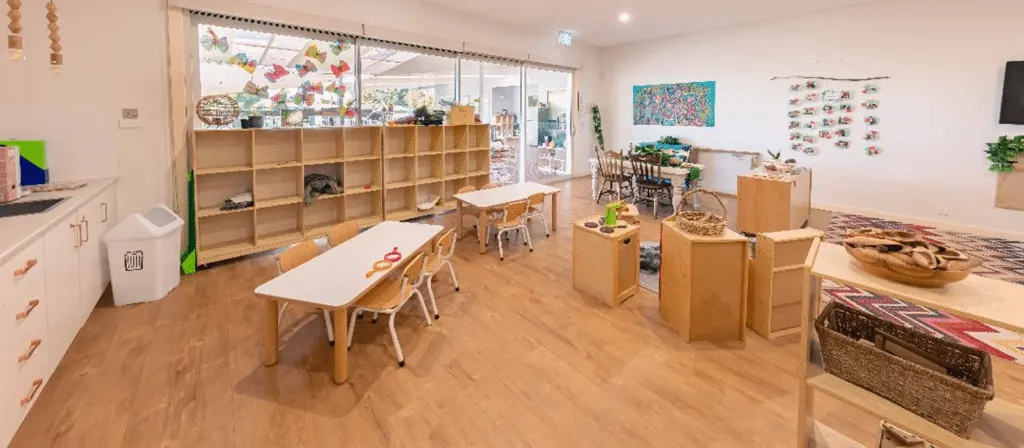
Preschool classroom design goes beyond aesthetics; it has the power to shape the learning experience and impact a child’s overall development. By considering factors such as inclusivity, learning optimization, independence, and safety, we can create spaces that inspire young learners, foster their growth, and ignite a lifelong love for learning.
Unleash the potential of preschool classroom design and witness the transformative impact it can have on the young minds within your care. Join us on this design journey and unlock the doors to a world of endless possibilities!

Hey, I’m Roger, the founder of Xiha Montessori, a family-run business. We specialize in preschool furniture and educational solutions.
Over the past 20 years, we have helped clients in 55 countries and 2000+ preschools, daycares, and early childcare centers create safe and inspiring learning environments.
This article shares knowledge on making education more effective and enjoyable for children.
Wooden Preschool Furniture Care Guide For Busy Classrooms
Read More »
How to Childproof a Daycare Classroom: A Practical Safety Checklist
Read More »
Daycare Cribs Buying Guide: How to Choose Safe, Practical Sleep Furniture
Read More »
Object Permanence: What Babies Learn and How Montessori Activities Support It
Read More »
Effective Preschool Classroom Rules: How to Create a Safe and Orderly Learning Environment
Read More »
How to Start a Daycare: A Practical Planning Guide
Read More » Roger Cai
Education Specialists
Hey, I’m the author of this post.
Over the past 20 years, we have helped 55 countries and 2000+ Clients, like Preschools, Daycare, and Early Childcare Centres, to create safe and inspiring learning environments.
If you need a purchase or consultation, please contact us for a free product catalog and classroom layout design.