
Why music is important for children in care
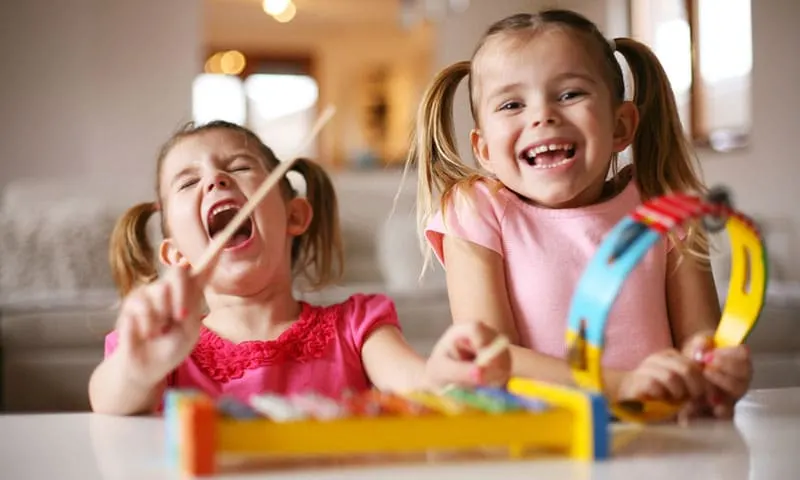
Whether a child is practising how to hold a maraca or hold a tune, music is a wonderful way to entertain youngsters and encourage their development.
It’s noisy, it’s fun and on a more serious note, music helps children to:
- Think in new ways
- Practice language skills
- Practice motor skills
- Learn about emotions
- Follow routines
These are all important parts of growing up, so let’s see how music can be incorporated into the child care day.
How can music help children think in new ways?
To help develop young brains and hone a musical ear, adults can:
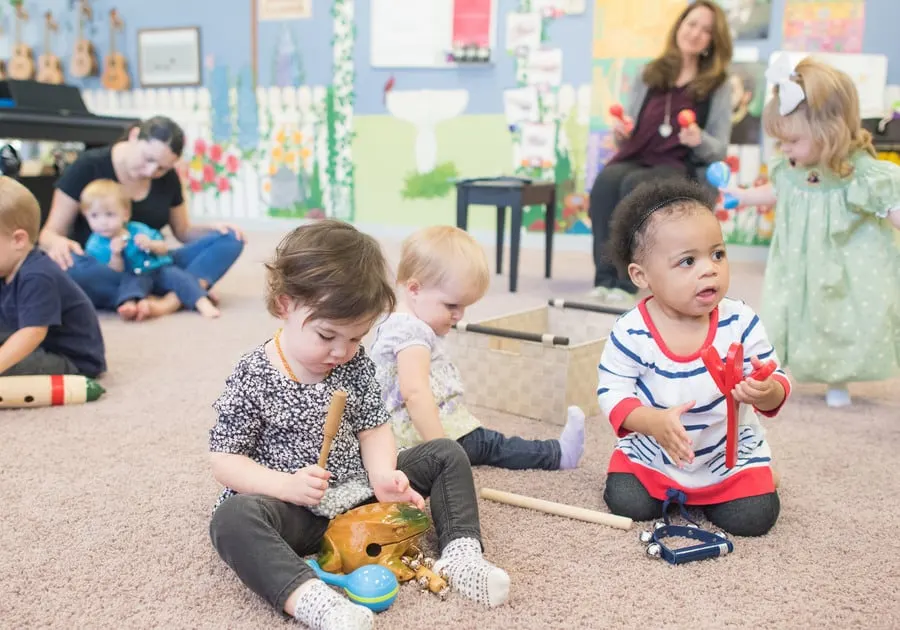
- Introduce children to different kinds of instruments by showing how they work
- Teach them cause and effect through displaying how different actions produce varied sounds
- Point out the difference between sounds by identifying high and low notes or fast and slow beats
- Introduce unfamiliar instruments
- Help children make their own instruments like a bead-filled rainbow shaker or create a shareable music wall
How can children practice their language skills through music?
This is a simple matter of singing songs!
- By learning new lyrics and practising old favourites, children are encouraged to put words and sentences together and retain information like their ABCs
- Games are another great way to encourage speech development and vocabulary through songs like The Farmer’s In His Den Circle Game
How can children develop their motor skills with music?
Whether they’re following a dance routine or making one up, there’s no doubt that music gets children moving:
- Action songs are a classic way to encourage children’s fine and gross motor skills. For instance, ‘Itsy Bitsy Spider’ is great for finger dexterity and ‘Dingle Dangle Scarecrow’ will inspire big movements with children’s arms and legs
- Dancing in general will develop children’s coordination and balance and help them bond with educators and other children
How does music help children understand emotions?
To teach children about feelings:
- Grown-ups can play different kinds of music, including classical, and ask children to label the songs as emotions, e.g. happy, sad, scary or surprising
- Another idea is for children to draw or paint a picture of how they feel when they listen to a piece of music
- And there are also YouTube songs that deal with different emotions, like ‘Grumpy As A Grizzly Bear’
How can music be used to establish routines at child care?
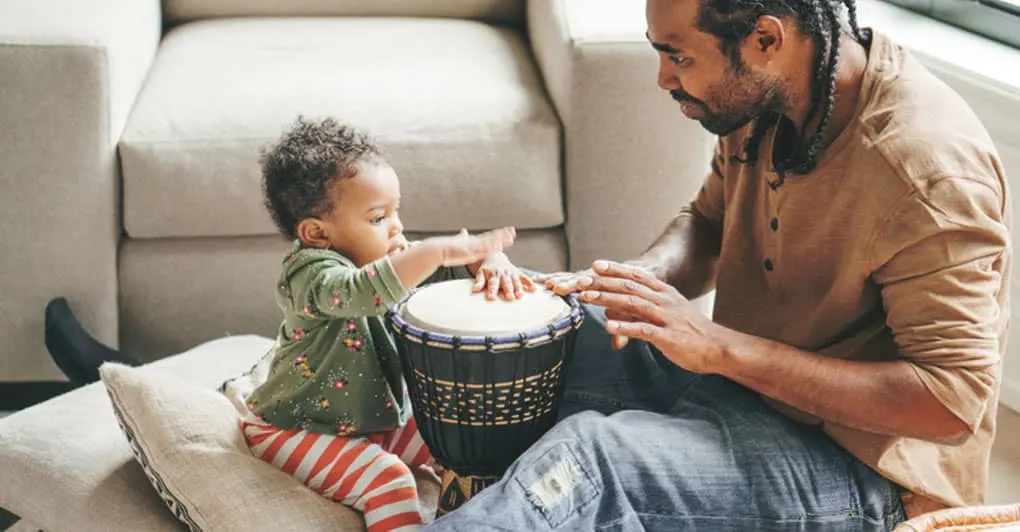
Music is a great way to punctuate the day, and songs can be used to segue between activities and keep children involved:
- Quieter songs can indicate naptime while upbeat music can be used to burn off some energy before starting a more focused activity
- Clean-up songs are also a fun way to encourage children to pack up one activity and begin the next
What role does music have in home life?
As well as benefitting from music in the child care environment, children will also reap the rewards of a musical home life. And so, it seems, will parents.
In fact, according to a study by the University of Arizona children who grow up listening to music with their parents say they have a better relationship with their parents as they become young adults.
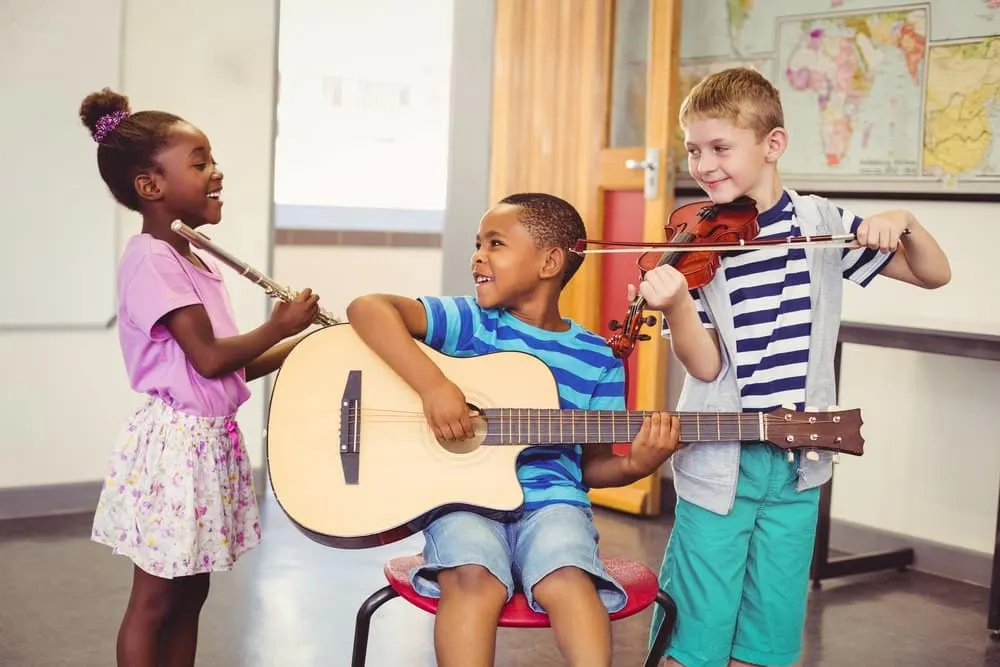
Researchers believe that music strengthens the parent-child bond through coordination and empathy and although teens especially benefit from sharing music with their parents, the co-author of the study, Jake Harwood says, ‘If you have little children, and you play music with them, that helps you be closer to them, and later in life will make you closer to them.’

Hey, I’m Roger, the founder of Xiha Montessori, a family-run business. We specialize in preschool furniture and educational solutions.
Over the past 20 years, we have helped clients in 55 countries and 2000+ preschools, daycares, and early childcare centers create safe and inspiring learning environments.
This article shares knowledge on making education more effective and enjoyable for children.
Wooden Preschool Furniture Care Guide For Busy Classrooms
Read More »
How to Childproof a Daycare Classroom: A Practical Safety Checklist
Read More »
Daycare Cribs Buying Guide: How to Choose Safe, Practical Sleep Furniture
Read More »
Object Permanence: What Babies Learn and How Montessori Activities Support It
Read More »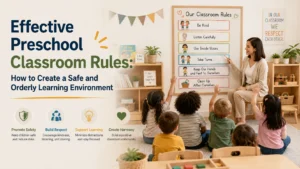
Effective Preschool Classroom Rules: How to Create a Safe and Orderly Learning Environment
Read More »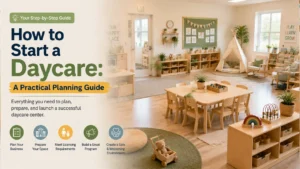
How to Start a Daycare: A Practical Planning Guide
Read More » Roger Cai
Education Specialists
Hey, I’m the author of this post.
Over the past 20 years, we have helped 55 countries and 2000+ Clients, like Preschools, Daycare, and Early Childcare Centres, to create safe and inspiring learning environments.
If you need a purchase or consultation, please contact us for a free product catalog and classroom layout design.