
What are the 5 best principles of Montessori furniture placement?
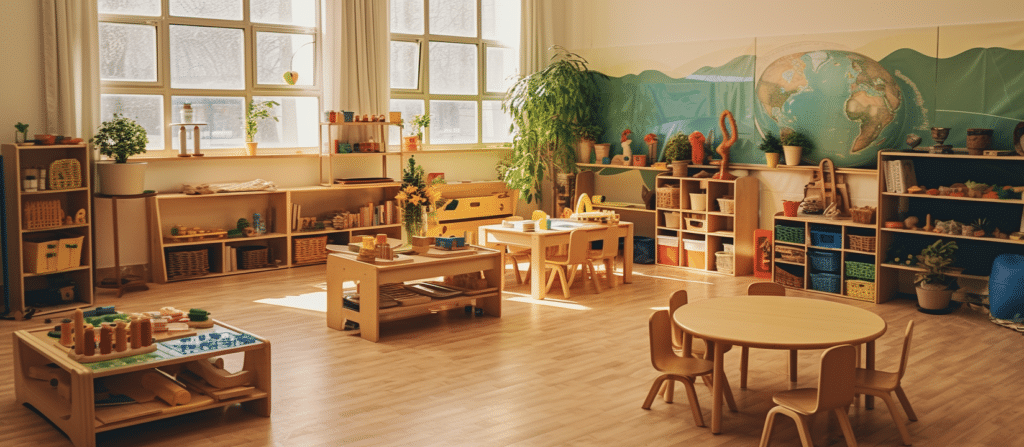
Ever wondered why furniture placement in a Montessori environment is so deliberate? Next let’s learn the secrets of Montessori furniture placement in the classroom. Through a series of questions and insightful answers, we will get a clear picture of the five principles of furniture arrangement in a Montessori classroom.
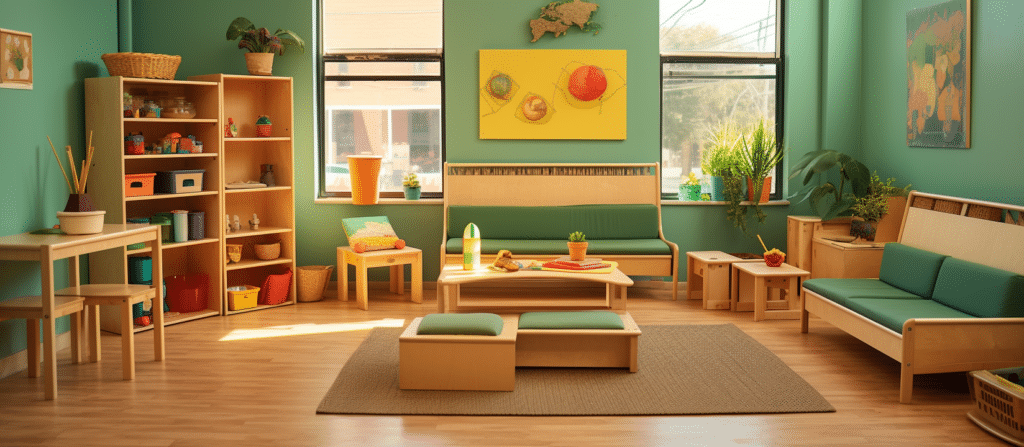
The careful layout of a Montessori classroom follows five key principles: order, accessibility, freedom, nature, and beauty. Each principle helps to create an environment that fosters independence, exploration and a love of learning.
Principle 1:Montessori Furniture Placement Accessibility
One of the key principles of Montessori furniture placement is accessibility. Furniture should be arranged in a way that allows children to easily access and interact with the materials they need. Low shelves, open storage bins, and child-sized tables and chairs are some examples of furniture that promote accessibility.
Principle 2: Order and Organization
Another important principle is order and organization. Montessori furniture placement emphasizes the importance of having a designated place for each item. This helps children develop a sense of order and enables them to independently find and put away materials. Clear labels, color-coded storage bins, and shelves with specific compartments are effective ways to promote order and organization.

Principle 3: Freedom of Movement
Montessori education recognizes the importance of freedom of movement for children. Furniture should be arranged in a way that allows for easy movement and navigation around the learning environment. Open floor space, wide walkways, and furniture that can be easily moved or rearranged are key considerations for promoting freedom of movement.
Principle 4: Beauty and Aesthetics
Beauty and aesthetics play a significant role in Montessori furniture placement. The environment should be visually appealing and inviting to children. Natural materials, soft colors, and carefully curated displays of materials can enhance the aesthetic appeal of the learning space. Incorporating elements of nature, such as plants or natural light, can also contribute to a calming and inspiring environment.
Principle 5: Incorporating Nature and Natural Materials
The use of natural materials is a hallmark of Montessori education, and this principle extends to furniture placement as well. Incorporating natural elements, such as wooden furniture, plants, and natural light, creates a harmonious and inviting environment. Natural materials have a calming effect on children and help create a connection with the natural world. Additionally, using furniture made from sustainable materials aligns with the Montessori philosophy of respect for the environment.
In conclusion
By utilizing the Five Principles of Montessori Furniture Placement, we can design Montessori classrooms to empower children, foster their natural curiosity, and promote a love of learning.

Hey, I’m Roger, the founder of Xiha Montessori, a family-run business. We specialize in preschool furniture and educational solutions.
Over the past 20 years, we have helped clients in 55 countries and 2000+ preschools, daycares, and early childcare centers create safe and inspiring learning environments.
This article shares knowledge on making education more effective and enjoyable for children.
Wooden Preschool Furniture Care Guide For Busy Classrooms
Read More »
How to Childproof a Daycare Classroom: A Practical Safety Checklist
Read More »
Daycare Cribs Buying Guide: How to Choose Safe, Practical Sleep Furniture
Read More »
Object Permanence: What Babies Learn and How Montessori Activities Support It
Read More »
Effective Preschool Classroom Rules: How to Create a Safe and Orderly Learning Environment
Read More »
How to Start a Daycare: A Practical Planning Guide
Read More » Roger Cai
Education Specialists
Hey, I’m the author of this post.
Over the past 20 years, we have helped 55 countries and 2000+ Clients, like Preschools, Daycare, and Early Childcare Centres, to create safe and inspiring learning environments.
If you need a purchase or consultation, please contact us for a free product catalog and classroom layout design.