
How to Perfectly Arrange Your Preschool Classroom?
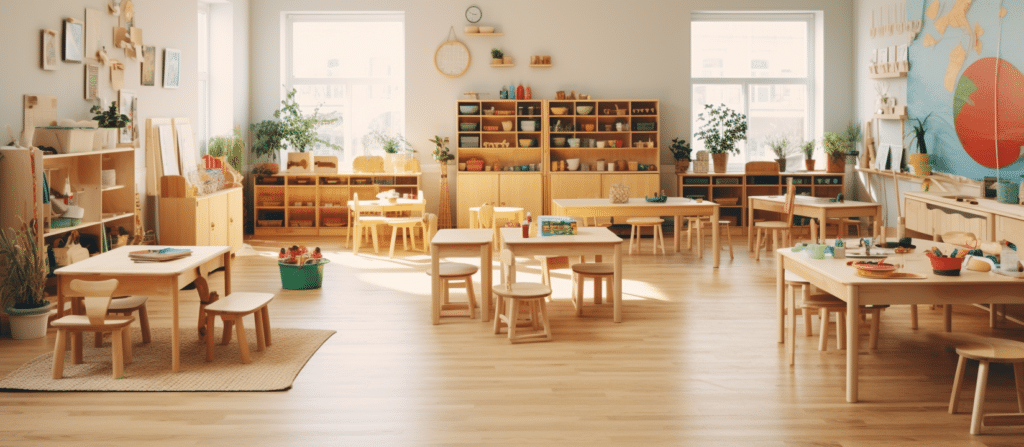
Have you ever wondered how to design the ideal layout for your preschool classroom? Wondering how to create a space that promotes learning, creativity and a sense of order? Let’s embark on a journey to discover the art of arranging preschool furniture in a way that maximizes functionality and aesthetic appeal.
Why is proper preschool classroom setup important?
Before diving into the specifics, let’s understand why proper furniture arrangement is essential in a preschool environment. A well-arranged classroom not only enhances the overall aesthetics but also has a significant impact on children’s behavior, engagement, and learning outcomes. It creates a sense of order and structure, allowing for smooth transitions and maximizing the use of available space.
Now, let’s explore the key factors to consider when arranging preschool furniture:
1. Safety First!
Safety should always be the top priority when arranging preschool classroom. Ensure that all furniture pieces are securely anchored to the floor or wall to prevent tipping. Sharp edges and corners should be covered with soft padding or edge guards to minimize the risk of injuries. Additionally, keep pathways clear and unobstructed to allow for easy movement in the classroom.
2. Creating Distinct Learning Areas
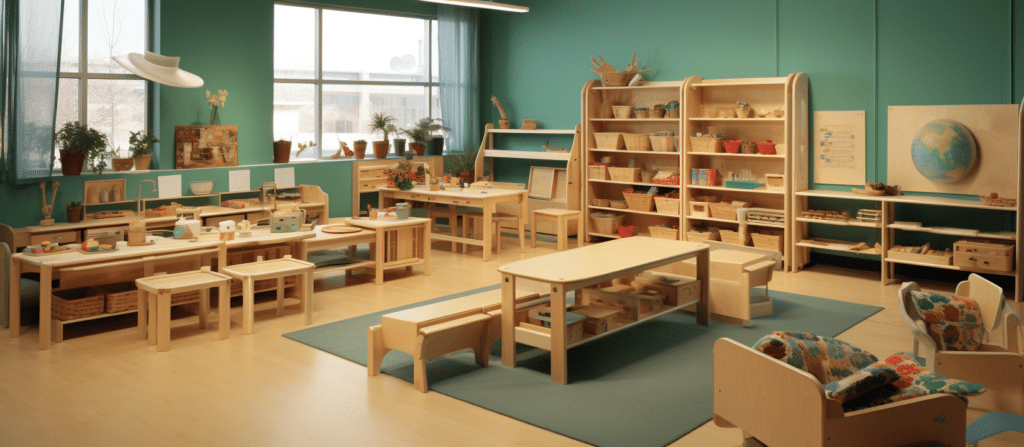
Proper furniture arrangement should create distinct learning areas within the preschool classroom. These areas may include reading corners, art stations, block areas, sensory tables, etc. Each learning area should be clearly labeled with appropriate furniture and materials. This not only helps in organizing resources but also develops independence and independent learning skills in children.
3. Consider Flow and Accessibility
The flow of the classroom affects how students and teachers move and interact in the space. Avoid overcrowding and ensure that there is enough space for children to move freely. Consider the placement of doors, windows and other architectural elements when placing furniture.
4. Optimize Sightlines
Preschool environments often require flexibility to accommodate a variety of classroom activities and changing needs. Using lightweight and easily movable furniture, preschool classroom furniture can be easily repositioned to create different learning spaces. This flexibility allows for seamless transitions between activities and promotes a collaborative learning experience between students.
5. Flexibility is Key
Preschool settings often require flexibility to accommodate various activities and changing needs. Utilize furniture that is lightweight and easy to move. Choose items that can be easily rearranged to create different learning configurations. This flexibility allows for seamless transitions between activities and promotes collaborative learning experiences among students.
6. Utilize Storage Solutions
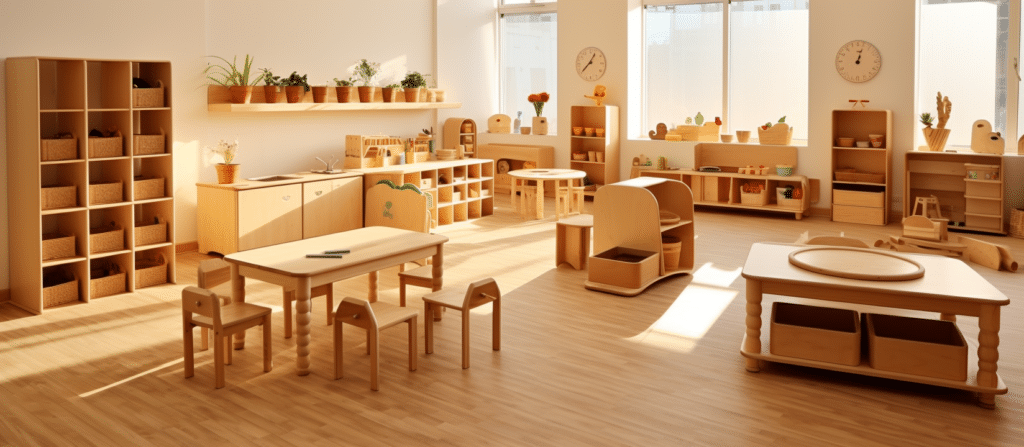
Preschool classrooms are filled with an abundance of materials and resources. To keep the space neat and organized, effective storage solutions need to be employed. Use shelves, bins, and cubbies to store toys, books, and art supplies. Clearly labeling each storage area will help children find and return items independently. Using storage solutions not only keeps the classroom tidy, but also teaches children organization and responsibility skills.
7. Enhance Aesthetics
While functionality is key, aesthetics should not be overlooked when arranging preschool classroom. A visually appealing environment can have a positive impact on children’s mood and overall engagement. Use bright and stimulating colors, incorporate age-appropriate artwork, and add decorative elements that reflect the interests and themes of the curriculum.
8. Involve the Students
Involving students in the furniture arrangement process can empower them and create a sense of ownership over their learning environment. Encourage students to contribute ideas and participate in the decision-making process. This not only promotes their independence and problem-solving skills but also ensures that the furniture arrangement meets their needs and preferences.
9. Regular Maintenance and Review
Lastly, maintaining an organized and functional preschool classroom environment requires regular maintenance and review of the furniture arrangement. Periodically assess the effectiveness of the layout and make necessary adjustments based on student feedback and evolving teaching strategies. Keep an inventory of furniture and materials, ensuring that everything is in good condition and appropriately labeled.
Conclusion
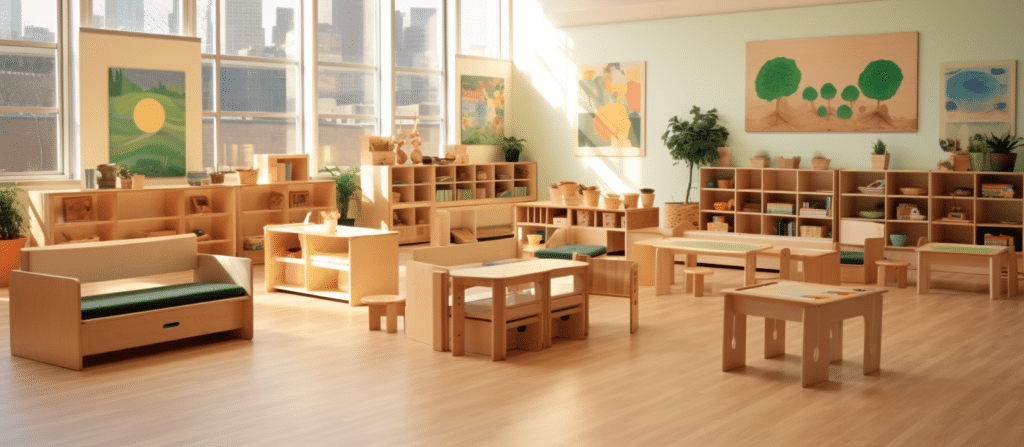
Arranging preschool furniture is a thoughtful and intentional process that requires careful consideration of safety, functionality, and aesthetics. By following these tips and incorporating your own creativity, you can create a well-organized and engaging learning environment for young learners. Remember, furniture arrangement is not set in stone and can be adapted and improved over time to meet the changing needs of your students. Happy arranging!

Hey, I’m Roger, the founder of Xiha Montessori, a family-run business. We specialize in preschool furniture and educational solutions.
Over the past 20 years, we have helped clients in 55 countries and 2000+ preschools, daycares, and early childcare centers create safe and inspiring learning environments.
This article shares knowledge on making education more effective and enjoyable for children.
Wooden Preschool Furniture Care Guide For Busy Classrooms
Read More »
How to Childproof a Daycare Classroom: A Practical Safety Checklist
Read More »
Daycare Cribs Buying Guide: How to Choose Safe, Practical Sleep Furniture
Read More »
Object Permanence: What Babies Learn and How Montessori Activities Support It
Read More »
Effective Preschool Classroom Rules: How to Create a Safe and Orderly Learning Environment
Read More »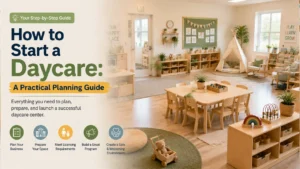
How to Start a Daycare: A Practical Planning Guide
Read More » Roger Cai
Education Specialists
Hey, I’m the author of this post.
Over the past 20 years, we have helped 55 countries and 2000+ Clients, like Preschools, Daycare, and Early Childcare Centres, to create safe and inspiring learning environments.
If you need a purchase or consultation, please contact us for a free product catalog and classroom layout design.