
Daycare Furniture for Multisensory Learning Environments
As a leading provider of daycare furniture, it’s my pleasure to share with you the importance of creating multisensory learning environments for young children. In today’s fast-paced world, it’s crucial for daycare centers to offer a stimulating and engaging atmosphere that fosters learning and development. And one of the key elements in achieving this is through carefully selected daycare furniture.
Learn how these specially designed pieces play a crucial role in enhancing sensory experiences for children, fostering curiosity and a love for learning.
Did you know that the right furniture can greatly enhance a child’s learning experience?
Gone are the days when daycare centers used plain and generic furniture. Today, we understand the power of creating a multisensory learning environment that appeals to all the senses. By incorporating furniture that engages sight, touch, sound, and even smell, we can create an environment that promotes active learning and exploration.

But what exactly is multisensory learning? And how does it relate to daycare furniture?
Multisensory learning is an educational approach that involves engaging multiple senses in the learning process. It acknowledges that each child has a unique learning style and that incorporating different sensory experiences can facilitate better understanding and retention of information.
When it comes to daycare furniture, this means selecting pieces that stimulate various senses. For example, choosing furniture with vibrant colors and interesting textures can engage a child’s sense of sight and touch. In addition, incorporating furniture that produces different sounds or even allows for gentle movement can further enhance the learning experience.
How does the design of daycare furniture impact learning?
The design of daycare furniture plays a vital role in creating an optimal learning environment. When children are comfortable and surrounded by furniture that is both functional and appealing, they are more likely to be engaged and motivated to learn.
Research has shown that the design of the physical environment significantly impacts learning outcomes. A study conducted by the University of Salford in the UK found that well-designed classrooms can improve learning progress by up to 16%. This includes factors such as lighting, temperature, and the arrangement of furniture.
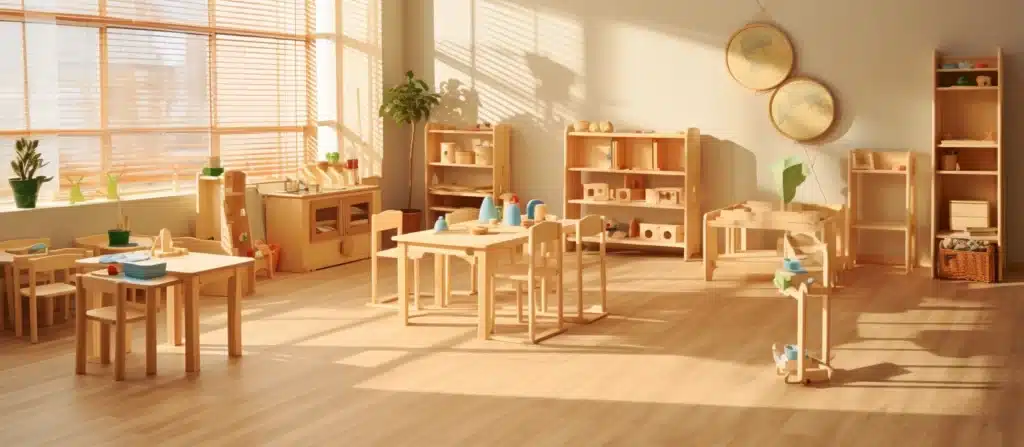
What are some key features to look for in daycare furniture for multisensory learning environments?
When selecting daycare furniture for a multisensory learning environment, there are several key features to consider. These features will not only enhance the learning experience but also ensure the safety and comfort of the children.
- Ergonomics: Look for furniture that is designed with the child’s physical development in mind. Adjustable chairs and tables can accommodate children of different heights, promoting proper posture and reducing the risk of musculoskeletal issues.
- Versatility: Choose furniture that can be easily rearranged to create different learning spaces. This allows for flexibility and adaptability, catering to the diverse needs and interests of the children.
- Durability: Daycare furniture should be able to withstand the wear and tear of energetic young children. Look for furniture made from high-quality materials that are easy to clean and maintain.
- Safety: Ensure that all daycare furniture meets safety standards and regulations. Rounded edges, non-toxic materials, and secure fastenings are some of the features to look out for.
How can daycare furniture enhance different areas of learning?
Daycare furniture has the power to enhance various areas of learning, promoting holistic development in young children. Let’s take a closer look at how different types of furniture can impact specific areas of learning:
- Cognitive Development: Furniture that encourages problem-solving, critical thinking, and imaginative play can greatly enhance cognitive development. Tables with built-in puzzles or chairs that double as storage units provide opportunities for children to engage in independent and group activities that stimulate their thinking skills.
- Language Development: Furniture that promotes communication and social interaction can support language development. Seating arrangements that allow children to face each other during group activities encourage conversation and the sharing of ideas.
- Physical Development: Furniture that promotes physical activity, such as climbing structures and balance boards, can support the development of gross motor skills. Providing a variety of seating options, such as bean bags or floor cushions, also allows children to explore different positions and movements.
- Sensory Development: Furniture that engages multiple senses, such as textured surfaces or musical elements, can enhance sensory development. By providing opportunities for children to touch, feel, and hear different stimuli, their sensory awareness and processing skills can be enhanced.
In conclusion
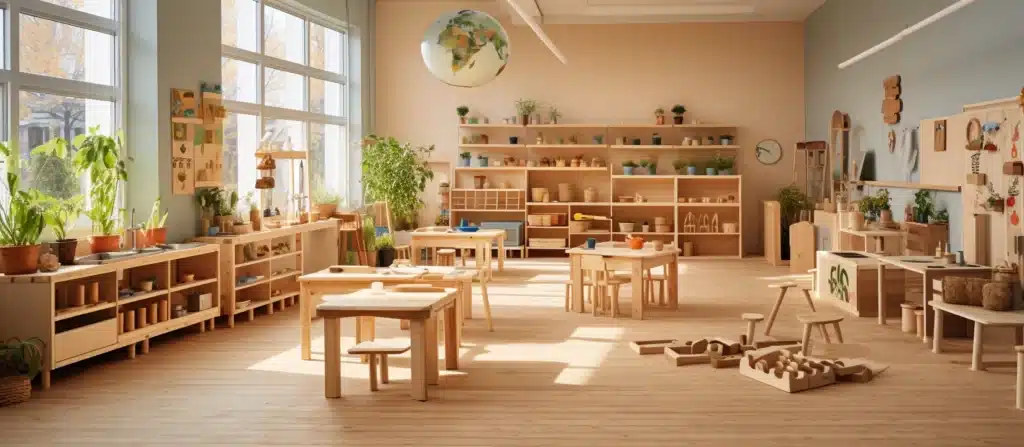
Creating a multisensory learning environment in daycare centers is essential for promoting optimal learning and development in young children. By carefully selecting daycare furniture that engages multiple senses and supports various areas of learning, we can create an atmosphere that fosters curiosity, creativity, and a love for learning.

Hey, I’m Roger, the founder of Xiha Montessori, a family-run business. We specialize in preschool furniture and educational solutions.
Over the past 20 years, we have helped clients in 55 countries and 2000+ preschools, daycares, and early childcare centers create safe and inspiring learning environments.
This article shares knowledge on making education more effective and enjoyable for children.

Wooden Preschool Furniture Care Guide For Busy Classrooms
Read More »
How to Childproof a Daycare Classroom: A Practical Safety Checklist
Read More »
Daycare Cribs Buying Guide: How to Choose Safe, Practical Sleep Furniture
Read More »
Object Permanence: What Babies Learn and How Montessori Activities Support It
Read More »
Effective Preschool Classroom Rules: How to Create a Safe and Orderly Learning Environment
Read More »
How to Start a Daycare: A Practical Planning Guide
Read More » Roger Cai
Education Specialists
Hey, I’m the author of this post.
Over the past 20 years, we have helped 55 countries and 2000+ Clients, like Preschools, Daycare, and Early Childcare Centres, to create safe and inspiring learning environments.
If you need a purchase or consultation, please contact us for a free product catalog and classroom layout design.