
The Connection Between Daycare Furniture and Play Behavior
Ever wondered how the furniture in a daycare setting influences children’s play behavior? Join us as we unravel the secrets behind the connection between daycare furniture and the way children engage in play. From the arrangement of chairs to the choice of tables, every piece plays a role in shaping a child’s learning experience.
The Connection Between Daycare Furniture and Play Behavior is profound. The design, color, and arrangement of furniture can significantly impact a child’s engagement, creativity, and social interactions during playtime. Understanding this link is crucial for creating an environment that fosters positive play behavior and enhances overall development.
What role does daycare furniture play in shaping children’s play behavior?
Daycare furniture serves as the foundation for a child’s play environment. It not only provides a space for children to sit, eat, and rest but also acts as a canvas for their imagination and creativity. The design, functionality, and quality of daycare furniture can greatly influence how children engage in play and interact with their surroundings.
For example, colorful and ergonomic chairs and tables can make a classroom or play area more inviting, encouraging children to actively participate in activities. On the other hand, uncomfortable or poorly designed furniture may hinder their ability to focus and engage in play. As a result, investing in high-quality and age-appropriate daycare furniture is crucial for creating an environment that fosters positive play behavior.
How does the layout of daycare furniture impact play behavior?
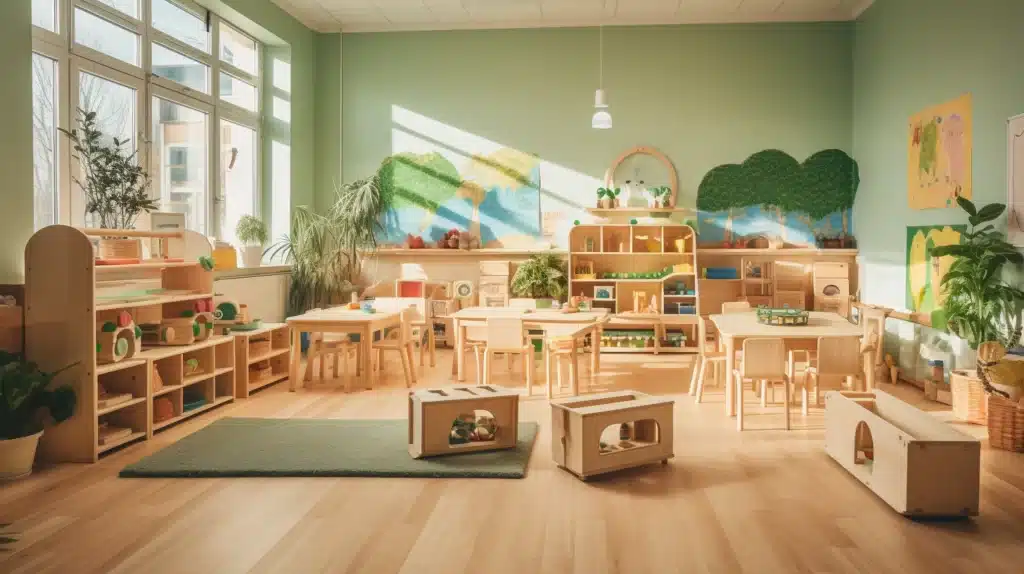
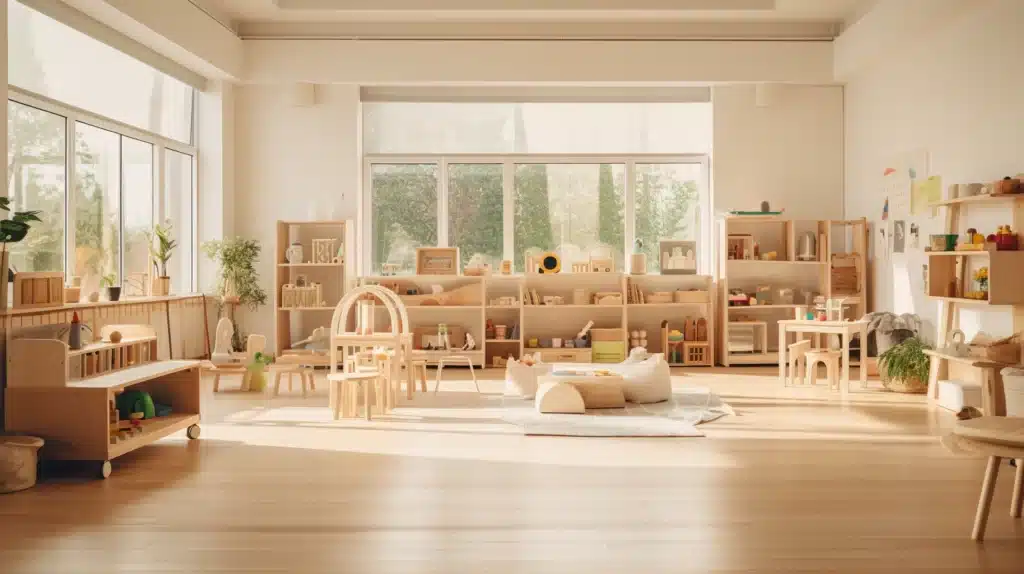
The layout of daycare furniture plays a significant role in shaping children’s play behavior. An open and flexible layout allows for easy movement and encourages collaboration among children. By providing various play areas and designated spaces for different activities, such as a reading nook or art station, children are more likely to explore different types of play and engage in imaginative play scenarios.
On the other hand, a cluttered or crowded layout can hinder children’s play behavior. It may limit their ability to move freely, leading to frustration and reduced engagement. Therefore, it’s important to consider the size of the play area and the arrangement of furniture to create an environment that promotes exploration, social interaction, and independent play.
Does the type of daycare furniture impact play behavior?
Absolutely! The type of daycare furniture used can have a profound effect on play behavior. Furniture that is specifically designed for children, such as small-sized chairs and tables, encourages independence and autonomy. It allows children to comfortably engage with their surroundings and take ownership of their play experiences.
Moreover, incorporating furniture that supports different types of play can enhance a child’s overall play behavior. For instance, having soft cushions or mats for quiet and imaginative play, as well as sturdy climbing structures for active play, can provide children with opportunities to engage in different forms of play and develop various skills.
What about the materials used in daycare furniture? Do they matter?
Absolutely! The materials used in daycare furniture have a significant impact on both the safety and sensory experience of children. Children are naturally curious and tend to explore their surroundings through touch and play. Therefore, using materials that are safe, durable, and appealing to the senses is crucial.
For example, furniture made from non-toxic and easy-to-clean materials ensures a safe environment for children to interact with. Additionally, incorporating a variety of textures, such as soft fabrics or smooth surfaces, can enhance sensory stimulation and provide tactile experiences that promote sensory development and exploration.
Conclusion
In conclusion, daycare furniture plays a vital role in shaping children’s play behavior. The design, layout, type, and materials of daycare furniture all contribute to creating an environment that fosters imagination, creativity, and social interaction. By investing in high-quality, age-appropriate, and safe daycare furniture, we can provide children with the best possible space to learn, grow, and thrive through play.
So, whether you’re a daycare owner, teacher, or parent, remember that choosing the right furniture for your little ones can make a world of difference in their play behavior and overall development. Let’s create spaces that inspire, engage, and nurture the next generation of imaginative minds!

Hey, I’m Roger, the founder of Xiha Montessori, a family-run business. We specialize in preschool furniture and educational solutions.
Over the past 20 years, we have helped clients in 55 countries and 2000+ preschools, daycares, and early childcare centers create safe and inspiring learning environments.
This article shares knowledge on making education more effective and enjoyable for children.

Wooden Preschool Furniture Care Guide For Busy Classrooms
Read More »
How to Childproof a Daycare Classroom: A Practical Safety Checklist
Read More »
Daycare Cribs Buying Guide: How to Choose Safe, Practical Sleep Furniture
Read More »
Object Permanence: What Babies Learn and How Montessori Activities Support It
Read More »
Effective Preschool Classroom Rules: How to Create a Safe and Orderly Learning Environment
Read More »
How to Start a Daycare: A Practical Planning Guide
Read More » Roger Cai
Education Specialists
Hey, I’m the author of this post.
Over the past 20 years, we have helped 55 countries and 2000+ Clients, like Preschools, Daycare, and Early Childcare Centres, to create safe and inspiring learning environments.
If you need a purchase or consultation, please contact us for a free product catalog and classroom layout design.