
Designing a Modern Preschool Classroom: Key Elements and Considerations
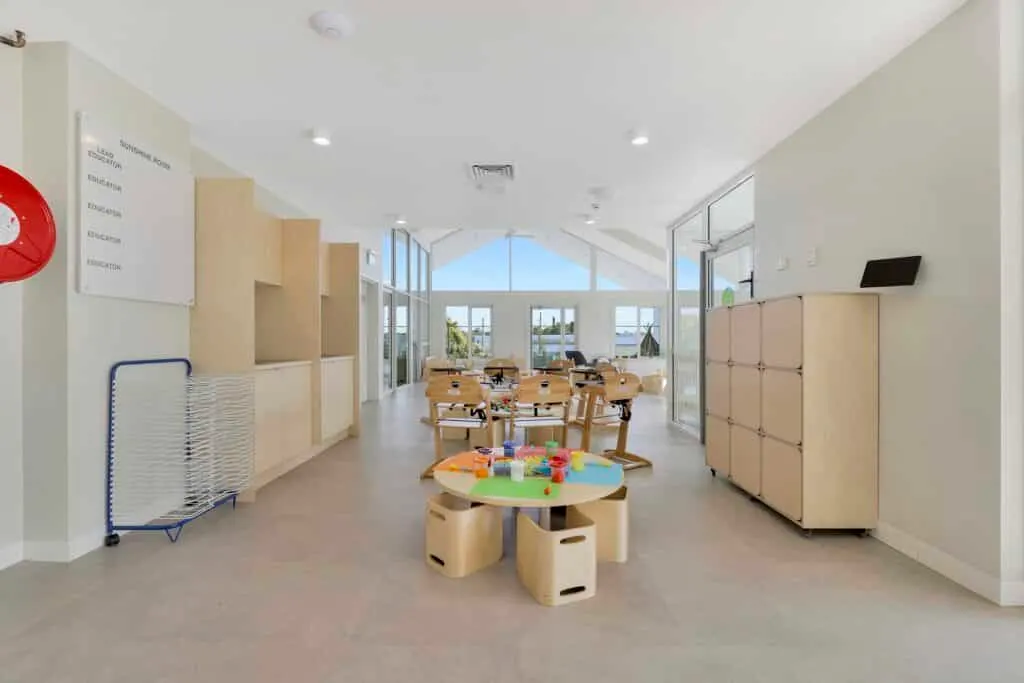
Designing a modern preschool classroom involves much more than just filling the space with toys and furniture. Instead, it requires careful consideration of the needs of young children and how they learn best.
Here are some key elements and considerations to keep in mind when designing a modern preschool classroom:
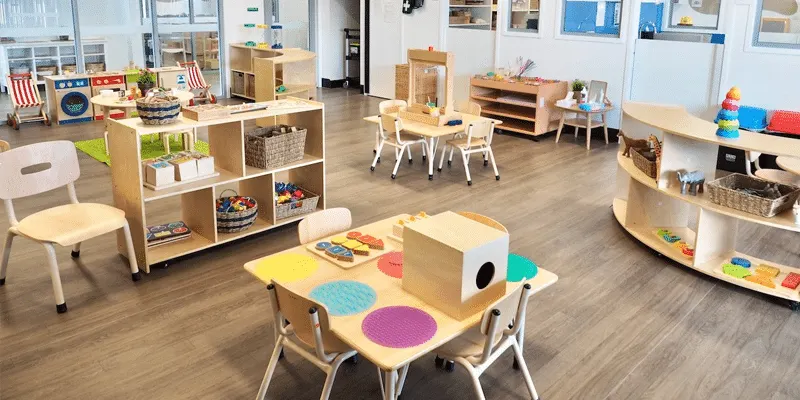
Flexible Spaces
A modern preschool classroom should have flexible spaces that can be easily adapted to meet the changing needs of children throughout the day. This may include movable furniture, flexible seating options, and versatile play areas that can be transformed into different learning centers.
Natural Light
Natural light has been shown to enhance learning and promote a positive mood. A modern preschool classroom should have ample windows and skylights to provide plenty of natural light.
Colorful, Engaging Decor
Colorful, engaging decor can help create a warm and inviting atmosphere in a preschool classroom. Walls can be decorated with educational posters and artwork created by the children.
Accessible Materials
Preschoolers need access to a variety of materials to support their learning and creativity. Materials should be organized and accessible and should be rotated regularly to keep children engaged and interested.
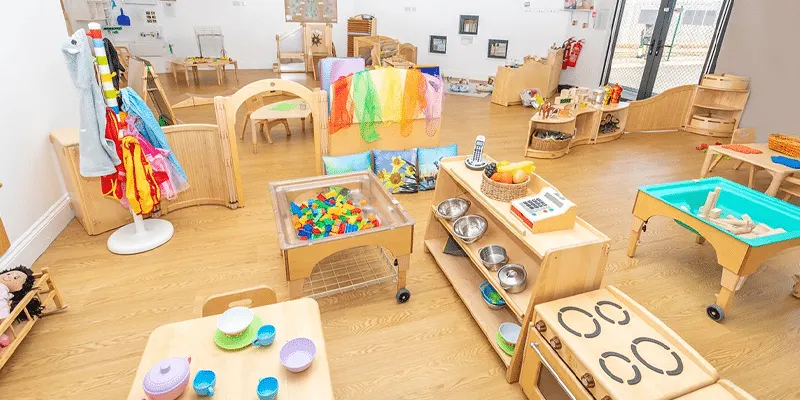
Multi-Sensory Experiences
Preschoolers learn best through multi-sensory experiences that engage all of their senses. A modern preschool classroom should have a variety of learning centers, such as a sensory table, dramatic play area, and building blocks center.
Technology Integration
While hands-on learning experiences are essential for preschoolers, technology can also be a valuable tool for supporting their learning. A modern preschool classroom should have age-appropriate technology, such as tablets and interactive whiteboards, that can be used to enhance learning and engagement.
Inclusive Design
A modern preschool classroom should be designed to be inclusive of all children, including those with disabilities or special needs. This may include features such as wheelchair-accessible furniture and sensory equipment.
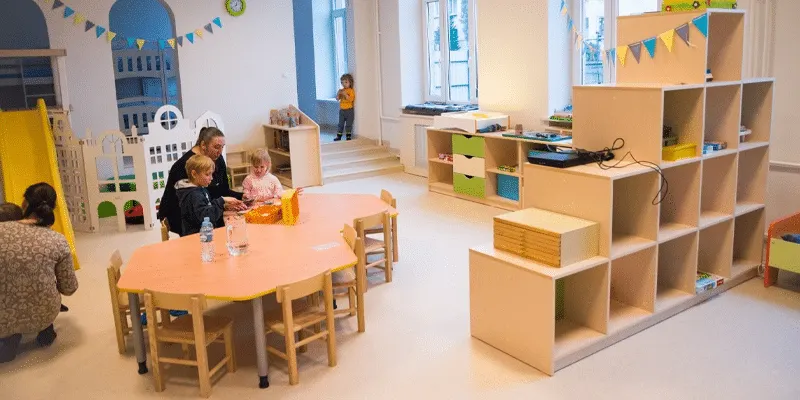
By incorporating these key elements, a modern preschool classroom can provide an engaging, supportive, and inclusive environment for young learners to grow and thrive.

Hey, I’m Roger, the founder of Xiha Montessori, a family-run business. We specialize in preschool furniture and educational solutions.
Over the past 20 years, we have helped clients in 55 countries and 2000+ preschools, daycares, and early childcare centers create safe and inspiring learning environments.
This article shares knowledge on making education more effective and enjoyable for children.

Wooden Preschool Furniture Care Guide For Busy Classrooms
Read More »
How to Childproof a Daycare Classroom: A Practical Safety Checklist
Read More »
Daycare Cribs Buying Guide: How to Choose Safe, Practical Sleep Furniture
Read More »
Object Permanence: What Babies Learn and How Montessori Activities Support It
Read More »
Effective Preschool Classroom Rules: How to Create a Safe and Orderly Learning Environment
Read More »
How to Start a Daycare: A Practical Planning Guide
Read More » Roger Cai
Education Specialists
Hey, I’m the author of this post.
Over the past 20 years, we have helped 55 countries and 2000+ Clients, like Preschools, Daycare, and Early Childcare Centres, to create safe and inspiring learning environments.
If you need a purchase or consultation, please contact us for a free product catalog and classroom layout design.